REVIEW · PORTO
Porto: Private Bike Tour with a Local Guide
Book on GetYourGuide →Operated by BICLAS & TRICLAS - Rent a Bike and Tours · Bookable on GetYourGuide
Two wheels beat walking in Porto. This private ride connects the Douro waterfront to beach air in Foz and Matosinhos, with a route made for quick, low-stress sightseeing. You get smooth city biking along cycle paths and pedestrian-friendly stretches, plus stops that help you get your bearings fast without sprinting all day.
I especially like the new EU-quality city bikes with a 3-gear hub, since it keeps the ride comfortable even when the scenery pulls you in different directions. And I like the local guide energy, with examples like Javier, Xavier, and Hélio showing up in reviews as friendly, funny, and genuinely tuned into the group.
One consideration: the tour is great for riders who feel confident pedaling, and there’s at least one report of a bike’s shifting behaving oddly. I’d still book it—but do a quick test of the gears and brakes right when they hand you the bike. Also, plan on mostly short passes and photo stops, not long museum deep dives.
In This Review
- Key Things That Make This Porto Bike Tour Worth Your Time
- Entering Porto from Miragaia: Where the Ride Starts Easy
- From the Alfândega Area to the Tram Museum: Riverfront Porto in Motion
- Cantareira Springs, Tripeiros Statues, and Quick Photo Stops That Actually Help
- Passeio Alegre and the Sea Side: Garden Views Without the Crowds
- Porto City Park to Serralves: Green Space That Doesn’t Feel Like Detour Time
- Bridges and River Views: How the Route Builds Momentum
- Foz to Matosinhos: Breakwater Views and Beach-Air Reward
- What Bike Comfort Feels Like on This Tour
- Price and Value: Why $57 Makes Sense for a 3-Hour Private Ride
- Best For Who: The Riders Who’ll Love This Most
- A Simple Game Plan for a Great Ride
- Should You Book This Porto Private Bike Tour?
- FAQ
- What’s the duration of the Porto private bike tour?
- Where do we meet for the tour?
- What languages are offered for the live guide?
- Are bikes and helmets included?
- What’s included in the price besides the guide?
- Is it safe and easy for beginners?
Key Things That Make This Porto Bike Tour Worth Your Time
- Easy, cycle-path routing that keeps you moving through parks and pedestrian areas
- New city bikes with a 3-gear hub for calmer speed control
- Scenic variety: river views, gardens, lighthouses, and beach breakwater scenery
- Local guide storytelling that turns landmarks into quick, usable context
- Private-group pace so you’re not stuck in a herd
Entering Porto from Miragaia: Where the Ride Starts Easy
Your tour begins at Biclas & Triclas in Miragaia, right on the riverbank. That’s a good setup because you start with the “shape” of Porto in your head—Douro water, bridges, and neighborhoods lined up like signposts. The staff provide the bike and helmet, so you can focus on getting rolling instead of hunting gear.
After a short orientation, the route kicks off with a burst of street art, including the mural Mira by Daniel Eime. It’s a quick stop, but it helps set the tone: this tour mixes postcard views with the city’s everyday personality. Then you roll into the historic riverside zone where Porto’s identity starts to show up in architecture and viewpoints.
The biggest win here is efficiency. In about three hours, you’ll cover a “big loop” feel—river-to-park-to-coast—without the normal transit friction of buses, taxis, or long walks.
You can also read our reviews of more cycling tours in Porto

From the Alfândega Area to the Tram Museum: Riverfront Porto in Motion
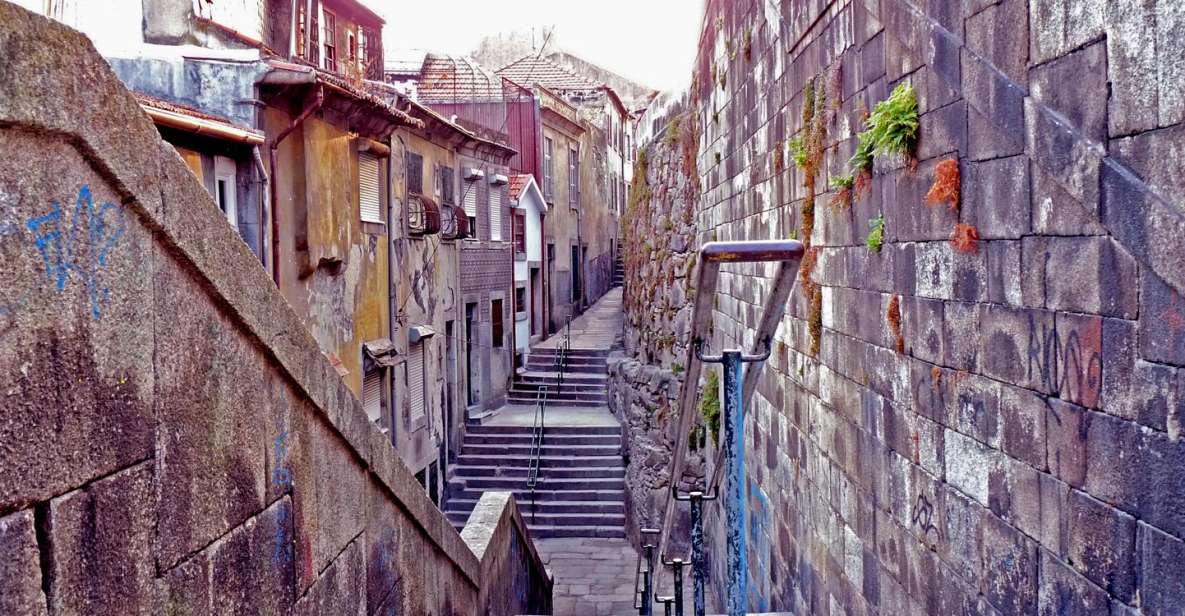
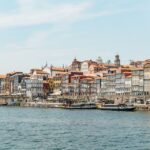
Early on, you pass Alfândega do Porto, a classic anchor near the waterfront. Even if you don’t linger, the location matters because it puts you close to the working rhythm of the river and the built heritage along the Douro. This is the part of Porto where you learn how the city faces the water, not away from it.
From there, you pass the Museu do Carro Electrico (Tram Museum). It’s a small-but-smart inclusion because trams are part of Porto’s everyday mobility story, and seeing the museum from the bike gives you a sense of how the city grew around routes, not just buildings. Next you glide through Cais das Pedras, another riverside touchpoint where the riverbank feels like a living promenade.
Then you keep picking up “landmark shorthand” as you go—things like the Parish Church of Massarelos and the Monumento aos Tripeiros. These aren’t huge detours. They’re the kind of passes that help you understand why Porto feels distinct block to block.
Cantareira Springs, Tripeiros Statues, and Quick Photo Stops That Actually Help
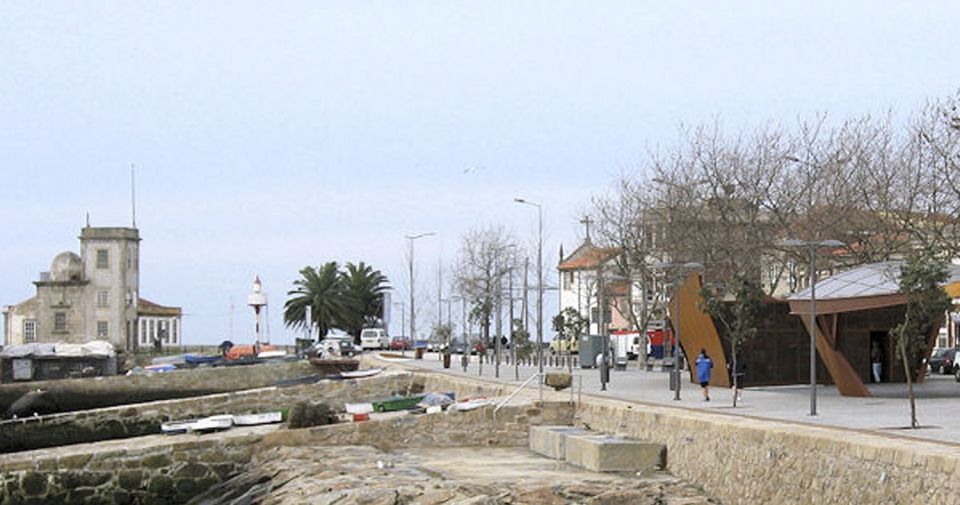
One of the most practical parts of a short bike tour is knowing what to pay attention to. This route does that with a steady rhythm of photo-worthy stops.
You’ll pass Fonte da Cantareira, a fountain that’s easy to overlook on foot but memorable once you’re rolling past it. Then comes Lighthouse of São Miguel-o-Anjo, where the light-and-river vibe makes for instant Porto atmosphere. These spots work well because they give you visual anchors—so when you later wander on your own, you recognize the places you already rode through.
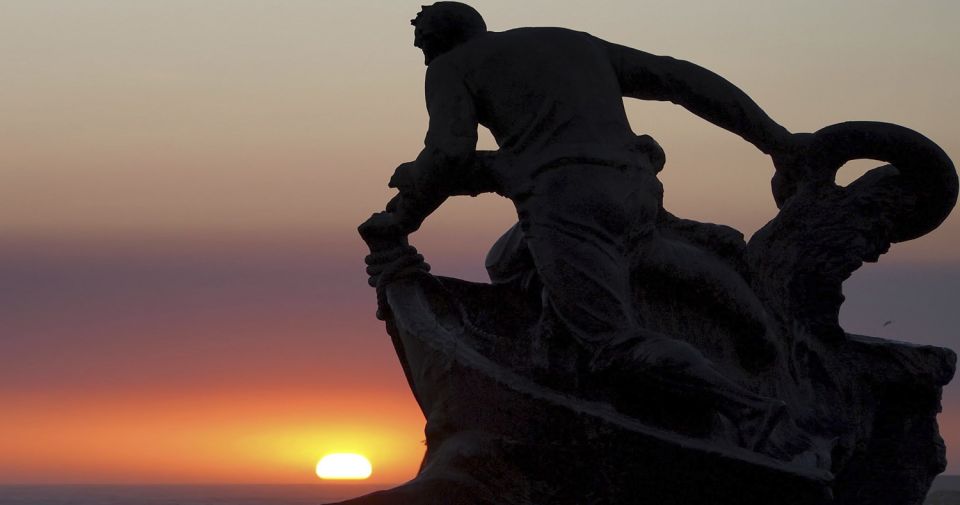
You’ll also pass the Monumento aos Tripeiros, which is a reminder that Porto isn’t just scenery. It has food culture and local traditions tied to everyday life. A good guide can turn that into a story you’ll actually remember on a second day in town.
The general pace stays relaxed. The bike makes it feel like you’re sightseeing, not commuting. If you want deep reading on each site, this isn’t that format. If you want orientation plus highlights? It fits perfectly.
Passeio Alegre and the Sea Side: Garden Views Without the Crowds
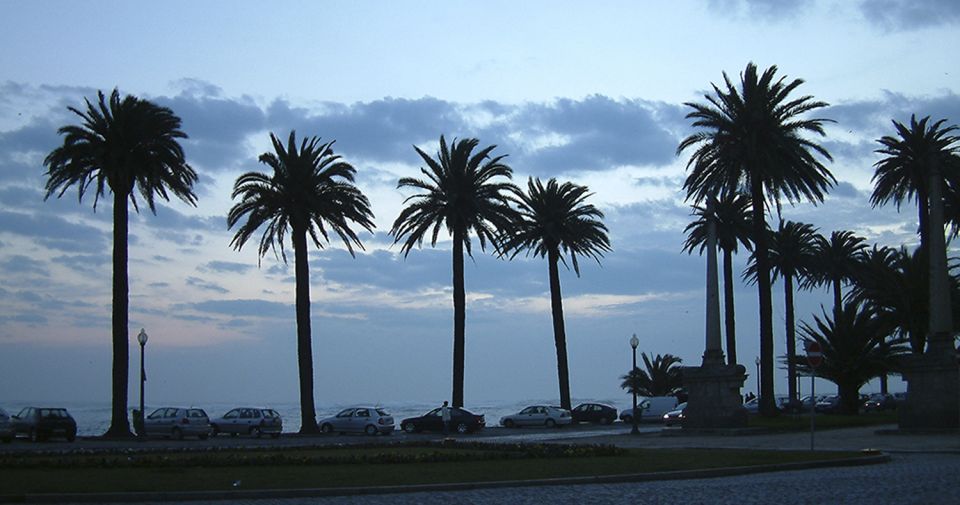
Next, the ride shifts toward the coast-adjacent scenery with Jardim do Passeio Alegre. This garden stop is a smart “breather” because it connects the city rhythm to ocean air. The views feel like a reward for pedaling, not just a checkmark on a list.
As you continue, you pass by Felgueiras Lighthouse and roll toward seafront stretches like Homem do Leme beach. Then you reach Castelo do Queijo (Cheese Castle). Even from a moving pass, it has presence. It’s the kind of landmark that makes you slow down a bit mentally, even if you’re not stopping long.
This stretch is also where you start to feel why biking beats other transport. You’re not stuck inside a vehicle. You can look around, stop for a quick photo, and still keep your momentum. That matters on a three-hour tour.
Porto City Park to Serralves: Green Space That Doesn’t Feel Like Detour Time
You’ll ride through Parque da Cidade do Porto and Pasteleira Park, and this is where the tour earns its “easy” reputation. Parks here function like a shortcut through the city—less traffic noise, more open paths, and a better sense of space.
You’ll also pass Museu do Porto – Reservatório and head toward Jardim do Cálem. The route is designed so you’re not stuck riding the same roads twice. Instead, you get changing scenery while staying on bike-friendly pathways.
A highlight area you might notice along the way is Serralves Garden / Contemporary Art Museum. Even if you don’t enter buildings, the framing is worth it. The architecture and landscaping combination gives Porto a more modern layer, and it helps break the “old town only” feel.
If you like having a plan, this section does it. You get nature breaks while still hitting major sights.
You can also read our reviews of more guided tours in Porto




Bridges and River Views: How the Route Builds Momentum
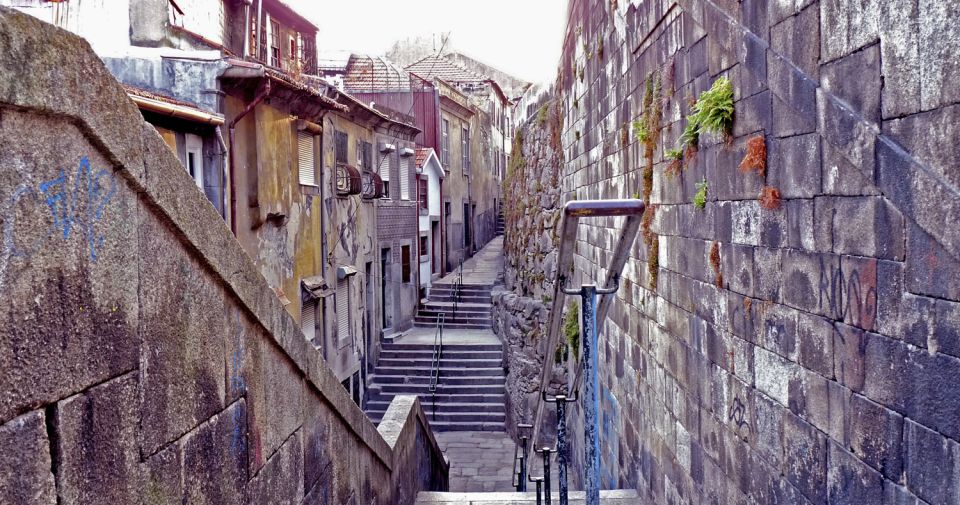
Porto’s bridges can be intimidating from a walking plan. On a bike, they become scenic segments.
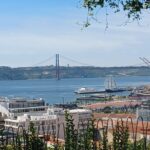
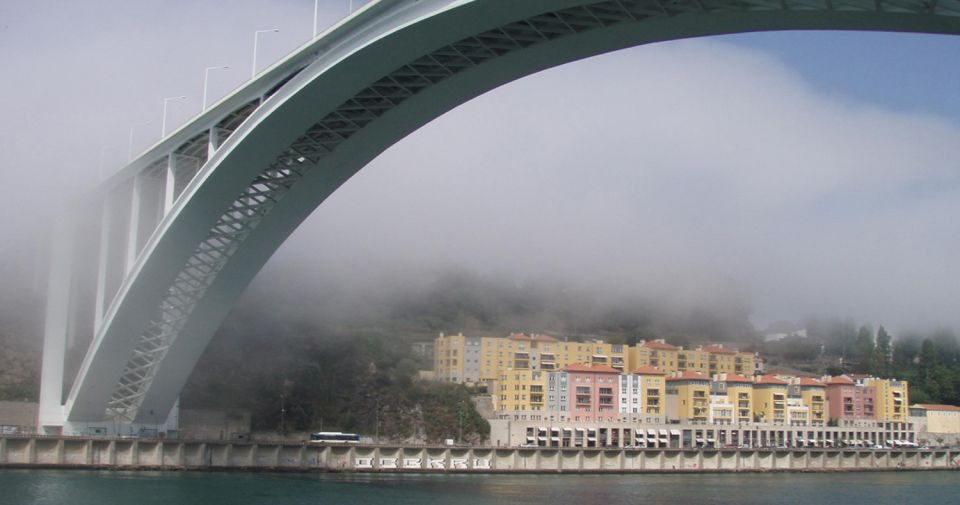
The route includes Arrábida Bridge, which is a major viewpoint moment. You’re not just crossing—you’re seeing the river from a moving perspective, which is usually the best way to understand how Porto and Gaia relate to each other.
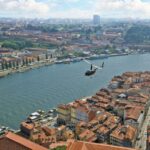
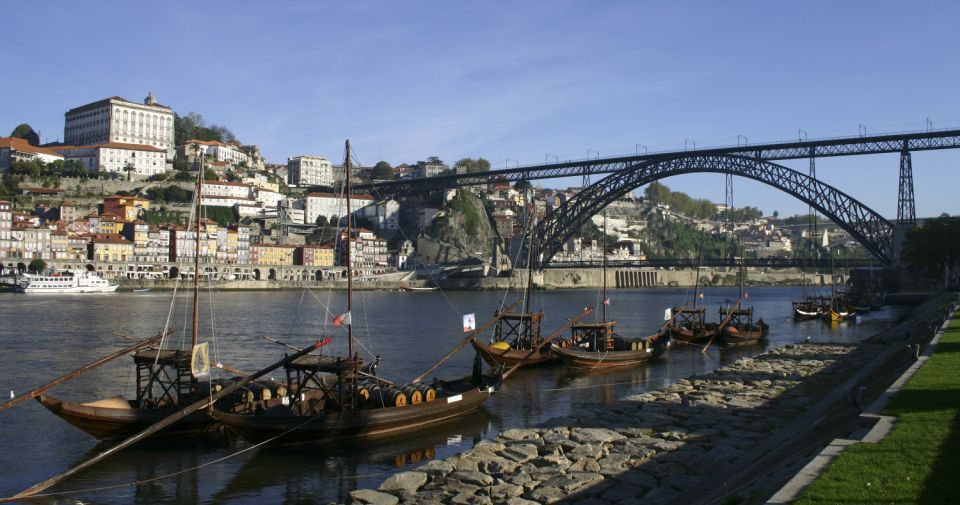
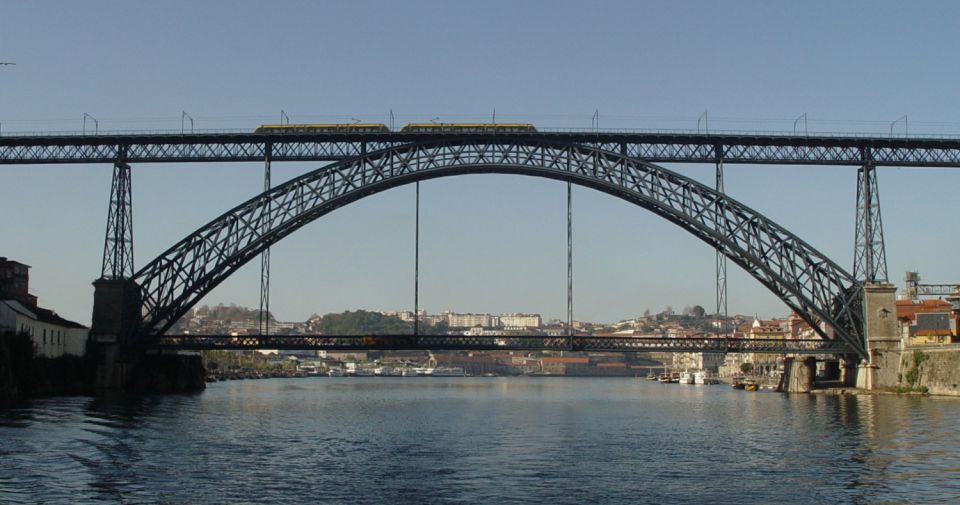
You also pass Luís I Bridge and S. Francisco Church, both part of the river-and-city visual story. The guide’s role is important here. In a short window, they can connect the dots—why these places are placed where they are, and how they shaped the city’s rise.
Then you finish the “Porto-side” loop with the Parish of Miragaia area and the riverside energy that first brought you to the bike route.
Foz to Matosinhos: Breakwater Views and Beach-Air Reward
Here’s where the tour turns into a mood shift. You head toward Foz do Douro Breakwater and the Foz beaches. The breakwater area is great because it gives you a horizon line that feels wide even in a city. On a bike, you’re close enough to feel the salt air, but not stuck with beach-walk time.
From there, you continue toward Matosinhos beaches. That beach-to-city contrast is exactly why this tour works for first-timers. You still get Porto’s classic landmarks, but you also get the ocean-side personality that many people miss on short stays.
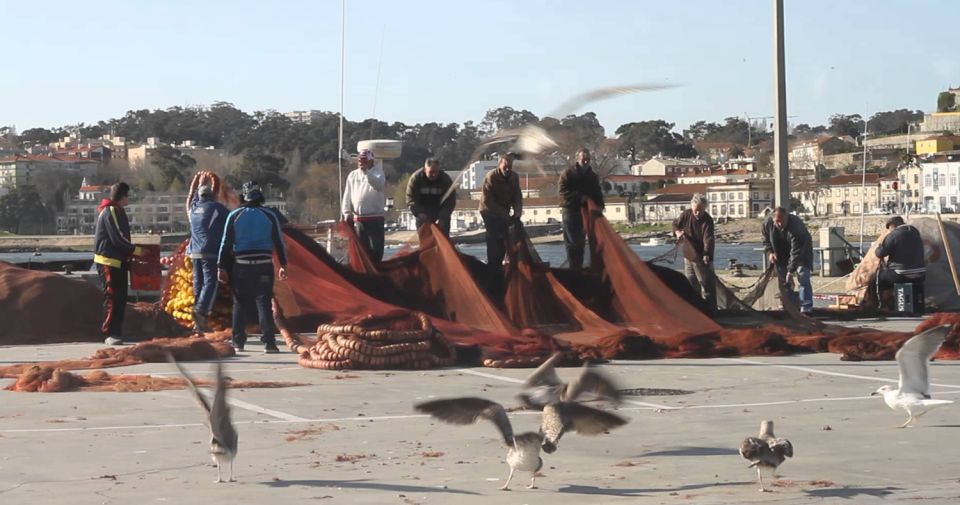
You may also encounter bird-oriented scenery linked to the Natural Reserve of the Douro Estuary / Bird Observatory. This part of the route is more about the environment than a single photo. If you like watching activity—birds, people fishing, the general estuary rhythm—it adds a calmer, more nature-focused note to the ride.
What Bike Comfort Feels Like on This Tour
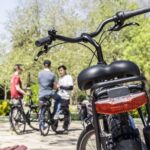
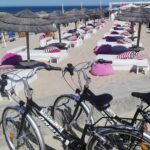
This tour’s comfort formula is pretty clear: new EU-quality city bikes, a helmet you get for use, and a 3-gear hub that helps you manage speed without wrestling the bike. For most people who can ride confidently, it stays “comfortable work,” not a workout disguised as sightseeing.
The route is described as mostly on cycle paths through parks and other pedestrian areas. That matters because Porto can be hilly in spots, and cycling on shared urban streets can be stressful if you’re not used to it. Here, the planning focuses on keeping you on smoother, calmer routes.
You’ll also get bottled water and a fruit piece included. That’s practical on a coastal ride where sun and wind can sneak up on you.
Tip: bring sunscreen and your camera. You’ll want both, especially around lighthouse areas and garden viewpoints where the light tends to look good quickly.
Price and Value: Why $57 Makes Sense for a 3-Hour Private Ride
At $57 per person for about three hours, the value comes from what’s bundled and what’s saved.
You’re not paying extra for the bike, helmet, or guide time. You also get bottled water and fruit. On a private tour, that matters because the guide can slow down for questions, adjust pacing, and keep you on the best parts of the route without you mapping everything yourself.
Private touring is also where bikes pay off. If you tried to do this on your own without a plan, you’d likely spend time figuring out routes, worrying about where bike lanes actually are, and backtracking. This tour already stitches the city together into one smooth loop.
If you’re traveling with kids, the setup can be a good fit too, since the bike sizes can accommodate smaller riders (at least based on family experience reported in feedback).
Best For Who: The Riders Who’ll Love This Most
I’d book this tour if you want a short, guided way to cover Douro waterfront + Porto City Park + beaches without turning your trip into a transportation project. It’s ideal for first-timers, couples, and anyone who likes having highlights chosen for them.
It’s also a strong choice if you prefer a low-key ride with landmarks that make sense as you go. You’ll get context, but it won’t feel like a textbook. The guide’s job is to help you understand what you’re seeing while keeping the ride fun.
You might choose another option if you want long museum time or slow, in-depth exploration. This is built for movement and views, with stops that are brief and photo-friendly.
A Simple Game Plan for a Great Ride
To get the best out of these three hours, I’d do four things.
First: arrive ready to pedal. If you’re a confident cyclist, you’ll enjoy the pacing right away. If you’re rusty, ask for a quick skills check before you start.
Second: don’t overpack your schedule. The value here comes from letting the route do the planning. You can always add a longer “on foot” day later for what catches your eye.
Third: expect a mix of passing views and a few short stops. That’s normal here and part of the efficiency.
Fourth: keep water handy even though it’s included. Porto’s sun and the coastal breeze can still dry you out if you’re not careful.
Should You Book This Porto Private Bike Tour?
If you want a fast, friendly way to see Porto’s river, parks, and sea side in one go, I think you should book it. It’s built for easy cycling, includes the important gear, and uses a route that prioritizes bike-friendly paths instead of stress.
The only real reasons not to book are if you don’t feel comfortable riding a bike, or if you’re picky about bike performance and want everything perfect with no chance of minor mechanical quirks. Even then, a quick gear/brake test at pickup is a smart move.
For most people, this is the kind of tour that makes your next day in Porto easier—because you’ll already understand where everything sits.
FAQ
What’s the duration of the Porto private bike tour?
The tour lasts 3 hours.
Where do we meet for the tour?
You meet at Biclas & Triclas – Porto Bike Tours and Rentals in Miragaia on the riverbank.
What languages are offered for the live guide?
The live guide can speak English, French, Portuguese, and Spanish.
Are bikes and helmets included?
Yes. The tour includes use of a bicycle and helmet.
What’s included in the price besides the guide?
Bottled water and a fruit piece are included, along with all taxes, fees, and handling charges.
Is it safe and easy for beginners?
It’s described as safe and comfortable for anyone who can ride a bike, and the route is mostly on cycle paths through parks and other pedestrian areas.