REVIEW · PORTO
Porto Old Jewish Quarters Half-Day Walking Tour
Book on Viator →Operated by AtWill, Lda. · Bookable on Viator
Porto turns Jewish streets into stories. This half-day walk uses the city itself as the “museum,” with strong guidance on Sephardic Jewish life in Porto and the dramatic tale of Captain Barros Basto, the 1920s Portuguese Dreyfus. I especially like how the route makes you look up and around as you learn, and I also like the feel of a private group with a real guide to pace the hilliness. One possible drawback: the actual synagogue area isn’t part of this tour, and the synagogue itself is currently closed to visitors, so you’ll be working more with narratives than with preserved buildings.
You start at Porto Cathedral and finish near Cordoaria, spending about three hours in the historical center. The vibe is part walking tour, part historical reflection, which matters because the physical traces of Porto’s Jewish past are limited. If you want lots of standing sites and photo ops, this one may feel thinner than you hoped.
In This Review
- Key things I’d plan around
- Why Jewish Porto Is Told Through Streets, Not Synagogues
- Start at Porto Cathedral: Terceiro da Sé and the 12th-Century Anchor
- Stop 1: Catedral do Porto and the Elusive Synagogue Footprint
- Miradouro da Vitória: The Viewpoint That Explains the Neighborhood
- The Captain Barros Basto Story: Why It Hits
- Walking in Porto’s Hills: Comfort Tips That Actually Help
- Price and Value: What You’re Paying For at $60
- Timing, Duration, and the Best Way to Enjoy It
- Who This Tour Fits Best (and Who Might Skip)
- Quick Practical Planning Checklist
- FAQ
- How long is the Porto Old Jewish Quarters half-day walking tour?
- Where does the tour start and end?
- Is hotel pickup included?
- Is the synagogue included on this tour?
- Are tickets included for the stops?
- What walking level should I expect?
- What languages is the tour offered in?
- Can I get a full refund if my plans change?
- Should You Book This Tour?
Key things I’d plan around
- Private guide, small-group feel: it’s for your group only, with time to ask questions while you walk.
- Captain Barros Basto story: you’ll hear why he’s often compared to the Portuguese Dreyfus case.
- Two major viewpoints: the walk ties together a 12th-century synagogue footprint area and the last key Jewish-quarter lookout.
- Moderate hills: you’ll earn your views, and you’ll want comfortable shoes and water.
- Synagogue is not visited here: the synagogue area is not part of this route, and it’s closed anyway.
Why Jewish Porto Is Told Through Streets, Not Synagogues
Porto’s Jewish story is still here, but it’s mostly in layers. The city grew over earlier eras, and long periods of Christian dominance and the expulsion order of 1496 changed what could survive in plain sight. That is exactly why a guide-driven walk matters: you’re learning how to read the city, not just hunt for obvious artifacts.
This tour leans into that reality. Instead of promising a big synagogue visit, it helps you connect what you see today to the lives that played out in these neighborhoods centuries ago. You’re basically training your eye for history you can’t always physically touch.
If your goal is to understand how a community can be erased and still leave fingerprints, this is the right approach. Just go in knowing that the “evidence” will often be interpretive: documents, stories, and the geography of old streets.
You can also read our reviews of more walking tours in Porto


Start at Porto Cathedral: Terceiro da Sé and the 12th-Century Anchor
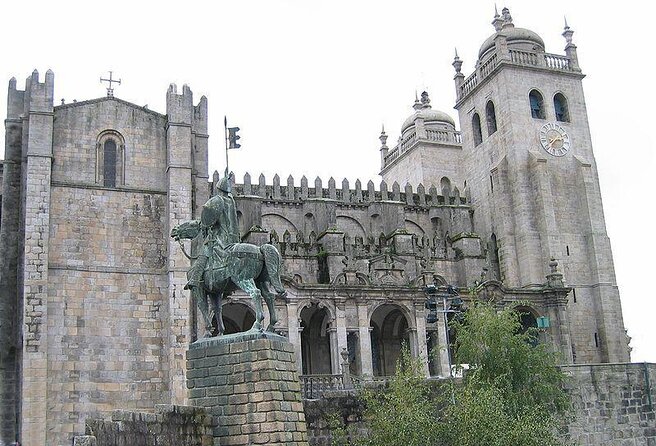
The meeting point is Porto Cathedral, Terreiro da Sé (4050-573 Porto). Arrive a little early so you’re not rushing at the start while you’re trying to get your footing on uneven old-city sidewalks.
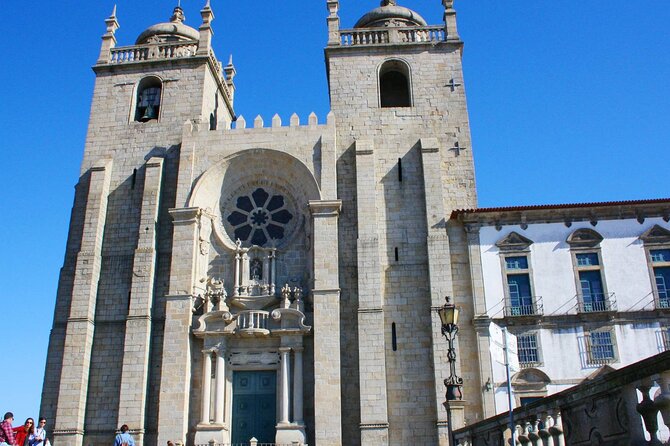
From the jump, the tour sets a theme: this part of Porto ties back to early Jewish presence in the city. The cathedral area is where the first synagogue in Porto is associated with a 12th-century presence, even though you won’t see a preserved synagogue structure. That can sound anticlimactic if you’re expecting stones you can point to, but it’s also the point. You’re learning how historians connect timelines to locations.
What I like about starting here is the way it sets your mental map. Once you’ve got the cathedral area in your head, the rest of the walk makes more sense as a shift through the old quarters.
Stop 1: Catedral do Porto and the Elusive Synagogue Footprint
Stop one is Catedral do Porto, with about 30 minutes on site. The ticket for this stop is listed as free, which is nice for a first stop because it keeps the mood relaxed.
Here’s the key practical takeaway: the synagogue story at this point is not about a functioning building you can tour. It’s about place-based context—understanding where the first synagogue is believed to have been and how the neighborhood developed around older community life.
So what do you do in 30 minutes? You listen, you look, and you ask questions. A strong guide will help you connect the idea of a community being physically covered over by later construction. That helps you appreciate why later centuries can feel like gaps rather than continuous monuments.
One more thing: the tour notes the synagogue is currently closed to visitors, and the route won’t go into the synagogue area. If that’s a must for you, you should look for a different option.
Miradouro da Vitória: The Viewpoint That Explains the Neighborhood
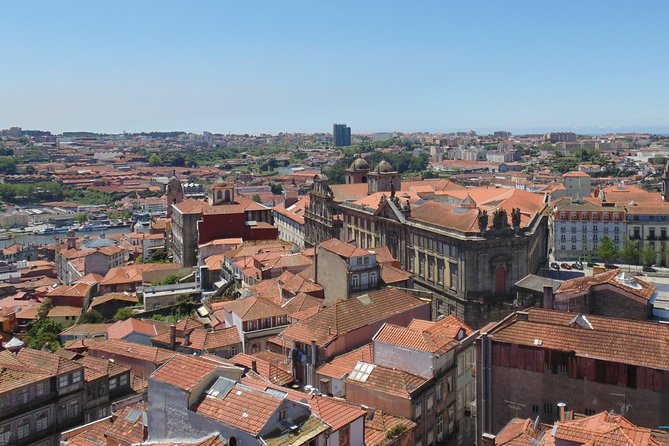
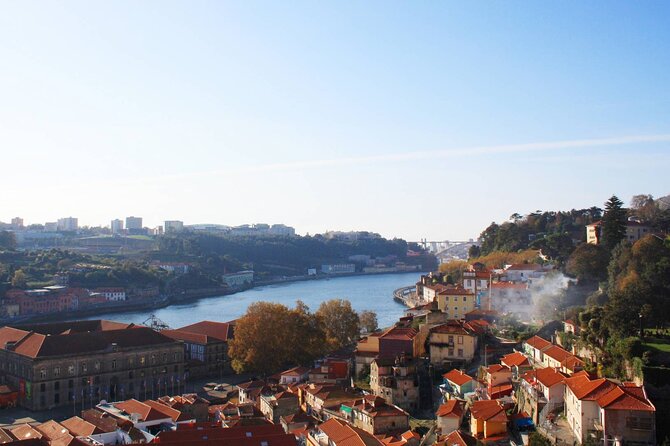
Next is Miradouro da Vitória, about 20 minutes. Admission is again listed as free, so you’re spending time on thinking, not paying.
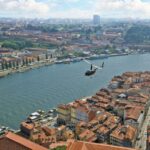
This stop matters because it’s tied to the last and most important Jewish quarter Porto had. A viewpoint is a smart tool for this kind of tour. When you can look out over the slopes and the street lines, you start to understand why neighborhoods clustered where they did, how daily movement worked, and how “up” and “down” shaped life.
The Jewish quarter is not something you’ll likely find as a single intact district with clear boundaries. Instead, you’ll experience it as a geography of old Porto: streets that twist, hills that separate areas, and the practical routes people used over generations. When the guide points out spatial clues, the story feels more grounded.
If you tend to get impatient with viewpoints, treat this as a short history lecture with a visual aid. This stop is where the tour often clicks.
The Captain Barros Basto Story: Why It Hits
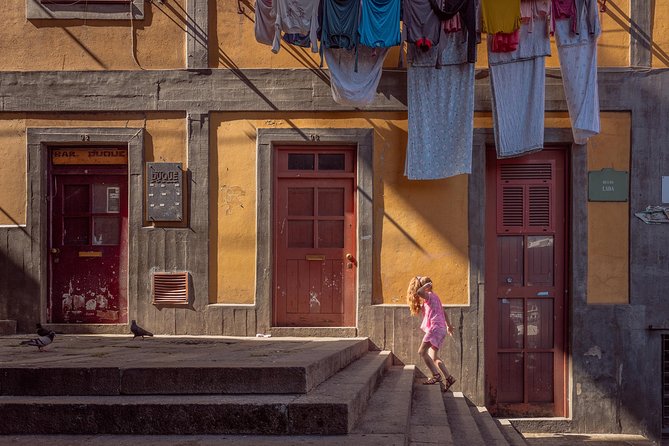
A major highlight is the tale of Captain Barros Basto, often described as the Portuguese Dreyfus of the 1920s. This isn’t just a character name to sprinkle in. It’s a dramatic lens for understanding how Jewish life wasn’t only ancient and distant—it could be modern, public, and contested.
Stories like this give the tour teeth. Porto’s Jewish history can feel abstract when you only think in terms of centuries and dates. Barros Basto brings it into focus: you get a sense of how communities dealt with pressure, accusation, and the politics of identity.
I like this part because it changes how you read the city after the walk. You’ll start noticing how history is never only about buildings. It’s also about people fighting for dignity under changing rules.
You can also read our reviews of more tours and experiences in Porto




Walking in Porto’s Hills: Comfort Tips That Actually Help
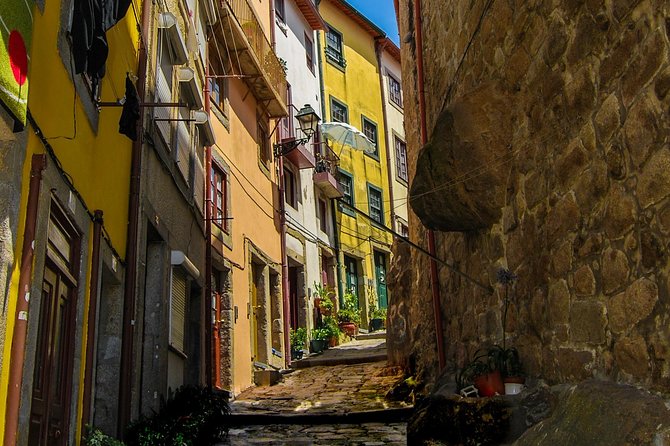
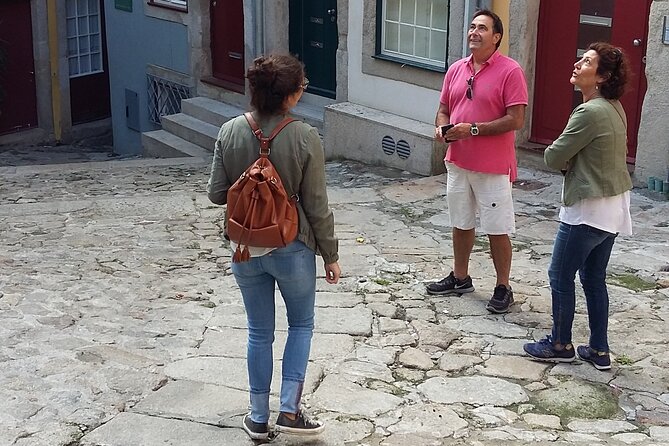
This tour involves a medium amount of walking, and Porto’s terrain is not subtle. You’re moving through the historical center only, so expect the kind of uphill that makes you wish you had brought lighter shoes and a longer tolerance for sweat.
A practical detail from the experience style: guides have helped people manage the steep sections with routes that are less punishing, and in at least one case that included outside escalators to reduce the grind. Still, be realistic. If hills slow you down, plan for a slower pace and build in water breaks.
Two other practical considerations based on what’s been experienced on similar walks:
- Bring water, especially in summer. One tour note specifically called out hot conditions and the need to plan for it.
- Toilets may not be convenient on route. If that’s important for you, go before you start and pack a little buffer into your timing.
Also, the tour operates in all weather conditions, so dress for rain or heat. Porto can shift fast, and you don’t want to spend the last part of the walk irritated from discomfort.
Price and Value: What You’re Paying For at $60
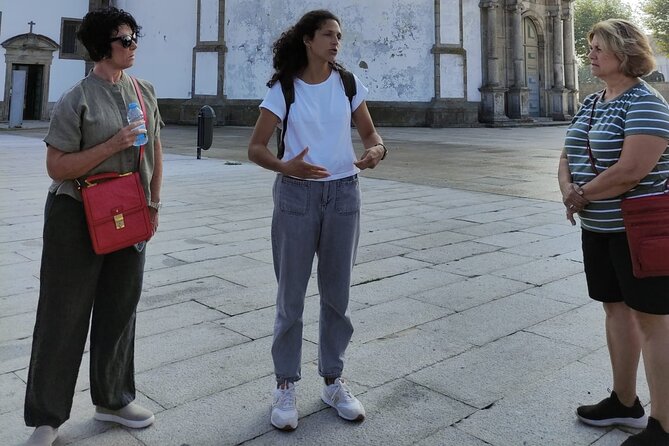
At $60.01 per person for roughly 3 hours, the value comes from the structure: you’re buying a guided explanation of a topic with very limited physical signage.
This isn’t a “see 10 monuments” outing. It’s a “learn how to see the city” experience. That’s why the guide quality matters here. In feedback, people talked about guides such as Luigi, João, and Benedita and how they managed questions and pacing—especially for the hills and for people who wanted more conversation about past, present, and future.
You also get a private group format, which can be a big deal in Porto’s old streets. The guide can keep the pace aligned with your group, choose walking lines that reduce steep sections, and spend time clarifying rather than racing you along.
Group discounts exist, which can make it friendlier if you’re going with others. But even as a solo traveler, the price can make sense if you care about context and you’re comfortable with a narrative-heavy style.
If you’re expecting a straightforward “synagogue visit and photos,” you’ll feel the mismatch quickly. If you’re expecting story-led city reading, you’ll likely feel it was worth it.
Timing, Duration, and the Best Way to Enjoy It
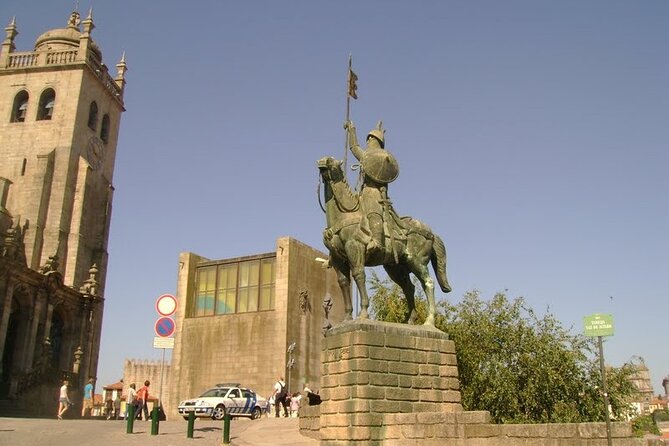
The tour runs about 3 hours. That’s long enough to cover the two core stops and still talk, but short enough that you’re unlikely to feel trapped in a rigid schedule.
Here’s how to make it land:
- Start with curiosity. Ask early questions about what you’re not seeing. With Jewish Porto, what’s missing is part of the lesson.
- Keep an eye on direction. The walk is within the historical city center, from the cathedral area down toward Cordoaria. If you know you’ll struggle uphill, ask the guide about routes that minimize steep stretches.
- Save your hardest questions for the middle. The viewpoint stop is often when guides have the easiest time explaining geography because you can actually look around and follow the logic.
Also, because confirmation happens at booking time and the tour runs in all weather, treat it like an outdoor walk that needs your practical planning, not like a museum ticket you can ignore.
Who This Tour Fits Best (and Who Might Skip)
This works best if you:
- care about Jewish history as lived experience, not only as buildings
- enjoy walking tours where the guide helps you interpret a place
- like stories that connect medieval and early modern realities to more recent identity struggles, like Captain Barros Basto’s case
It may not fit if you:
- specifically want a synagogue visit during the tour
- need a lot of physical remains to feel satisfied
- dislike uphill walking even at a “medium” level
There’s a useful reality check here. The physical Jewish heritage in Porto is not abundant in visible, standing form. The tour takes that limitation and turns it into a thoughtful exercise in reading the city’s layers.
Quick Practical Planning Checklist
If you book, I’d come prepared like this:
- Comfortable shoes for old sidewalks and hills
- water for warm weather
- weather-ready clothing since it runs in all weather
- a mindset that the story is the main attraction, not a preserved synagogue interior
If you’re traveling with kids, note that they must be accompanied by an adult. And if you need public transit access, the route is noted as near transportation.
FAQ
How long is the Porto Old Jewish Quarters half-day walking tour?
It runs about 3 hours (approximately).
Where does the tour start and end?
It starts at Porto Cathedral, Terreiro da Sé, 4050-573 Porto, Portugal, and ends in Cordoaria, 4050-598 Porto, Portugal.
Is hotel pickup included?
No, hotel pickup and drop-off are not included.
Is the synagogue included on this tour?
No. The tour does not visit the synagogue area, and the synagogue is currently closed to visitors.
Are tickets included for the stops?
Admission is listed as free for both Catedral do Porto and Miradouro da Vitoria. The tour also notes that entrance fees can be at your own expense, if any paid entries apply.
What walking level should I expect?
The tour involves a medium amount of walking, and it’s best for travelers with moderate physical fitness due to hills.
What languages is the tour offered in?
It’s offered in English.
Can I get a full refund if my plans change?
Yes. You can cancel up to 24 hours in advance for a full refund.
Should You Book This Tour?
Book it if you want a focused story-first walk that teaches you how to read Porto as a layered city. The Captain Barros Basto story alone gives the history a human spine, and the combination of cathedral-area context plus the Miradouro da Vitória viewpoint helps you understand where the old Jewish community mattered in the city’s geography.
Skip or rethink if you’re coming mainly for a synagogue visit and proof in stone. Since the synagogue area isn’t part of this route and the synagogue is closed, this is not the best match for that specific goal.
If you’re happy to trade perfect photo locations for better understanding, this tour is likely to leave you walking around Porto afterward with a sharper eye and a calmer sense of how the past survives.