REVIEW · PORTO
Porto: Half-Day Jewish Tour
Book on GetYourGuide →Operated by AtWill · Bookable on GetYourGuide
Porto has Jewish clues in plain sight. I love the street-level clues the guide points out—toponymic hints and archaeological traces—linking them to Porto’s Sephardic past. I also like the way the tour moves from major landmarks like Clérigos Tower to quieter riverfront streets, so you end with both context and a sense of the city.
It’s a walking tour with a moderate pace for about three hours, so it’s not a great fit if you have low fitness or mobility limitations. You’ll still find the experience worthwhile, just come ready to keep moving and dress for changing weather.
In This Review
- Key highlights worth your attention
- Why Porto’s Jewish story shows up everywhere
- Starting at Sé Cathedral: Vimara Peres and a quick orientation
- Ribeira to Miragaia: following clues through working-city streets
- Miradors and monasteries: Parque das Virtudes to São Bento da Vitória
- Clérigos Tower and the city skyline: where the guide ties power to place
- Kadoori Mekor Haim and the Israeli community: past pressure, present identity
- Barros Basto: the Portuguese Dreyfus story in plain terms
- The guide makes or breaks it (and the reviews back that up)
- Price and logistics: is $75 for 3 hours good value?
- How much walking is actually involved?
- Who should book this Porto Jewish quarter tour
- Should you book the Porto Half-Day Jewish Tour?
- FAQ
- Where does the Porto Half-Day Jewish Tour start?
- How long is the tour?
- Is the tour in English?
- Is it a private group?
- How much walking is involved?
- Does the price include entrance fees?
- What happens if the weather is bad?
- Is there free cancellation?
Key highlights worth your attention
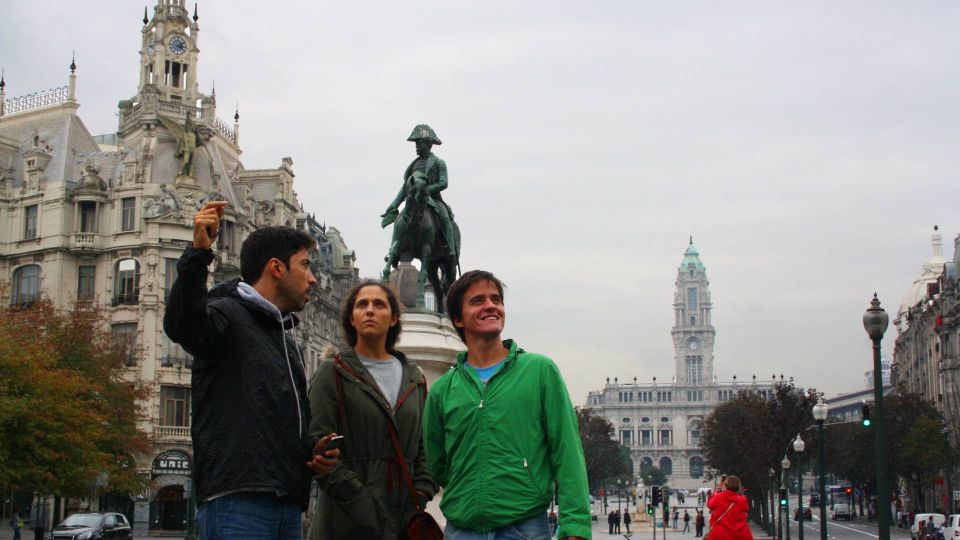
- Sephardic legacy on the street: You don’t just hear dates; you track traces that survived in names and sites.
- Big monuments, small streets: You pair iconic Porto views with off-the-main-road moments.
- Real historical pressure points: You’ll learn how the Inquisition and persecution of new Christians shaped Jewish life.
- Modern Jewish presence matters: The tour includes the Israeli community and Kadoori Mekor Haim Synagogue.
- Barros Basto, explained clearly: You learn the Portuguese Dreyfus story and why it matters in Portuguese memory.
Why Porto’s Jewish story shows up everywhere
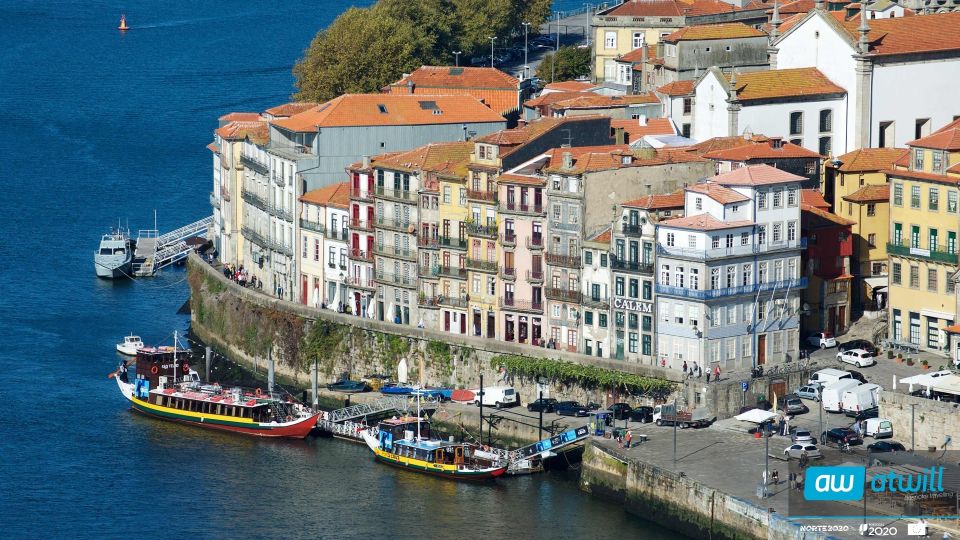
Porto’s Jewish past isn’t locked away in a museum. It’s written into the city’s fabric—street names, the way neighborhoods connect, and the surviving marks that a guide can point out while you’re walking. That is the real hook of this tour: it teaches you to see what you’d otherwise pass by.
The focus is on the Sephardic thread in particular, plus what happened after the 1496 King’s expelling order. Then the story tightens around the Inquisition and the persecution of the “new Christians,” including how Jewish traditions were kept under pressure for generations. I like that the tour doesn’t treat this as a single dramatic chapter. It connects the timeline so you understand why people adapted, hidden practices, and how memory survived.
You also get a present-day bridge. You learn about the Israeli community and the Kadoori Mekor Haim Synagogue, so the past doesn’t sit like a closed book. It becomes a living story about identity in Porto, not just a tragic footnote.
You can also read our reviews of more tours and experiences in Porto


Starting at Sé Cathedral: Vimara Peres and a quick orientation
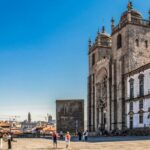
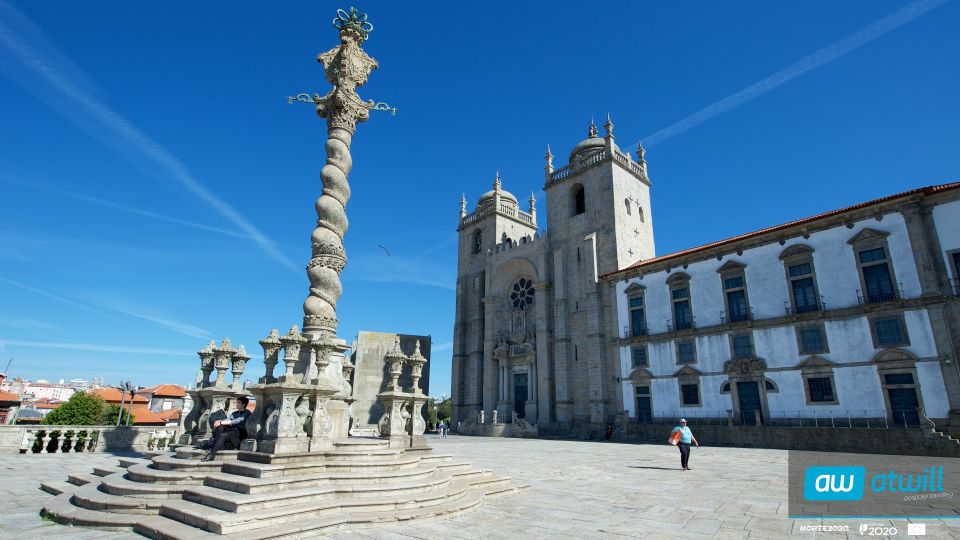
The tour starts at Sé Cathedral (Terreiro da Sé), right by the Vimara Peres statue. This is a smart starting spot because it anchors you in central Porto. You begin with orientation: where you are, how the old city connected, and why this area matters when you trace a community through time.
From there you walk toward Largo do Terreiro, with a guided segment that’s short enough to keep the pace friendly but long enough to set context. Your guide uses this early time to frame the tour: the kinds of traces you’ll be looking for, and the way Jewish life in Porto evolved and was squeezed over time.
Next you move on toward the Ribeira area. Even if you already know Ribeira for river views and classic Porto scenes, the guide helps you see it differently—less postcard, more “this is where neighborhoods and daily life overlapped.” You’re building a mental map while you walk, so later stops land better.
Ribeira to Miragaia: following clues through working-city streets
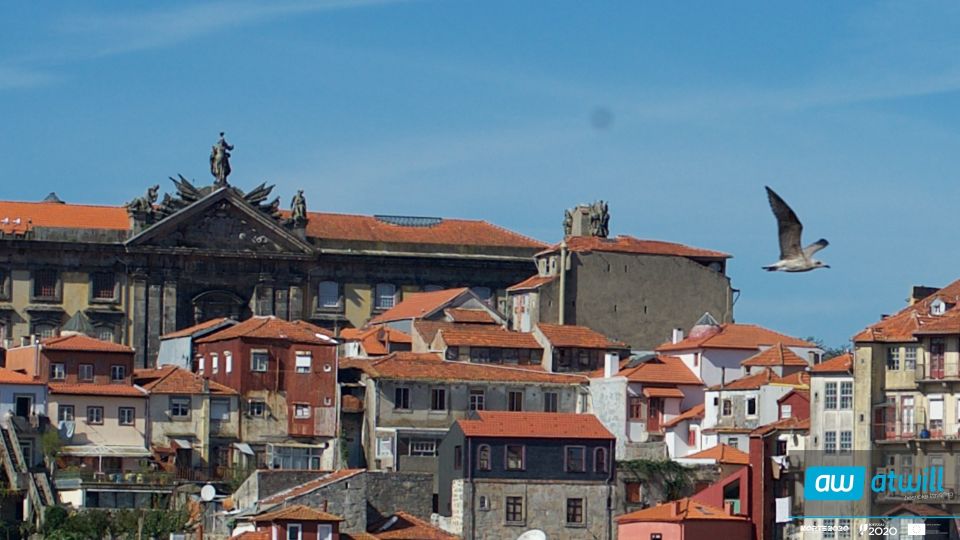
The stretch from Ribeira to Miragaia is where the tour starts feeling like a true neighborhood walk. The Ribeira segment is guided and built around sightseeing, not just transit. You’re in the old-city zone where history is layered by everyday life, which is exactly what this experience is designed for.
Then comes Miragaia, another guided pause. This part matters because Jewish history in Porto is not one building and one plaque. It’s a network of places—homes, community spaces, and later areas where people tried to live on while practicing under threat. The guide points out toponymic and archaeological trace elements that have endured, so you’re learning how “invisible history” can still be visible if you know what to look for.
Even the walking time helps you. Each segment is broken into manageable chunks, and the guide keeps the story moving so you don’t end up with facts but no place in your head. If you’re the type who likes to understand how cities work, this is a strong fit.
Miradors and monasteries: Parque das Virtudes to São Bento da Vitória
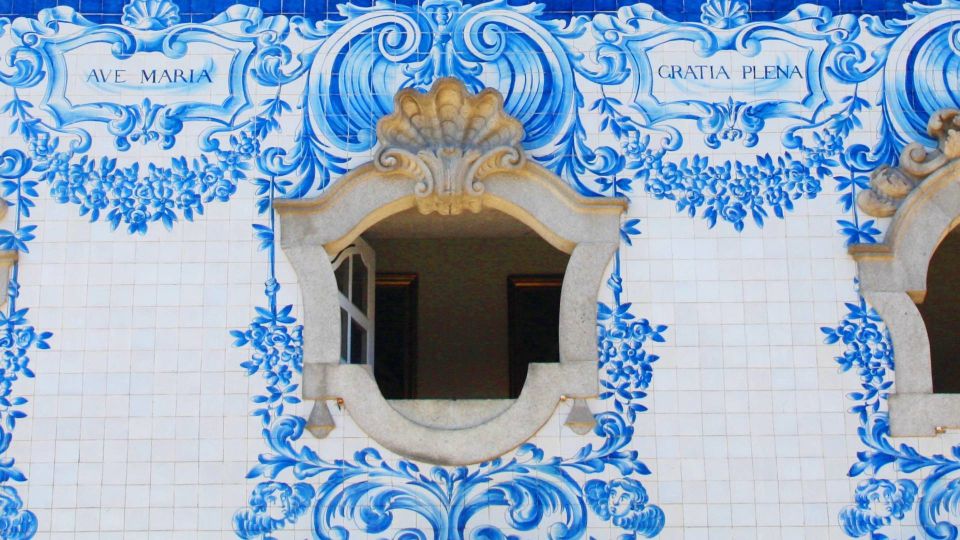
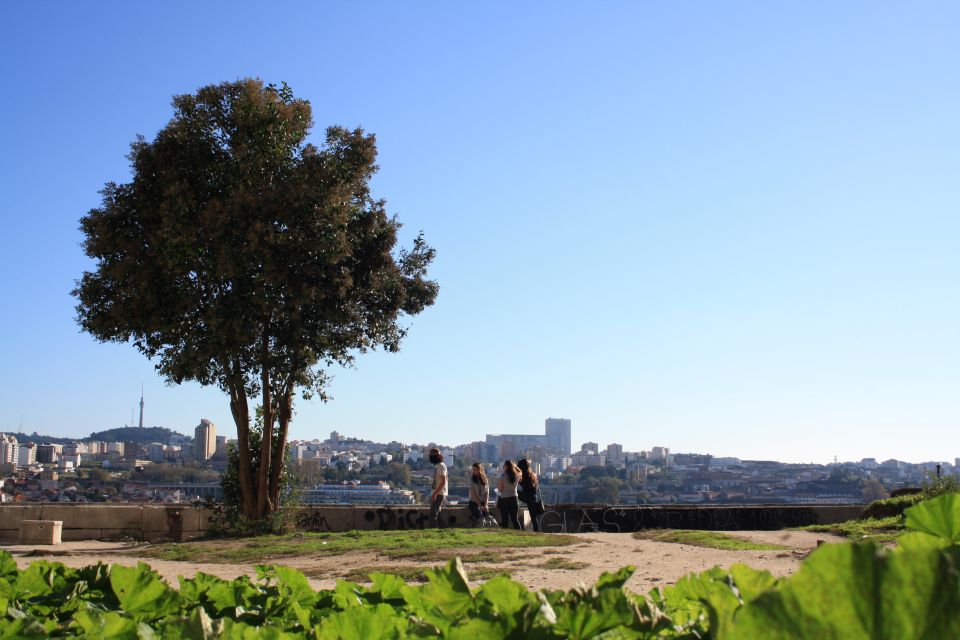
After Miragaia, you head toward Parque das Virtudes. This is one of those Porto stops that turns “historical talk” into something you can physically breathe with: a scenic pause and a viewpoint moment on the way. If you’re traveling in warmer months, a viewpoint stop also gives your brain a reset, which matters on a three-hour walk.
From there you pass Mosteiro de São Bento da Vitória. Even if you don’t go inside (entrance fees aren’t included), passing a major monastery is still useful here. It helps you compare institutions of faith and power across eras. And since the tour covers the Inquisition and persecution, the city’s religious architecture becomes part of the conversation—how belief, authority, and public life collided with hidden private practice.
One practical note: this is a tour that operates in all weather conditions. That means your “scenic” moments might be sunny or might be dramatic. Either way, plan for it and dress for what you’re actually walking through.
Clérigos Tower and the city skyline: where the guide ties power to place
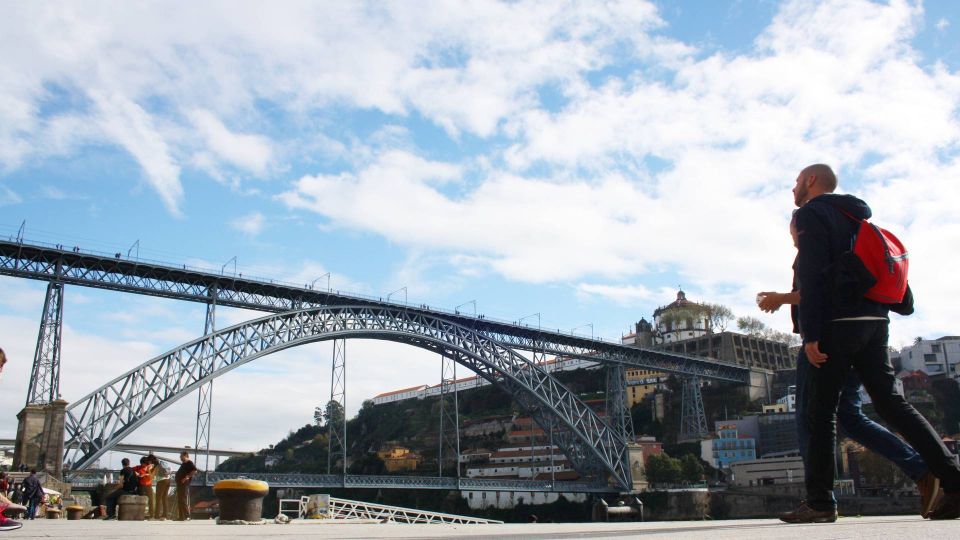
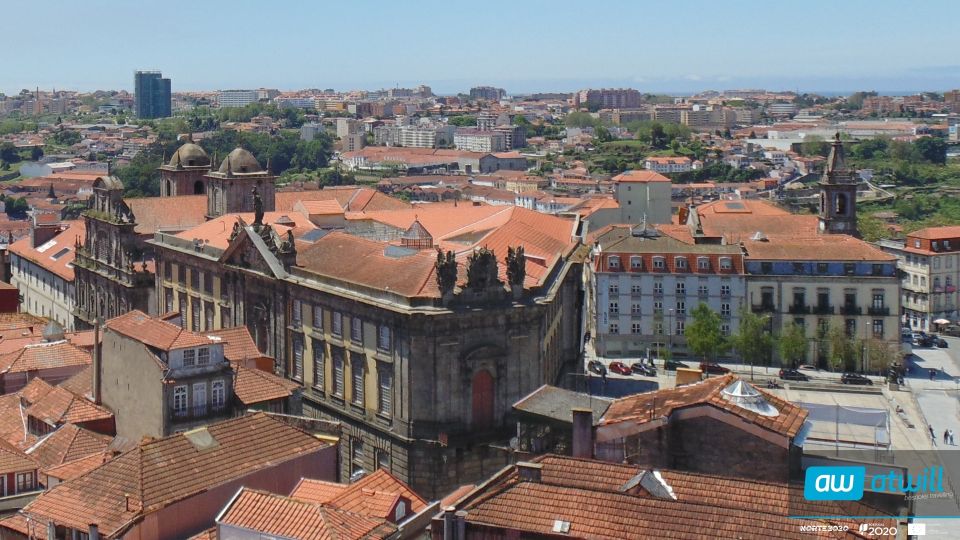
The tour includes a guided pass by Clérigos Tower. This is classic Porto—big, recognizable, and impossible to ignore. What makes it valuable in a Jewish-quarter-focused tour is the framing. You’re not just seeing a pretty landmark. You’re watching how city power and visibility work in the skyline while you learn about eras when survival often required discretion.
When you hear about the 1496 expelling order and later persecution of new Christians, it changes how you read a skyline. Suddenly the question isn’t only what happened, but where public life was happening and where people could (or couldn’t) be seen. The guide’s job is to make that connection for you while you’re standing in the middle of the city where those forces played out.
This stop is also a good anchor point for photos. Clérigos Tower gives you a clear “I’m in Porto” marker, and the rest of the walk feels more grounded after you’ve got that visual reference.



Kadoori Mekor Haim and the Israeli community: past pressure, present identity
Near the middle-to-late part of the walk, the tour covers the Jewish Quarter themes and brings in the modern thread: the Israeli Community and Kadoori Mekor Haim Synagogue. The important detail here is what that inclusion does to the story.
If you only learn about expulsion and forced conversions, you can leave with a heavy, one-note feeling. Here, you also learn how Jewish life continued and re-formed over time. You connect older Sephardic legacy with later community identity and the existence of today’s Jewish institutions. That helps you understand that the story did not end with persecution.
Just keep expectations practical: entrance fees aren’t included, so you’re likely learning through the guide’s explanations and your position in the neighborhood rather than treating this as a ticketed interior visit.
Barros Basto: the Portuguese Dreyfus story in plain terms
One of the most distinctive elements of this tour is Captain Barros Basto—the Portuguese Dreyfus. The name can sound like trivia until your guide connects it back to the larger Portuguese story of discrimination, identity, and the struggle to keep truth visible.
This is where the tour often becomes more than local history. Because once you understand the stakes of persecution and forced secrecy, you start seeing why someone like Barros Basto matters. He represents a push against erasure—someone who fought for recognition when the official story had a tendency to overwrite reality.
If you’re Jewish or have Sephardic ancestry, this section tends to land emotionally. If you’re just curious, it still works because it gives you a human entry point. The lesson is simple: behind big historical forces, real people pushed back, and their efforts left traces of their own.
The guide makes or breaks it (and the reviews back that up)
This is where the tour earns its high marks. The walking pace is manageable, but history-heavy tours live or die by the guide’s ability to explain without turning into a lecture.
In particular, I’d pay attention to the recurring praise for English-speaking guides such as João (sometimes listed as Jaoa), plus Carlota and Luigi. They’re described as friendly, patient, and flexible—able to slow down when you want to ask questions, and able to adjust when the weather gets too hot or unpleasant.
One detail I like in this kind of tour is that it’s not just “talk at you.” A good guide will guide your attention. You’ll hear explanations, then you’ll look at the street, square, or monument again with a new lens. That’s what turns a good walk into a memorable one.
Price and logistics: is $75 for 3 hours good value?
At $75 per person for about 3 hours, you’re paying for a professional English guide plus a structured walking route through major Porto sights and Jewish-quarter context. Entrance fees aren’t included, so the value comes from interpretation, not ticketed museum time.
For me, the value question is simple: do you want help reading the city? If yes, this price makes more sense. Without a guide, it’s easy to see Clérigos Tower and Ribeira and miss the “why” behind the Jewish legacy threads. With a guide, you’re actively learning while you walk, which stretches the time beyond what a self-guided walk would deliver.
One small consideration: the experience is advertised as a private group. Still, one past booking raised a concern about privacy not matching the expectation. If privacy is a must for you, it’s worth confirming what private means for your specific date.
How much walking is actually involved?
The tour includes moderate walking, and it’s not suitable for wheelchair users or people with mobility impairments. It also isn’t a match for low fitness.
Plan for a steady walk across central areas of Porto, plus multiple short guided segments. The upside is pacing: the route is broken into chunks (about half an hour at several points), so it’s not one long slog with no breaks. The downside is that you shouldn’t count on long seated pauses.
If you’re on the fence, be honest about your ability to keep moving for about three hours. This one is built around footsteps, not a mostly-stationary experience.
Who should book this Porto Jewish quarter tour
This is a strong choice if you:
- want to connect Porto’s city center monuments to the Sephardic legacy
- like history that you can see in street-level clues, not just in books
- are Jewish, Sephardic, or simply want to understand the Portuguese experience under persecution
- enjoy walking tours and want an English guide who can answer follow-up questions
It’s less ideal if you:
- need wheelchair access or have mobility limitations
- prefer short, minimal-walking tours
- want a museum-style visit with lots of interior time and fewer streets
Should you book the Porto Half-Day Jewish Tour?
Yes, if you want a guided way to read Porto. I like this tour because it doesn’t stop at tragedy or dates. It helps you spot what survived, explain why it survived, and then connect that past to the presence of Jewish community life today.
Book it especially if you enjoy tours where the guide teaches you to notice. The payoff is walking away with a mental map and a new way to look at places like Ribeira, Miragaia, Parque das Virtudes, and Clérigos Tower—now tied to a much deeper story.
FAQ
Where does the Porto Half-Day Jewish Tour start?
It starts at Sé Cathedral (Terreiro da Sé), next to the Vimara Peres statue.
How long is the tour?
The tour lasts about 3 hours.
Is the tour in English?
Yes, the live guide speaks English.
Is it a private group?
The experience is listed as a private group.
How much walking is involved?
There is a moderate amount of walking, so it is not suitable for people with mobility impairments, wheelchair users, or those with low fitness.
Does the price include entrance fees?
No. The tour includes the guide and walking tour, but entrance fees are not included.
What happens if the weather is bad?
The tour operates in all weather conditions, so dress appropriately for what you’ll face outside.
Is there free cancellation?
Yes. You can cancel up to 24 hours in advance for a full refund.