REVIEW · PORTO
Porto: Guimarães & Braga Tour with Entry Tickets and Lunch
Book on GetYourGuide →Operated by Cooltour Oporto · Bookable on GetYourGuide
Medieval Portugal in one long day. This day trip strings together UNESCO Guimarães and Braga’s most famous church landmarks in a tight, efficient schedule, with tickets and lunch handled for you. I especially like the small group setup (up to 8) and the guided time inside the big hitters, including Guimarães Castle and Braga’s Sé Cathedral. One heads-up: it’s a walking day, and the tour isn’t a good fit if you have limited mobility or need wheelchair access.
From Porto, you’ll ride out of the city and into Portugal’s early story—castle walls, cathedral stone, and the famous hilltop pilgrimage at Bom Jesus do Monte. I like that the pace is long enough to feel you truly arrived somewhere new, but not so long that you end the day worn out. If you’re expecting a super slow, lounging day, this isn’t it.
In This Review
- Key highlights worth planning for
- Porto to Guimarães and Braga: how the day actually flows
- Pickup, transport, and what the route means for you
- Guimarães first: medieval streets and the UNESCO feeling
- What I liked about the castle-and-town combination
- The drawback to plan for
- The guided Guimarães Castle visit: ticketed entry and real context
- Lunch in Guimarães: traditional food and Vinho Verde
- Braga Cathedral and the old religious capital angle
- Bom Jesus do Monte: the hilltop pilgrimage stop (and the stairs)
- How much time you really get at each site
- Price and value: what $123 includes (and why it feels fair)
- Guides: what you can expect from the best runs
- Who this tour is best for (and who should choose differently)
- Small practical tips before you go
- Should you book the Porto to Guimarães and Braga tour?
- FAQ
- How long is the Porto to Guimarães and Braga tour?
- Where does the tour start and where does it end?
- What’s included in the lunch?
- Are entrance tickets included?
- Is there a guided tour inside the main sites?
- How many people are in the group?
- What languages are the guides available in?
- Is luggage allowed?
- Is the tour suitable for wheelchair users or people with limited mobility?
- Is the tour free to cancel?
Key highlights worth planning for
- Small-group comfort (max 8) with a guide who can keep the day organized
- Guimarães Castle + Sé Cathedral entry tickets included, with guided visits
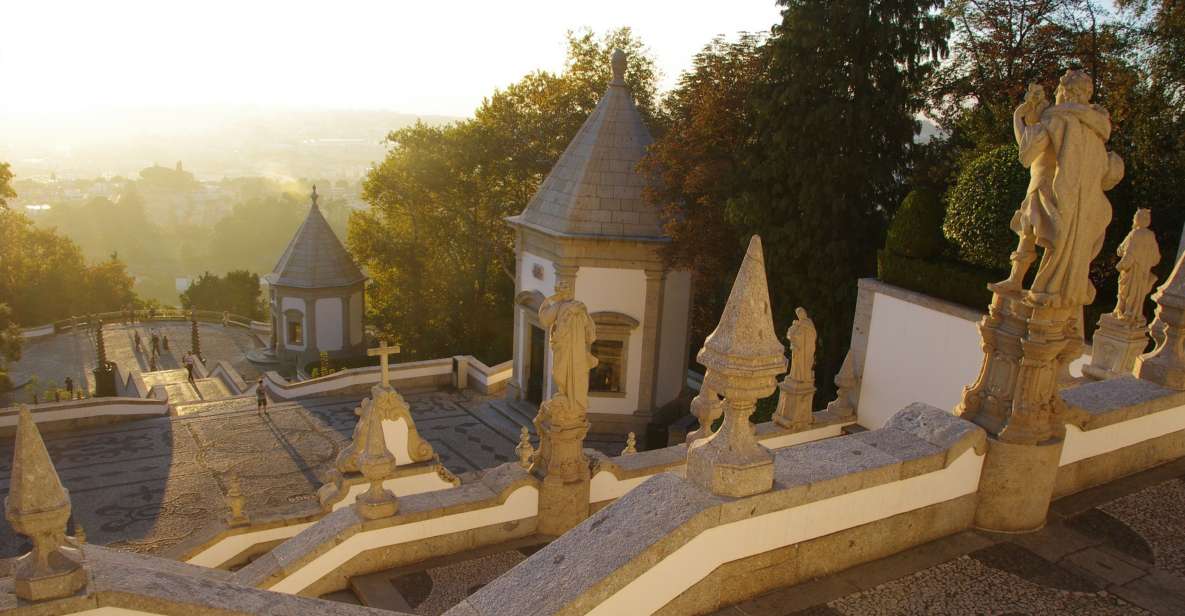
- Bom Jesus do Monte stop for the hilltop view and the 581-step stairway vibe
- Vinho Verde lunch in Guimarães plus bottled water included
- A guide-led history thread that ties the medieval and religious sites together
Porto to Guimarães and Braga: how the day actually flows
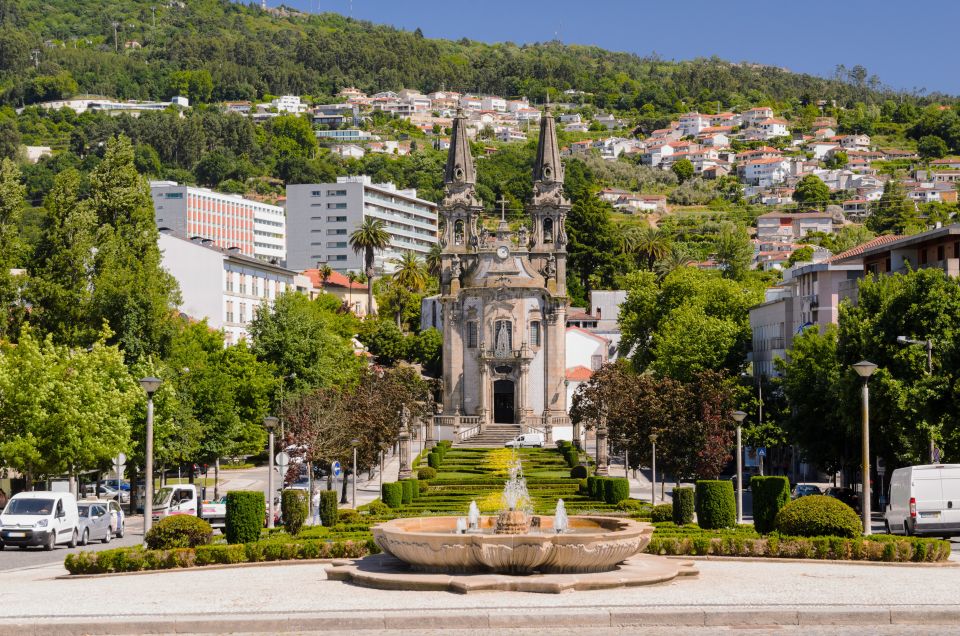
This is an 8-hour outing built around three big anchors: medieval Guimarães, Braga’s cathedral and old-town sights, and Bom Jesus do Monte up on the hill. You’ll start with pickup from centrally located Porto hotels (when possible), then transfer by bus or minivan. The schedule is structured, but it leaves enough time at each stop for photos and some wandering.
The flow is also practical for people without a car. Guimarães and Braga sit close enough for a day trip, but far enough that hopping between them on your own gets slow—especially when you add entry lines, meeting points, and transport timing. Here, the operator handles the movement, and you focus on the sites.
One more detail I like: it ends with a choice of drop-off points in Porto—Trindade station or Bolsa Palace. That’s convenient if you’re planning dinner nearby or catching a train.
You can also read our reviews of more tours and experiences in Porto

Pickup, transport, and what the route means for you
You’ll be picked up in Porto, then spend time on the road between stops (the itinerary includes multiple vehicle legs). Expect a van or small bus ride out and back. The total duration is set as 8 hours, so plan for a full day commitment, not a half-day stroll.
Group size matters here. The tour runs as a small group limited to 8 participants. That usually means less time herding people and more time hearing the guide’s explanation at the right moment. In the better moments, you’re not just seeing a building—you’re getting context while you’re standing in front of it.
Also note the luggage rule: no luggage or large bags. If you’re traveling light, you’ll be fine. If you’ve got a big roller suitcase from the airport, you’ll want a different plan.
Guimarães first: medieval streets and the UNESCO feeling
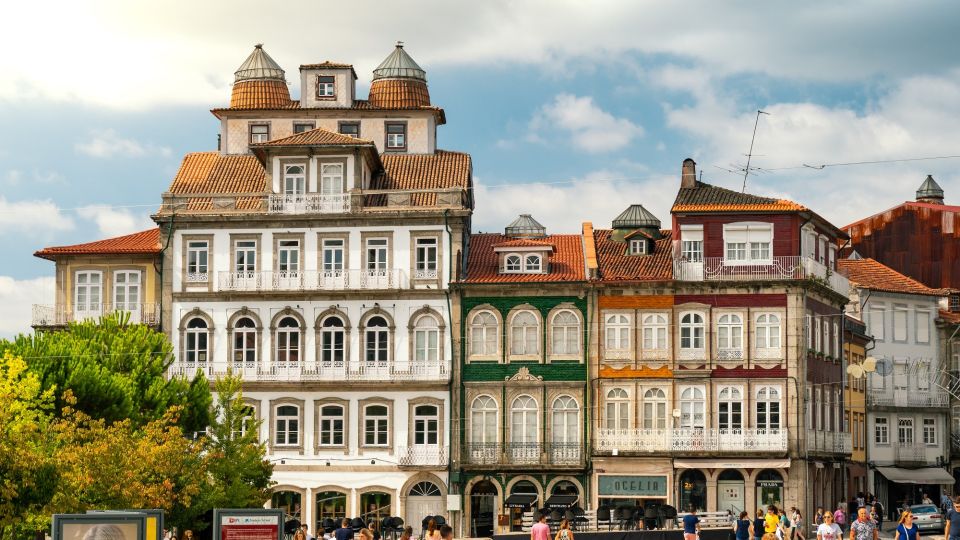
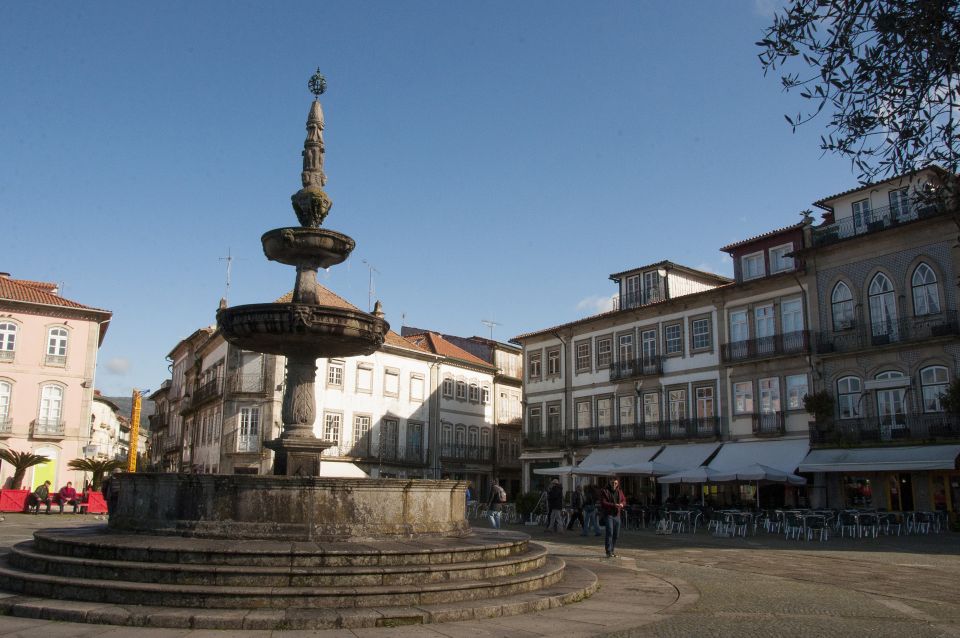
Guimarães is often described as the cradle of Portugal, and the tour uses that idea in a smart way. Instead of rushing straight to one monument, you get the town atmosphere first—medieval streets, old-town squares, and the sense that the place was built to last.
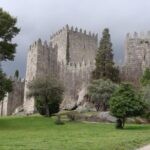
After arriving, you’ll visit Guimarães Castle with a guided component. This is one of those stops where timing helps: you see the fortifications in daylight and then you’re free to walk around the older parts of town afterward. It’s not just about the view from the walls; it’s also about understanding why this area mattered early in Portuguese identity.
Then you’ll have time in Guimarães itself for more guided touring (the itinerary includes a longer guided walk period). This is where the day turns from sightseeing to understanding. You’ll get directed through key areas so your time in the old town feels purposeful, not random.
What I liked about the castle-and-town combination
Many day trips treat castles like a quick photo stop. Here, the castle visit is guided, and you follow it with time in the historic center. That pairing helps you connect stone, defense, and everyday life in one stretch.
The drawback to plan for
Guimarães and Braga are built on hills and old street levels. You should be ready for uneven surfaces and a fair amount of walking across the day, even if the main stops feel short.
You can also read our reviews of more tours and experiences in Porto

The guided Guimarães Castle visit: ticketed entry and real context
The tour includes entry to Guimarães Castle plus a guided visit. That matters because castles aren’t self-explanatory. With a guide, you can tell what you’re looking at—fortification logic, the role of the site, and why it’s tied to Portugal’s earliest political story.
You’ll get a structured visit time (about 20 minutes guided inside the castle area in the provided schedule). It’s long enough to see the main points and short enough that you’re not stuck waiting while your group gets bored.
Practical tip: wear shoes with grip. Even if you feel like a “casual tourist,” castle surfaces can be slick or uneven.
Lunch in Guimarães: traditional food and Vinho Verde
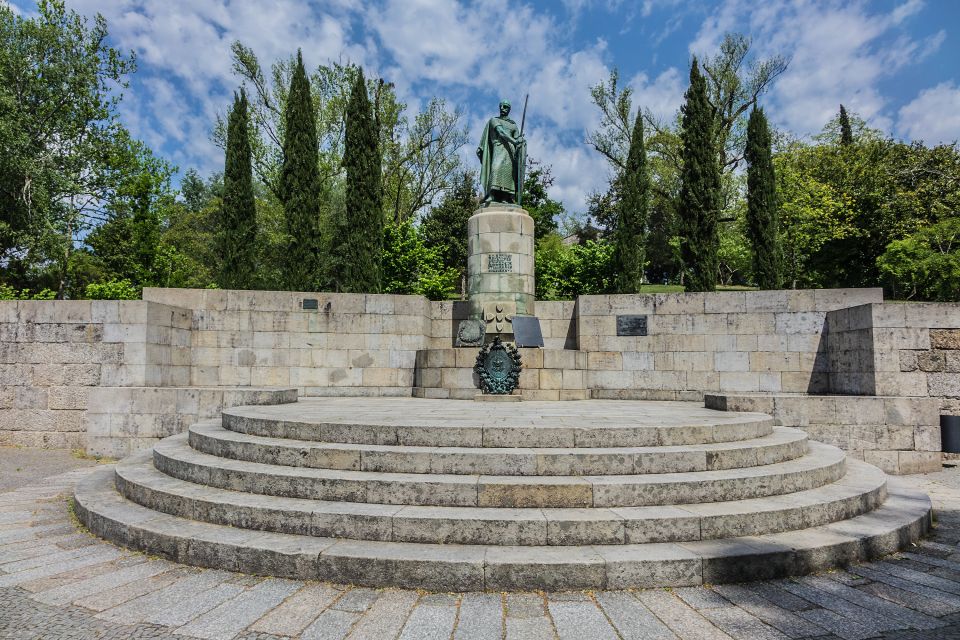
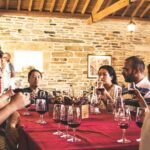
Lunch is a major part of why this day trip works. You get a traditional Portuguese lunch in Guimarães with Vinho Verde. The tour schedule gives you an hour for lunch, which is a nice buffer. You can eat, slow down a bit, and let your feet recover.
From the experiences people shared, the lunch tends to be a highlight. One key point: the meals have been described as plentiful and well prepared, and paired with green wine as part of the experience. If you’re a wine drinker, this is an easy win because you’re not hunting for the right place or trying to order in a hurry.
Diet note: while the included meal is described generally as a traditional Portuguese lunch with Vinho Verde, one person reported the operator could provide a vegan lunch on a recent run. Don’t assume it’s automatic—just ask when you reserve so they can confirm options for your group.
Braga Cathedral and the old religious capital angle
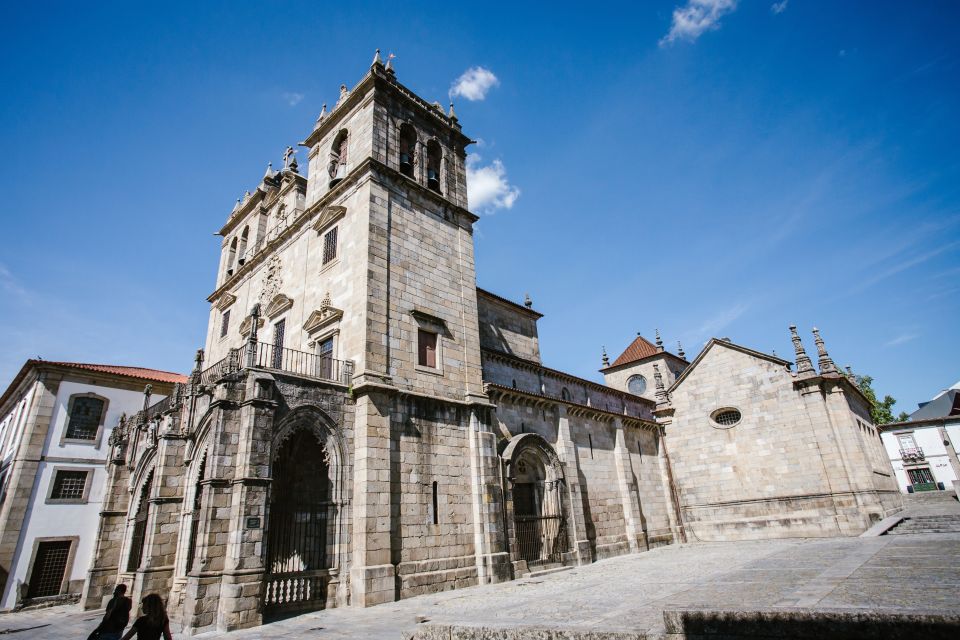
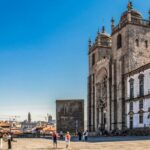
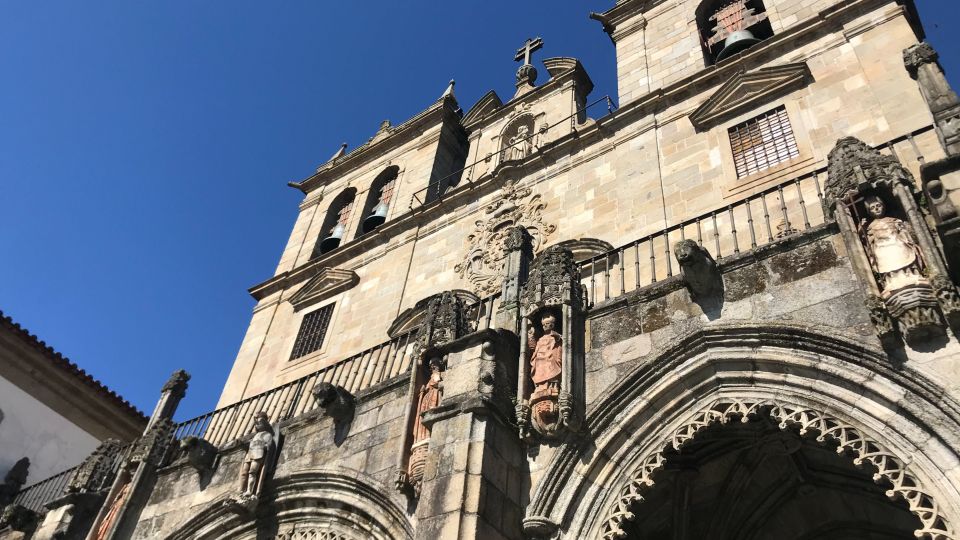
Braga is known as the oldest religious capital of Portugal, and the tour leans into that with a guided visit at Sé Cathedral of Braga. The cathedral stop includes entry plus a guided tour component, and the timing is about 20 minutes in the schedule.
This is the kind of church visit where a short guide-led introduction can completely change what you notice. Instead of feeling like you’re looking at random stone and arches, you start picking up the order of construction, the reasons it mattered, and how Braga became a pilgrimage center over time.
After the cathedral, you’ll spend time in Braga itself (the itinerary includes a visit block in the city). That gives you some breathing room to walk around, look for photo spots, and get a feel for the city beyond the cathedral.
Practical tip: Braga can feel cooler and more breezy than you expect, especially in mornings or shoulder seasons. A light layer helps.
Bom Jesus do Monte: the hilltop pilgrimage stop (and the stairs)
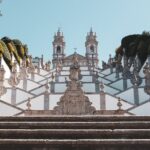
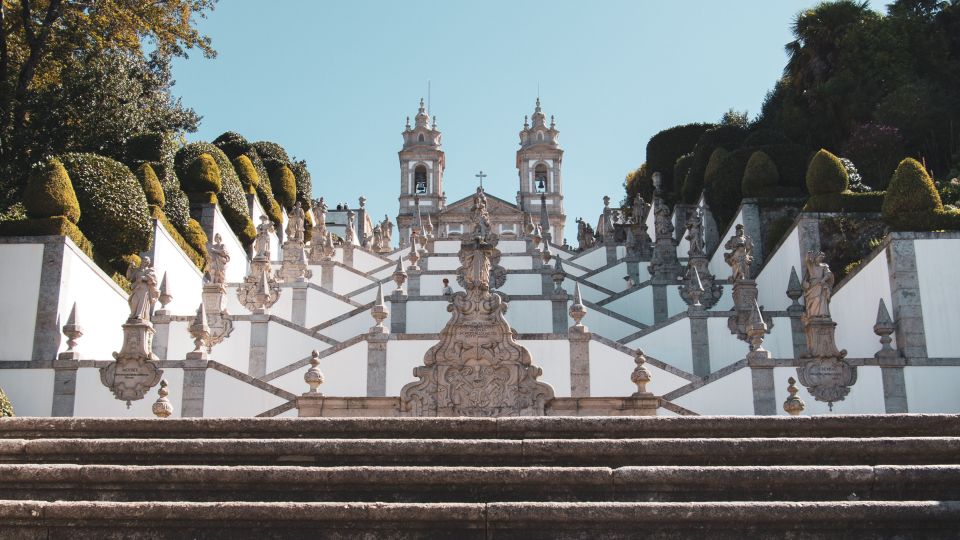
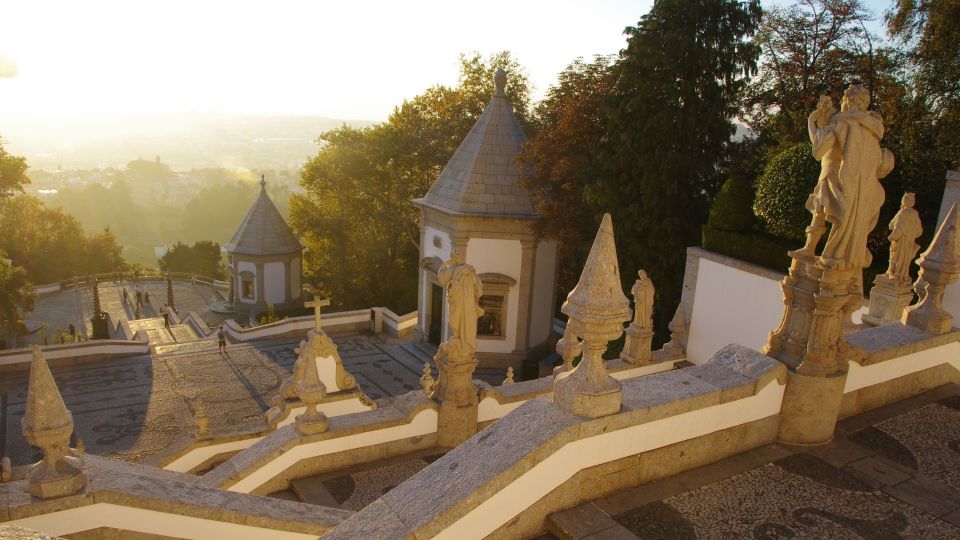
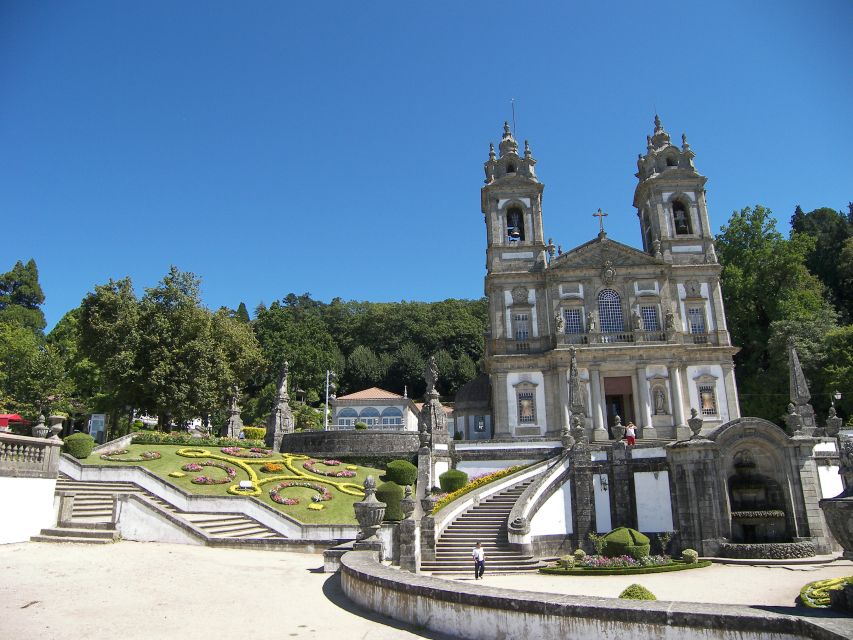
Bom Jesus do Monte is the dramatic, memorable stop. It sits up on a hill and is famous for its stairway—581 steps leading up to the sanctuary.
Your scheduled visit is short (about 20 minutes). That’s not enough to do it like a full pilgrimage journey, but it is enough to feel the place. You’ll see what makes it iconic: the sheer commitment of the stairs and the views from the top area.
This is also the stop where weather matters. Several guides have handled rough days by adjusting the day so you still get the key points without the trip turning into misery. If it’s raining, plan to keep your outer layer handy and be ready for wetter steps.
How much time you really get at each site
Here’s the balance the itinerary is aiming for:
- Guimarães Castle + historic center: enough time to understand the medieval story without feeling like you missed everything
- Braga Cathedral: guided entry so you don’t just stand in front of a big building
- Braga city time + lunch: breathing room in between religious landmarks
- Bom Jesus do Monte: quick hit of the iconic pilgrimage experience
The whole point is to keep the day structured while still letting you absorb the atmosphere. That’s why the lunch timing and the guided segments matter. Without those, you’d spend the day chasing clocks and standing in lines.
Price and value: what $123 includes (and why it feels fair)
At $123 per person, this tour isn’t the cheapest way to see two cities. But it does include a lot of the expensive friction points:
- Transportation from central Porto and back
- A live guide in multiple stops
- Guimarães Castle entry
- Sé Cathedral of Braga entry
- Lunch with Vinho Verde
- Bottled water with sustainable packaging
- A small-group limit (up to 8)
- A guided visit structure, not just a route
When you add up entry tickets, lunch, and guided time, the price becomes easier to justify—especially if you’re traveling solo or as a couple and would otherwise pay for separate local transport and ticket purchases.
I also think this price makes sense if you care about context. A well-run guide can turn a quick look at a cathedral into an understanding of why it’s important, and that’s what you’re paying for as much as the buildings themselves.
Guides: what you can expect from the best runs
You won’t pick your guide, but the pattern from this operator’s tour style is pretty clear. Guides such as Álvaro, Rodrigo, Miguel, Jorge, and Jose have been highlighted for being attentive, friendly, and strong at explaining the Portuguese story while you’re on site.
A few themes show up again and again:
- clear communication in multiple languages (English, Spanish, Portuguese)
- a calm, organized pace
- willingness to answer questions
- small adjustments when weather throws a curveball
In short: your guide can make the difference between you feeling like you saw two cities and feeling like you understood why these places matter.
Who this tour is best for (and who should choose differently)
This one is ideal if you want a focused day trip with strong structure and you’re okay walking. It’s also a good choice for people who don’t want to figure out trains, schedules, and ticket timing across multiple towns.
It’s not recommended for people with limited mobility or for wheelchair users. The tour includes hill areas and the Bom Jesus do Monte stairway context, and the operator notes it isn’t suited to that need.
If you’re traveling with kids, this can still work if they’re comfortable walking and you keep expectations realistic about short site times. But for strollers or anyone who needs low-effort movement, it’s probably not the right match.
Small practical tips before you go
- Bring comfy walking shoes. You’ll do enough steps and uneven surfaces to justify them.
- Pack light. Large bags aren’t allowed.
- Carry a light layer for church interiors and hilltop stops.
- If you’re picky about diet, ask about meal options when you reserve.
- Have your camera ready for Bom Jesus do Monte views and the castle area in Guimarães.
Should you book the Porto to Guimarães and Braga tour?
Book it if you want maximum meaning per hour—UNESCO Guimarães, guided castle time, Braga’s Sé Cathedral, and the iconic Bom Jesus hilltop stop, all wrapped up with a traditional lunch and included entry tickets. The small-group size helps keep the day from feeling rushed.
Skip it if you want a relaxed, minimal-walking day or if you need wheelchair-friendly logistics. The route includes steps and hill geography, and the tour isn’t positioned for limited mobility.
FAQ
How long is the Porto to Guimarães and Braga tour?
The tour lasts 8 hours.
Where does the tour start and where does it end?
It includes pickup from most centrally located Porto hotels and ends with drop-off at Trindade station or Bolsa Palace.
What’s included in the lunch?
Lunch includes traditional Portuguese food with Vinho Verde, plus bottled water with sustainable packaging.
Are entrance tickets included?
Yes. The tour includes entry tickets for Guimarães Castle and Braga’s Sé Cathedral.
Is there a guided tour inside the main sites?
Yes. The tour includes exclusive guided visits to Braga Cathedral (Sé Cathedral) and Guimarães Castle.
How many people are in the group?
It’s a small group limited to 8 participants.
What languages are the guides available in?
The live tour guide is available in English, Spanish, and Portuguese.
Is luggage allowed?
No. Luggage or large bags are not allowed.
Is the tour suitable for wheelchair users or people with limited mobility?
No. The tour is not recommended for people with limited mobility and is not suitable for wheelchair users.
Is the tour free to cancel?
Free cancellation is available up to 24 hours in advance for a full refund.