REVIEW · PORTO
Porto Essential Walking Tour
Book on Viator →Operated by EFun Tours · Bookable on Viator
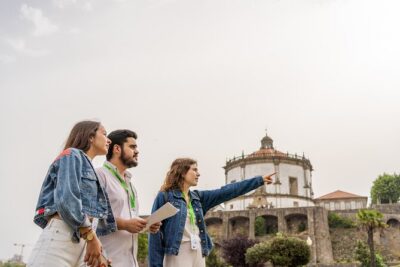
Porto starts making sense fast on foot. This 3-hour small-group walking tour threads together the city’s best visual highlights, from tile-covered churches to the São Bento station, with a guide who turns streets into story. I especially love the frequent photo stops and the end-of-walk recommendations that help you plan the rest of your trip without guessing. One thing to plan for: this is real walking, with steps and uphill bits, and several major sights (like the bookstore and tower) are outside the included entry tickets.
You’ll walk with the kind of pacing that makes the city feel human, not rushed. Expect an itinerary packed with recognizable landmarks—plus a few stops that explain how Porto thinks about art, religion, and daily life. With a maximum group size of 20 and departures in English (morning or afternoon), it’s an easy way to build your bearings before you go off on your own.
Quick takeaways
- Photo-friendly stops across tiles, viewpoints, and city walls
- Best-for-first-timers overview without feeling like a checklist
- Church + tile focus with highlights like Igreja do Carmo and São Bento station
- A prison-turned-photo hub stop at Centro Português de Fotografia
- Tower/bookstore aren’t included so you may need extra tickets for inside time
- Walk ends by the river at Ribeira Square, ideal for your next meal
In This Review
- Porto in 3 Hours: A Practical Way to Get Oriented
- Morning or Afternoon Departures: Picking the Right Light for Photos
- From Praça de Gomes Teixeira to Praça Ribeira: Your Route Through Old Porto
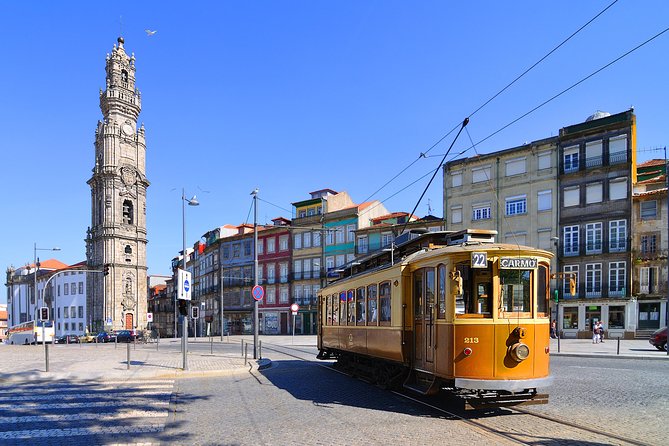
- Igreja do Carmo and Igreja dos Carmelitas: Tile Wonders Up Close
- Centro Português de Fotografia and Miradouro da Vitoria: Art in a Former Prison
- Livraria Lello and Torre dos Clérigos: Famous Names, Ticket Choices
- Praca da Liberdade, São Bento Station, and Tile-Covered Streets
- Old City Walls: Muralha Fernandina and Postigo do Carvão
- Cathedral do Porto and Igreja De San Francisco: Religion as Architecture
- Palacio da Bolsa and the River Finish at Praça Ribeira
- Price and Ticket Reality: Is $29.04 Actually Good Value?
- Footwear, Steps, and Weather: The Stuff That Actually Affects Your Day
- Guides Make the Difference: What to Look For During the Walk
- Should You Book This Porto Essential Walking Tour?
- FAQ
- How long is the Porto Essential Walking Tour?
- What does the tour include, and what tickets cost extra?
- Where does the tour start and end?
- Is it offered in English?
- What group size should I expect?
- Does it run in bad weather?
- Can I cancel and get a refund?
Porto in 3 Hours: A Practical Way to Get Oriented
Porto is one of those cities where landmarks are close together but the streets twist in ways you won’t intuit right away. This tour is built for that. In about 3 hours, you get a compact tour of the historic center’s big hitters, plus the context that helps you understand what you’re looking at later when you wander.
The best part for most people is the rhythm: short stretches, frequent stops, and enough time at each location to actually look. If you care about architecture, you’ll notice patterns—tile work that changes by building and era, churches that show different styles of religious power, and viewpoints that explain why the city grew where it did.
You also get something that’s quietly valuable: guidance on what to prioritize next. Several guides in the program are praised for giving specific ideas for where to go for food and more sightseeing, without turning the walk into a sales pitch.
Morning or Afternoon Departures: Picking the Right Light for Photos
You can choose either morning or afternoon departure times. That choice matters because Porto’s most famous surfaces—the azulejos (painted tiles) and church façades—look best when you’re not fighting harsh midday glare.
A morning start often feels calmer for the first walk of the day. You’ll also have more of the afternoon left to visit places that need tickets, like the Livraria Lello interior or the Torre dos Clérigos tower.
An afternoon start can be great if you want a slower pace, but plan for more foot traffic around popular streets and viewpoints. In any case, bring a little patience for the walk’s pace. The tour keeps moving, but it’s structured so you don’t feel like you’re being dragged past everything.
You can also read our reviews of more walking tours in Porto


From Praça de Gomes Teixeira to Praça Ribeira: Your Route Through Old Porto
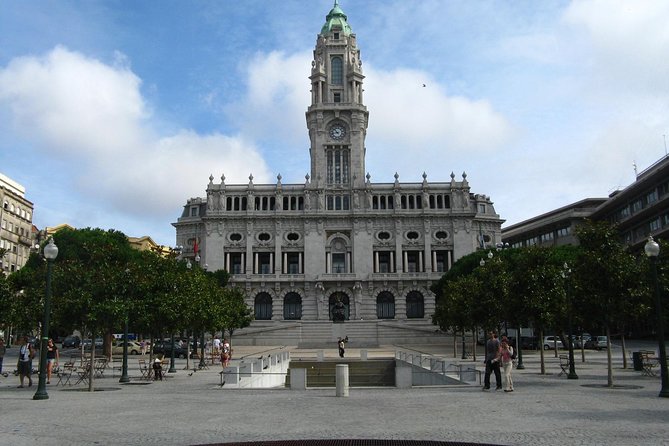
The tour meets at Praça de Gomes Teixeira and finishes at Praça Ribeira by the river. That matters more than it seems. Starting in the inland historic area lets you ease into the tile-heavy core, then the walk naturally trends toward the waterfront.
Along the way, you’ll see how Porto’s center is layered. Streets drop and rise. You’ll move between squares, churches, stations, and old defensive walls. It’s a walking map you can carry in your head.
The final arrival near Ribeira is smart. Even if you’re not planning to do a full river evening right away, you’ll end up near the easiest place to find your next stop—coffee, snacks, or dinner—without having to backtrack across the whole city.
Igreja do Carmo and Igreja dos Carmelitas: Tile Wonders Up Close
This is a tile tour wearing a church outfit.
At Igreja do Carmo, you’ll get a glimpse of the famous tile work. The tiles here aren’t just decoration; they function like a visual language for the building’s identity and the city’s artistic heritage. Even if you only spend a few minutes inside or at the doorway, look closely. You’ll often see scenes arranged like storytelling panels.
Then comes Igreja dos Carmelitas, where the emphasis is on the church itself, with a stop designed for a real look rather than a rushed pass-by. The program lists this as free admission, which is helpful because it means you can spend time paying attention instead of deciding whether it’s worth the ticket cost.
Practical tip: wear shoes you trust. Churches often come with steps and uneven paving, and in Porto that can add up.
Centro Português de Fotografia and Miradouro da Vitoria: Art in a Former Prison
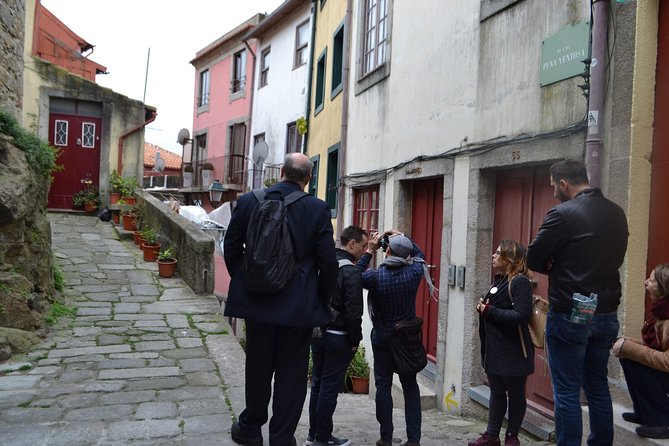
Next, the tour shifts from religious monuments to how Porto treats culture. Centro Português de Fotografia is the kind of stop you’ll remember because of the building’s past—once a famous prison. That contrast changes how you look at a photo center. You start thinking about how spaces transform: a place meant for confinement becomes a place for images and memory.
After that, you’ll head to Miradouro da Vitoria, a viewpoint stop built for taking in the city’s shape. Porto is all levels—streets tucked under streets—and viewpoints help you understand why the river matters so much. If you’ve been wondering what side of Porto is “higher” or “lower,” this is where it clicks.
One small reality check: viewpoint stops are time-limited, so plan to arrive ready to photograph. Think about what you want in frame before you lift your phone.
Livraria Lello and Torre dos Clérigos: Famous Names, Ticket Choices
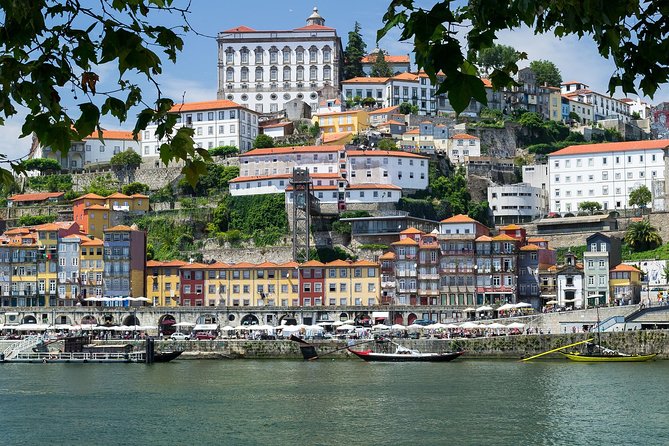
This portion is where you’ll feel the difference between seeing and entering.
Livraria Lello is a major draw, but admission is not included. The stop is timed so you can learn about its importance and view it in context, but if you want to go inside for the full experience, you should expect you’ll need to plan an add-on ticket yourself.
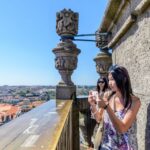
Then there’s Torre dos Clérigos and the church area. The program notes that the tower visit is not included, even though the surrounding experience is part of the walk. Many people love the church façade and surrounding views, but tower access usually means an extra ticket decision.
If you have limited time and only want one inside ticket, I’d pick based on your interest level:
- Choose tower if you want height and city views.
- Choose bookshop if you’re chasing literary architecture and the atmosphere inside.
Either way, this stop is still worth it for the story and city context.



Praca da Liberdade, São Bento Station, and Tile-Covered Streets
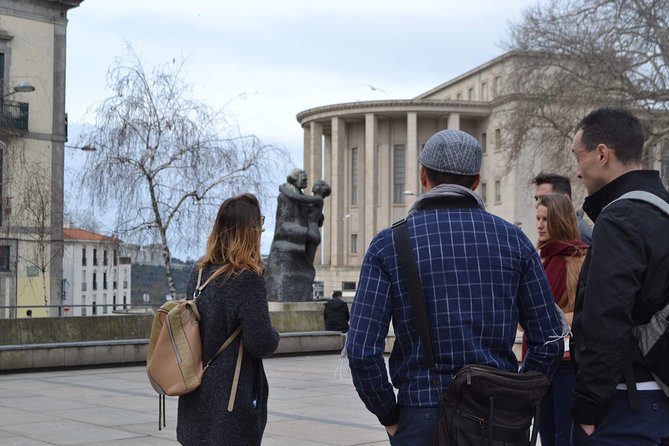
Porto’s squares and stations help you see how modern life sits over older bones.
You’ll visit Praca da Liberdade, listed as free and timed to let you take in the square’s presence without rushing. Squares in Porto aren’t just open space. They’re social rooms for the city, and they frame how people move.
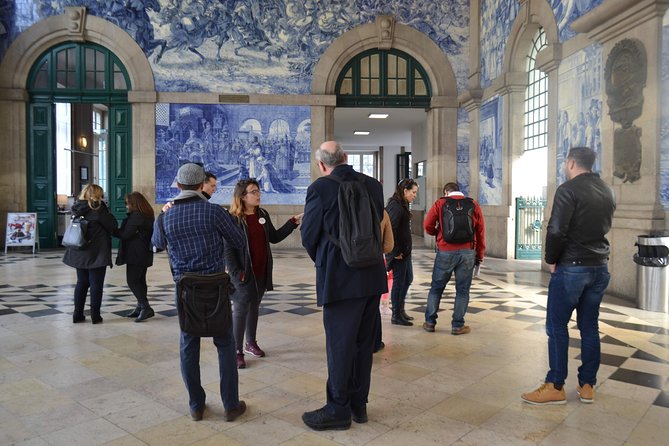
Then comes São Bento Railway Station, one of the easiest “wow” moments in town. The big highlight here is the interior tile work—again, not just pretty surfaces, but a visual record that helps you read the station as a cultural landmark, not only transport.
If you’re thinking you’ll save tile viewing for later, don’t. This station is a fast, high-impact way to get your eye tuned for Porto’s tile style before you keep exploring.
Old City Walls: Muralha Fernandina and Postigo do Carvão
This tour doesn’t only stick to postcard highlights. You also get time for the city’s older defensive lines.
At Muralha Fernandina, you’ll witness old city walls, with time built in to look at how the architecture relates to the surrounding streets. Then you’ll have another wall-related stop at Postigo do Carvão, also framed as a chance to see the old walls again but in a different context.
These stops give you a different kind of Porto lesson: the city wasn’t built only for beauty. It was built to last. And once you see the walls and their placements, you can start noticing the logic behind street angles and neighborhood edges.
Cathedral do Porto and Igreja De San Francisco: Religion as Architecture
The tour moves back into major religious landmarks with a pair of important stops.
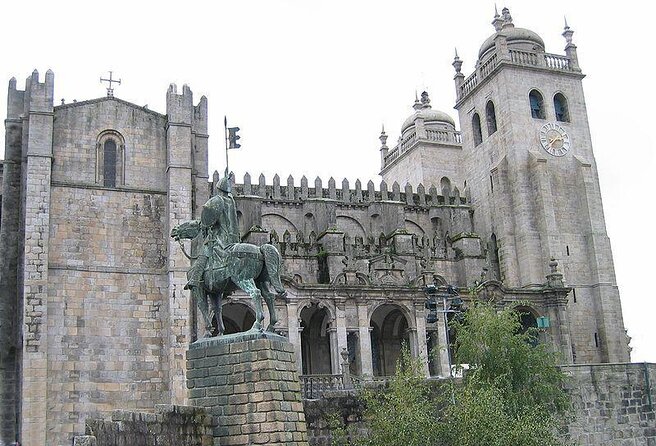
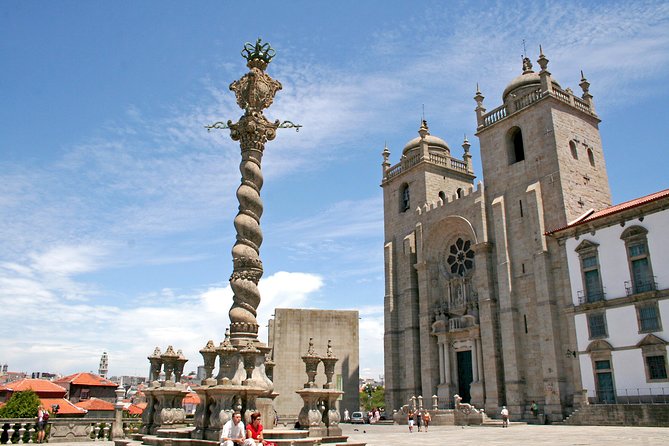
Catedral do Porto is listed as an admission-not-included stop. That doesn’t mean you won’t get value from it. It means you’ll likely experience it mainly from outside and/or at accessible areas, while the full inside experience depends on paying separately.
Then there’s Igreja De San Francisco with admission not included. Even without buying entry, you’ll still get the effect of being in the presence of a church that shaped community life over centuries. Porto’s churches can feel both formal and human—part monument, part everyday spiritual backdrop.
Tip: if you’re an architecture person, plan to spend a moment stepping back and looking at façades as designs, not just religious buildings.
Palacio da Bolsa and the River Finish at Praça Ribeira
The tour culminates with a stop at Palacio da Bolsa, also admission not included. This is another place where the program prioritizes context. Even if you don’t enter, you can still appreciate what it represents in Porto’s broader story—how commerce, power, and public image all lived in stone.
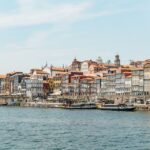
From there, you end at Praça da Ribeira, timed as a 20-minute river relaxation stop. This is where the tour turns from history-reading to life-enjoying. You’ll be close to the river’s energy and the easiest walking routes for your next plans.
If you’re trying to decide what to do next after the tour, Ribeira is the calm-friendly answer. You can grab something to eat, watch people move, and then choose whether to explore deeper into riverside streets.
Price and Ticket Reality: Is $29.04 Actually Good Value?
At $29.04 per person, this tour is priced as a strong intro, not a budget-busting ticket bundle. Why it’s good value: so many stops are marked as free admission, letting your money buy guide time and city context instead of piling entrance fees onto your day.
At the same time, you should go in knowing the tour includes guiding, not full ticket access. Several key stops are listed as ticket-not-included, including:
- Igreja do Carmo (not included)
- Livraria Lello (not included)
- Torre dos Clérigos tower (not included)
- Catedral do Porto (not included)
- Igreja De San Francisco (not included)
- Palacio da Bolsa (not included)
So the best way to think about value is this: you’re paying for a guided path that stitches the highlights together and helps you decide what’s worth extra money later. If you buy no additional tickets, you’ll still see a lot. If you do buy one or two, you’ll get to tailor the day to what you care about most.
With maximum 20 travelers and English service, it also tends to feel personal enough to ask questions and get real suggestions for what to do after.
Footwear, Steps, and Weather: The Stuff That Actually Affects Your Day
Porto is walkable, but it’s not flat. Expect steps and uphill walking as part of the center’s rhythm. Since the tour lists moderate physical fitness and is over 3 hours, you’ll be happier with shoes that handle slick stone and uneven streets.
Weather is another factor. The tour notes it operates in all weather conditions, but it also says good weather is required. If the experience is canceled due to poor weather, you’ll be offered a different date or a full refund.
A simple approach works: bring a light rain layer if you’re going in shoulder seasons, and treat stone streets like they’re always a little slippery—because they often are.
Service animals are allowed, and the route is near public transportation, which helps if you need to reposition later.
Guides Make the Difference: What to Look For During the Walk
One reason this tour earns such strong marks is the quality of the storytelling. Names that show up repeatedly include Pedro Cardoso, Ricardo/Riccardo, João Rocha, Catarina, Barbara, and Maria. Across these guides, the common thread is clear: they explain what you’re seeing, then help you plan what to do next.
You’ll notice it when the tour pauses at a viewpoint or tile wall and the guide ties the visuals to the bigger story of Porto. It’s not just names and dates. It’s the why behind the buildings.
If you want to maximize your experience, prepare 1-2 questions before you start. Ask what area is best to explore next, or which sights are most worth paying for inside.
Should You Book This Porto Essential Walking Tour?
I’d book it if you want a smart first pass through Porto’s historic core without spending your whole day choosing between tickets. It’s especially worth it if:
- You’re short on time and want the highlights plus context
- You like churches, tiles, and architecture
- You want a guided route that ends conveniently near Ribeira
- You plan to add one or two inside tickets based on your interests
Skip it or pair it with a different plan if you hate steps, know you only care about one or two specific paid attractions, or you’re hoping the tour price covers entry to everything. The walk is excellent for orientation and storytelling, but it’s not an all-inclusive ticket day.
If you’re deciding between going in blind and getting your bearings, this one is a strong bet. You’ll leave with a clearer mental map of Porto—and a short list of where to spend your next hours.
FAQ
How long is the Porto Essential Walking Tour?
The tour lasts about 3 hours.
What does the tour include, and what tickets cost extra?
The tour includes a local guide. Some stops are marked as ticket not included (for example, the Livraria Lello and Torre dos Clérigos tower), while many others are listed as free admission.
Where does the tour start and end?
It starts at Praça de Gomes Teixeira, 4050-161 Porto and ends at Ribeira Square (Praça Ribeira, Porto).
Is it offered in English?
Yes, it is offered in English.
What group size should I expect?
The tour has a maximum of 20 travelers.
Does it run in bad weather?
It operates in all weather conditions, but it also notes that it requires good weather. If it’s canceled due to poor weather, you’ll be offered a different date or a full refund.
Can I cancel and get a refund?
Yes. You can cancel for a full refund if you cancel at least 24 hours before the experience’s start time. If you cancel less than 24 hours before, the amount paid is not refunded.