REVIEW · PORTO
From Porto: Fatima and Miracle of Santarem Private Day Tour
Book on GetYourGuide →Operated by FEELGO PORTUGAL · Bookable on GetYourGuide
Two sanctuaries, one long, meaningful day. This private day trip from Porto strings together Fátima and Santarém with real time inside each place—plus a guide who helps you connect the stories you’re seeing.
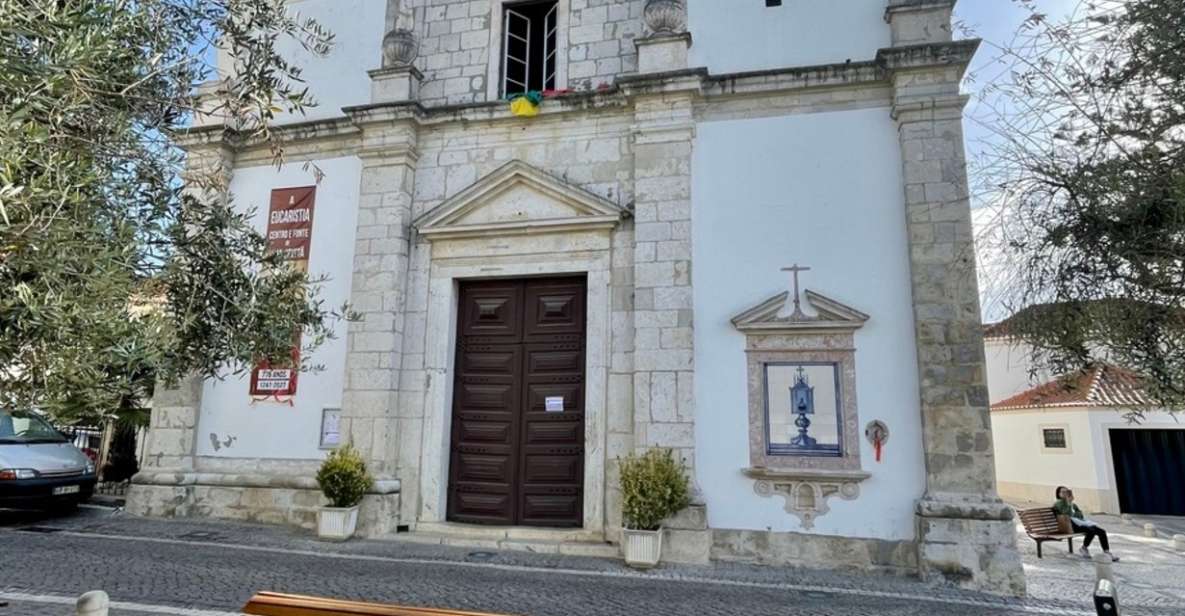
I especially like the way this tour balances major landmarks with the smaller, emotionally specific stops. You’ll get time for the Basilica, the Church of the Holy Trinity, and the Capela das Aparições in Fátima, then shift gears to the Church of St. Stephen of the Holy Miracle in Santarém.
The main thing to consider is the day’s intensity: it’s 9 hours, food and drinks aren’t included, and you’ll be doing a lot in one stretch.
In This Review
- Key highlights at a glance
- Why this private Porto-to-Fátima-and-Santarém tour feels worth it
- The drive day from Porto: private comfort is the real feature
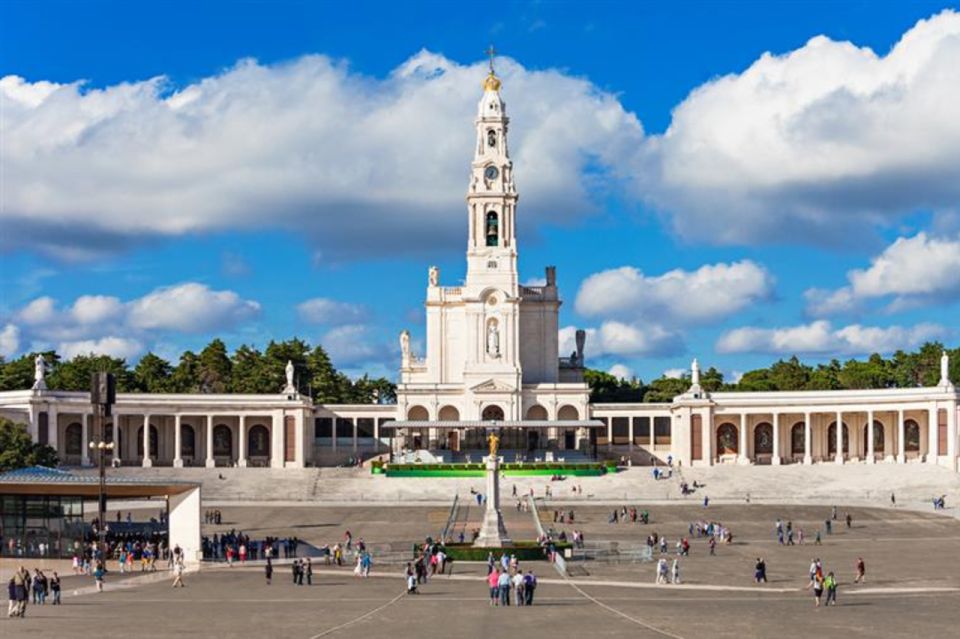
- Fátima’s Sanctuary of Our Lady: where the scale changes your mood
- Inside the Basilica and the major Fátima stops
- The Basilica: where the shepherds are buried
- The Church of the Holy Trinity: a change in focus
- The sanctuary complex itself
- Capela das Aparições and Azinheira Grande: the close-up story moments
- The Holy Miracle of Santarém: what you’ll see in St. Stephen’s Church
- The display: crystal pyx, silver monstrance, and the tabernacle
- Paintings and tiles: the story told in visuals
- A nearby home you can visit
- Why the tour links Fátima and Santarém at all
- Private timing and small group pacing: how you avoid the usual travel hassle
- Price and value: what $563 per group really buys
- What to bring and how to set yourself up for a smooth day
- Who this tour is best for (and who should skip it)
- Should you book the Porto Fatima and Santarém private day tour?
- FAQ
- Where does the tour start and end?
- How long is the tour?
- Is the tour private or shared?
- What’s included in the price?
- Is food and drinks included?
- What languages are the live guides?
- What should I bring?
Key highlights at a glance
- Private car for up to 4 people, so the pace is yours, not a bus schedule
- Fátima’s core stops, including the Basilica and the Igreja da Santíssima Trindade (Church of the Holy Trinity)
- Capela das Aparições, plus the nearby Azinheira Grande tied to the shepherds’ story
- The Eucharistic Miracle of Santarém, with the host displayed in a crystal pyx in a silver monstrance
- Santarém’s church details you can actually see, like the miracle paintings and 16th-century glazed tiles
- Guides with strong service notes, including Paola and Rodolfo for attentive, smooth days
Why this private Porto-to-Fátima-and-Santarém tour feels worth it
If you’re choosing between a fast group day and something more personal, this format matters. A small group limited to 4 and a private driver/guide means you can ask questions, pause for a moment, and spend a little longer where your attention goes. I like tours that don’t force you to “keep up” every five minutes.
Fátima and Santarém also work well back-to-back because they’re different kinds of spiritual storytelling. In Fátima, you focus on the message tied to the shepherd children and the sanctuary built around that moment. In Santarém, you’re looking at the Holy Miracle—specifically the preserved consecrated host preserved for 750 years, described as intact and drenched in Blood—still on display in a carefully arranged setting.
One practical note: the tour doesn’t include food or drinks. That’s not a dealbreaker, but it does change how you plan. If you’re sensitive to long travel days or if you like to sit down and eat properly, you’ll want to think ahead.
You can also read our reviews of more private tours in Porto

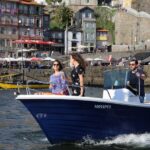
The drive day from Porto: private comfort is the real feature
You start with pickup in Porto and end back in Porto. That alone can save energy, because you don’t have to coordinate transfers or wrestle with schedules once you’re already tired. You’re also traveling in a private car with your driver/guide, which tends to make a big itinerary feel manageable.
Also, the guide language options are practical: English, Spanish, French, or Portuguese. If you want a smoother experience—especially when you’re hearing specific story details—matching language is a big help. And if you’re traveling with mobility needs, wheelchair accessibility is supported.
Because this is a 9-hour day, it’s built for people who can handle a packed program. You’ll be doing meaningful stops, not just “passing through,” but you won’t have the luxury of slow, multi-day wandering. Think of it as a concentrated day with quality time at the key points.
Fátima’s Sanctuary of Our Lady: where the scale changes your mood
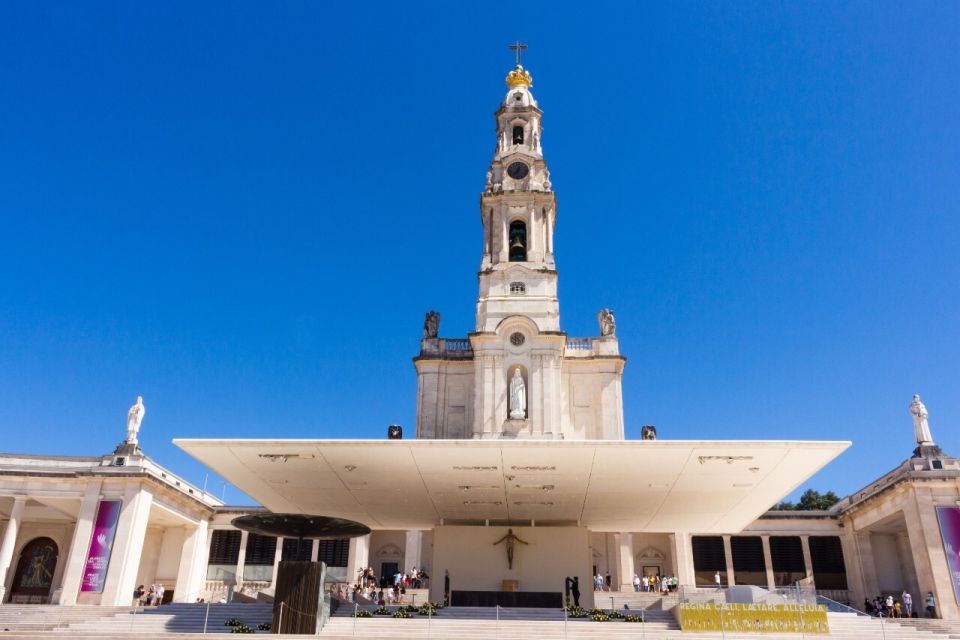
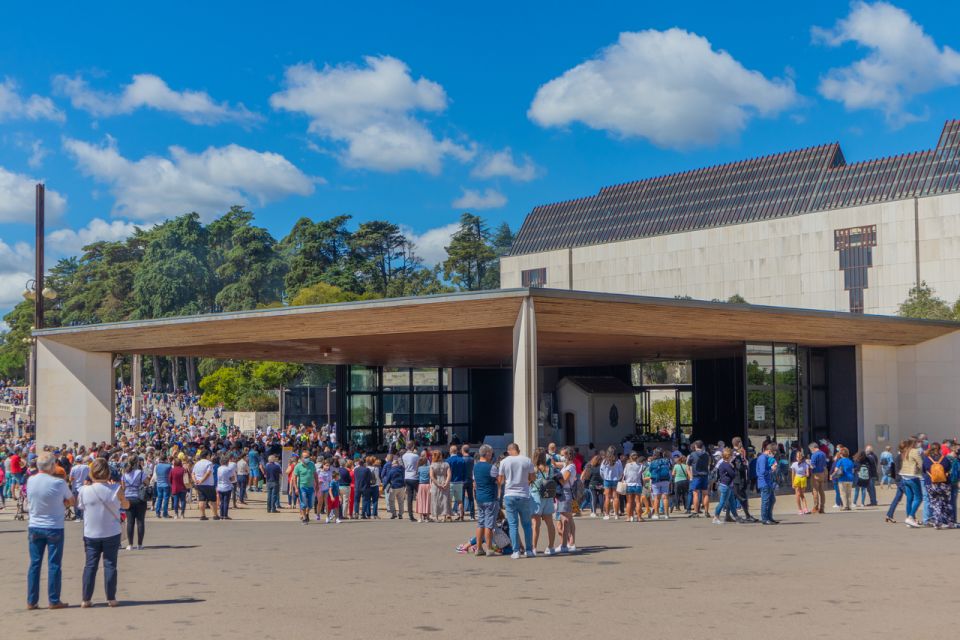
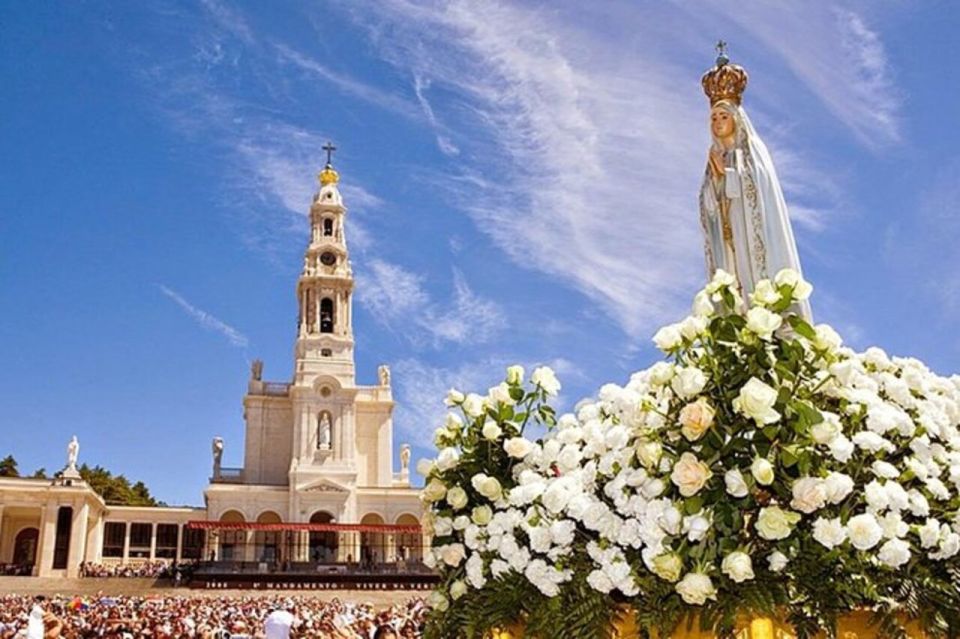
When you arrive at the Sanctuary of Our Lady of Fátima, you’ll immediately notice the feeling of a world-level pilgrimage site. This isn’t just one church building; it’s a full sanctuary complex, described as the largest Catholic sanctuary in Portugal.
In Fátima, you’re not only looking at architecture—you’re seeing how the story is physically organized. The Basilica is central, and it’s specifically where Francisco, Jacinta Marto, and Lúcia are buried. That detail gives the place a grounded, human scale. Even if you’re visiting for cultural or historical reasons, knowing the burial site is part of the reason people come.
Your time also includes the Igreja da Santíssima Trindade (Church of the Holy Trinity). That adds another layer: you’re not limited to one viewpoint. Instead, you get a sense of the sanctuary as a structured space meant for prayer, gatherings, and reflection.
A thoughtful option here is mass at the sanctuary. If that matters to you, it can make the day feel less like sightseeing and more like participation. If it doesn’t, the sanctuary still gives you plenty to see and understand.
Inside the Basilica and the major Fátima stops
Here’s what you can expect in Fátima beyond the headline “visit the sanctuary.” You’re guided through the core areas people most associate with the Fátima story.
The Basilica: where the shepherds are buried
In the Basilica, the key fact is straightforward: Francisco, Jacinta Marto, and Lúcia are buried there. For many visitors, that’s the moment the site stops being abstract. It becomes personal in a way that’s hard to explain—because you’re standing in a space connected to real children, not just a distant legend.

The Church of the Holy Trinity: a change in focus
The Igreja da Santíssima Trindade (Church of the Holy Trinity) gives you a different architectural and spiritual emphasis. Even without getting lost in stylistic analysis, it helps you see the sanctuary as more than one landmark. Think of it as the tour’s way of widening your angle, so your understanding doesn’t stay stuck on one building.
The sanctuary complex itself
Because it’s described as the largest Catholic sanctuary in Portugal, you may find that the area feels built for crowds and ceremonies. That’s useful context: you’re experiencing a place designed for important religious moments, not just a quiet church visit.
A small drawback to plan around: in a pilgrimage environment, certain areas can feel busy or slow-moving depending on what’s happening. Your private setup helps here, since you can keep your pace and your guide can help you prioritize what’s most meaningful to you.
Capela das Aparições and Azinheira Grande: the close-up story moments
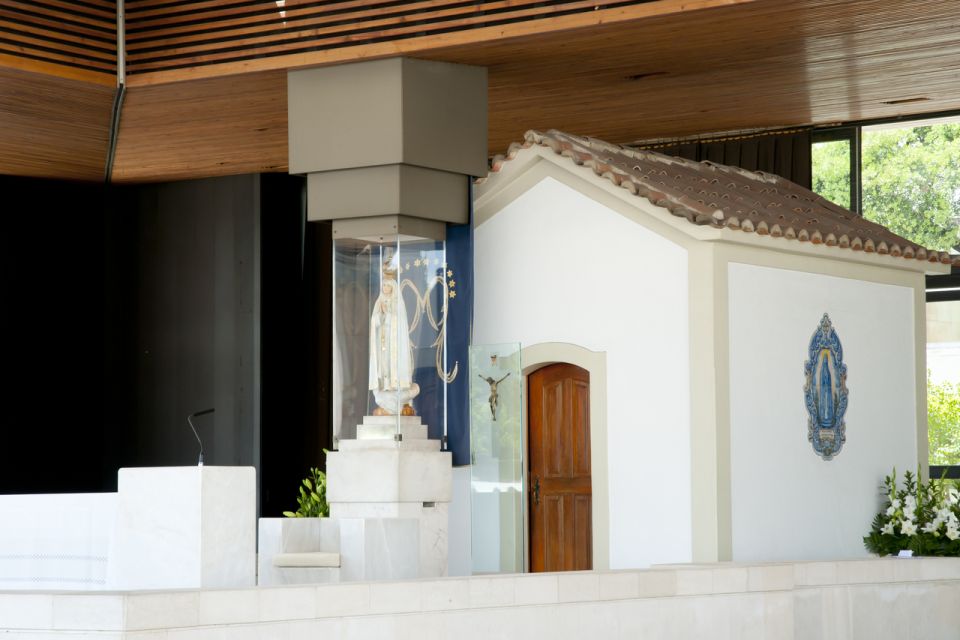
If the big buildings are the “headline,” these are the “details that stick.” You’ll have time for the Capela das Aparições (Chapel of Apparitions), described as a small temple built at the request of Our Lady of Fátima when she appeared to the three shepherd children.
What I like about this stop is how it narrows your attention. You’re not scanning a wide complex—you’re focusing on the place linked directly to the apparition story. Even if you don’t share the faith behind it, you can still respect why people come: it’s a physical reference point for a moment that changed how devotion spread.
Next comes Azinheira Grande, the tree the shepherds passed before seeing the Saint. That’s a different kind of storytelling than inside a chapel. You’re connecting the narrative to a specific landmark in the landscape, which makes the visit feel more grounded.
The practical takeaway: wear comfortable shoes. These are the moments where you’ll likely want to linger and reposition for a better view, even if you don’t know exactly where the best angle is yet.
The Holy Miracle of Santarém: what you’ll see in St. Stephen’s Church
About 40 kilometers from Fátima, you reach Santarém, a historic city where the Eucharistic miracle took place on February 16, 1266. This is one of those stories that gets discussed for centuries, and the reason is simple: the consecrated host is said to have been preserved for 750 years, intact and drenched in Blood.
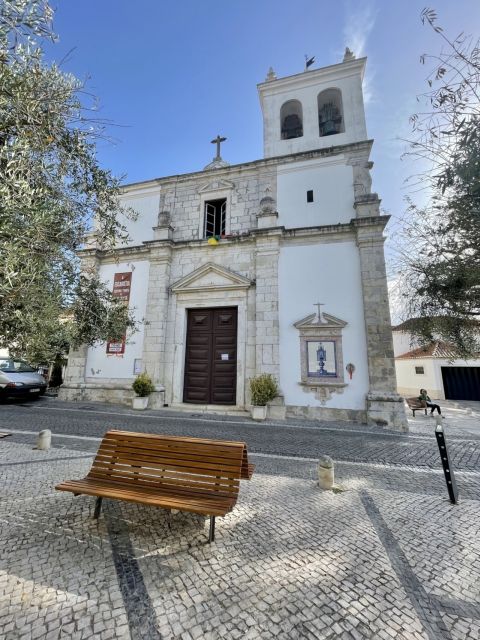
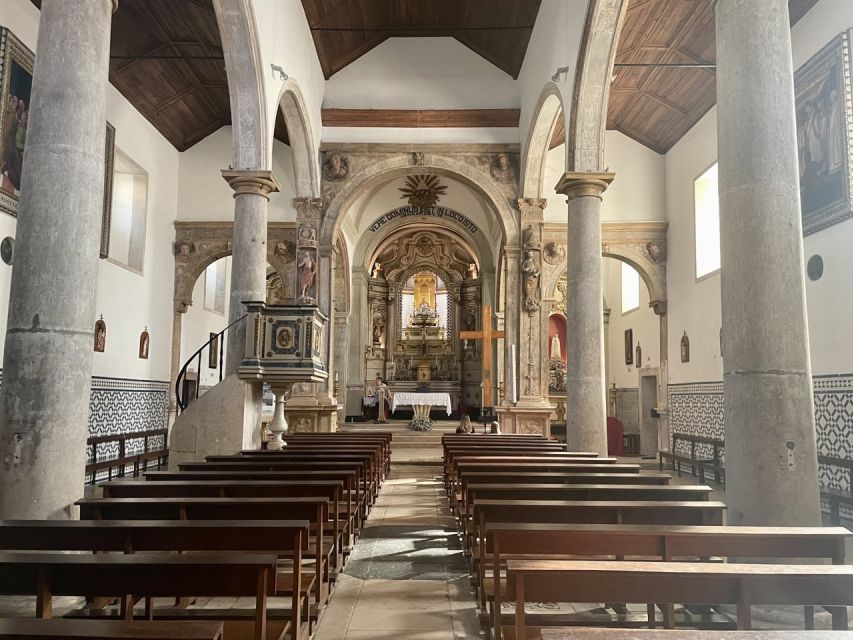
Your main stop here is the Church of St. Stephen of the Holy Miracle. The church was rebuilt in the 16th century, so you’re not seeing an untouched medieval structure. But the point is the relic and the display of the miracle, not just the wall materials.
The display: crystal pyx, silver monstrance, and the tabernacle
The host is enshrined in a miraculous crystal pyx in a silver monstrance and placed on display atop a tabernacle. That description matters because it tells you what to look for: it’s not an off-site museum piece or a vague story. It’s presented in a dedicated, reverent arrangement.
As a visitor, that layout makes your attention land where it should. You’re guided to the main features: the display, plus the artwork and tile work that support the miracle narrative.
Paintings and tiles: the story told in visuals
Near the church, you can see four paintings depicting the miracle and 16th-century glazed tiles. This is one of the best parts of the Santarém portion because it gives you multiple ways to process the same event—through the central display and also through visual storytelling in the building.
A nearby home you can visit
The home of the woman who experienced the eucharistic miracle is also near the church and open to visitors. That adds a human scale to the story. Instead of only focusing on the object in the church, you get a sense of how the miracle connects to everyday life in the city’s past.
Why the tour links Fátima and Santarém at all
You might wonder why these two places belong in one day. The connection offered here is the idea that Santarém’s miracle, even though it happened 650 years before Fátima, is considered a harbinger of the message of Fátima.
Whether you interpret that religiously or culturally, it’s an effective pairing because it gives you a timeline structure. You can look at Fátima as the later, widespread message tied to the shepherd children. Then you can look at Santarém as an earlier miracle event that people view as a precursor.
From a practical standpoint, the tour also avoids a common mistake: trying to see both locations while disconnected from context. With a guide, the details—like the host’s display setting in Santarém or the specific Chapel of Apparitions and Azinheira Grande in Fátima—don’t feel random. They feel like clues that connect.
Private timing and small group pacing: how you avoid the usual travel hassle
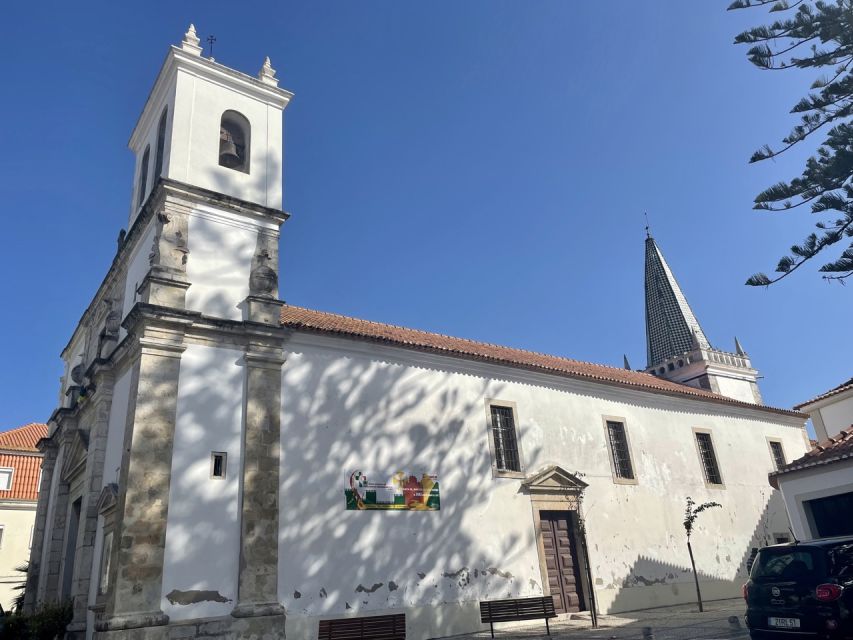
This is a private tour with your own private car and driver/guide. That means you’re not stuck reacting to other people’s pace. And small-group structure—limited to 4—keeps it from turning into a “meeting room on wheels.”
It also gives your guide more flexibility. The program can be adapted according to your preferences. That’s useful if you want to focus on religious sites rather than photo stops, or if you want to spend more time on the story-linked details like the Chapel of Apparitions and the Azinheira Grande.
One more practical perk: your guide can usually help you move between key sections without wasting time. The day still has a fixed 9-hour container, but you’re less likely to feel rushed at the wrong moments.
From the service side, the guides linked with this experience have been praised for smooth handling. Paola is specifically noted for being very attentive and for being excellent company. Rodolfo is noted for great guiding, offering recommendations, and getting the trip done without delays. That matches the kind of day you want when you’re doing a lot in one route.
Price and value: what $563 per group really buys
The price is listed at $563 per group for up to 4 participants. On a per-person basis, that can work out to about $141 each if you fill the group. If it’s just you or two people, it’ll cost more per person, because it’s priced per group rather than per ticket.
Here’s the value argument I’d make. You’re paying for:
- hotel pickup and drop-off in Porto
- a private car
- a private driver/guide
- a structured day that includes major stops in both Fátima and Santarém
If you compare that to piecing together public transport and separate guided time, the private format can make the day feel calmer. You avoid transfer friction, and you get a guide who can explain the significance of what you’re seeing rather than leaving you to interpret it from signage alone.
Is it expensive? Yes, especially if you’re traveling solo. But if you’re a couple, a small family group, or friends who want the itinerary without the stress, it’s a sensible use of your time in Portugal.
What to bring and how to set yourself up for a smooth day
This is the kind of day where small choices make a big difference.
Bring:
- a passport or ID card
- comfortable shoes
Comfortable shoes aren’t optional here because you’ll want to move naturally between indoor and outdoor points, and you’ll likely want to slow down at the story-specific locations. If you’re sensitive to long sitting during travel, dress in layers so you can adjust to changing temperatures in churches and in the car.
Also, since food and drinks aren’t included, plan for a snack or budget some money for meals on your own. Don’t wait until you’re hungry—9 hours is long enough that a late meal can turn into an unnecessary stress spiral.
Who this tour is best for (and who should skip it)
This fits best if:
- you want a focused day that covers both Fátima and Santarém
- you value a private driver/guide and small-group pacing
- you’re interested in the story details connected to the shepherds and the Eucharistic Miracle display
- you’re traveling with someone who appreciates guided context rather than self-guided wandering
You might want to skip it if:
- you prefer to take multiple days and travel slowly at each site
- you don’t like structured itineraries and would rather roam freely
- you’re very budget-sensitive and only want to pay per person, not per group
Should you book the Porto Fatima and Santarém private day tour?
I’d book this if your goal is meaning plus efficiency. You’re getting major Fátima sites (including the Basilica where the three shepherds are buried and time at the Chapel of Apparitions and Azinheira Grande), then shifting to Santarém to see the Eucharistic Miracle of 1266 with the host displayed in a crystal pyx and silver monstrance inside the Church of St. Stephen of the Holy Miracle.
Two practical reasons to feel confident: the tour is private and limited to 4, and you’ll have a guide speaking English, Spanish, French, or Portuguese. On top of that, the experience has a reputation for smooth, attentive guiding—notes associated with guides like Paola and Rodolfo.
I’d only hesitate if you’re the type who gets cranky on long travel days, or if you want meals included. If that’s you, plan your food ahead and treat it like a full-day outing, not a quick pop-in.
If you want a spiritual and cultural day that’s structured but not chaotic, this is a strong choice.
FAQ
Where does the tour start and end?
Pickup is included from your location in Porto, and the tour returns you back to Porto.
How long is the tour?
The total duration is 9 hours.
Is the tour private or shared?
It’s a private tour with a small group size limited to 4 participants.
What’s included in the price?
Hotel pickup and drop-off in Porto, a private car, and a private driver/guide are included.
Is food and drinks included?
No. Food and drinks are not included.
What languages are the live guides?
The live tour guide is available in English, Spanish, French, and Portuguese.
What should I bring?
Bring a passport or ID card, and wear comfortable shoes.