REVIEW · PORTO
Porto: Azulejos Tiles Walking Tour
Book on GetYourGuide →Operated by Nuno Miguel Ferreira Silva · Bookable on GetYourGuide
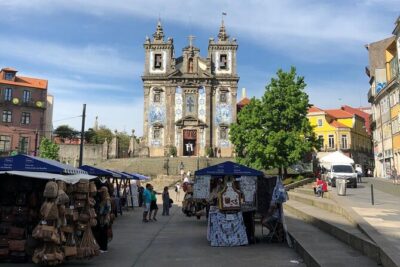
Porto’s tile walls have real stories. This guided walk is a hands-on way to enjoy azulejos while you also learn the city’s tile history and production methods across the historic core. You’ll get up close with tile art on churches and local buildings, and you’ll end near São Bento train station, where the tiles help you see Porto differently.
I like two things most: the guide-led explanations that turn pretty pictures into context, and the mix of stops—religious sites, tile-related spots like depots/stores, and the train station—so you understand how tiles lived in everyday life. One possible drawback: it can be pretty talk-heavy. If you prefer a quick photo walk over guided storytelling, you may find the pace slightly long-winded.
In This Review
- Key things that make this Porto tiles tour worth it
- Why Porto’s azulejos make more sense with a guide
- Igreja do Carmo start: what to look for before the stories begin
- Iglesia do Carmen: church tiles that teach you the city’s visual language
- Bank of Materials: connecting tile art to the real world
- The short depot/store-style stop: where tiles feel practical
- Ending near Avenida dos Aliados and São Bento station: your tile eye levels up
- Price and value: what $53 buys you here
- What you’ll learn (and how it helps after the tour)
- Who should book this Porto azulejos walking tour
- Should you book this Porto azulejos tiles walk?
- FAQ
- Where is the meeting point for the Porto azulejos walking tour?
- Where does the tour end?
- How long is the tour?
- What languages are the tours offered in?
- What’s included in the tour, and what’s not?
- Do I need tickets or do you handle any ticket lines?
- What should I bring?
- Is the tour wheelchair accessible?
- Is this tour suitable for children?
- Can I cancel or pay later?
Key things that make this Porto tiles tour worth it
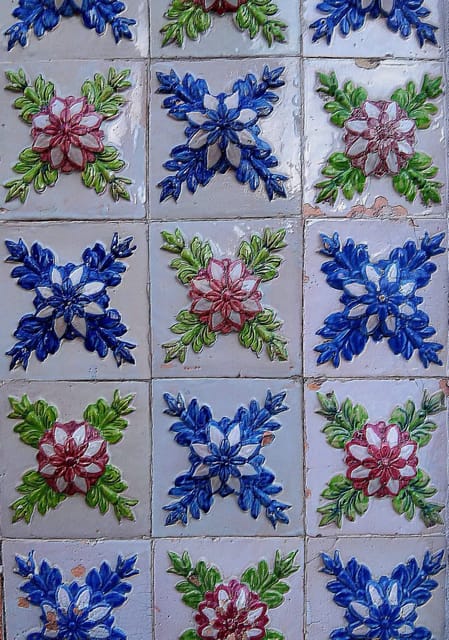
- Start at Igreja do Carmo and get oriented by the tiled facade right from the meeting point
- Church tile panels at short, focused stops that help you spot patterns fast
- Tile production context through visits tied to materials, depots, and stores
- UNESCO World Heritage historic center walking route gives the tiles bigger meaning
- Finish near São Bento station so you leave with a stronger eye for tile styles
- Guides like Susana and Nuno bring the stories to life with lots of room for questions
Why Porto’s azulejos make more sense with a guide
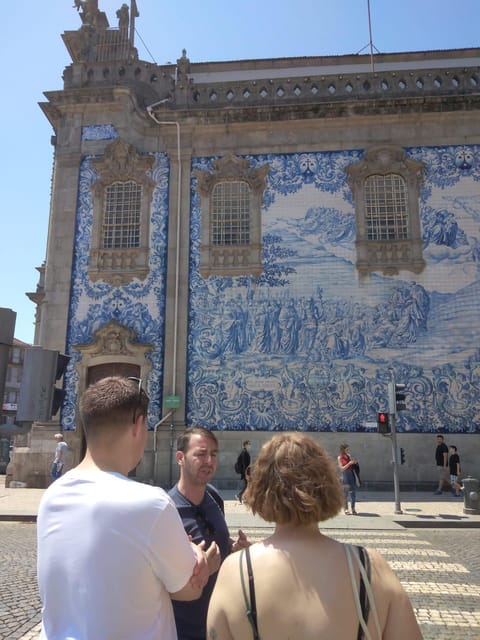
Porto’s azulejos aren’t just decoration. Once you know what you’re looking at, you start reading the city like a chart: colors, repeating motifs, and how tile art wraps around buildings. Walking with a guide helps because you’re not limited to vague impressions. You get the connections between the look of the tiles and how they were used across the city.
This tour is also a good deal of structure for the time. At about 2.5 hours, you cover the important historic center sites without getting lost in a self-planned route. The guide doesn’t treat it like a museum lecture, either. The whole point is to watch the tiles appear on churches, depots, stores, and then build toward the train station finale.
I also like that the tour focuses on techniques and applications—not just what the tiles show. That matters because you’ll start spotting differences on your own after the tour. Even if you don’t memorize every detail, you’ll notice style changes more quickly when you pass a facade later.
You can also read our reviews of more walking tours in Porto



Igreja do Carmo start: what to look for before the stories begin
You meet at Igreja do Carmo, by a tiled facade. That first moment matters because the guide can point out the “how” before you’re swallowed by “wow.” If you arrive early, use that extra minute to train your eyes: look for how the tiles are arranged (big panels versus full surface coverage) and how they sit on different parts of the building.
This is the best time to ask yourself a simple question: am I noticing the pattern, the placement, or the imagery? The guide’s job is to pull those threads together. You’ll get the background on Porto’s tile history and production in a way that makes the next stops easier to understand.
Practical note: bring comfortable shoes and plan for steady walking. Nothing about this tour is dramatic or athletic, but it is a walking experience in a historic center where you’ll want your legs fresh for the full arc of tile viewing.
Iglesia do Carmen: church tiles that teach you the city’s visual language
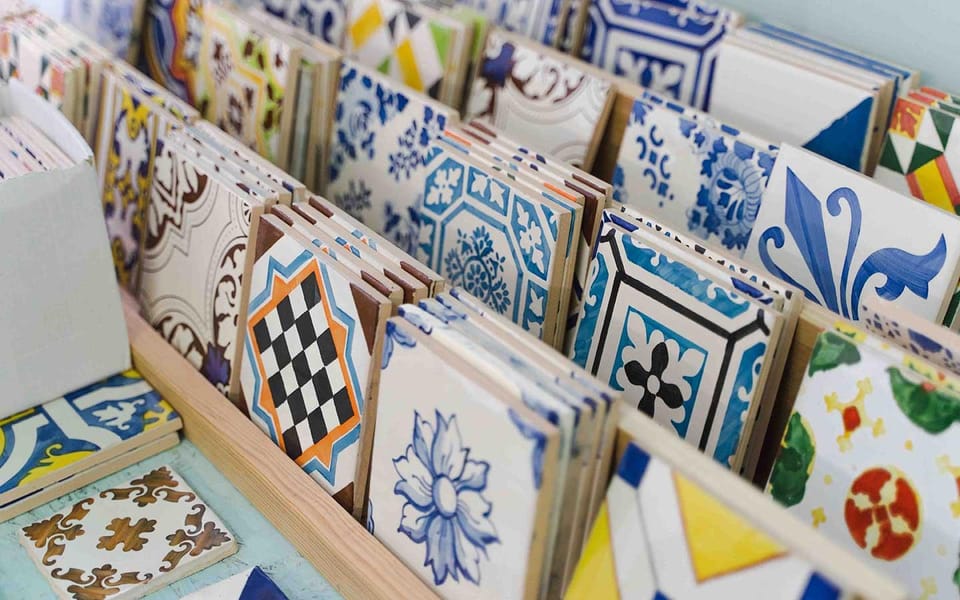
After the start at Carmo, the tour takes you to Igreja do Carmen for a short visit. Ten minutes isn’t long, so you’re not going to be “touring a church” in the normal sense. Instead, you’re using the church setting as a living classroom for tile design.
Religious buildings are some of the clearest places to see azulejos used in a deliberate way—placement matters, and the tile panels can feel like part of the building’s message. The guide’s explanations help you connect what you’re seeing to the broader history of Porto’s tile art, so those decorations stop being random and start feeling intentional.
What you’ll like here: you get that classic Porto moment—tiles on a church frontage—but you also get the interpretation that makes the rest of the tour click. The quick timing keeps you from getting bored, too. You see a lot, but the stops aren’t long enough to dull your attention.
Bank of Materials: connecting tile art to the real world
Next is a stop called the Bank of Materials. Even without getting overly specific about what’s inside, the value of this stop is that it ties the beauty you’re photographing to the idea of materials and production. You’re not only looking at finished buildings. You’re getting closer to the story behind the finished look.
This is where the tour leans into history: how tiles were produced, and how factories shaped what ended up on the streets. If you’ve ever wondered why certain tile designs look like they belong in particular decades or contexts, this is the type of stop that helps you ask better questions.
Also, this is a great place for curious travelers. Some guides are very good at turning your noticing into knowledge—asking you to look at repeat motifs, color choices, and how the tiles are applied across surfaces. If you like details, you’ll probably leave feeling like you can spot style clues sooner than you would after just wandering.
The short depot/store-style stop: where tiles feel practical
There’s another mid-tour stop lasting about 15 minutes, focused on the kind of places where tiles meet daily life—think depots and stores in the broader sense. The exact name of the place isn’t always the main point. The purpose is to show you tiles outside the most obvious “decorated building” context.
This stop helps you understand tiles as a city-wide craft system. You learn how tile art was applied across different types of surfaces and why certain patterns showed up where they did. It’s less about sightseeing and more about building a framework: tiles are art, yes, but they also reflect how materials and design choices spread.
One smart way to handle this portion: slow down your camera. Take fewer photos, and spend your time looking. If the guide points out techniques or how designs were used, catch it in your notes. Later in the day, you’ll start recognizing those choices even when the guide is no longer standing beside you.






Ending near Avenida dos Aliados and São Bento station: your tile eye levels up
The tour wraps up near Avenida dos Aliados, close to São Bento train station. This is a strong ending because it’s a perfect “final test.” By now, you’ve seen tile art on multiple building types, and you’ve heard how techniques and production history shaped what you see today.
São Bento is one of those places where tiles can feel like they belong to the background until you pay attention—then they start taking over your attention. The best part of finishing here is that you’re not just viewing tiles. You’re comparing them to what you saw earlier, using the tour’s explanations as your lens.
I also like the timing. Ending near such a major transit hub makes it easy to keep your day moving. You can transition to lunch, a museum, or a ride without feeling stuck in the “tour bubble.”
If you’re the type who likes to keep learning while traveling, this is also the moment you’ll start spotting clues faster on your own. People who stay longer in Porto often tell themselves a fun story afterward: I’ll notice tile patterns and recognize what seems older versus what looks more like a later reproduction. This tour gives you tools for that kind of street-level art spotting.
Price and value: what $53 buys you here
At about $53 per person for roughly 2.5 hours, the value comes from the guide-driven context. You aren’t just buying access to a few walls with decorative tiles. You’re buying interpretation of the city’s UNESCO historic center through a specialist who explains the history and production behind the art.
That’s also why the guide quality matters. Reviews highlight guides such as Susana and Nuno for being enthusiastic and packed with information, with the ability to answer questions. When that works, it turns ordinary street wandering into an educational experience that makes the city feel more legible.
Is it worth it if you only want postcard photos? Maybe not. You’ll still see beautiful tiles, of course. But this tour is best when you want understanding—when you like history, craftsmanship, and learning how art shows up in everyday architecture.
What you’ll learn (and how it helps after the tour)
The tour centers on Porto’s tile history and how tiles were made and applied. You’ll hear about factories that produced them and how different designs showed up across the city. You’ll also learn the idea of different tile techniques and applications—how tiles could cover building surfaces, appear as panels, or function as decorative storytelling.
Here’s the real benefit: you leave with a better eye. Even if you don’t remember every term, you’ll start noticing:
- how tiles differ in layout and coverage
- how repeated motifs shape a facade’s overall feel
- how tile art can signal different eras or building uses
A nice bonus: guides who explain manufacturers and time periods (not just generic facts) can change how you shop for souvenirs, too. Once you understand what looks like a specific style, you can choose with more confidence instead of buying purely on aesthetics.
Who should book this Porto azulejos walking tour
This tour fits best if you:
- like art and architecture more than you like shopping distractions
- enjoy guided explanations that help you interpret what you’re seeing
- want a practical route through the UNESCO historic center in a short time
- plan to spend multiple days in Porto and want an “upgrade” in how you notice the city
You might skip it if:
- you want a casual, low-information stroll
- you dislike listening to a guide for much of the experience
- you’re traveling with children under 8 (it’s not suitable for that age group)
Also, check the comfort level for your group. The tour is described as wheelchair accessible, but it also states it’s not suitable for people with mobility impairments. If mobility is a concern, you’ll want to confirm details before committing.
Should you book this Porto azulejos tiles walk?
Yes, I’d book it if you want Porto to feel like more than pretty streets. The mix of church-focused tile viewing, tile-related stops that connect to production and materials, and the final payoff near São Bento gives you a clear arc. At around 2.5 hours for $53, it’s a smart way to learn what makes azulejos special without losing your whole day.
Book it especially if you like asking questions and you want your guide’s eye on the details. When the guide is a strong fit—like the enthusiastic, question-friendly energy described by guides such as Susana and Nuno—you’ll likely leave Porto with a sharper sense of craft, not just color.
FAQ
Where is the meeting point for the Porto azulejos walking tour?
You meet by the tiled facade at Igreja do Carmo.
Where does the tour end?
The tour ends near Avenida dos Aliados, close to the São Bento train station.
How long is the tour?
It runs for about 2.5 hours (it’s described as a guided walking tour around this length).
What languages are the tours offered in?
The live guide offers tours in English and Portuguese.
What’s included in the tour, and what’s not?
The tour includes a guided walking experience with visits to churches, depots, stores, and the train station, plus insights into Porto’s tiles and their production. Transport and food are not included.
Do I need tickets or do you handle any ticket lines?
It includes skip the ticket line.
What should I bring?
Bring comfortable shoes, a camera, and water.
Is the tour wheelchair accessible?
Wheelchair accessibility is listed, but the tour also notes it is not suitable for people with mobility impairments. If this applies to you, it’s worth checking the situation before booking.
Is this tour suitable for children?
No. It is not suitable for children under 8 years.
Can I cancel or pay later?
Yes. It offers free cancellation up to 24 hours in advance and also provides reserve now & pay later.