REVIEW · PORTO
Jewish Walking Tour of Porto
Book on Viator →Operated by Pxt, Lda · Bookable on Viator
Jewish Porto has layers you can walk. This Jewish walking tour connects several key neighborhoods that shaped Jewish life in Porto, with a guide who keeps the story clear and human. I especially love the small-group setup that lets you ask questions as you go, and I love how guides like Pedro and Ricardo turn street-level landmarks into real history. One thing to consider: this experience really depends on good weather, so pack for rain if the forecast looks sketchy.
You’ll cover the city on foot with a local perspective, start at Terreiro da Sé, and finish in the busy center at Avenida dos Aliados. Expect a route that’s practical (no long detours), guided in English, and built around stops where you don’t need paid entry tickets. With a maximum of 15 travelers, it’s the kind of walk that fits both first-timers and people returning to Porto for a second look.
In This Review
- Key Things You’ll Like on This Jewish Porto Walk
- Why Porto’s Jewish Walking Route Still Matters
- Price, Time, and Group Size: Is $42 Worth It?
- Meeting Points at Terreiro da Sé and Avenida dos Aliados
- Stop 1: Terreiro da Sé and the First Jewish Community Threads
- Stop 2: Ribeira’s Trade Maze at Praca Da Ribeira
- Stop 3: Miradouro da Vitória and King João I’s 1386 Quarter
- Stop 4: Horto das Virtudes and the Jewish Cemetery Memory
- The Guides Make or Break It (Pedro, Daniel, Ricardo, Ana, Vanessa)
- Practical Tips: Shoes, Rain Gear, and What to Bring
- Who This Tour Suits Best
- Should You Book This Jewish Walking Tour of Porto?
Key Things You’ll Like on This Jewish Porto Walk
- Terreiro da Sé focus: how the area around the Cathedral connects to the earliest Jewish presence in Porto.
- Ribeira trade streets: narrow lanes and merchant life, not just monuments.
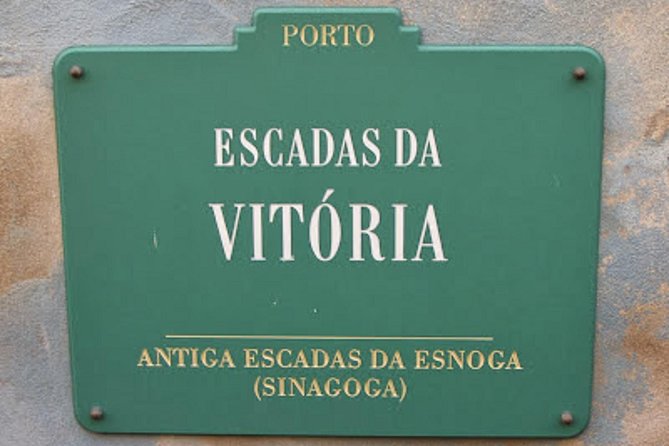
- Miradouro da Vitória context: the Vitória Jewish quarter traced back to King João I in 1386.
- Horto das Virtudes cemetery memory: the Virtudes Garden linked to the Jewish cemetery tradition.
- Guides who explain, not just recite: named guides such as Daniel, Ana, Vanessa, Pedro, and Ricardo are praised for storytelling, pacing, and answering questions.
Why Porto’s Jewish Walking Route Still Matters
Porto can look like a postcard city. But when you walk it with the Jewish history lens, you start noticing how the past sits under the everyday streets. This tour is built around that idea: you move from one historically meaningful area to the next and learn how Jewish communities fit into the city’s commercial and neighborhood life.
The route has a nice logic. You begin in the historic core near Sé, shift toward the riverside trade area, then head up toward Vitória, and finish in a garden space tied to the cemetery. It’s not just a list of points on a map. It’s a way to understand how people lived, where they gathered, and how place names can carry memory even when physical artifacts are limited.
You can also read our reviews of more walking tours in Porto



Price, Time, and Group Size: Is $42 Worth It?
At $42.05 per person, this is priced for a guided walking experience that lasts roughly 2 hours 18 minutes to about 3 hours. You’re paying for more than directions. You’re paying for a professional guide and local guidance that turns what you’d otherwise skim past—streets, corners, viewpoints—into something you can actually place in history.
A big value point: the stops on the route are listed as free admission. That means you’re not stacking up extra ticket costs mid-walk. You also avoid the hassle of figuring out where to start and how to connect each neighborhood yourself.
Group size matters too. With a maximum of 15 travelers, you’re less likely to feel like a seat-filler. And because the tour is offered in English with a mobile ticket, it’s straightforward to commit on short notice—though it’s still smart to book ahead.
Meeting Points at Terreiro da Sé and Avenida dos Aliados
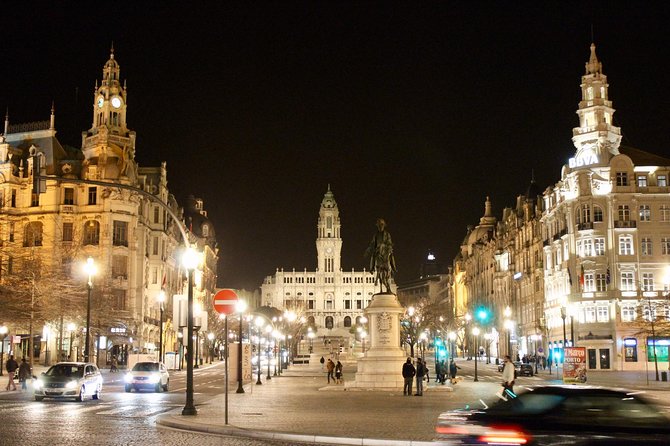
Start your walk at Terreiro da Sé, in central Porto. This is a good anchor point because you’re already in the old city area where the Cathedral neighborhood sets the tone. The tour ends at Avenida dos Aliados, which is one of the most convenient finish lines imaginable. It’s easy to continue on your own afterward—food, viewpoints, and transit are all nearby.
You don’t need to worry about hotel pickup unless you specifically selected it. Plan to meet at the start point and dress like you’re walking the city for a couple hours.
Also worth noting: the tour operates near public transportation. That helps if you’re mixing it with other Porto plans the same day.
Stop 1: Terreiro da Sé and the First Jewish Community Threads
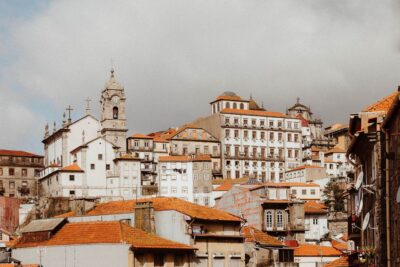
This is where the tour begins in the historical neighborhood around Porto’s Cathedral area. You’ll spend about 25 minutes here, and the focus is on how the city’s early settlement routes connect to the first Jewish community presence.
Why I like this start: it gives you a foundation fast. Instead of starting in the middle of a modern-looking street scene and hoping you’ll catch up, the guide frames the setting first. Terreiro da Sé is a place where the built environment helps you understand why communities formed where they did—near power centers, trade routes, and the activity that cities concentrate.
If you’re the type who likes to know the whys, not just the whats, this first stop usually clicks. You’re basically getting your historical map drawn directly onto the streets.
Stop 2: Ribeira’s Trade Maze at Praca Da Ribeira
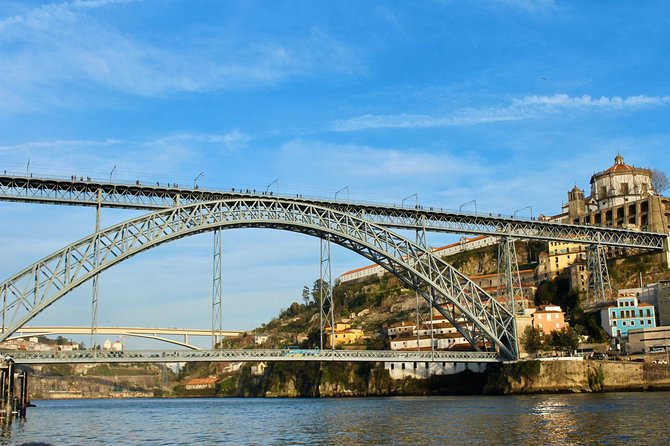
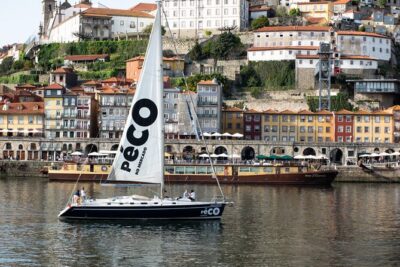
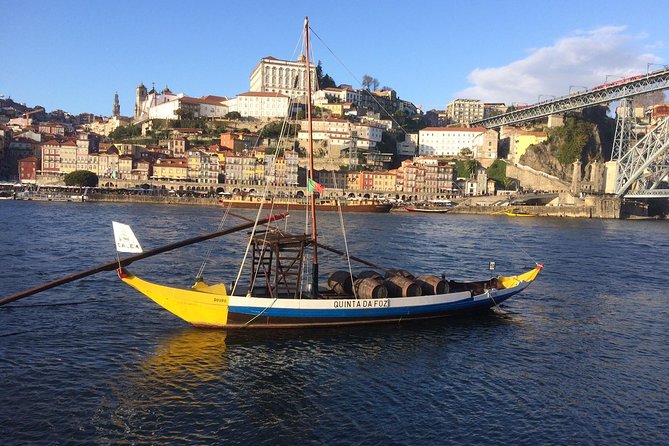
Next comes the riverside area around Praca da Ribeira, about 20 minutes. This is where Porto developed through trade and business, and the walking focus shifts from broad historical context to day-to-day city life.
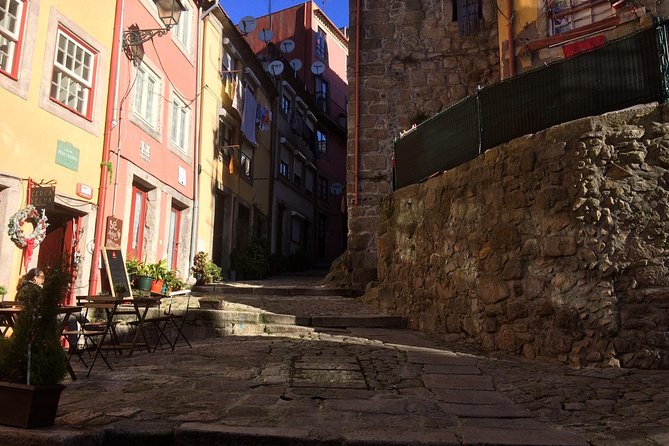
The highlight here is the sense of movement: merchants with stores and houses, and a layout that creates a maze of narrow streets. That detail matters. Jewish history in cities often has a strong neighborhood component, and trade areas are where people meet, work, exchange news, and build networks.
One practical payoff of this stop: even if you’ve wandered Ribeira before, you’ll likely start noticing the street rhythm differently. Instead of thinking of it as just a scenic waterfront, you can picture commerce and community tied to those lanes.



Stop 3: Miradouro da Vitória and King João I’s 1386 Quarter
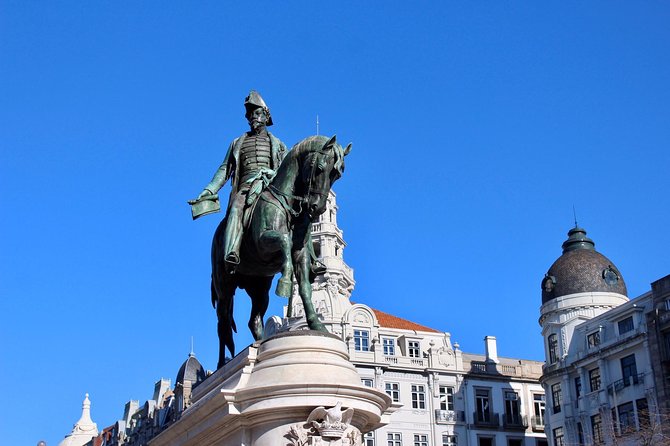
Then you head to the Miradouro da Vitória area for about 30 minutes. Vitória is identified as one of Porto’s Jewish quarters, and the tour ties its big-community timeline to King João I, established in 1386.
This is a smart stop because it gives you a viewpoint. Even if you’re not a big photo person, standing in a place like this helps you connect geography to story. Neighborhoods weren’t random. Hills, access routes, visibility, and the shape of the streets all influenced where communities could live and organize.
Also, this is where the guide’s storytelling style really shows. Some guides bring in visuals they prepared and use them to make dates and community shifts feel more concrete. If you’re someone who asks questions, this is often the segment where the conversation expands—because there’s plenty of context to pull into the discussion.
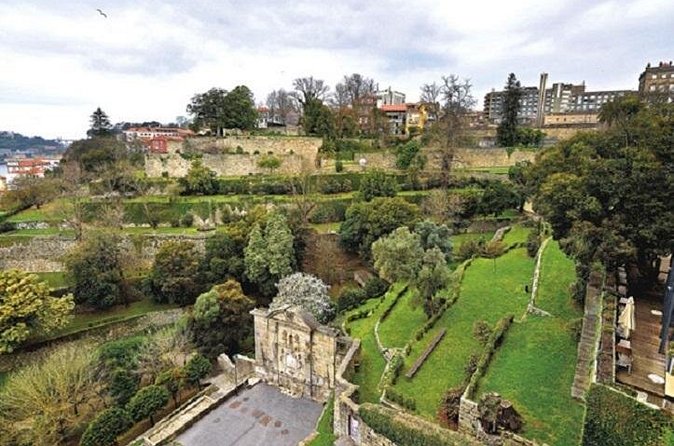
Stop 4: Horto das Virtudes and the Jewish Cemetery Memory
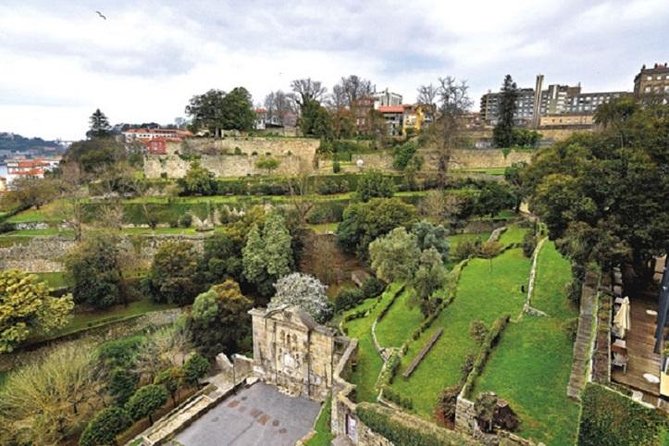
The final stop is Jardim Municipal do Horto das Virtudes, about 10 minutes. The tour connects this garden space to the Olival neighborhood and mentions historical documents pointing to a cemetery nearby. In older eras, the Virtudes Garden is described as tied to the Jewish Cemetery tradition.
This ending works well. It slows the pace and shifts from commerce and neighborhood life into remembrance. When you’re walking history, you want at least one moment where the story has emotional weight, and a garden tied to cemetery memory can do that without being heavy-handed.
Keep your expectations realistic: like much of Porto, you won’t always see tons of obvious, intact Jewish-era artifacts. That’s part of what makes the guide’s interpretation valuable. The city’s meanings are often in what’s been overwritten, repurposed, or simply absorbed into later layers.
The Guides Make or Break It (Pedro, Daniel, Ricardo, Ana, Vanessa)
The guides are a major reason this tour earns such strong ratings. People highlight guides such as Pedro, Daniel, Ricardo, Ana, and Vanessa for a few consistent strengths: clear explanations, strong command of Jewish history in Portugal, and the ability to answer questions without dodging.
A standout theme in the feedback is storytelling that stays understandable. That’s not just about facts. It’s about tone. When a guide can explain serious topics in a way that feels human—while also handling the political and cultural context—your walk stops being a history lecture and starts feeling like you’re learning how people actually lived.
Some guides also use prepared visuals, and that helps if you like structure when you’re absorbing lots of dates and names on foot. And if you’re lucky (or just booked one of the better sessions), you may hear about physical remnants tied to the Jewish community story, including references to an Aron Kodesh that had been hidden inside a wall for over a century after the Portuguese Inquisition.
That kind of detail is exactly why a guided walk beats reading a brochure.
Practical Tips: Shoes, Rain Gear, and What to Bring
This tour requires good weather. That’s not a small note—it matters. Porto weather can change fast, and there’s also a practical reality: you’re outside for close to three hours.
So plan like this:
- Wear comfortable walking shoes with grip.
- Bring a light rain layer or umbrella if skies look uncertain.
- Pack something small for water and a snack, since food and drinks aren’t included.
If you prefer a more relaxed pace, you’ll likely appreciate the small-group size. Still, it’s a walking tour, so don’t show up in shoes that turn your feet into regrets.
Also, you’ll be using a mobile ticket, so have it ready on your phone. The tour is in English, and it’s typically easy to join since it says most travelers can participate.
Who This Tour Suits Best
This Jewish walking tour is a great match if you want:
- A structured way to connect multiple Porto neighborhoods to one historical theme.
- A guide who can handle questions, not just talk.
- A walk that lasts a couple hours without feeling like a full-day commitment.
It’s also smart for people who already know Porto’s highlights and want something more specific. Even if you’ve been to Ribeira, Sé, or Vitória before, the Jewish-history framing changes how you read the city.
If you’re traveling with friends who like history, this can be a fun shared experience. And if you’re traveling solo, the small group makes it easier to engage with the guide rather than getting lost in a crowd.
Should You Book This Jewish Walking Tour of Porto?
If you’re curious about how Jewish life shaped Porto beyond the usual tourist story, this is worth booking. The price is reasonable for a guided, English-language walk, the group size stays small, and the route focuses on meaningful neighborhoods tied to the early community, the riverside trade world, the Vitória quarter connected to 1386, and cemetery memory at the Virtudes Garden.
Just be honest about one risk: weather. If rain is likely, bring proper gear and keep expectations flexible. And if you prefer a very strictly academic style, consider that some guides may lean into personal interpretation as they explain tough chapters of history.
My call: book it if you want a clear, neighborhood-based story you can feel on your feet—and if you’re ready to walk in whatever Porto gives you.