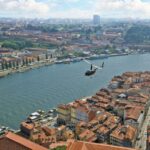
Few things beat a good Port cellar tour. This one at Poças mixes guided history with a hands-on tasting that shows how Port changes with age. It is short, structured, and built around a food-and-wine pairing you can actually taste through.
I like the family-run feel and the serious cellar focus, especially with barrels that can be up to 150 years old. I also like that the tasting is set up to show transformation, not just drinking wine, with several named wines from the Douro and Port aging timeline. A possible drawback: at 1 hour 30 minutes, you will have to move at a brisk pace, so don’t expect a long, wander-around-the-cellar daydream.
In This Review
- Key things I’d zero in on
- Poças in Porto: a family cellar you can feel
- The 90-minute flow: what happens from start to sip
- Cellar time: what you’re really looking at
- The tasting lineup: comparing Vintage and Colheita years
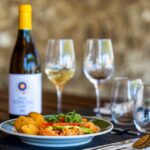
- Carpaccio, salmon, and cheese: pairing that changes the sip
- Price and value: why $117 can make sense here
- Who this suits best (and who should rethink it)
- Practical tips for your Porto day
- Should you book the Poças guided visit and gastronomic tasting?
- FAQ
- How long is the guided visit and gastronomic experience?
- Where does the experience take place?
- What does the ticket include?
- Which wines are included in the tasting?
- Is there food included with the wine?
- Is the ticket mobile?
- Is it easy to get there using public transportation?
- Can I cancel for a full refund?
Key things I’d zero in on
- A real cellar routine: you get guided access to the heart of Poças, not a quick lobby-style stop
- Tasting focused on aging: multiple “golden years” help you compare how Port evolves
- Food pairing option: choose harmonizations to match your bottles instead of generic bites
- Multiple featured wines: including Vintage 1999 and 2015 plus Colheita 2007 and 1997
- Strong track record: 100% recommended and a 4.9 rating from 14 reviews
Poças in Porto: a family cellar you can feel
Porto wine tourism can get a bit formulaic: stand in a hallway, taste a couple sips, move along. Poças keeps it grounded in the actual work of making and aging fortified wines, with a day-to-day cellar atmosphere that feels lived-in. The company is over 100 years old and still tied to the same Portuguese family, now in the hands of the 4th generation. That matters because it explains why the visit leans toward craft and routine rather than flashy performance.
What you learn in the background is also useful. Poças is known for Old Tawny Ports, and DOC Douro wines have been proving quality for the past 30 years. The brand also received the award Fortified wine producer of the year 2018 from Revista de Vinhos, and its Visitor Center has been distinguished with a Certificate of Excellence. None of this replaces the tasting, but it gives context: you’re not just paying to say you went somewhere, you’re stepping into a producer with a long-standing reputation.
And yes, you get a guided experience with a tasting at the end, which is where most people decide if they got value. This format keeps the cellar visit from being a lecture-only stop.
You can also read our reviews of more guided tours in Porto



The 90-minute flow: what happens from start to sip
The experience runs about 1 hour 30 minutes and uses a mobile ticket. That is practical in Porto: you can arrive, scan, and get moving without wrestling with paper vouchers. It is also described as near public transportation, which helps if you are hopping between riverfront sights and wine stops.
The structure is simple:
- You start with a guided visit through the cellar.
- You end with a guided tasting featuring selected aged Port wines.
- There is an option to select harmonizations, so your tasting has a food component that can change the way the wine tastes in your mouth.
The pace is the key trade-off. This is not a slow museum stroll. It is a guided route with a tasting “finish line,” which is great if you like decisions and comparisons, but it can feel tight if you want extra time to linger.
Most travelers can participate, so you are not signing up for something that feels physically demanding. Still, if you’re sensitive to standing and moving through cellar spaces, plan on comfortable shoes and a steady rhythm.
Cellar time: what you’re really looking at
The cellar visit is the heart of the experience. You’re walking through an operation built around aging, so you’ll want to watch for the cues that explain how Port becomes Port.
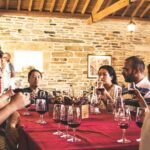
One standout detail from feedback: the guided portion can feature imposing Weinkeller-style cellar spaces with Port wine barrels up to about 150 years old. Even if you don’t memorize every term, you will notice the scale and the time element instantly. That makes the later tasting make more sense. When you can see how long wine has been resting, you taste with more context.
Here’s how to get more out of the cellar part:
- Listen for what the guide emphasizes about aging, not only what you see.
- Pay attention to why a wine from one vintage might taste different from another when it has spent time changing in the bottle and barrel environment.
- Ask what differences you should look for when you get to the glass, since the tasting is set up to make that comparison.
This is the kind of visit that rewards attention. You will get more than a photo op.
The tasting lineup: comparing Vintage and Colheita years
The tasting is designed to show transformation in the glass. Instead of doing a single flight of unrelated bottles, it sets up comparisons across different “golden years” and aging styles.
You can expect these wines in the lineup:
- Vintage 1999
- Vintage 2015
- Colheita 2007
- Colheita 1997
That’s a strong lineup because it nudges you toward two questions: how does time shape flavor, and how does style shape flavor? Vintage Ports and Colheita Ports are not interchangeable, so you’ll likely notice different patterns as the tasting moves.
Also, the wines are positioned as examples of the Douro Valley over time. That is useful because many Port tastings focus on what the bottle tastes like right now. This one aims to explain why it tastes that way.
If you like structured tastings, you’ll be happiest here. You can compare systematically: you taste, you remember, then you taste again with food. This also helps you buy later with confidence, because you’ll know what you’re aiming for.
Carpaccio, salmon, and cheese: pairing that changes the sip
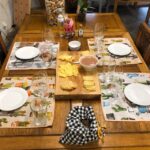
The gastronomic piece is not just a snack thrown in. The idea is harmonization, meaning the food is chosen to match how the wine behaves in your mouth.
In this experience, the pairing centers on carpaccio, salmon, and cheese. Even without going into exact recipes, you can treat this as a practical tasting strategy:
- Fat and salt from cheese and salmon can soften sharp edges and make certain Port characteristics feel rounder.
- Delicate proteins like salmon often make sweet wine feel more balanced, so you may taste less cloying sweetness.
- Carpaccio can bring a clean, savory note that helps you notice spice, aroma, and texture differences between vintages.
The tour notes that you can select different harmonizations to make the perfect pairing with your wine. That matters because pairing is personal. If you know you prefer seafood-forward bites or you like richer cheese, you’ll likely steer the pairing in the direction that makes the tasting click.
If you want maximum enjoyment:
- Take a bite, then wait a moment before sipping.
- Sip once without food after a couple pairings, just to notice the contrast.
- Don’t rush the last glass. Older Ports can reward slower tasting.
You can also read our reviews of more tours and experiences in Porto



Price and value: why $117 can make sense here
At about $117 for roughly 1 hour 30 minutes, it is not the cheapest thing on the Porto wine menu. But it includes more than a basic tasting.
What you are paying for, based on the experience description:
- A guided cellar visit
- Entry that is included with the admission ticket
- A tasting featuring multiple named wines (Vintage and Colheita years)
- A gastronomic experience with harmonizations you can select
So the real value question is whether you want (1) guided access and (2) a tasting that’s structured around comparisons. If you just want quick Port shots, you can probably find cheaper options. But if you want to understand aging and come away with taste memory you can use later, this format is efficient. You get enough wine variety in a short time window to learn something, not just drink.
Also, the short duration is a value in itself. Porto is a city where you may want to mix wine with sightseeing. 90 minutes fits nicely into a day plan.
Who this suits best (and who should rethink it)
This experience is ideal if you:
- Like guided wine visits where the tasting has an explanation behind it
- Want to compare named Port years in one sitting
- Enjoy food pairing rather than drinking wine alone
- Prefer a structured experience over an open-ended wandering style
It may be less ideal if you:
- Want lots of free time to roam the cellar without a set route
- Get impatient with guided pacing
- Are looking for a very casual, low-commitment tasting
If you’re the kind of person who likes to learn a few focused takeaways and then actually taste them, you’ll likely feel satisfied.
Practical tips for your Porto day
A few small moves can make this more enjoyable:
- Wear comfortable shoes. Cellars and tours involve standing and walking.
- Plan to eat beforehand lightly if you know you get hungry fast. You will get a food pairing, but the tour timing is short.
- Be ready for comparisons. If the guide tells you what to look for in the tasting, follow their cues instead of trying to taste every detail at once.
- If you care about pairing style, decide your preference early. Since you can select harmonizations, you can steer the experience to match what you’ll enjoy.
And since the Visitor Center is near public transportation, it’s easy to slot this into a day built around neighborhoods rather than needing a car.
Should you book the Poças guided visit and gastronomic tasting?
I’d book it if you want a Port cellar visit with a tasting designed for learning, not just sampling. The named wine lineup (Vintage 1999 and 2015 plus Colheita 2007 and 1997) and the fact that the tasting is paired with carpaccio, salmon, and cheese make it feel complete for the time.
Pass if you’re only interested in a cheap taste and don’t care about how aging changes the wine. Also reconsider if you hate guided pacing, because the experience is built to move steadily from cellar to glass.
Given the consistently high rating and the emphasis on high-quality wine and food, this is the kind of Porto experience that leaves you with real taste memories and a clearer sense of what you like.
FAQ
How long is the guided visit and gastronomic experience?
It lasts about 1 hour 30 minutes.
Where does the experience take place?
The experience is located in Porto, Portugal.
What does the ticket include?
The admission ticket is included, and you get a guided cellar visit plus a tasting at the end. The tasting includes a selection of aged Port wines and food harmonizations you can select.
Which wines are included in the tasting?
The tasting lineup includes Vintage 1999 and 2015, and Colheita 2007 and 1997.
Is there food included with the wine?
Yes. It is described as a gastronomic experience with harmonizations, including carpaccio, salmon, and cheese.
Is the ticket mobile?
Yes, the tour uses a mobile ticket.
Is it easy to get there using public transportation?
Yes. It is described as near public transportation.
Can I cancel for a full refund?
Yes. Free cancellation is allowed up to 24 hours in advance for a full refund, and within 24 hours the amount paid is not refunded.