REVIEW · PORTO
Cruise Shore Excursion – Private Tuk Tuk Tour to the Historic Center
Book on Viator →Operated by Portuk · Bookable on Viator
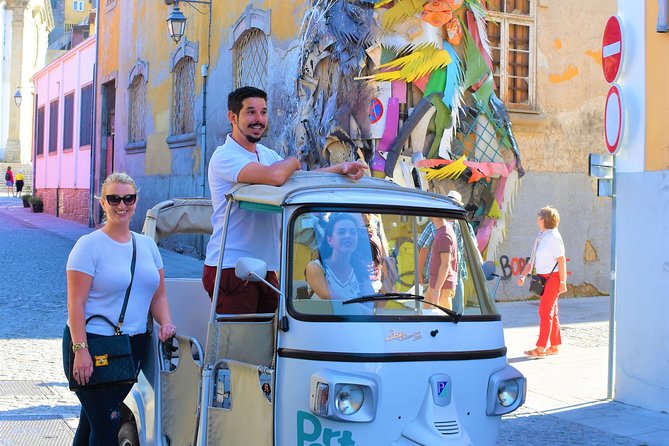
Porto hits different from a tuk-tuk. You’ll zip through the historic center on a small private ride and get a fast, human overview of the city’s highlights. The best part is how the route mixes church towers, river viewpoints, and grand old squares without turning your day into a slog of walking.
I really like two things here: the Port wine glass included at a scenic moment, and the fact you’ll have live guidance in English during the drive. That matters on a cruise day when you want answers fast, not just photos.
One possible drawback: key indoor sights like Torre dos Clérigos and Livraria Lello have separate entrance fees, so your “3.5 hours” can feel more like an orientation unless you plan ahead. Also, if your group expects a fully empty, guaranteed vehicle setup, you should be aware that a few past bookings reported sharing due to overbooking.
In This Review
- Key Things I’d Watch For
- What You’re Paying For in a 3.5-Hour Porto Tuk-Tuk
- Getting From Your Ship to the Start Without Losing Your Morning
- Porto’s River Story: Arrábida Bridge and Serra do Pilar Views
- Passeio das Virtudes: A Viewpoint Stop That Explains the City Fast
- Cordeoaria Garden and Fountain Moments: Free Stops That Feel Like Breathers
- Clerigos Tower and Livraria Lello: Big Names, Short Time, Separate Tickets
- Clérigos Tower (Torre dos Clérigos)
- Livraria Lello
- Churches and Rococo Interiors: Igreja do Carmo and Igreja dos Carmelitas
- Igreja do Carmo
- Igreja dos Carmelitas
- São Francisco Church, Ribeira Square, and the Gilded Effect
- Praça da Ribeira
- The Bolhão and Stock Exchange Area: Markets and Marble-Serious Architecture
- Mercado (Bolhão Market area note)
- Palácio da Bolsa (Stock Exchange Palace)
- Mercado Ferreira Borges
- Where Porto Ends Up: What the Port Wine Moment Feels Like
- Comfort Notes: Cobblestones, Small Seating, and Mobility
- Smart Tactics for Your 3.5 Hours in Porto
- Should You Book This Private Tuk-Tuk Tour to Porto?
Key Things I’d Watch For
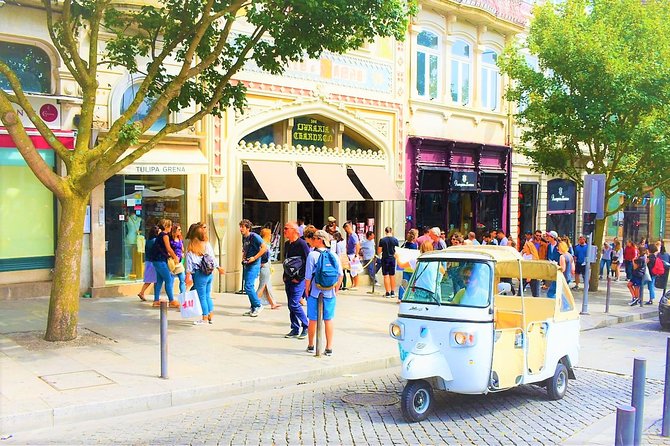
- Pier-to-tuk-tuk pickup: You’re met at the outdoor gate at Leixões, Matosinhos, or Doca Norte.
- Bridge and river context: Arrábida Bridge plus Serra do Pilar viewpoints explain how Porto works.
- A short list of big icons: Clerigos Tower, Lello bookshop, São Francisco church—high impact.
- Entrance tickets aren’t included: You can’t assume you’ll go inside every major stop.
- Cobblestones and tight seating: Expect bumpy roads and small vehicles designed for about two.
What You’re Paying For in a 3.5-Hour Porto Tuk-Tuk
At about $106.93 per person for roughly 3 hours 30 minutes, this isn’t a budget bus tour. You’re paying for three things that cruise travelers actually value: time, access, and guidance.
First, time. Porto is steep. A tuk-tuk keeps you moving between the viewpoints and monuments that define the city—so you spend energy looking, not climbing. Second, access. These vehicles can thread through narrow streets and areas where larger vehicles struggle. Third, guidance. You don’t just stop for scenery; you get context as you go—history, culture, and practical “what to do next” advice.
This tour is best if you want to understand Porto quickly. If you want hours inside museums and long shopping breaks, you may feel pushed for time. The stops are short by design, so you’ll likely do a lot of seeing from the outside, with optional paid entry for a few headline spots.
You can also read our reviews of more boat tours in Porto


Getting From Your Ship to the Start Without Losing Your Morning
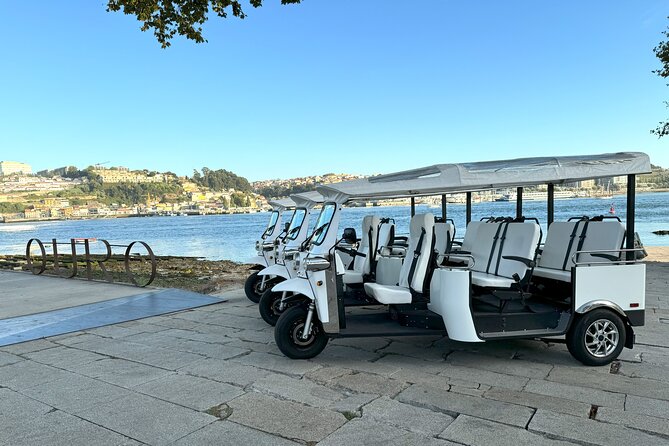
The meeting setup is built around cruise logistics. Pickup is offered from the main gate at these ports:
- Leixões Port
- Matosinhos Port
- Doca Norte
The tour starts no later than 1 hour after your ship arrives, and the operator says your guide will pick you up at the pier outdoor gate. You’ll also get a mobile ticket, which is handy when you’re juggling shore time and reboarding windows.
Practical advice: double-check which port you’re using on disembarkation day. Some cruise itineraries shift terminals, and it’s worth being ready so you’re not wandering outside in the wrong place. If you’re traveling with anyone who has mobility limits, this “getting to the first stop fast” part can make a real difference.
Porto’s River Story: Arrábida Bridge and Serra do Pilar Views
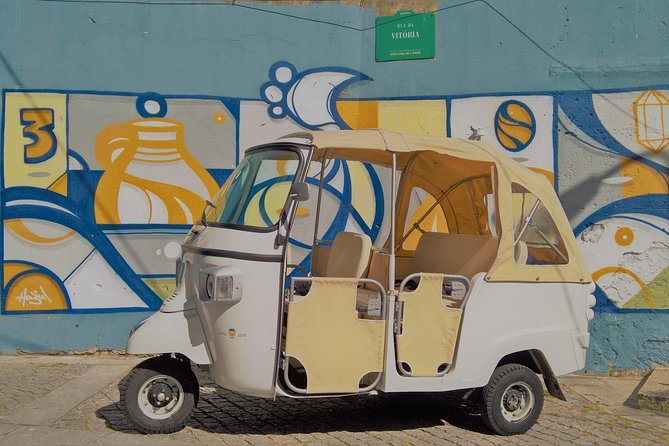
The route doesn’t start with a random grab-bag of landmarks. It builds an early sense of Porto’s geography—especially the Douro River and the way the city faces the water.
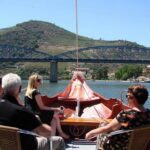
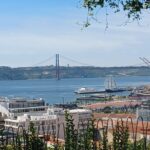
One standout is a stop tied to the Arrábida Bridge. This is the reinforced-concrete arch carrying multiple lanes over the Douro between Porto and Vila Nova de Gaia. It’s engineered by Portuguese engineer Edgar Cardoso, finished in 1963, and at the time it had a main span listed as the largest concrete-arch span worldwide. Even if engineering isn’t your thing, this stop works because it shows you the modern scale of the river crossing—then you pivot right back into older, more human Porto.
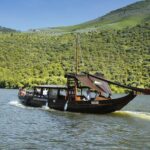
Later, you get to Mosteiro da Serra do Pilar, a UNESCO World Cultural Heritage site with a circular church plan and a viewpoint terrace. From here, you can see the riverside stretching toward both sides of the city, with the historic center and river bridges in view. It’s an excellent “make sense of the map” moment—one of the easiest places on the route to take in Porto as a whole without needing a long hike.
Passeio das Virtudes: A Viewpoint Stop That Explains the City Fast
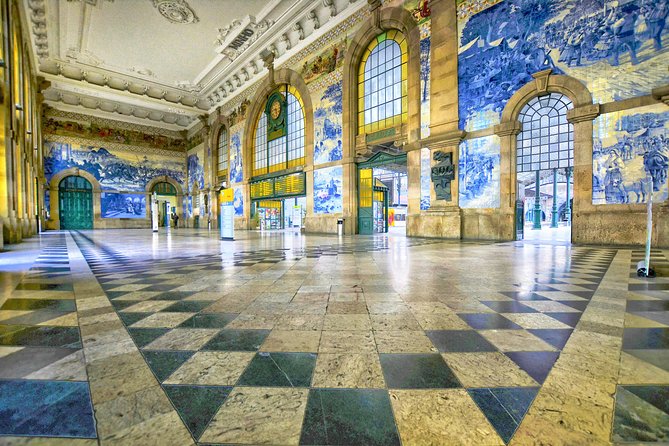
If you only had time for one river overlook, you’d want something like Passeio das Virtudes. You’ll get an excellent view down to the Douro mouth bar, plus terraces that run down toward São Pedro de Miragaia. The former Customs House is visible along the river, which is a nice touch because it links what you see to why Porto grew up where it did: trade, shipping, and river life.
The stop is short, but that’s the point. It’s quick orientation with a view. Then you’re off again, so you don’t waste your cruise day waiting around.
Cordeoaria Garden and Fountain Moments: Free Stops That Feel Like Breathers
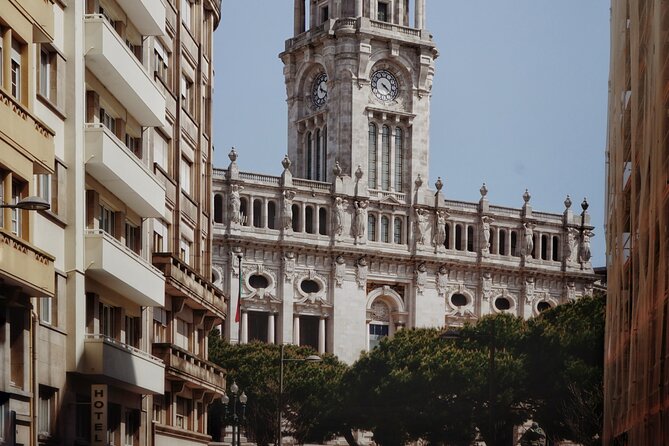
Not every stop is a ticketed “must.” You’ll also hit places that work as calm pauses between big monuments.
In Jardim de João Chagas (also called Cordoaria Garden), you’re in the middle of Porto’s park-and-statue world. This garden connects to the city’s rope-making past and the rope makers who stayed there for about 200 years. The garden was designed in the 1860s by German landscaper Emile David, and it includes statues and later sculpture additions from the Porto 2001 European Capital of Culture era.
Then there are small fountain moments like Fonte dos Leões (a 19th-century fountain). It’s tied to French water-company work and is described as a copy of a fountain from Leicester, England. These aren’t “you must memorize history” stops, but they’re great for photos and for breaking up the day so your legs aren’t the only thing working.
Also note: some churches on the route have tile-covered facades or famous interior details, but not all of that is guaranteed to be shown inside during a short stop. You’ll get the exterior impact, and you can decide case-by-case whether you want entry later.
You can also read our reviews of more private tours in Porto

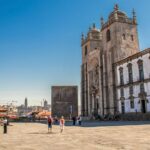


Clerigos Tower and Livraria Lello: Big Names, Short Time, Separate Tickets
Two of Porto’s most famous icons are on this route: Torre dos Clérigos and Livraria Lello. Both are worth it—just go in knowing they require planning.
Clérigos Tower (Torre dos Clérigos)
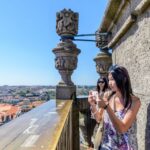
This baroque tower by Nicolau Nasoni is one of Porto’s most emblematic monuments. The famed detail is the climb—240 steps for the panoramic view over the city and the Douro. The complex also includes a multi-sensory experience simulating the climbing, and it’s described as accessible and available to visitors.
Entrance is not included, so you’ll decide on the spot (or in advance) whether you want to pay for the tower experience. On a cruise schedule, I’d treat the tower as a “yes if you care about views” stop, because that’s where it pays off.
Livraria Lello
Livraria Lello is all about style. The building opened in 1906, with an Art Nouveau façade and neo-Gothic details. Inside, the painted plaster mimics wood, and you’ll find the famous staircase and a stained-glass skylight with the monogram and motto Decus in Labore.
Like the tower, entrance isn’t included. Also, the famous interior lines can be intense, so if you really want inside time, I suggest buying tickets online before you go. Otherwise, you may end up admiring the façade and enjoying the area around it—still memorable, just different.
Churches and Rococo Interiors: Igreja do Carmo and Igreja dos Carmelitas
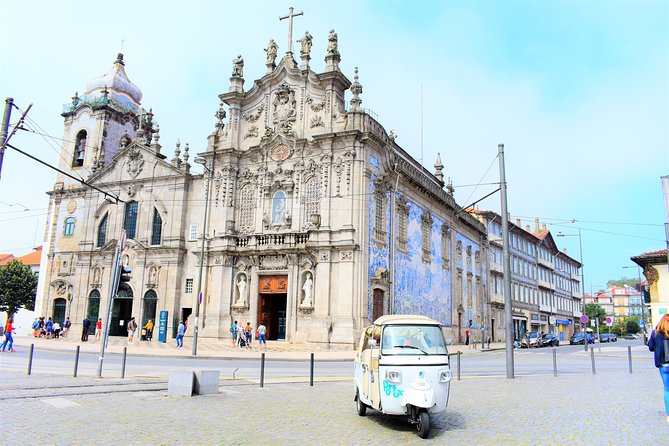
This is where Porto’s religious architecture shines, especially in the rococo style.
Igreja do Carmo
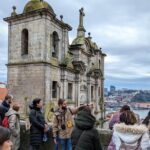
This church dates to the second half of the 1700s and is described as one of Porto’s most remarkable rococo buildings. Its lateral façade has tiles, designed by Silvestre Silvestri in 1912, with figurative compositions connected to the cult of Nossa Senhora (Our Lady). The church is a national monument.
Stop time is short, and entrance isn’t included. You’ll likely get more out of this stop if you’re comfortable reading details from the outside and focusing on the general architectural look. If you love interiors, plan to add extra time later using paid entry.
Igreja dos Carmelitas
Another national monument on the route: this seventeenth-century church has a classical façade attributed to Nicolau Nasoni. Its altarpiece is described as Porto rococo and stylistically revolutionary.
Same idea here: the exterior and general impression are the “sure thing.” Interiors are a bonus if you buy separate tickets and manage time well.
São Francisco Church, Ribeira Square, and the Gilded Effect
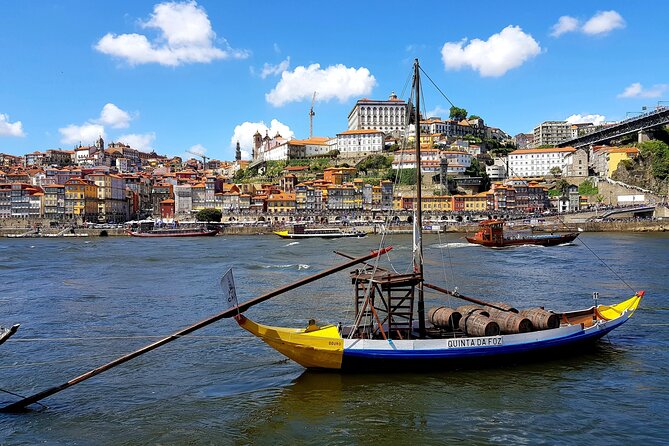
Porto’s Gothic-to-Baroque mix is a big deal, and Igreja de São Francisco is a highlight for good reason. It’s called Porto’s most important Gothic temple, with construction beginning in the 14th century, and then it later becomes famous for its gilded 17th- and 18th-century interior.
This is the kind of stop that makes Porto feel like it’s been decorated with money and patience—especially with features like the Tree of Jesse and the catacombs. Entrance isn’t included, so you’ll need to decide if you want the full interior experience during your shore day. Even from outside, the building’s reputation does not feel exaggerated.
Praça da Ribeira
You’ll also spend time around the old riverfront square, tied to Porto’s medieval commercial life. The area is associated with the old wine-financed remodeling plans from the 18th century and includes an important fountain area and archaeological discoveries from the 1980s. A sculpture known as the Cube of the Ribeira is part of that story, and the square is known for nightlife.
One practical point: the square is marked as closed to vehicles, so don’t expect your tuk-tuk to roll right up like it does elsewhere. You’ll be walking a bit in the historic core.
The Bolhão and Stock Exchange Area: Markets and Marble-Serious Architecture
If you like the feeling of Porto doing business—fish, markets, trading houses—this part hits.
Mercado (Bolhão Market area note)
Bolhão Market is described as Porto’s most famous market, with neoclassical architecture dating to 1850 and two-floor layout. It’s dedicated mainly to fresh products and includes specialized sections like fishmongers, butchers, green grocers, and florists. But it’s also listed as currently closed for refurbishment works, so you may be seeing it from the outside only.
Palácio da Bolsa (Stock Exchange Palace)
Then you’ve got Palácio da Bolsa, a national monument and headquarters of the Commercial Association of Porto. Designed in neoclassical style in 1842, it’s especially known for the famous Arabian Room and it’s also listed as part of the Urban Wine Route.
Entrance isn’t included, so this works well if you want the architecture and square experience now and decide on interior tickets later.
Mercado Ferreira Borges
You’ll also pass by Mercado Ferreira Borges, built in 1885 to replace an older market. It’s highlighted as a major example of iron architecture in Porto. Today, it’s renovated into an entertainment venue, and the listing notes Hard Club is there.
Where Porto Ends Up: What the Port Wine Moment Feels Like
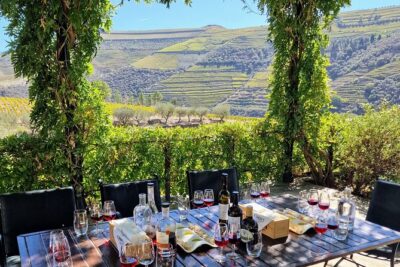
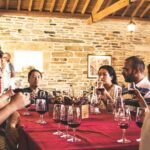
At some point during the ride, you’ll get an included Port wine glass. It’s not framed as a long bar stop. In practice, the way this tour delivers it tends to fit the schedule: you taste it as part of a viewpoint pause rather than as a full sit-down experience.
This makes sense on a cruise day. You get a classic Porto ritual without losing 45 minutes to a late decision and a crowded tasting room. If you want to buy bottles afterward, the tour’s best value is that it gives you a reason to look for what you liked.
Comfort Notes: Cobblestones, Small Seating, and Mobility
This is where I try to save you from unpleasant surprises.
- The streets can be cobblestoned, which means bumps. One review specifically called the roads bumpy and noted the fit for people without back issues. If you have a sensitive back, bring a little patience.
- Tuk-tuks can be small. One review noted these tuk tuks are designed for about two people. If your group has three, you might feel tight and uncomfortable.
- That said, guides seem able to help with practical adjustments. One review mentioned a guide helping with mobility limitations, and the tour is described as accessible in the sense that pickup and short stops reduce steep walking demands.
Service animals are allowed, and the tour says most travelers can participate. If you’re unsure, I’d base your decision on how you handle short walking segments and a bumpy ride.
Smart Tactics for Your 3.5 Hours in Porto
Here’s how to turn this into a win, not a checklist.
First, decide what you want to enter. Because monument entrances aren’t included, you should pick one or two “inside” priorities, like Clérigos Tower or Livraria Lello. If you try to do everything inside without preplanning, you can run out of time.
Second, use the guide’s time wisely. The tour gives history and culture, plus tips on where to eat and what to order. One guide recommended a local sandwich order and timed walking back to the port. That’s the kind of practical advice that saves you from chasing dinner when you’re tired.
Third, bring the right expectations for shopping. This is not built around browsing. If you want stores and markets, look for brief windows and quick stops rather than a full shopping block.
Should You Book This Private Tuk-Tuk Tour to Porto?
Book it if:
- You have a cruise day (or short time) and want a fast Porto orientation with river viewpoints.
- You like seeing multiple “big names” in one go: Clérigos, Lello, São Francisco, and major squares.
- You want to reduce steep walking and still learn what you’re looking at, with live commentary and a private setup.
Skip or adjust expectations if:
- You want lots of time inside ticketed attractions like Torre dos Clérigos and Livraria Lello.
- Your group needs guaranteed room for more people in one tuk-tuk. Some past experiences reported sharing due to overbooking, so you should confirm what “private” means for your exact vehicle setup.
- You’re sensitive to bumpy cobblestones.
If your goal is to get your bearings fast, see the classics, and leave with a clear sense of where you’d return later, this is a strong way to do a Porto first visit.