REVIEW · PORTO
City Walking Tour & Port Wine Cellar
Book on Viator →Operated by CD Porto Tours · Bookable on Viator
Porto gets better with wine. This smart combo mixes hand-painted azulejos with story-rich stops around the old city, then finishes in Vila Nova de Gaia with a port tasting. I love the way the walk gives you a sense of how Porto works (not just what it looks like), and I also like the small-group feel that keeps questions in the mix. One heads-up: the tasting happens at the end, so you’re walking first and sipping second.
You’ll start near the Imperial Praça da Liberdade area, then get guided through major landmarks and quieter corners that fit together like a well-timed story. Guides in this format are often lively and photo-friendly, and you can tell they want you to understand both the city and the wine—not just collect stops.
The only real drawback I’d plan around is physical pace. The tour asks for moderate fitness, and you should expect a fair amount of walking and stairs, plus some “stand here and look” viewpoints.
In This Review
- Key highlights worth carving out time for
- A 3-hour Porto walk built around tiles, viewpoints, and context
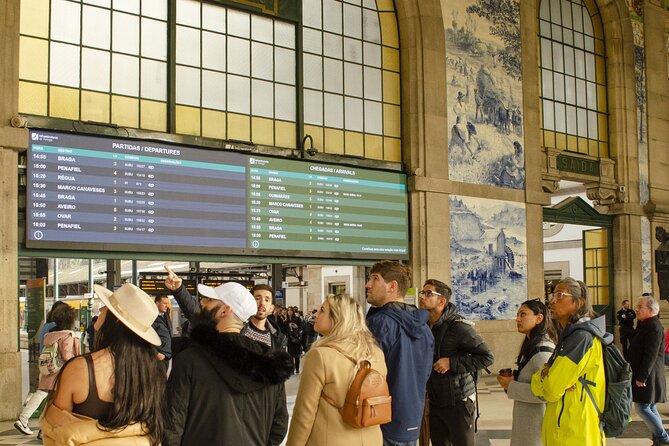
- The first stop: the central train station and its 20,000 hand-painted azulejos
- Porto Cathedral area and the miradouros: religion made simple, views made useful
- Through the oldest neighborhood: invasions, Portuguese Discoveries, and how stories overlap
- Crossing into Gaia: leaving Porto, entering the wine-aging world
- The best city perspective segment: when the walk starts paying you back
- Cais de Gaia cellar visit: tasting 3 port wines with a real lesson
- Guide style makes or breaks the day: Nuno, David, and João energy
- Walking reality check: stairs, timing, and how to handle the pace
- Price and value: why $42.33 can feel fair (or not) for your priorities
- Who should book this Porto + port combo (and who should skip it)
- FAQ
- FAQ
- How long is the City Walking Tour & Port Wine Cellar?
- How much does it cost?
- Is the tour in English?
- Where does the tour start and end?
- What’s included in the price?
- Is hotel pick-up or drop-off included?
- How physically demanding is it?
- Is there a limit on group size?
- Are animals allowed?
- Can I cancel for a full refund?
- Should you book this Porto walking tour and port tasting?
Key highlights worth carving out time for
- Azulejos at the central train station with a history explanation tied to the scenes
- Porto Cathedral and miradouros for a quick, useful primer on religion and viewpoints
- Old neighborhood stories that connect invasions and Portuguese Discoveries without getting dry
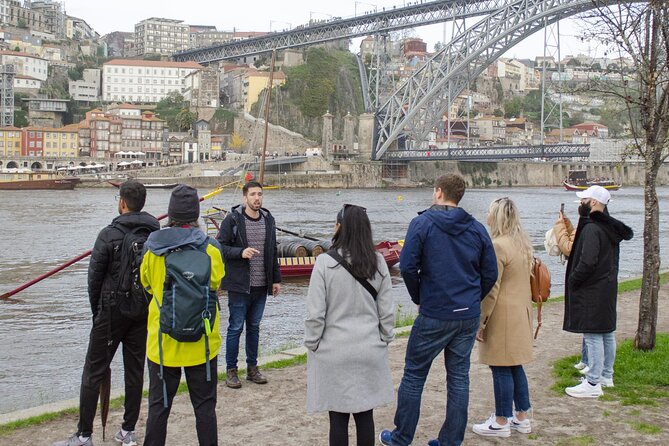
- Crossing the lower Dom Luís bridge area into Vila Nova de Gaia, the port-aging side
- Cais de Gaia cellar visit with 3 port wines tasted and a lesson on reading styles/labels
- Max 12 people for more personal attention and a calmer pace than big buses
A 3-hour Porto walk built around tiles, viewpoints, and context
This is a classic “get your bearings fast” Porto day, but with better structure than most quick city tours. The route is designed to show you the spine of Porto: you move through historic parts of the city, then cross to Gaia where the wine world takes over.
What I like about this setup is that it teaches you how to see. You’re not only looking at buildings and tiles; you’re getting short explanations that make the next street make sense. That matters in Porto because the city can feel steep, layered, and easy to wander in the wrong direction.
You also get a real time split: a walking-history portion first, then the wine producer visit and tasting. If you’re the type who wants to understand what you’re drinking, that end-of-tour format is a plus.
You can also read our reviews of more walking tours in Porto



The first stop: the central train station and its 20,000 hand-painted azulejos
The tour begins with a stop at one of Porto’s most famous tiled train stations, where a huge visual program tells stories in hand-painted azulejos. You’ll get a historical summary tied to what you’re seeing, and the guides typically focus on helping you read the scenes instead of just pointing out decorative details.
Why this is worth your time: azulejos aren’t random decoration in Portugal. They’re a kind of public storytelling—religion, daily life, political moments, and major historical events painted into everyday space. When a guide connects the tiles to the bigger narrative of Portugal, the station becomes more than a pretty photo stop.
Practical tip: if you’re sensitive to crowds inside stations, arrive with patience. This is usually a popular area, and the tour uses it early to set the tone.
Porto Cathedral area and the miradouros: religion made simple, views made useful
Next you’ll pass by Porto Cathedral and the Bishop’s house, with a brief explanation about religion in Portugal. It’s not a long lecture; it’s just enough background to understand why so many landmarks in Porto are tied to church power and tradition.
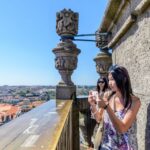
Then you’ll get a look at miradouros—viewpoints—where the city opens up. Porto rewards this kind of pacing: stop, listen, look, then walk again. If you rush through viewpoints alone, you miss the “why here” part that a guide adds.
Possible drawback: some people want more time at viewpoints. Since the tour is built to cover both city and wine, your best strategy is to ask the guide where to return later for a longer look.
Through the oldest neighborhood: invasions, Portuguese Discoveries, and how stories overlap
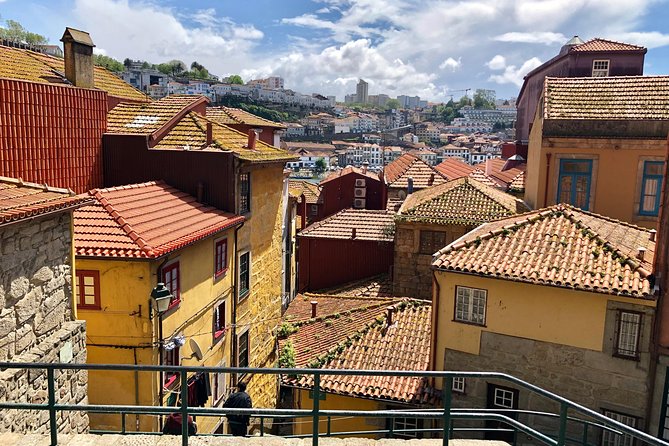
The walk continues through the older parts of Porto, where the guide connects difficult history (including Muslim invasions) with what followed—especially the era of the Portuguese Discoveries. This is where the tour feels like it’s doing something practical: it shows you that Porto’s identity is a chain of events, not a single era.
You’ll likely also notice how the city layout supports the storytelling. Older neighborhoods tend to cluster around key churches, old trade routes, and natural viewpoints. The guide’s job is to help you spot those patterns while you’re moving.
If you’re hoping for only scenic wandering, this stop could feel like history class for a bit. But if you like street-level context, it’s one of the most satisfying segments of the walk.
Crossing into Gaia: leaving Porto, entering the wine-aging world
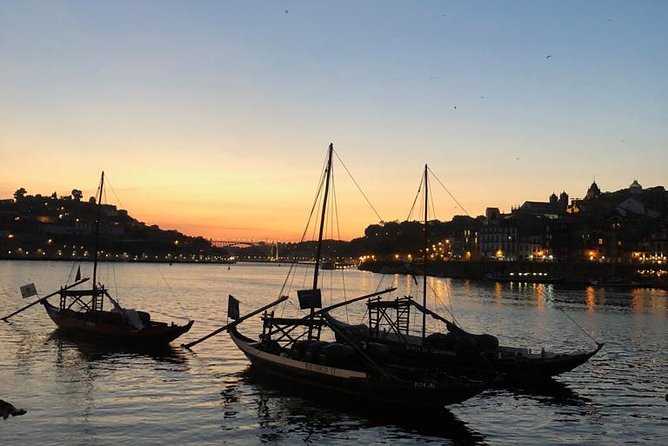
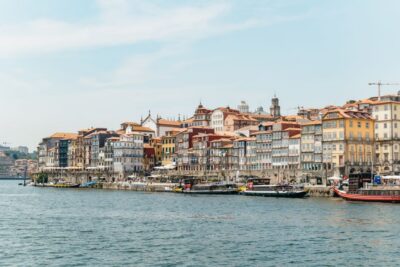
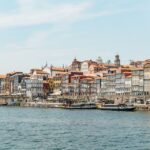
After you’ve built up the Porto story, the route crosses into Vila Nova de Gaia—the south bank side where port wine is aged. This shift is more than geography. It’s a thematic pivot: you go from architecture and city life to the production side of Portugal’s best-known export.
One thing to watch for: the walk includes sections that can feel like a mini workout. The tour is described as moderate fitness, and reviews mention stair climbing (and sometimes downhill walking). Wear shoes you’d actually trust for uneven stone streets.
Why this crossover matters: Gaia is where you get the full sense of why Porto is a port city at all. When you reach the riverfront areas, the tasting portion starts to feel earned, not random.
You can also read our reviews of more city tours in Porto



The best city perspective segment: when the walk starts paying you back
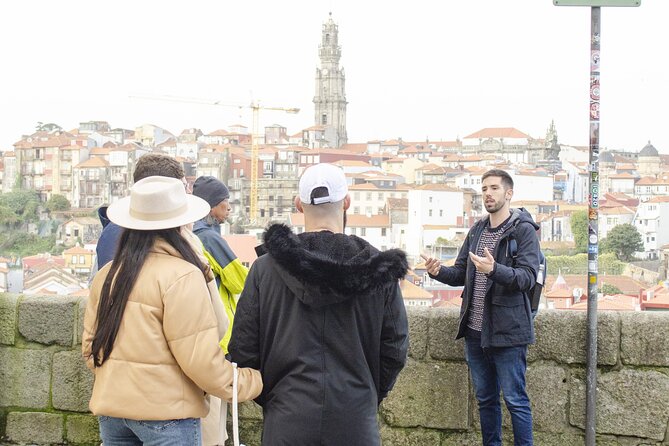
Before the cellar visit, there’s a stretch dedicated to one of the best city perspectives. This is the part that makes you stop walking for a moment and just take Porto in: river views, the bridge context, and the steep geometry of the city.
I like this placement because you’re not overwhelmed at the start. You’ve already heard the stories and seen major landmarks, so the view feels like a summary of what you’ve learned.
Tip: if it’s rainy, don’t skip layers. Even in bad weather, the guide can help you spot the key sight lines, and the tour is still designed to keep going.
Cais de Gaia cellar visit: tasting 3 port wines with a real lesson
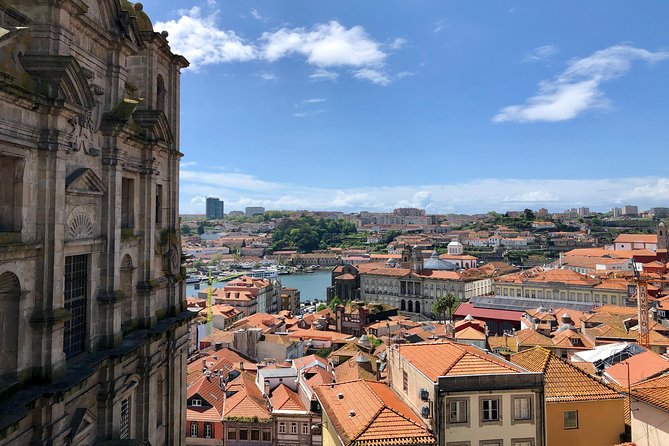
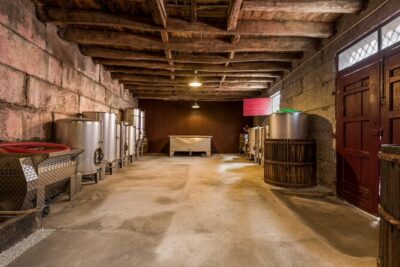
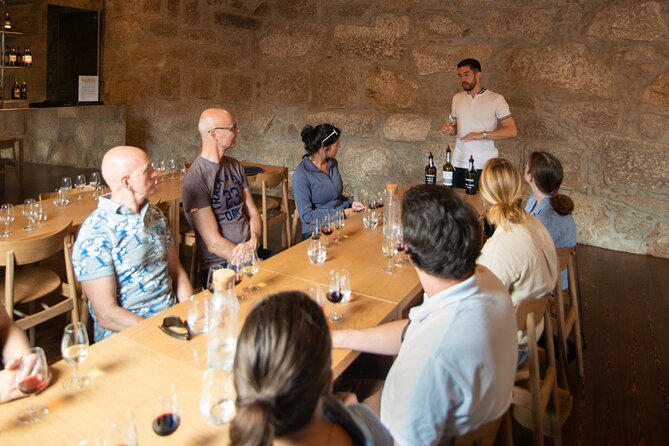
The final act is the visit to a cellar at Cais de Gaia, where the tour brings you to port wine producers. You get about 1 hour 30 minutes for the cellar time, and the package includes a tasting of 3 port wines.
This is the segment that most people remember. The strongest reviews emphasize:
- The guide coaching you on how to compare flavors across the different ports
- A clear explanation of how port styles and labels connect to taste
- Fun, upbeat tasting energy that doesn’t feel intimidating
So what should you expect from the tasting portion?
You’re not just handed glasses and told good luck. You’ll get context for what you’re drinking and how to identify the differences. If you’ve never tasted port before, this helps you avoid the common trap of thinking all port tastes the same.
One honest caution: this tour isn’t built as an all-day drinking marathon. Several comments note that tasting is concentrated at the end, not throughout the walk. If you want frequent pours along the route, choose a different format.
Guide style makes or breaks the day: Nuno, David, and João energy
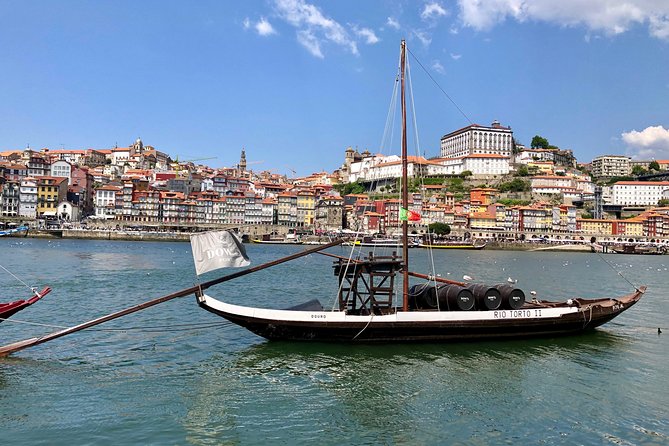
A big reason this tour gets such high marks is the human factor. Guides named in the experience feedback include Nuno, David, and João, and their styles show a pattern:
- High-energy storytelling with good pacing (even in rain)
- Strong English that stays clear and easy to follow
- Patience for questions and photo requests
- A knack for making architecture and history feel connected
If you’re the type who asks questions on tours, you’re in luck. The best guides on this route seem to invite the conversation, then steer it back to the central themes: how Porto became Porto, and how port became port.
There’s also a lesson side. People mention getting help interpreting styles/labels, and guides explain enough so your tasting makes sense instead of feeling random.
Walking reality check: stairs, timing, and how to handle the pace
This tour is built for a moderate level of walking. Reviews mention stair climbs and a generally active route. If your mobility is limited, you’ll want to think carefully about the uphill/downhill mix and whether you can keep a steady pace for the full loop.
Also note the timing rhythm. Some stops involve short explanations while you stand or walk slowly. That’s normal for a history-and-tasting combo. But if you’re the kind of visitor who wants fewer “pause moments,” you may find certain stops run a little long. The best move is to use that time: ask a question, take a photo, and then move on.
Rain tip: the format still works in bad weather because it keeps you moving and provides enough indoor-friendly stops to stay on track.
Price and value: why $42.33 can feel fair (or not) for your priorities
At $42.33 per person for about 3 hours, you’re paying for three things:
1) Guided walking tour covering major historic themes and landmarks
2) A structured port visit at producer level (not just a general souvenir stop)
3) A tasting of 3 port wines
If you try to DIY this, you can certainly cobble together the sightseeing and maybe buy a tasting later. But you’ll likely lose the main advantage: the guide connecting what you see to what you taste. You also save time hunting for the right cellar with the right lineup.
Where the price might feel less worth it is if your main goal is heavy wine time. This is a history-first walk with a cellar finish. If you’re expecting repeated tastings all along the route, you may feel like you waited.
For most first-time Porto visitors who want both culture and port, the math tends to work.
Who should book this Porto + port combo (and who should skip it)
This tour is a good match if you:
- Want a first-day feel for Porto beyond the postcard shots
- Like history stories that connect to places you can still see
- Plan to taste port anyway and want help comparing styles
- Prefer a small group up to 12 instead of a large bus tour
Skip it (or compare) if you:
- Want wine as the main event throughout the entire walk
- Have a very low tolerance for stairs and long walking stretches
- Hate waiting for the tasting until the end
If you’re traveling with friends who want both city views and a wine lesson, this tour often lands well because it satisfies multiple interests in one day.
FAQ
FAQ
How long is the City Walking Tour & Port Wine Cellar?
It runs about 3 hours.
How much does it cost?
The price is $42.33 per person.
Is the tour in English?
Yes, it’s offered in English.
Where does the tour start and end?
It starts at McDonald’s – ImperialPraça da Liberdade 126, 4000-322 Porto, Portugal and ends at Largo Joaquim Magalhães, 4400-174 Vila Nova de Gaia, Portugal.
What’s included in the price?
You get a local guide, a visit to port wine producers, and a tasting of 3 port wines.
Is hotel pick-up or drop-off included?
No, hotel pick-up and drop-off are not included.
How physically demanding is it?
It’s best for people with moderate physical fitness, since the tour involves walking and includes stairs.
Is there a limit on group size?
Yes. The tour has a maximum of 12 travelers.
Are animals allowed?
No, animals (including service animals) are not allowed.
Can I cancel for a full refund?
Free cancellation is available if you cancel at least 24 hours in advance. If you cancel within 24 hours of the start time, it won’t be refunded.
Should you book this Porto walking tour and port tasting?
If your ideal Porto day is part storytelling, part viewpoints, and then a guided port tasting to wrap it all up, this is a smart booking. The price feels reasonable when you factor in the producer visit plus 3-port tasting and the guide help making sense of what you’re drinking.
I’d book it especially if it’s your first visit to Porto and you want a route that connects the city to the wine world in Gaia. Just go in knowing the pacing: you’re walking most of the time, then you taste at the end.