REVIEW · PORTO
7-Day The Way of St James Bike Tour- The Coast Path – Camino to Santiago
Book on Viator →Operated by Top Bike tours Portugal · Bookable on Viator
Coastal cycling beats the usual Camino slog. I love the feel of moving through Portugal and northern Spain on modern Trek mountain bikes, and I love that you ride a self-guided route with GPS support and a road book so you can keep your own rhythm. The big possible drawback: you still need to plan for heat and some hills, especially in high summer.
You’ll start in Porto, get your gear sorted fast, and spend your days hopping from seaside town to seaside town. Then you’ll land in Santiago de Compostela at the very end, with the baroque cathedral waiting at Praza do Obradoiro.
In This Review
- Key Highlights at a Glance
- Why This Coast Path Version of the Way Works
- Porto Setup: Where You Start and What You’ll Need to Know
- Day 2: Esposende, Póvoa de Varzim, and Vila do Conde’s Seaside Past
- Day 3: Viana do Castelo to Caminha on the River Minho
- Day 4: Crossing into Spain and Rolling into Bayona
- Day 5: San Simón Bay and Arcade Oysters (plus Santiago Connections)
- Day 6: Caldas de Reis Hot Springs and Lamprey Empanadas
- Day 7: Arriving in Santiago de Compostela at Obradoiro Square
- Day 8: Leaving Santiago and Getting Back to Porto
- Bike, Route Tech, and Comfort Details That Matter
- Price and Value: What You’re Paying For (and What’s Not Included)
- Who Should Book This Bike Tour
- A Quick Reality Check Before You Go
- Should You Book This Coast Path Bike Tour?
- FAQ
- Where is the meeting point and what time does the tour start?
- How long is the tour and how many nights of lodging are included?
- What bike do I get and is a helmet included?
- Is the route guided by a person or self-guided?
- Do you transfer luggage during the ride?
- What meals are included in the price?
- What about travel insurance?
Key Highlights at a Glance
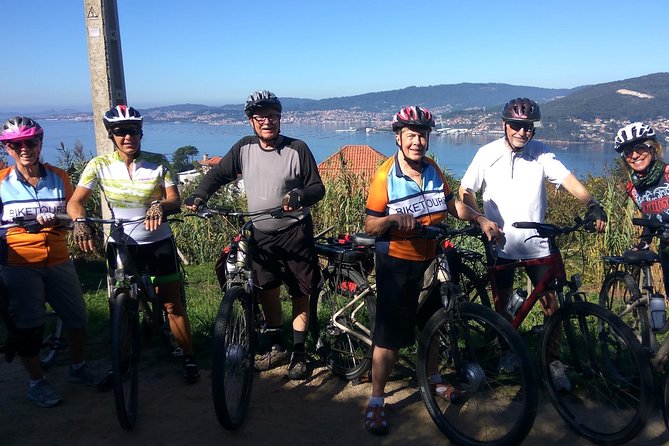
- Modern Trek bikes + helmet included so you’re not hunting for rental gear on arrival
- Self-guided GPS route plus a road book to help you stay confident each day
- Coast-first route through places like Esposende, Bayona, and Arcade for real seaside energy
- Arcade oyster focus and the nearby Santiago-themed walking routes you’ll pass along the way
- Luggage transfer so you cycle instead of hauling your day bag for eight days
- Santiago finish in Obradoiro Square for that final pilgrimage-city moment
Why This Coast Path Version of the Way Works
If you like the idea of the Camino but you want it on wheels, this is a smart middle ground. You still get the long, historic “toward Santiago” feeling, but your route is designed around an easier-to-manage cycling rhythm along the coast. That matters because northern routes can be scenic and satisfying without turning your trip into pure suffering.
I also like that the tour keeps you connected to the coast in a way most road trips don’t. You’re not just passing through big cities. You’re rolling through old fishing areas, medieval seaports, and seaside towns with seafood at the center of daily life.
Finally, the small group size is a real plus. This tour runs with a maximum of 2 travelers, which tends to mean fewer slowdowns and less chaos when something needs fixing.
You can also read our reviews of more cycling tours in Porto

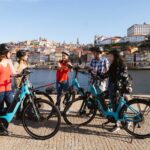
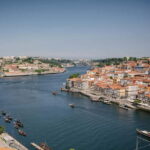
Porto Setup: Where You Start and What You’ll Need to Know
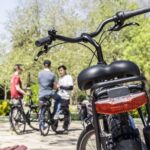
Your start point is Rua João das Regras nº 62, Porto. The meeting time is 8:00 am, so yes, you’ll want breakfast in your system early. You’ll also get your bike setup and route materials here, including your Trek mountain bicycle and helmet, plus the GPS route and road book.
Because this is self-guided, the practical win is that you’re not stuck riding to someone else’s pace the whole time. You follow the marked plan, but you make small choices: when to stop for photos, when to take a shorter break, and when to push through a hill because you feel good.
Bring the basics seriously: carry enough water at all times. Along this kind of coast route, you can feel like you’re riding in cool breezes until you hit a warm stretch. The tour also recommends cycling early in July, August, and September, which is exactly what you’d do on a bike when the sun starts acting like a co-rider.
Day 2: Esposende, Póvoa de Varzim, and Vila do Conde’s Seaside Past
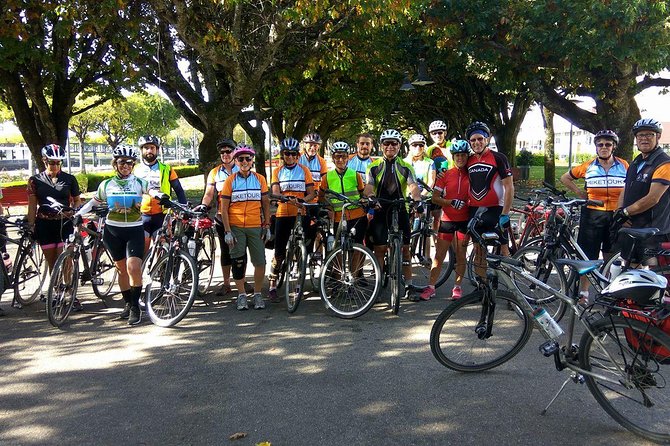
Your second day swings north along seaside scenery, with stops that feel tied to how Portugal works as a maritime country. You’ll reach Esposende, then keep moving through coastal towns and the kind of small-riviera vibe that makes this coast route relaxing even when your legs start talking back.
The ride highlights include the fishing-area character around Póvoa de Varzim, where old traditions connected to fish and fishing culture are part of the atmosphere. You can also taste the local seafood gastronomy in this part of the coast, because it’s not treated like a tourist performance. It’s the daily story here.
Then there’s Vila do Conde, which helps explain why these coastal cities mattered during the era of Portuguese discoveries. You’re riding through evidence—ports and places that once mattered for trade, voyages, and shipping routes—without needing a museum ticket.
Day 3: Viana do Castelo to Caminha on the River Minho
Day three is another “sea docking city” chapter, starting with Viana do Castelo. Historically, this is tied to the development of ships going toward places like Brazil, India, and Africa during the 14th and 15th centuries. Even if you’re not a history buff, it helps the coast feel purposeful.
Your final destination for the day is Caminha, where the river Minho meets the coast. That detail matters because it changes the feel of the ride: you get those wider water views, and the area reads greener and calmer than the more urban coastal stretches.
Caminha is also known for a green, natural setup—sightseeing areas, waterfalls, beaches, and a camping park. Translation: you’re not only arriving at the end of a cycling day. You’re arriving with options for a relaxing evening that doesn’t require you to plan everything in advance.
Day 4: Crossing into Spain and Rolling into Bayona
On the fourth cycling day, you cross into Spain and end in Bayona. You’ll feel that shift quickly—different architecture, different street energy, and a coastline that still feels “Atlantic” but with Spanish flavor in the details.
Bayona is tied politically to Pontevedra, and it mixes seaside air with old-town wandering. You can lose time in the old center because the city grew from Roman roots and kept extending toward the coast through the Middle Ages. The Catholic Church influence shows up in the layout and the kind of landmarks you notice as you ride.
Then there’s a standout historical tidbit that makes the city more than just pretty: Francis Drake raided Bayona in the 16th century, and British ships saw opportunity in establishing a commercial point. That’s the sort of fact that makes an evening walk feel more connected to the past.
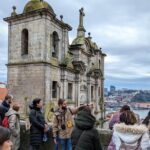


Day 5: San Simón Bay and Arcade Oysters (plus Santiago Connections)
Day five leans into the watery scenes. You follow the coastline through the Vigo area and head toward San Simón’s bay, then you focus on Arcade—a place famous for oysters.
This is one of the most practical “choose your timing” days. Arcade oysters aren’t a gimmick. They’re tied to the local harvesting waters, and the tour route explicitly treats this as a must-eat stop. If you’re even mildly food-motivated, plan time to enjoy oysters here rather than treating lunch like a fuel stop.
You’ll also pass sights that connect to Santiago culture, including the Church of Santiago in Arcade, dated 12th–13th centuries. And you’ll see roads and paths that link toward the pilgrimage destination, which helps you feel that you’re truly moving along a “Way,” not just crossing countries by bike.
One calendar tip: there’s a festival called Fiesta de la Ostra, held during the first week of April. The timing can bring extra pilgrims and tourists, which might be great if you want energy, but it can also affect crowds and meal availability.
Day 6: Caldas de Reis Hot Springs and Lamprey Empanadas
From the coast, day six moves you toward Caldas de Reis, in the Pontevedra province. This is a pre-Roman themed stop—people once lived here connected to the hot springs. The name itself ties to important historical figures: it’s connected to the birthplace of Afonso VII, and during the Middle Ages it acted as part of the pilgrimage path to Santiago.
If you’ve been cycling all week, this day has a built-in recovery vibe. Hot springs areas are made for decompressing, and even if you don’t book treatments on your own, just having a place known for healing and wellness can change how you feel at the end of a bike day.
Food also matters here. Caldas de Reis has its own local gastronomy, including empanadas of lamprey and traditional Spanish bread. That’s a useful contrast to the earlier oyster day, and it keeps the “coastal cuisine” story from feeling repetitive.
Day 7: Arriving in Santiago de Compostela at Obradoiro Square
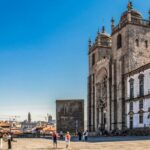
Your last day brings you into Santiago de Compostela, one of Western Europe’s major pilgrimage centers. The finish isn’t subtle. You roll in toward the final core of the Way, and you end at Praza do Obradoiro, where the baroque cathedral stands.
The iconic part here is the sense of arrival at a real religious destination: the apostle’s remains are located in the cathedral. Even if you’re not traveling with a religious mindset, the setting has a serious gravitational pull. It’s one of those “you did it” moments that feels bigger than just riding a route.
This is also where self-guided cycling shines. You arrive with your own pace behind you, and that makes the final day feel earned.
Day 8: Leaving Santiago and Getting Back to Porto
After you’ve arrived and settled in Santiago, the tour includes the return connection back to Porto city by van (described as using their ticket bus). Porto airport transfers are included for the start and end, which is a helpful way to reduce stress after a trip that’s already full of moving parts.
In practical terms, this matters because the end of a bike journey can be exhausting. You don’t want to spend your last day negotiating trains, taxis, and schedules with sore legs.
Bike, Route Tech, and Comfort Details That Matter
Here’s the practical setup you’ll care about:
- Bike: Trek mountain bicycles, with a helmet included.
- Navigation: GPS with your route (self-guided) plus a road book.
- Luggage: you get luggage transfer, so you can ride without carrying everything on your back.
- Road types: the route uses bike paths when available, but you should still expect some tarmac and rural streets.
- Difficulty: easy to moderate, with some hills.
That all adds up to a calmer kind of cycling trip. You’re not in constant “start-stop traffic,” and you’re not relying on phone battery for navigation. GPS plus a road book is the right combo because you can get your bearings fast.
Also note that there are some hills to contend with. Even on “easy to moderate” routes, hills are where legs get judged. If you’re not used to climbing, take breaks early rather than saving them for when you feel cooked.
Price and Value: What You’re Paying For (and What’s Not Included)
At $2,990.44 per person, you’re paying for more than a rental bike. The value is in the package:
Included:
- 7 nights accommodation
- Bike rent and helmet
- GPS + road book
- Luggage transfer
- Porto airport arrival and departure transfers
- Santiago to Porto van pick-up
- Breakfast (8 times)
Not included:
- Lunches and dinners
- Alcoholic beverages
- Travel insurance (the tour notes insurance is only available in guided bike tours)
So the real question isn’t just cost. It’s whether you want someone else handling the “logistics weight.” This package reduces the planning load, especially on lodging and transfers. If you’ve ever tried to DIY a similar coast-to-pilgrimage route, you know how quickly time and effort add up.
Also think about the meals. Since only breakfast is included, you’ll want to budget for lunch and dinner daily. The upside is that you’re cycling through places like Arcade and Caldas de Reis where food is part of the day’s payoff, not just an afterthought.
Who Should Book This Bike Tour
This tour fits best if you want:
- A Camino-style destination without the harder walking days
- Coastal riding with frequent towns to reset your energy
- A self-guided setup where you can ride at your pace
- Comfortable support: luggage transfer and quick problem-solving from the team
It’s also a good fit for couples or small groups since the max is 2 travelers. If you like quieter logistics and fewer people to coordinate with, you’ll likely enjoy that.
If you only ride flat roads and you hate hills, you might find this too much. The tour is easy to moderate, but hills exist and summer heat is real. Plan around that, and you’ll be fine.
A Quick Reality Check Before You Go
One more note from the way the trip is run: it’s built for a smooth ride, not a last-minute scramble. The tour is non-refundable and cannot be changed for any reason, so make sure your dates are firm before you book.
Should You Book This Coast Path Bike Tour?
I’d say yes if you want an authentic-feeling path toward Santiago without turning your legs into roadkill. The combination of coastal towns, meaningful stop points like Arcade oysters, and the dramatic finish at Obradoiro makes it more than a scenic bike weekend.
Also, the support matters. The trip has a strong reputation for being safe and responsive—when something goes wrong, you don’t have to handle it alone. That confidence is worth something on a multi-day ride.
If you’re someone who can handle moderate cycling, plans for heat, and budgets for meals beyond breakfast, this is a solid, well-built way to reach Santiago.
FAQ
Where is the meeting point and what time does the tour start?
You meet at Rua João das Regras nº 62, 4000-290 Porto, Portugal. The start time is 8:00 am.
How long is the tour and how many nights of lodging are included?
The tour is listed as 8 days (approx.), with 7 nights of accommodation.
What bike do I get and is a helmet included?
You get a Trek mountain bicycle, and a helmet is included.
Is the route guided by a person or self-guided?
The tour is self guided using a GPS route and a road book.
Do you transfer luggage during the ride?
Yes. Luggage transfer is included.
What meals are included in the price?
Breakfast is included (listed as 8). Lunches and dinners are not included.
What about travel insurance?
Insurance is not included, and the information says insurance is only available in guided bike tours. You’ll need to arrange travel insurance yourself.