REVIEW · PORTO
Unveiled Secrets of Porto + Olive Oil Tasting
Book on GetYourGuide →Operated by InsighTours · Bookable on GetYourGuide
Porto hides stories in plain sight. I especially love the eerie atmosphere of the Lapa Brotherhood cemetery and how the tour ends with a hands-on olive oil tasting that teaches you what real Portugal tastes like. One watch-out: this is a tight 3-hour loop with lots of walking and stairs around old churches, so wear shoes you can trust.
What makes this outing feel different is the mix of places that usually get separated on other tours: brotherhood legends, major church and civic sites, the mural-and-tile world of São Bento, then MMIPO’s art and relics, followed by food. In the strongest reviews, the guides—like Oleksandra and Rui—were praised for rolling with your pace (even when weather turned) and keeping the explanations grounded in history and art instead of turning it into a lecture.
In This Review
- Key highlights you’ll care about
- Starting at Igreja da Lapa: the tour’s tone in 5 minutes
- Cemitério da Lapa: why this mystery works in real life
- Trindade Porto: the church that’s also a civic scene
- From Aliados to São Bento Station: tiles, murals, and hidden meanings
- MMIPO: Porto’s Portuguese Louvre (and why it feels different)
- Olive oil tasting: learning the difference between ordinary and real
- Optional Palacio da Bolsa: when gold-leaf becomes a story
- The local brunch stop: regional food without the hassle
- Is $63 worth it for 3 hours of Porto secrets?
- Who this tour is best for (and who should skip it)
- Quick practical tips before you go
- Should you book this tour?
- FAQ
- Where is the meeting point?
- How long is the tour?
- What’s included in the tour price?
- Is Palácio da Bolsa included?
- What languages are available?
- Does the tour include a ticket line skip?
- Where does the tour end?
- Is the olive oil tasting part of the schedule?
- Is there brunch included?
- What’s the cancellation policy?
Key highlights you’ll care about
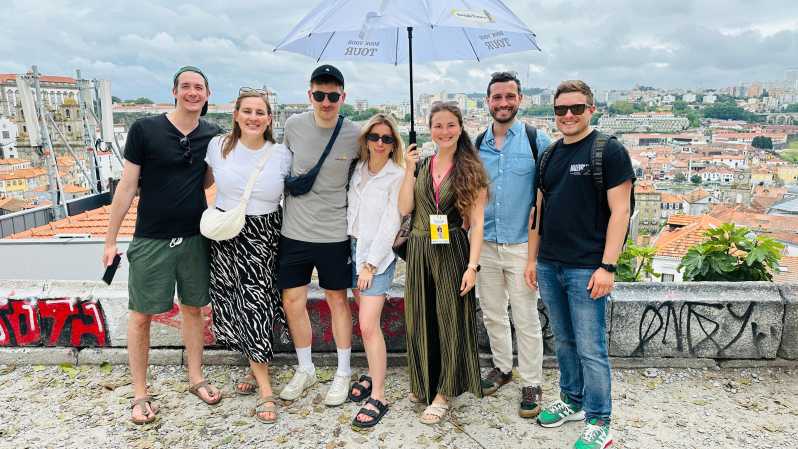
- Lapa Brotherhood & Cemitério da Lapa: symbols, dramatic stories, and a cemetery you’ll remember.
- Trindade Experience: Porto’s spiritual and civic heart, with guided context.
- São Bento area stories: how the station’s murals and design connect to construction and meaning.
- MMIPO (Museu da Misericórdia do Porto): Porto’s “Portuguese Louvre,” with sacred relics and art.
- Local olive oil tasting: learn to spot real quality and savor the bold taste.
- Palácio da Bolsa (optional): gold-leaf grandeur and the famous Arab Room.
Starting at Igreja da Lapa: the tour’s tone in 5 minutes
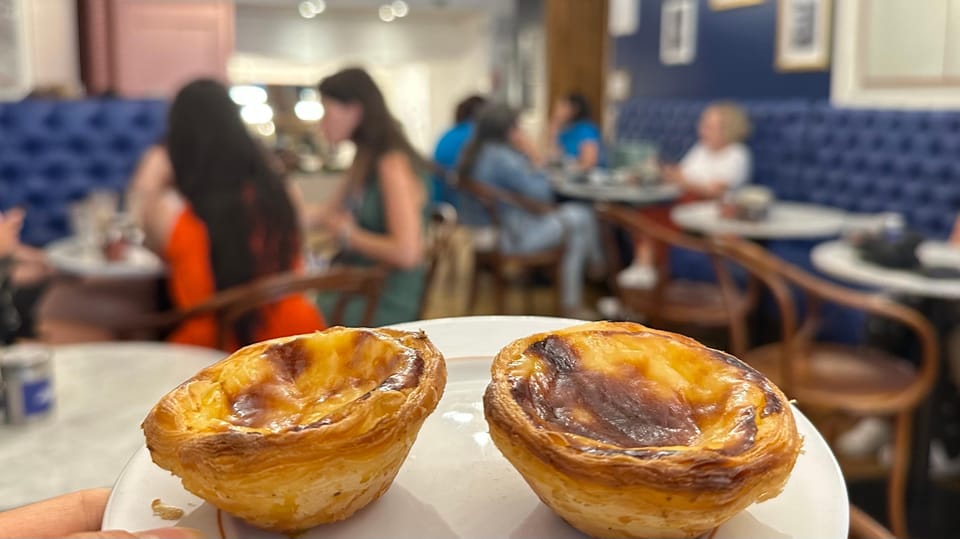
The tour kicks off at the entrance to Igreja da Lapa, and your guide meets you right there. From the start, the vibe is not “hit the highlights and move on.” It’s more like: here’s a place, here’s what people believed, here’s what the symbols might mean, and here’s how the city grew around it.
You’ll first visit Igreja da Lapa with a guided stop of about 40 minutes. Churches in Porto can feel busy from the outside, but inside they work better than you’d expect. The guide helps you see how the building connects to local identity, not just religious practice.
Then you head straight into the main event: Cemitério da Lapa, the ancient cemetery linked to the Lapa Brotherhood. Expect ornate tombs and an atmosphere built for mystery—cryptic symbols, dramatic love stories, and ghostly legends that make the cemetery feel less like a museum and more like a living storybook. The guided time here is around 30 minutes, long enough to notice details without feeling stuck.
Tip for your own comfort: bring sunglasses or a cap if it’s bright, because old stone yards and church grounds can bounce light back at you. Also, keep your phone brightness up if you like photographing carvings—many symbols are best seen with patience.
You can also read our reviews of more food & drink experiences in Porto



Cemitério da Lapa: why this mystery works in real life
Here’s what I like about this stop: the cemetery isn’t just “creepy for creepiness.” It’s built on Portuguese brotherhood culture—groups that shaped community life, memory, and ritual. When your guide points out the symbols and tells the dramatic backstories, the cemetery starts to make emotional sense.
You’ll also pass through a small city break at Praça da República (about a 10-minute walk). This matters because it gives you a breather before the tour’s next jump into Porto’s civic and religious power centers.
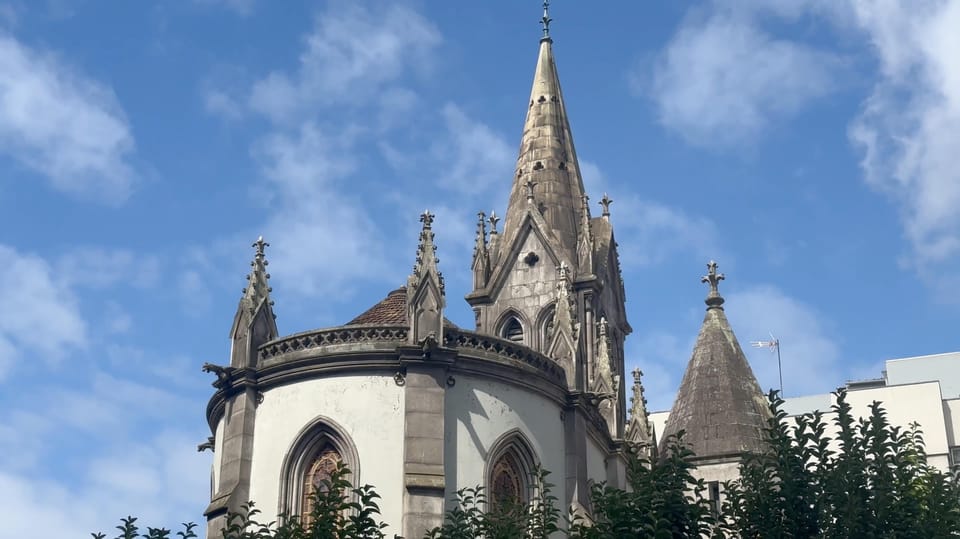
A short stop (or pass-by) at Capela dos Pestanas is also on the schedule—about 15 minutes. You won’t get a long deep dive here, so treat it like a visual bookmark. The point is to move you through the texture of central Porto so the big guided moments land harder.
Possible drawback to consider: if you’re not into symbols and storytelling, the cemetery section may feel slower than a typical photo-stop route. But if you like stories with atmosphere—this is the kind of place that pays off.
Trindade Porto: the church that’s also a civic scene
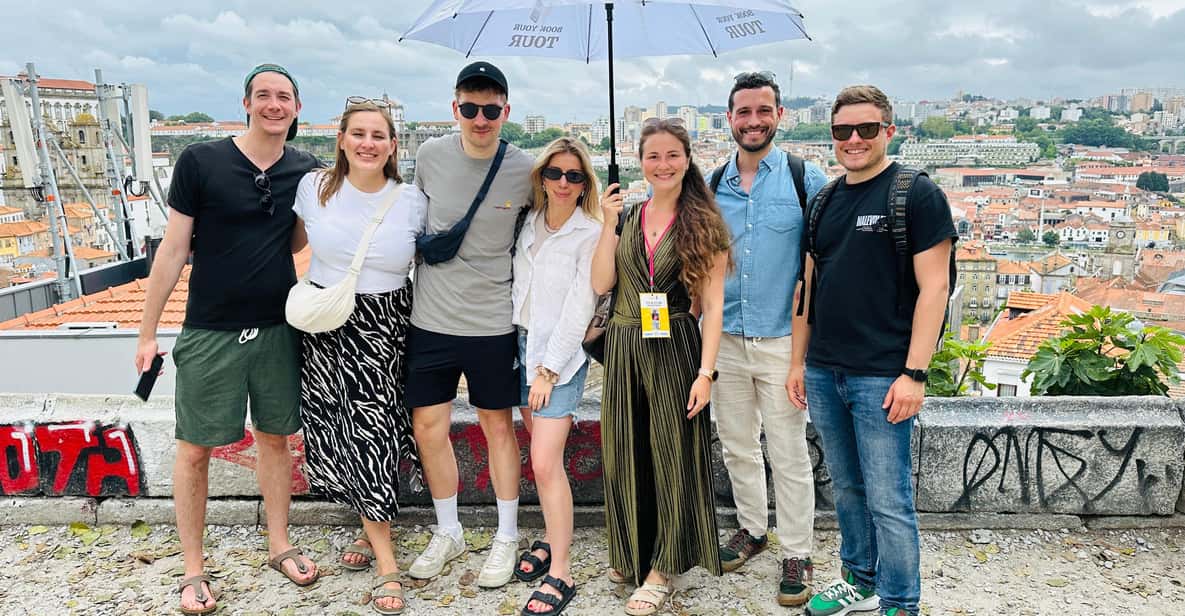
Next up is the Trindade Experience, with a guided visit of about 40 minutes. This is one of those Porto stops that can surprise you if you only associate churches with quiet interiors. Trindade is described as the spiritual and civic heart of the city—so the guide connects the religious side to the bigger civic identity around it.
I like this part because it helps you understand how Porto’s power structures show up in architecture and public space. The tour framing is: bold design, big presence, and stories you can’t fully read off a facade. You’re not just looking; you’re learning what to look for.
From there you move outward, walking through the city’s public lanes toward Avenida dos Aliados (about 20 minutes). Aliados is one of Porto’s signature streets, and walking it during a guided tour changes how you experience it. You stop seeing it as just a street. It becomes a corridor where history, civic pride, and daily life overlap.
From Aliados to São Bento Station: tiles, murals, and hidden meanings
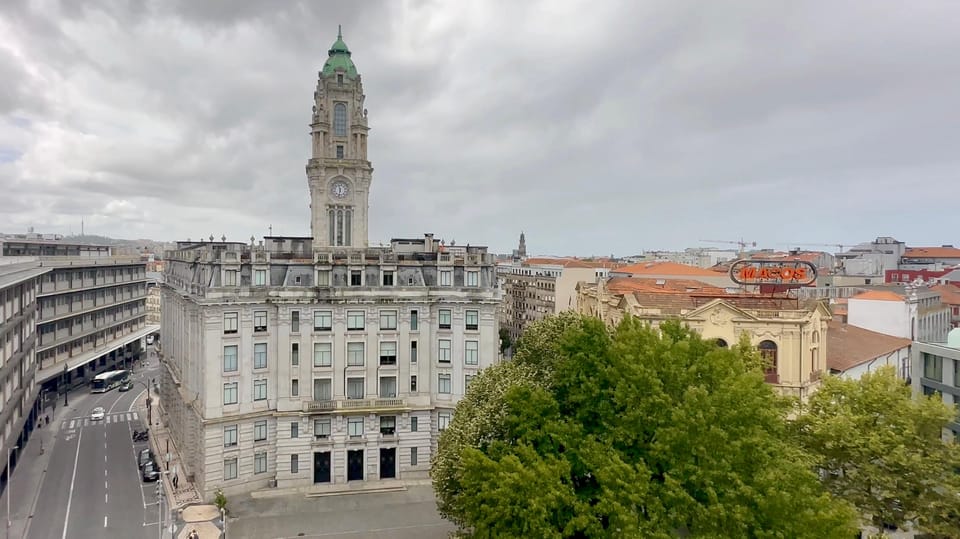
The schedule brings you to São Bento Station and the surrounding area, with time spent walking and sightseeing. The best way to think about this stop is: yes, São Bento is famous for its tiles—but the guide focuses on what the murals don’t tell on first glance.
You’ll hear stories tied to construction secrets, hidden meanings, and real-life drama connected to what’s depicted. That shift is huge. Many people rush through tiles like they’re wallpaper. With a guide, you start reading them—like a local news archive, but in art form.
Then you continue with a short walk via Rua das Flores (about 10 minutes). It’s a quick slice of central Porto street life, giving you a little variety after the heavier architecture and church atmosphere.
Practical note: São Bento and nearby streets can be active, so keep a steady walking pace. The tour is timed, and the guide keeps you moving, which is great if you want efficiency—but you’ll need to match it.
MMIPO: Porto’s Portuguese Louvre (and why it feels different)

Now you get to MMIPO Museu da Misericórdia do Porto, with a guided tour of about 30 minutes. This is often described as Porto’s Portuguese Louvre, and the label isn’t random. Inside, the tour points you toward halls of sacred relics and stunning art inside the city’s oldest charity institution.
What makes MMIPO worth your time is that it reframes “museum” into “social history.” Charity institutions weren’t just about donations. They were about what a city valued, what it protected, and how it displayed its commitment through objects and art.
Your guide helps you connect the dots without turning it into a dry lesson. You’re not just absorbing facts—you’re learning why these spaces were preserved and what they mean in the Porto story.
If you care about art and architecture, this stop is one of the strongest reasons to book. It’s also a good break from the open-air mystery of the cemetery and city streets. You’ll feel the shift in pace: more looking, more slow attention, more “stop and notice.”



Olive oil tasting: learning the difference between ordinary and real
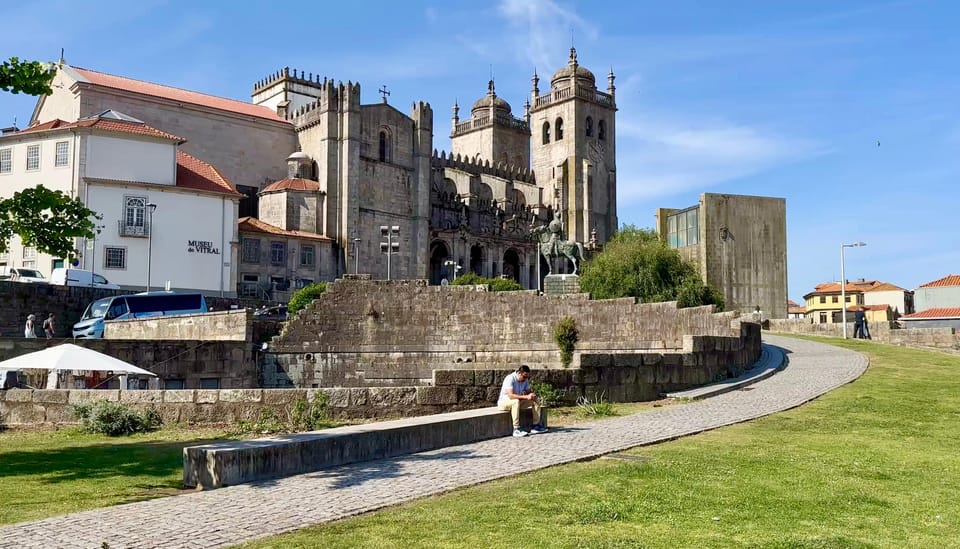
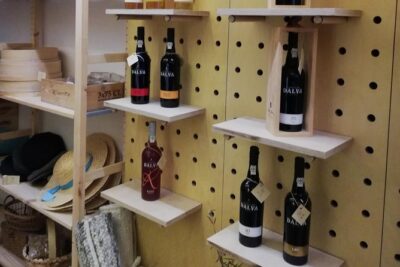
This is the part that turns a history-and-architecture tour into something you can use later: local olive oil tasting. The tour description promises you’ll discover the taste of real olive oil, learn how to spot quality, and savor bold flavors with local expert input.
I like tastings that don’t feel like a sales pitch. Here, the emphasis is on learning. You come away with a clearer sense of what to look for when you’re shopping—so the tasting becomes practical, not just a final flourish.
Also, it’s paced well. After walking through churches, stations, and museums, your senses get a reset with food. It feels like you’re finishing the story of Porto with a direct taste of its ingredients and craft.
If you’re traveling with someone who thinks olive oil is just olive oil, this stop often flips that view fast. The whole point is that the differences are noticeable when you’re guided properly.
Optional Palacio da Bolsa: when gold-leaf becomes a story
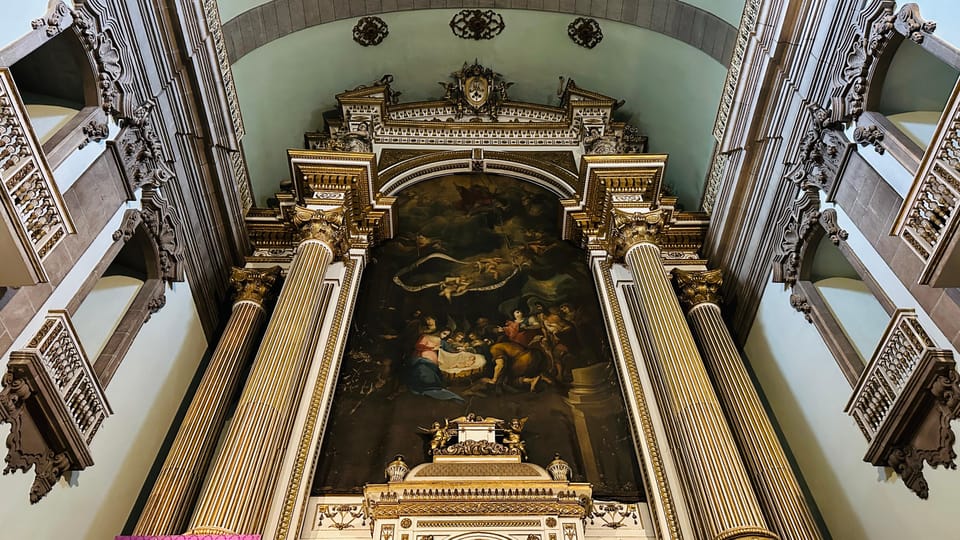
If you add the optional Palacio da Bolsa (Former Stock Exchange), you’ll get a guided tour of about 40 minutes. This is one of the big “Portugal power” rooms in Porto, and the tour frames it as palace ambition and beauty—especially through the famous Arab Room and gold-leafed interiors.
The key value here is context. Stock exchange buildings can feel like business history only. In Porto, with the right guide, it becomes: wealth, influence, world connections, and a city showing off what it could do.
You’ll want to add this if:
- you like interior details and dramatic rooms
- you want a bigger finish after MMIPO and the tasting
- your schedule can handle the extra guided time
Possible drawback: if you’re short on energy, the optional stop can make the final stretch feel longer. Still, the payoff is strong if you enjoy ornate interiors.
The local brunch stop: regional food without the hassle
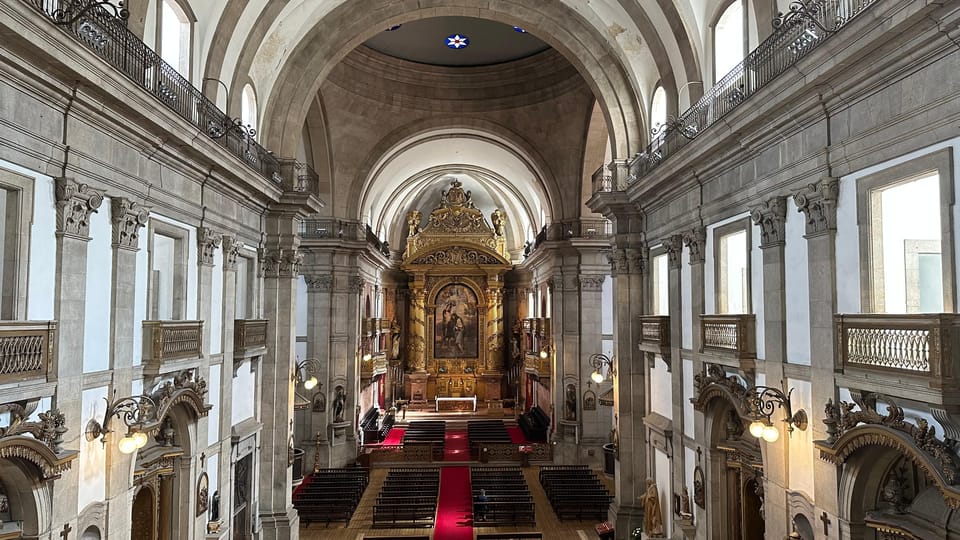
Near the end, the itinerary includes a local restaurant brunch (about 30 minutes) with regional food. The value here isn’t fancy branding. It’s that you’re getting an eating moment built into the tour flow, not an awkward search for somewhere decent while everyone’s hungry.
This is also when a guide’s practical knowledge helps. You’re in central Porto, and meal choices can be hit-or-miss. A structured stop reduces that stress.
If you’re sensitive to long tours, consider using this 30-minute window to slow down mentally. Let the earlier walking and museum time settle. Then you finish with the tour’s final location at Praça do Infante D. Henrique.
Is $63 worth it for 3 hours of Porto secrets?
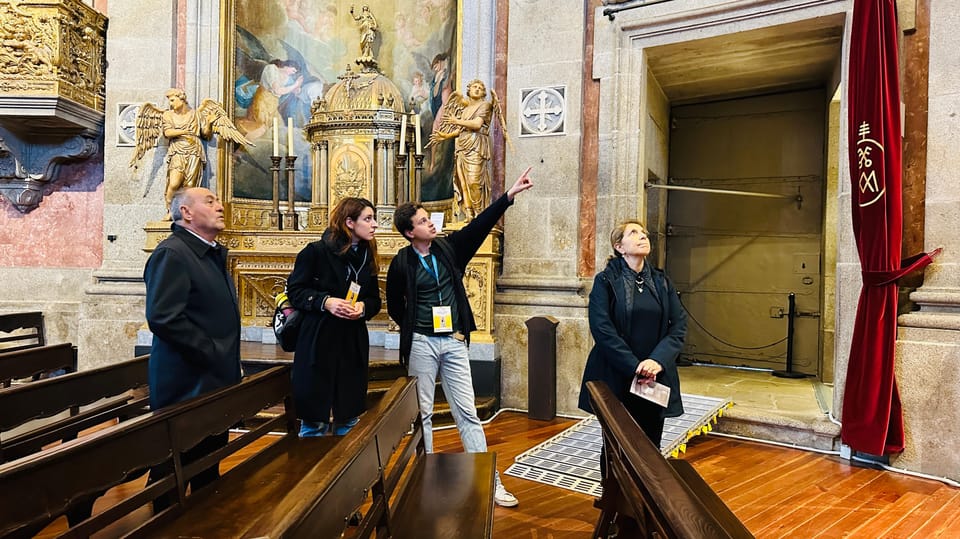
At $63 per person for around 3 hours, the main question is what you’re actually buying. Here, you’re paying for guided entry experiences in multiple focused stops: the Lapa Brotherhood and cemetery, Trindade, MMIPO, plus the olive oil tasting. The optional Palácio da Bolsa can add a major interior highlight.
That combination is what makes the price feel fair. You’re not just getting a walking route; you’re getting a guided layer that connects each stop to Porto’s culture and storytelling. The small time slots across several sites also help you pack more value into a short visit, which is useful if you’re not staying many days.
If you’re the type who likes to self-guide and reads signs slowly, you might decide it’s too structured. But if you want fewer wasted minutes and more meaning per stop, this kind of curated 3-hour loop tends to be a good deal.
Who this tour is best for (and who should skip it)
This experience fits best if you:
- like art and architecture with a story attached
- enjoy food activities that teach you something (not just a free sample)
- want a tighter, center-city route that hits major themes in a short time
- travel with family and need a guide who can keep things moving at a workable pace (the reviews specifically praised adaptation for a family with a 7-year-old)
You might skip it if:
- you hate guided groups and prefer long independent wandering
- you only want the most famous single sites and nothing more
- you’re extremely limited on walking time, since the schedule includes multiple stops and city walks
Quick practical tips before you go
- Wear comfortable shoes. Old stone + guided timing is real.
- Bring water. The itinerary is short, but it’s still a city-center walk.
- If you care about photos, plan a couple of extra seconds at each guided highlight. The guide won’t rush, but the schedule is tight.
- Consider whether you want Palácio da Bolsa. It’s optional, but it adds a strong interior finish.
Should you book this tour?
I think it’s a smart booking if you want Porto with meaning, not just sightseeing. The standout strengths are the Lapa Brotherhood cemetery atmosphere, the guided context at Trindade and São Bento, and the way MMIPO turns art and relics into social history. Then you get a tasting that makes the ending edible and practical.
Book it if your ideal Porto day is: short walking circuit, strong guide stories, and one food moment that feels like a local skill. Skip or choose the lighter version if you dislike guided pacing or you want a slower, purely independent day.
FAQ
Where is the meeting point?
The guide waits in front of the entrance to Igreja da Lapa.
How long is the tour?
The duration is 3 hours.
What’s included in the tour price?
Included features are the Lapa Brotherhood entrance ticket and guided tour, Trindade Experience guided tour, Misrecordia/ MMIPO museum guided tour, the olive oil tasting, plus the Porto city centre tour. Palácio da Bolsa is included only if you choose the optional add-on.
Is Palácio da Bolsa included?
It’s optional. If you add it, you’ll get the former stock exchange palace and guided tour.
What languages are available?
The live guide offers English, Portuguese, Spanish, Russian, and Ukrainian.
Does the tour include a ticket line skip?
Yes, it includes a skip-the-ticket-line experience.
Where does the tour end?
It finishes at Praça do Infante D. Henrique.
Is the olive oil tasting part of the schedule?
Yes. The tour includes a local olive oil session to learn and taste.
Is there brunch included?
The itinerary includes a local restaurant brunch of about 30 minutes with regional food.
What’s the cancellation policy?
You can cancel up to 24 hours in advance for a full refund.