REVIEW · PORTO
Santiago de Compostela Full-Day Tour From Porto
Book on GetYourGuide →Operated by LIVING TOURS · Bookable on GetYourGuide
A pilgrimage day from Porto feels unreal. I love roaming the Santiago de Compostela old streets with real pilgrim atmosphere, and I love the guided border-stop at Valença do Minho walls and towers; the only trade-off is that cathedral renovations can limit access.
The best part for me is the balance: guided context for the big sights, then free time to wander and eat on your own. In the van, guides like Carlos, Miguel, or Susanna are often described as high-energy and ready with helpful tips.
In This Review
- Quick hits before you go
- Getting picked up near Sé do Porto and heading straight for Galicia
- Santiago de Compostela old streets: pilgrim energy meets UNESCO charm
- The Santiago Cathedral visit: Romanesque beginnings, later style mix, and renovation limits
- Making the most of your free time: 3-step strategy for Santiago
- Valença do Minho on the border: fortress walls, two towers, and quick shopping
- How the 10 hours actually feel: pacing, group size, and what’s not included
- Cost and value: why $93 can make sense for a Santiago-from-Porto day
- Should you book the Porto to Santiago and Valença day trip?
- FAQ
- How long is the full-day tour from Porto?
- Is lunch included in the price?
- Where is the meeting point in Porto?
- How much time do I get in Santiago de Compostela?
- What languages are available for the tour guide?
- Can I visit all parts of Santiago Cathedral during renovations?
Quick hits before you go
- Two countries, one long day: Spain’s Santiago, then Portugal’s Valença do Minho, all from Porto.
- Caminhos de Santiago in real life: you’ll see pilgrim-trail cues and the city’s pilgrim rhythm, not just postcards.
- Santiago Cathedral with a renovation caveat: major Romanesque roots, later mix of styles, but some areas may be closed.
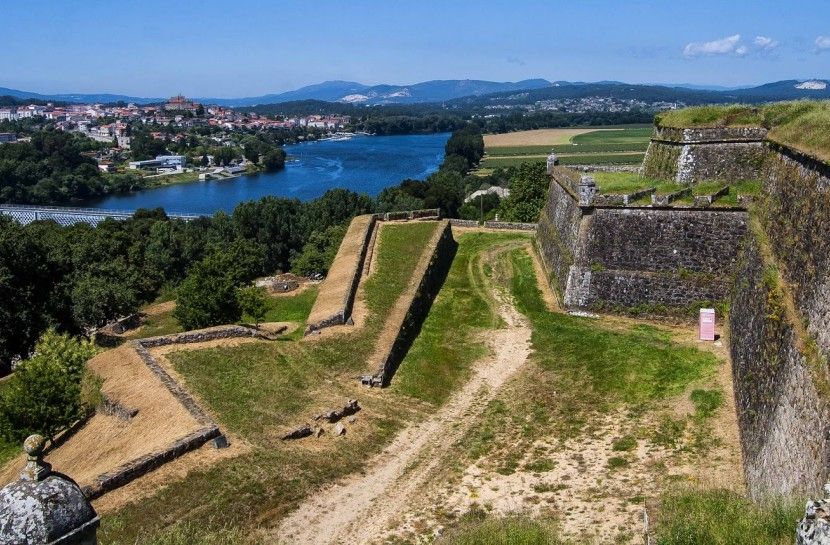
- Valença do Minho’s fortress power: two towers and a double wall shape the whole feel of the town.
- Guides can make the drive worth it: names like Carlos, Miguel, and Susanna show up often for storytelling and practical advice.
- A built-in bonus in Porto: a Porto walking tour is included for the day after your trip.
Getting picked up near Sé do Porto and heading straight for Galicia
This is a classic full-day jump: you start in Porto, then cross into Spain to chase one of Europe’s most famous pilgrim destinations—Santiago de Compostela—before turning back with a stop in Valença do Minho.
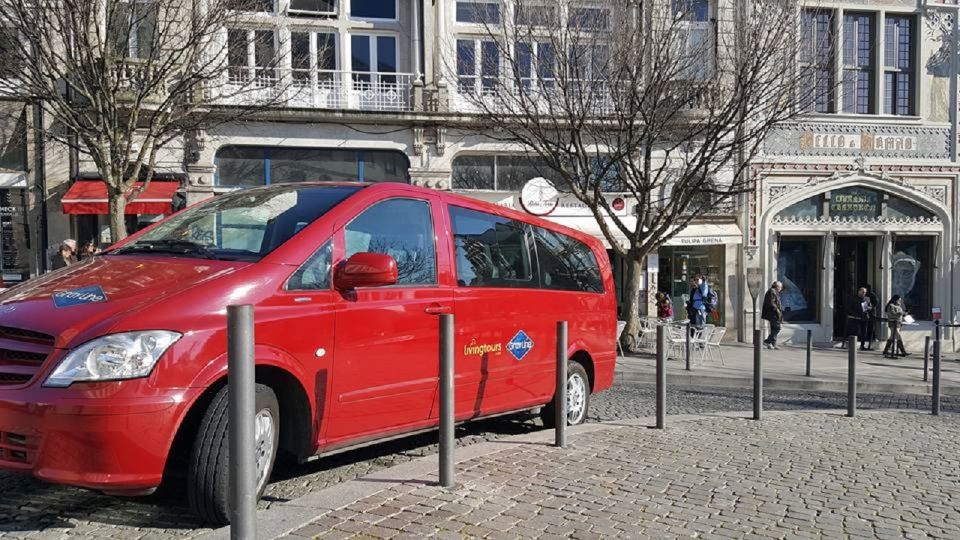
Your meeting point is Calçada da Vandoma, just next to Porto Cathedral (Sé do Porto). It’s a convenient place to start because you’re already in the historic core. Expect a group tour with 8 to 27 people, led by a live guide, and transported by minibus (or coach, depending on the departure).
The drive itself takes time—about 2.5 hours out to Santiago—so this is less about rushing through and more about using the day efficiently. In practice, good guides make the bus ride feel useful: expect history and cultural context along the way, plus reminders about what to look for once you arrive. Some groups also report that vehicle audio can occasionally be imperfect, so if the commentary is hard to hear, don’t suffer in silence—bring it up at a stop so you don’t miss the important bits.
Bring comfortable shoes. You’ll do a fair amount of walking on uneven old-street surfaces, and Santiago’s center is made for wandering rather than speed.
You can also read our reviews of more tours and experiences in Porto
Santiago de Compostela old streets: pilgrim energy meets UNESCO charm
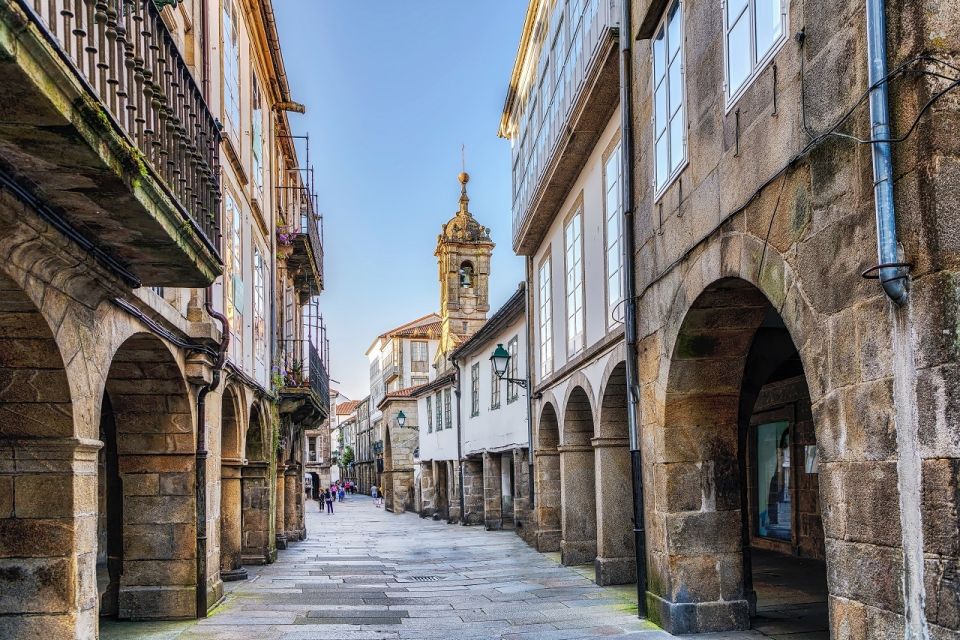
Once you arrive, the tour focuses on Santiago as both a city and a destination. You’re not just touring buildings—you’re walking through the “why” of the place: centuries of people traveling on the Caminhos de Santiago.
You get structured time in the city. There’s a free time block (about 1 hour) early on, then lunch (about 1.5 hours), then another free time block (about 1 hour). That rhythm matters because Santiago is crowded and layered: if everything were fully guided, you’d feel trapped. Instead, you get enough independence to find your own pace, while the guide covers the big context first.
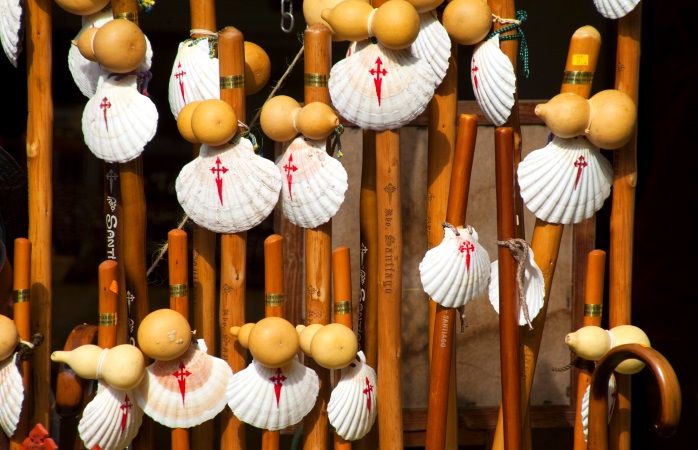
One of the highlights is learning about the cult tied to St. James the Greater—and how that religious story turned into a real-world travel movement. You’ll also see references to pilgrim trails and the way the city’s streets cater to walkers arriving from all directions.
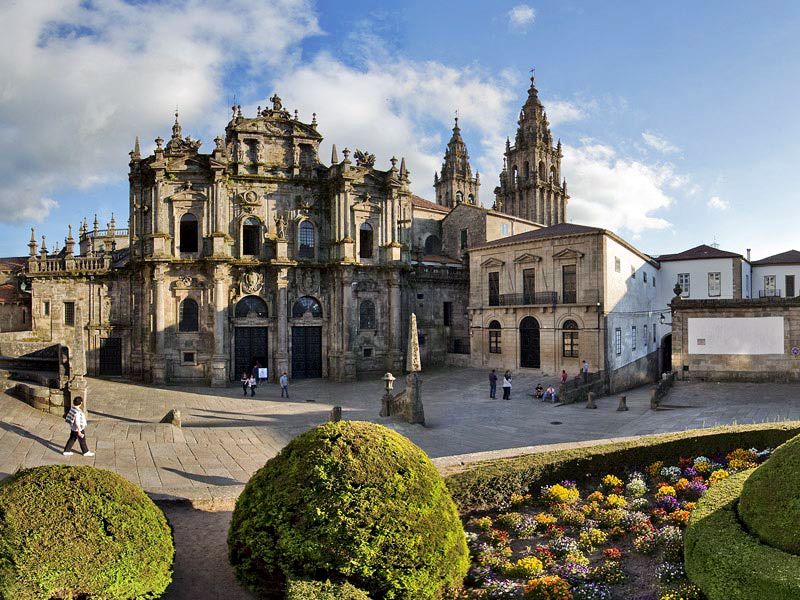
And yes, the city center feels built for foot traffic. Even without a long walking plan, you can follow the flow: small turns, open squares, and sudden views toward church spaces. If you’re the type who likes atmosphere, Santiago delivers quickly.
The Santiago Cathedral visit: Romanesque beginnings, later style mix, and renovation limits
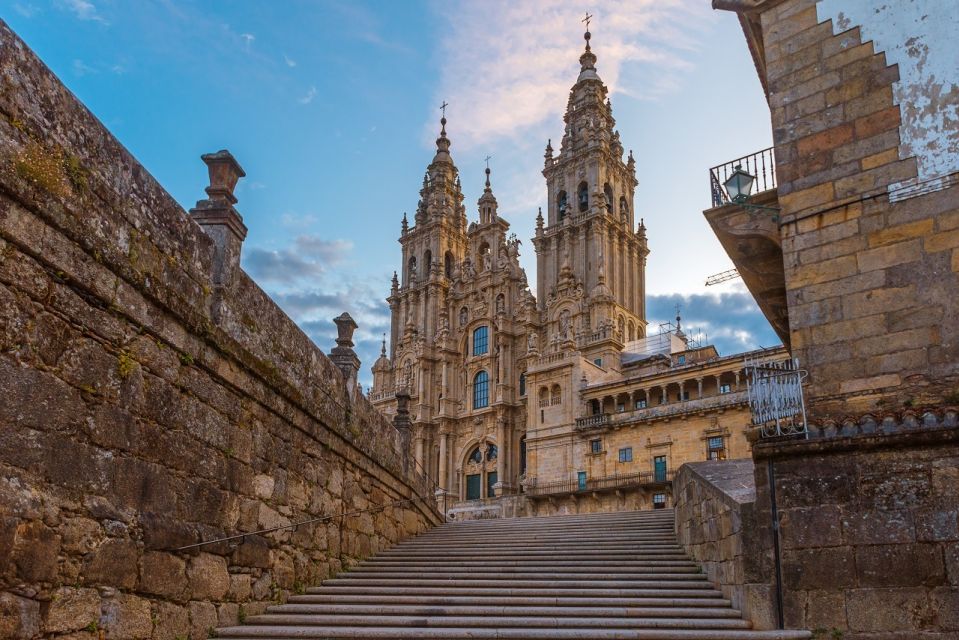
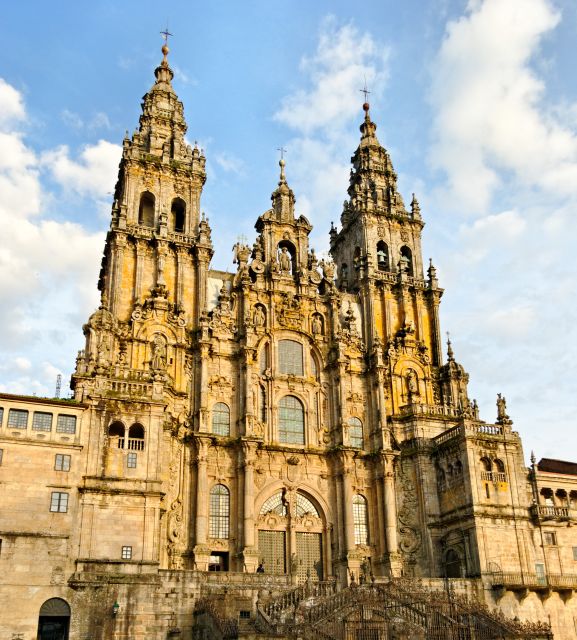
The centerpiece is the magnificent 11th-century cathedral. The story of the building is part of what makes the visit worthwhile: it started in a Romanesque style, and over time became a kind of architectural blend—harmonious influences stacked into one place.
This tour is designed to get you inside for the main moments. Still, there’s an important reality check: the cathedral is currently undergoing interior and exterior renovations, and some areas cannot be visited. That means you should treat the visit as “planned around access,” not as guaranteed access to every room or viewpoint.
What I like about this setup is that it keeps expectations honest. You’ll still get the core experience—the cathedral itself, its ornate presence, and the pilgrim symbolism that brings people from far away. But if you’re the kind of visitor who wants every corner and every ticketed feature, you may need a separate plan.
Some travelers add extras when available, like a rooftop tour booked separately and in advance. If that interests you, think of it as a bonus rather than part of the base visit, especially with renovation conditions changing.
Making the most of your free time: 3-step strategy for Santiago
You get two free-time windows in Santiago, with lunch in between. That’s plenty if you approach it like a mission with three simple goals:
First, anchor yourself near the cathedral area. Santiago feels easier when you know where the main sights are before you wander. Second, plan one slow walk through the old lanes—this is where you’ll soak up the pilgrim atmosphere without overthinking it. Third, choose your food without stress. Lunch is included in the sense that you have a set lunch period, but meals are not included in the tour price, so you’re free to pick something that fits your budget and appetite.
A practical tip that comes up for people with curiosity is to look for a stop linked with the Museum of Galician People, including the famous three stairs area. Even if you don’t go deep, it’s a great reference point for understanding regional identity beyond religion.
For lunch, don’t over-plan before you arrive. Your guide can point you toward good options nearby. One commonly mentioned choice is Cotolay, but the main idea is simple: pick something close enough that you don’t lose the best part of your walking time.
Finally, don’t let the cathedral renovation catch you off guard. If a section is closed, pivot. Santiago has enough charm in its streets and squares that you’ll still leave with that “I get it now” feeling.
Valença do Minho on the border: fortress walls, two towers, and quick shopping
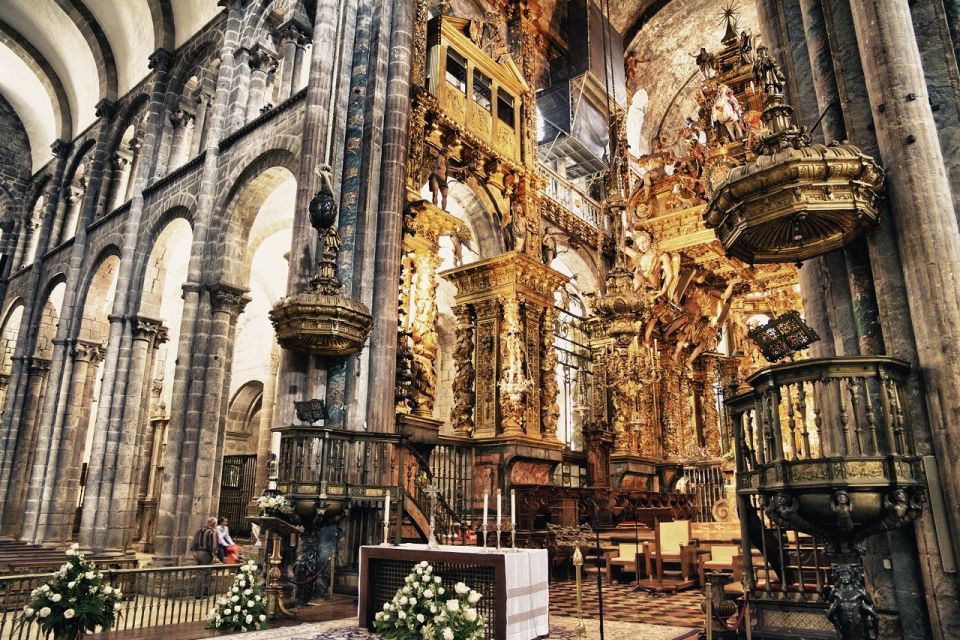
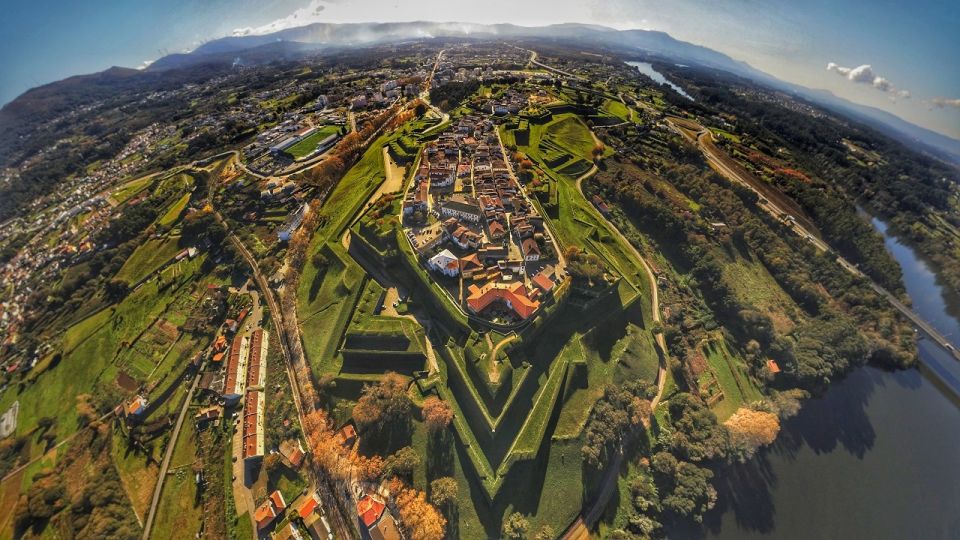
On the way back, you stop in Valença do Minho, a border town right where Portugal meets Spain. The tour gives you a guided tour plus about 45 minutes of free time—enough to understand why Valença mattered historically, without turning the stop into a whole second day.
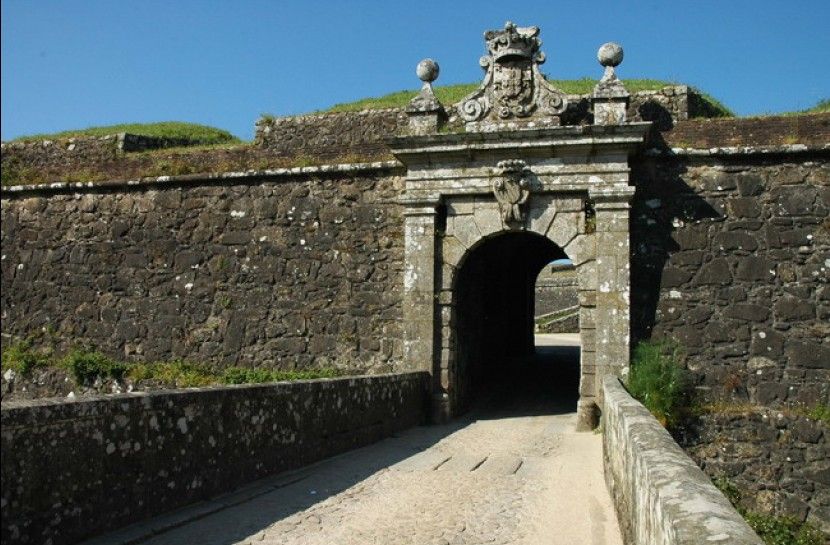
Valença is dominated by a fortress layout: two towers and a double wall. That kind of defense architecture changes how you move through a place. The streets feel tighter, the views more strategic, and the town’s identity seems tied to walls first, life second.
It also connects back to the pilgrim story. Valença was important in the Middle Ages and was part of Caminhos de Santiago, so you’re essentially seeing a “support town” role—how travelers passed through and where borders and power shaped routes.
In free time, use it for short, satisfying things:
- Walk the fortress streets near where the guided guide points out the main structure
- If you like practical shopping, keep an eye out for linen—it comes up more than once as a reason people enjoy Valença
- If there’s a local event or festival during your day, you may catch a bit of extra color, since the town sometimes hosts street life
The main drawback with Valença is also the main virtue: it’s short. If you love walls and fortresses, you’ll likely wish you had more time. But in a 10-hour tour, the stop is still a strong “stretch-your-legs” reset before you head back to Porto.



How the 10 hours actually feel: pacing, group size, and what’s not included
Let’s talk about the reality of a 10-hour day. You’re moving for much of it. The trip includes driving segments (including about 2.5 hours to Santiago, plus shorter legs on the return side) and two guided experiences (Santiago-focused guiding and Valença’s guided tour).
Group size is 8 to 27, which affects the pace. Small groups are easier for questions and photo stops. Larger groups can feel more scheduled, so keep your expectations flexible.
Lunch is the big missing piece in the included list. Lunch is not included, even though you have a lunch period in Santiago. So budget for at least one meal during the day.
Also note: this tour is not suitable for people with mobility impairments. Santiago’s center and Valença’s fortress areas involve walking and older street conditions.
What I do like is that the tour builds in independence. Between the guided pieces and the free time blocks, you’re not just marching. And once you’re back in Porto, you get another value add: a Porto city walking tour is available starting the day after your experience.
That means the Santiago day isn’t the only thing you get. You can use the next day to reconnect with Porto’s rhythm without paying extra for another guide-led walk.
Cost and value: why $93 can make sense for a Santiago-from-Porto day
At $93 per person, the price isn’t just for transportation. You’re paying for:
- Round-trip transport from Porto with guided commentary
- A live tour guide during the key sightseeing parts
- Free time in Santiago to use your eyes, not just your ears
- A guided visit in Valença do Minho
- A Porto walking tour bonus for the following day
If you try to do this independently, the costs add up fast: cross-border logistics, getting to Santiago, arranging local guiding, and managing a tight day with realistic transit times. You’d also be juggling language and timing without a guide to structure the day around the major sights.
So the value here is in the way the day is assembled. You’re not trying to cram every option in; you’re getting the big spiritual landmark, the historic context, a border-fortress break, and then a second Porto experience included after.
The only financial surprise to plan for is meals, since lunch isn’t included.
If you’re traveling in a time crunch—like one day in Porto and you really want Santiago—this package usually makes more sense than trying to DIY the whole route.
Should you book the Porto to Santiago and Valença day trip?
Book this tour if:
- You want Santiago de Compostela with a guide, not just a self-guided wander
- You like your days structured enough to see the main sights, but flexible enough to roam
- You’re curious about the Caminhos de Santiago story and how border towns like Valença do Minho fit into it
- You’d enjoy a follow-up Porto walking tour the next day
Skip it (or rethink it) if:
- You need guaranteed access to every part of the cathedral—renovations can limit what’s visible
- You dislike long travel days. This is a true 10-hour day with substantial driving
- Mobility support is a key need. This one isn’t built for that
My practical take: if you’re visiting Porto and want a meaningful taste of Galicia plus a fortress border stop, this is a solid way to do it. The schedule is tight, but the payoff is clear: you’ll see a major pilgrimage city, understand why it matters, and still end the day with a different kind of history in Valença.
FAQ
How long is the full-day tour from Porto?
The tour lasts about 10 hours total.
Is lunch included in the price?
No. Lunch is not included, though there is a lunch period in Santiago de Compostela.
Where is the meeting point in Porto?
You meet at Calçada da Vandoma, Porto, just next to Porto Cathedral (Sé do Porto).
How much time do I get in Santiago de Compostela?
You have two free time blocks in Santiago (about 1 hour early and 1 hour later), plus time for lunch in the middle.
What languages are available for the tour guide?
The live guide is available in Spanish, Portuguese, English, and French.
Can I visit all parts of Santiago Cathedral during renovations?
No. The cathedral is undergoing renovations, and some interior and exterior areas may not be accessible.