REVIEW · PORTO
Porto Walking Tour of the city centre in small-groups
Book on GetYourGuide →Operated by Guides and Tours · Bookable on GetYourGuide
Porto always feels like it’s telling you a secret story. This small-group Porto walking tour connects city landmarks with the bigger picture, from the Douro and its bridges to why Porto became famous for wine and food. I especially like the stop-by-stop flow and the focus on how to get around and what not to miss while you’re here; it makes your free time smarter, not just louder. One thing to consider: the walking pace is the point, so you’ll want comfortable shoes.
I also appreciate the way this tour mixes Portuguese history in with what you’re seeing in front of you. You’ll hear about Portugal’s origins, the imperial era, and the long-lasting dictatorship in 20th-century Europe, all while you move through the oldest parts of the city. Tours in this style work best when you can ask questions, and the group stays small enough for real back-and-forth.
If you’re weighing value, $28 for 150 minutes is the kind of price that can make sense when the guide is doing the heavy lifting: context at each stop, plus recommendations for the rest of your Porto stay. The only “but” is that fewer than 4 participants can lead to cancellation, so keep an eye on timing if your schedule is tight.
In This Review
- Key highlights worth showing up for
- A small-group Porto walk that turns landmarks into a story
- Price and what you really get for about $28
- Where the tour starts: Portuguese Centre of Photography
- Clérigos Church: learning how Porto’s buildings tell you about power and belief
- Vitória (Porto): the area that helps you see the city’s logic
- Livraria Lello & Irmão: culture stop with just enough time to enjoy it
- São Bento Station: where Porto’s everyday face meets its bigger story
- Avenida dos Aliados: a wide-angle view of Porto’s public side
- Porto Cathedral: finishing at a landmark you can build on
- How the Douro, bridges, wine, and food tie into your walk
- Getting around after the tour: use the guide’s tips immediately
- Small-group pacing and what it feels like in real life
- What’s included, what isn’t, and how to plan your day
- Who this Porto tour suits best
- A quick note on wheelchair fit and timing
- Should you book this Porto city-centre walking tour?
- FAQ
- How long is the Porto walking tour?
- Where does the tour start?
- How much does the tour cost?
- What languages are the live guides?
- What’s included in the price?
- What is not included?
- What if I need to cancel?
- Is it wheelchair accessible?
Key highlights worth showing up for
- Expert local guide who explains Porto’s story in English or Spanish
- Small group format for more personalized pacing and Q&A
- Clérigos, Livraria Lello, São Bento, Avenida dos Aliados, and Porto Cathedral as your backbone
- Douro + bridges + wine + food context tied to what you’re walking past
- Practical tips for restaurants and transport so your days after the tour run smoother
- Finish at Porto Cathedral, so you end in a natural place to keep exploring
A small-group Porto walk that turns landmarks into a story
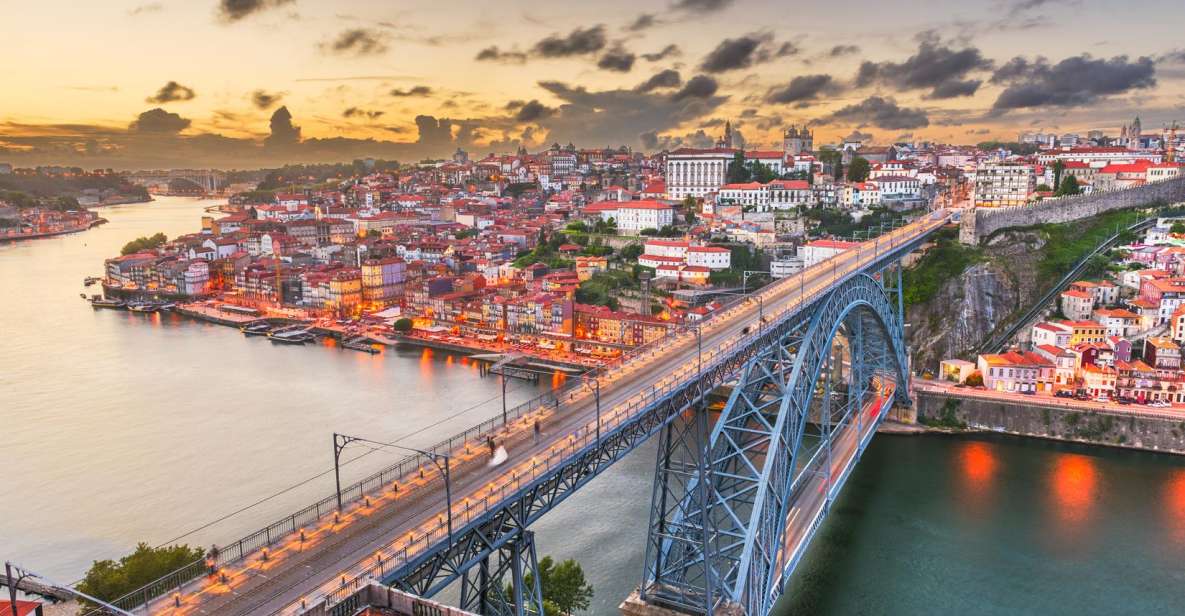
Porto is a World Heritage Site (since 1996), and it has that reputation for a reason. What I like about this tour is that it doesn’t treat the city like a checklist. Instead, you get the “why” behind the places you’re seeing, plus a guide who helps you connect the dots between the river, the city’s growth, and the culture that still shapes daily life.
The tour is built around a simple idea: walk through the city centre, stop often, and use each location to explain a different layer of Porto. That matters because Porto’s best parts can feel a bit chaotic if you’re wandering alone. Here, you get a route that keeps you moving in the right direction, with a reason for every pause.
The group stays small, which usually means you’re not stuck listening to explanations you can’t hear while someone blocks your view. The reviews also point to strong guiding energy, with guide names like Sofia, Arthur, and Micho coming up for their solid explanations and patience when timing slips.
You can also read our reviews of more walking tours in Porto


Price and what you really get for about $28
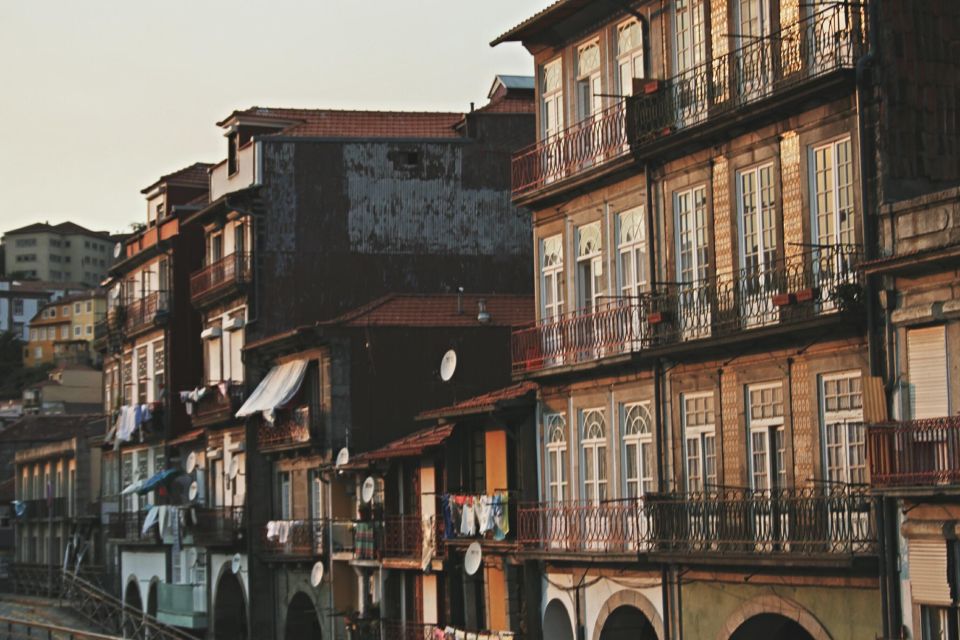
At $28 per person for 150 minutes, you’re paying for more than a walking route. You’re paying for an expert guide who can translate Porto’s layers into something you can actually use during your trip.
Here’s what makes that price feel fair:
- You cover multiple major stops without needing to plan the order yourself.
- You get insider tips for restaurants, transport, and cultural activities, not just historical facts.
- You also get recommendations for the rest of your stay, which can save you time and decision fatigue later.
What’s not included is also clear. You won’t get food or drinks, and monument entrance fees aren’t covered if you choose to go in after the tour. That’s normal for a walking tour, and it’s useful because it keeps you flexible: you can spend time where you care, then skip what you don’t.
Where the tour starts: Portuguese Centre of Photography
The meeting point is the Portuguese Centre of Photography. Your guide will wait for you with a blue umbrella or a name tag with the Guides & Tours logo.
I like starting at a recognizable point like this because it reduces the usual travel stress. You’re not hunting around vague squares hoping the timing matches up. And if you’re arriving early, the area is a reasonable place to settle your bearings before you start walking.
Clérigos Church: learning how Porto’s buildings tell you about power and belief
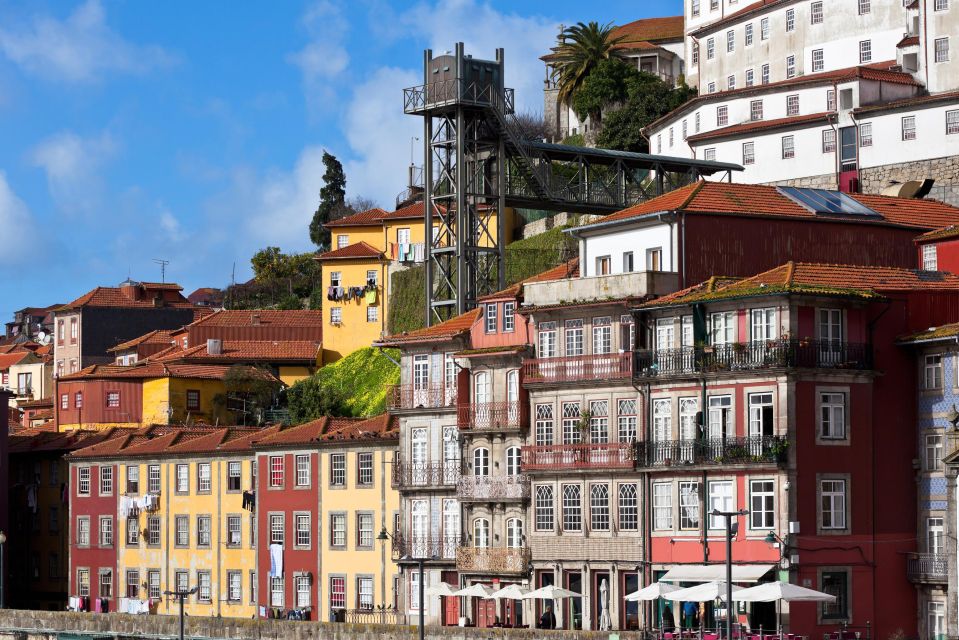
The tour begins its landmark run with Clérigos Church. You’ll get about 25 minutes of guided time there, so it’s not a quick photo sprint. This stop works well because it sets the tone: it’s a city-centre landmark that helps you understand the kind of influence Porto has had over time.
A practical note: this is one of those stops where your best move is asking your guide what to notice next. On tours like this, the guide’s job is to point you toward the details that matter and to explain the big picture without turning it into a lecture you can’t remember.
The value here is the context. You’re not just seeing a church; you’re learning how historical forces show up in architecture and public space.
Vitória (Porto): the area that helps you see the city’s logic
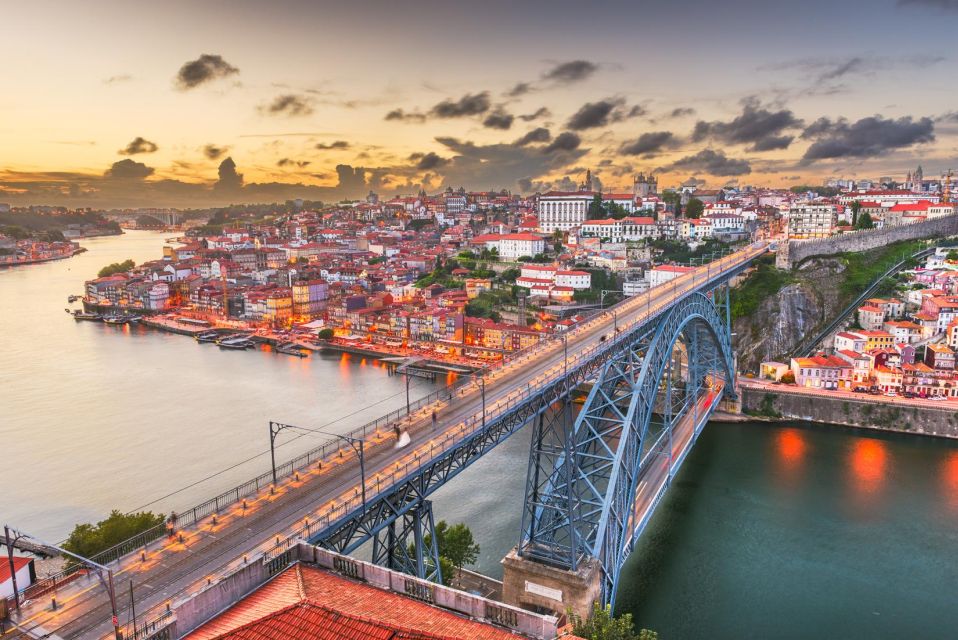
Next is Vitória, Porto, again with around 25 minutes of guided time. This stop is valuable because it helps you get your internal map of the old city.
Even if you’ve looked at photos online, Porto rewards walking. Vitória is the kind of neighborhood where the city layout feels like it has a rhythm. With a guide, you learn the pattern faster, and you waste less time zigzagging in the wrong places later.
Possible drawback: 25 minutes is enough to learn a lot, but it’s not enough to slow down for long sightseeing breaks. If you’re the type who needs extra quiet time, consider saving that for after the tour ends.
You can also read our reviews of more city tours in Porto



Livraria Lello & Irmão: culture stop with just enough time to enjoy it
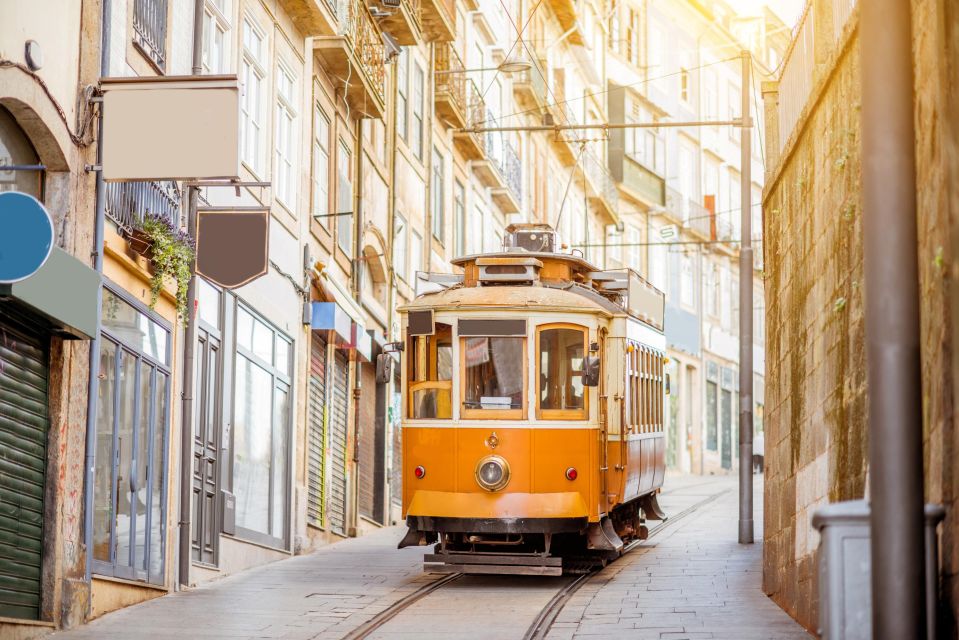
Then you’ll visit Livraria Lello & Irmão for about 25 minutes. This is a culture stop, and it’s one of the places where the guide’s commentary can make a big difference. Without context, it’s easy to treat it like another famous storefront. With a guide, you can understand why this kind of place matters to the city’s identity.
A tip for your visit: if you’re interested in it beyond the visuals, use the guided time to ask what role book culture and public spaces played in Porto. Even if you skip any optional entry you might decide on later, the guided explanation should still give you something to take with you.
São Bento Station: where Porto’s everyday face meets its bigger story
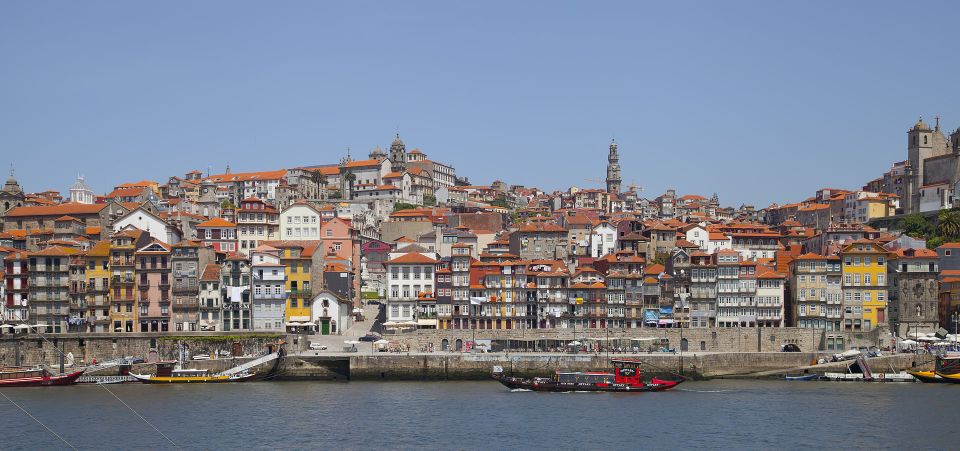
São Bento Station is next, also around 25 minutes of guided time. Stations sound plain until you remember they’re crossroads for people, money, and movement. A good city-centre tour uses that idea. You’re not just standing in a transit space; you’re learning how Porto’s connections shaped what you see.
I like this stop because it breaks up the “monument” rhythm. You get variety, and you see how the city works, not just how it used to work.
One consideration: because it’s a station area, your experience can feel a bit more active than the church stops. If crowds bother you, keep your expectations realistic and use the guide’s pacing to stay comfortable.
Avenida dos Aliados: a wide-angle view of Porto’s public side
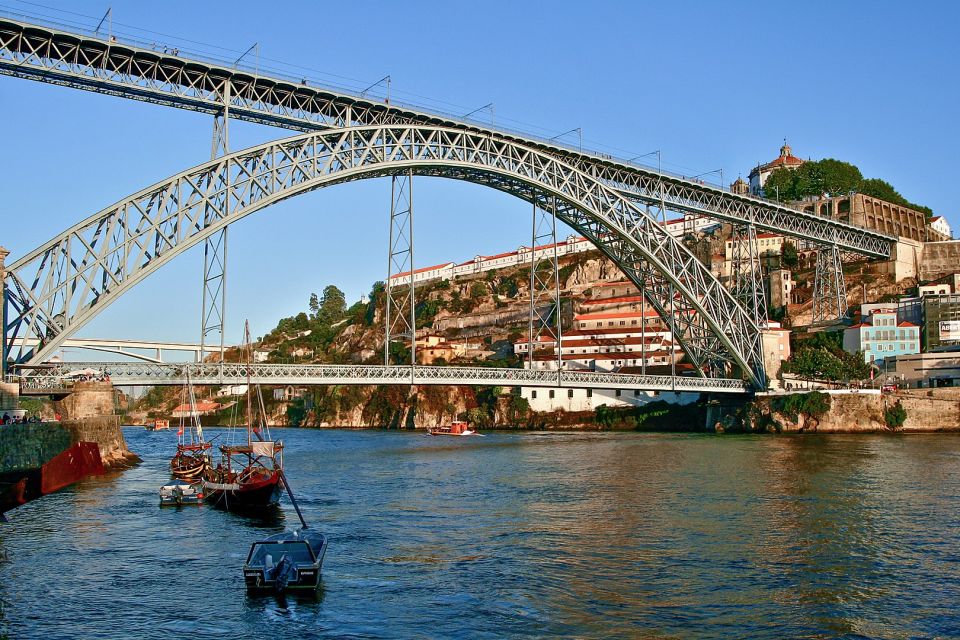
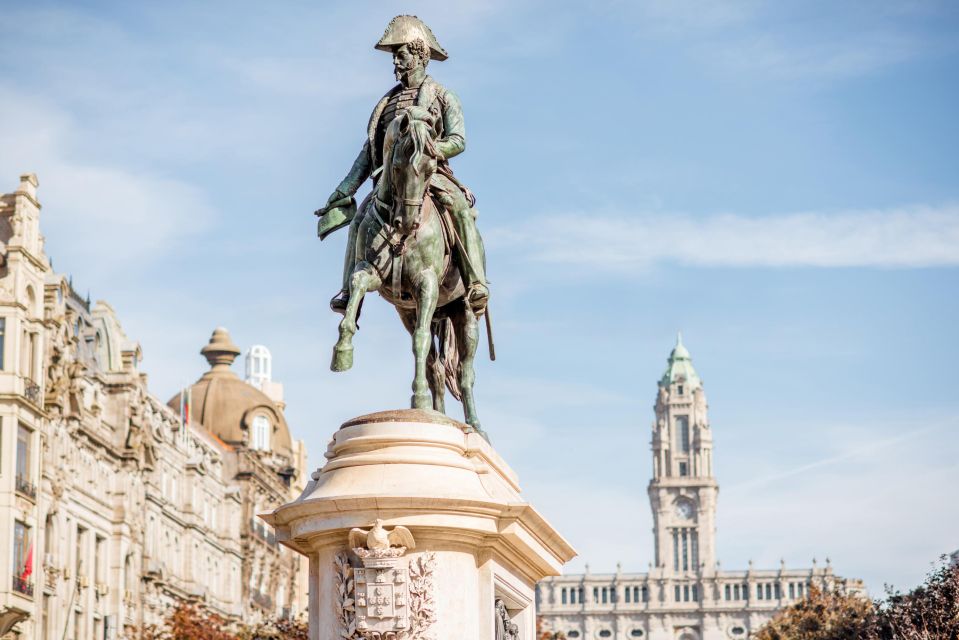
After the station, you’ll head to Avenida dos Aliados for about 25 minutes. This part of the tour is important because it shifts your perspective from smaller streets to a more public, open-feeling Porto.
This is where the tour’s “how to get around” value starts to feel practical. When you’ve learned how the city’s centre is laid out, you can plan your next walk without second-guessing. You’ll also get ideas for where to spend more time based on what your guide thinks fits your interests.
If you like cities that reward people-watching and big views of everyday life, this stop will likely land well. If you’re only chasing quiet corners, it may feel a bit more energetic than you want.
Porto Cathedral: finishing at a landmark you can build on
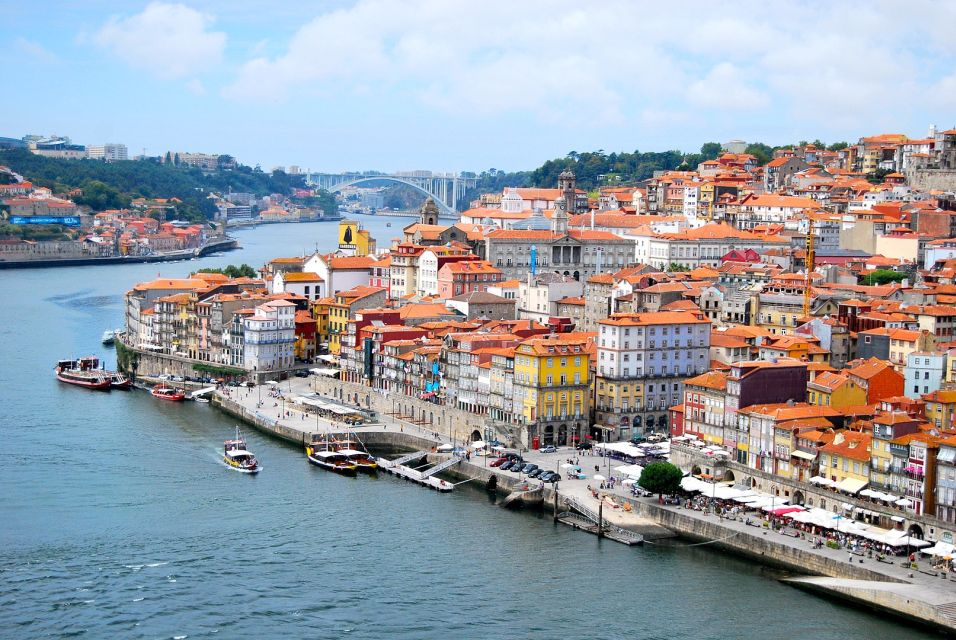
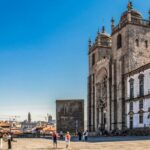
The tour ends at Porto Cathedral, with about 25 minutes of guided time there. Finishing here is a smart move. Even after the tour, it’s a natural jumping-off point for more exploring because it’s a major anchor in the city centre.
I like endings like this because you don’t feel like you’re leaving right before the best part. Instead, you close the loop: history and context up front, then a landmark finish where you can choose your next steps.
And since the tour doesn’t include monument entrance fees, you have control. If you want more time inside, you can plan it. If you prefer more wandering outside, you can do that too.
How the Douro, bridges, wine, and food tie into your walk
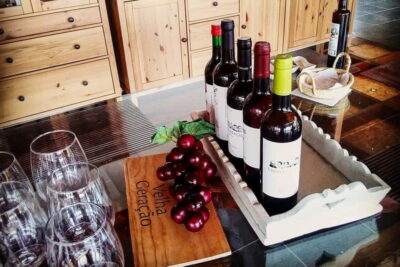
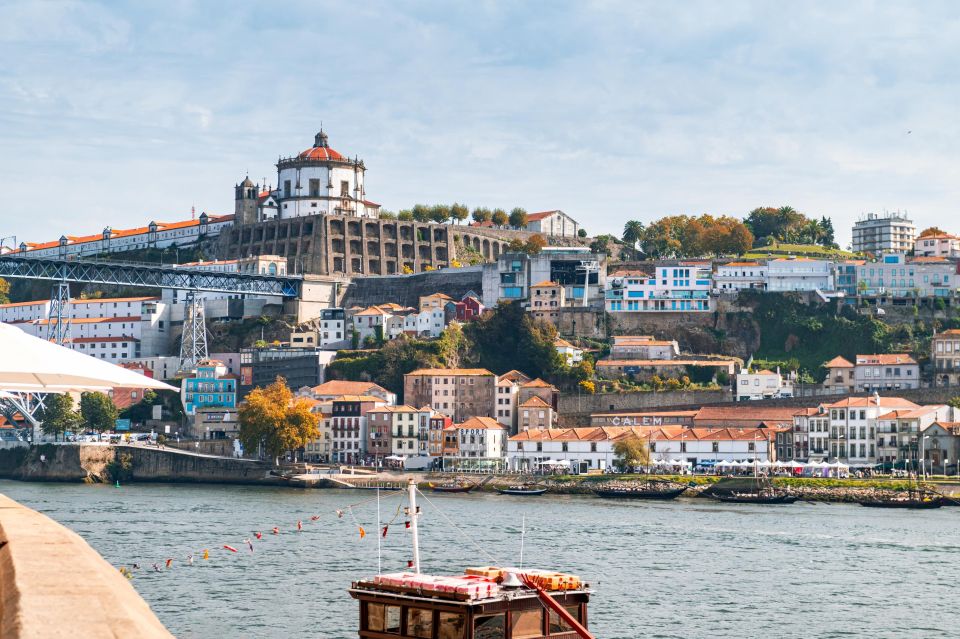
One of the strongest parts of this tour is that it doesn’t silo history. You’ll hear about the Douro and its bridges, plus the wine that made Porto known worldwide and the city’s gastronomic attractions.
That matters because Porto often makes sense only when you connect the river to the city. The Douro isn’t just scenery here; it’s part of the reason the city developed the way it did. The bridges are more than photo moments; they’re part of the story of movement and growth. And wine isn’t a vague “thing to buy”—it’s tied to how Porto earned its reputation.
Practical bonus: along the way, you get insider tips for restaurants. That’s where the tour can pay off quickly. After a good guide’s recommendations, you stop guessing and start eating smarter.
Getting around after the tour: use the guide’s tips immediately
The tour highlights mention tips on how to get around, and I’d treat that as one of the real “value adds.” City-centre walking tours are great, but your trip doesn’t end the minute the guide stops talking. The best tours help you keep the momentum.
So when you get those transport and sightseeing suggestions, don’t just nod and forget them. Write down:
- what your guide recommends for your next meal
- which areas they suggest you revisit
- any simple transport advice that can save time later
If you’re staying only a few days, those tips can turn a stressful schedule into a calm one.
Small-group pacing and what it feels like in real life
This is designed as a small-group experience. That translates into more room for questions and a route that stays more human. You’re not sprinting from stop to stop just to keep up with a big crowd.
The reviews reinforce what you want to hear: guides like Sofia are noted for being super knowledgeable and patient, including when someone arrived about 10 minutes late. You also see that kind of above-and-beyond effort with names like Arthur and Micho, where the emphasis is on doing a good job and going the extra mile.
That doesn’t mean the tour will wait forever. But it does suggest your experience won’t feel rushed or punishing if real life happens.
What’s included, what isn’t, and how to plan your day
Included:
- an expert local guide in English or Spanish
- small-group format
- insider tips for restaurants, transport, and cultural activities
- recommendations for the rest of your stay
- stories, fun facts, and hidden gems along the way
Not included:
- food or drinks
- entrance fees to monuments (if you decide to visit them later)
- hotel pickup/drop-off
Plan around that. If you want a snack or a coffee before you start, do it on your own. If you’re hungry right after, you’ll be in a great position to use your guide’s restaurant ideas.
Who this Porto tour suits best
I’d point this tour toward you if:
- you’re visiting Porto for the first time and want a route that helps you understand the city
- you care about how history and culture connect to what you see on the street
- you like practical guidance, not just facts
- you want a manageable time commitment at 150 minutes
- you prefer small groups over large bus-tour crowds
It also helps if you want both art/architecture stops and the broader story of Portugal. The tour includes Portugal’s long arc from origins through the imperial era, plus the 20th-century dictatorship period. That mix isn’t always offered on shorter walks.
A quick note on wheelchair fit and timing
The info has a contradiction you should pay attention to: it lists wheelchair accessibility, but it also says it’s not suitable for wheelchair users. Since that’s unclear, I’d check directly with the operator before booking.
Also, if there are fewer than 4 participants, the tour could be cancelled. If your dates are fixed, it’s worth reserving with a little flexibility and keeping an eye on updates.
Should you book this Porto city-centre walking tour?
Book it if you want a smart intro to Porto that mixes landmark time with the story behind the city: Douro, bridges, wine, and Portugal’s historical arc, plus practical tips for what to do and where to eat next. At $28 for 150 minutes in a small group, it’s also the kind of experience that can save you time during the rest of your trip.
Skip it or ask extra questions first if you need a fully wheelchair-suitable route, or if your schedule is so tight that a possible cancellation would cause problems.
If you do go, show up ready to walk, bring comfortable shoes, and go into the tour with one or two topics you care about (wine, history, food, architecture). Your guide’s explanations are most useful when you steer the conversation.
FAQ
How long is the Porto walking tour?
It lasts 150 minutes.
Where does the tour start?
It starts at the Portuguese Centre of Photography.
How much does the tour cost?
The price is listed as $28 per person.
What languages are the live guides?
The guide speaks English or Spanish.
What’s included in the price?
You get an expert local guide, a small-group experience, insider tips for restaurants and transport, and recommendations for the rest of your Porto stay.
What is not included?
Food or drinks are not included, and entrance fees to monuments are not included if you visit them after the tour.
What if I need to cancel?
You can cancel up to 24 hours in advance for a full refund.
Is it wheelchair accessible?
The activity is listed as wheelchair accessible, but it also notes it is not suitable for wheelchair users. Check with the operator before booking to confirm what that means for your specific needs.