REVIEW · PORTO
Porto: Guided City Walking Tour & Port Wine Cellar
Book on GetYourGuide →Operated by C D Porto Tours · Bookable on GetYourGuide
Porto rewards the curious, and this tour is built for curiosity. You’ll start in the historic center, then head down toward Ribeira for the real change of pace—stairs, cellars, and four Port tastings guided from start to finish. I especially like how the morning connects the city’s landmarks to why Port wine matters here, not as an isolated stop.
Two things I like a lot: you get a proper city walk before the wineries, and the tasting portion is structured so you know what you’re tasting instead of just sipping and guessing. One drawback to plan around: it’s adult-oriented and not a fit for anyone with mobility limits, since the route includes several stairs and the tour starts on time with no late joining.
In This Review
- Key Things to Know Before You Go
- Porto’s Tile-Filled Start: Train Station to Cathedral Area
- Learning the City’s Big Themes While You Walk
- Heading Toward Ribeira: The Descent That Changes Everything
- 19th-Century Port Producers: How the Craft Gets Explained
- Four Port Tastings: What You’ll Learn by Sampling More Than One
- Price and Value: Is $47 Worth It?
- Pace, Weather, and Real-World Logistics That Matter
- Who This Tour Fits Best (and Who It Doesn’t)
- Should You Book This Guided City Walking Tour and Port Tastings?
- FAQ
- What’s the tour length?
- Where do I meet the guide?
- Is the tour in English?
- Is food or snacks included?
- Does the tour run in bad weather?
- Are there stairs?
- Is this tour suitable for everyone?
Key Things to Know Before You Go
- 3 hours, on foot: You’ll cover the historical center and then descend to the cellars.
- City first, wine second: The Port stops come after a walk that sets the scene in Porto.
- 4 tastings included: You’ll sample multiple Port styles, not just a single pour.
- Rain or shine: Wear clothing that handles damp weather and changing conditions.
- Meet on time: If you arrive after the scheduled start, you won’t be able to join.
Porto’s Tile-Filled Start: Train Station to Cathedral Area
This tour begins where Porto likes to show off—ceramics and old-world street texture—and it does it quickly. You’ll meet your guide at C&D Porto Local Tours, marked by a blue umbrella in front of Imperial McDonald’s. Aim to arrive 5 to 10 minutes early, because the group leaves at the scheduled time and the operator is strict about not starting late.
One early highlight for me is the sheer visual punch at the train station. You’ll spend time appreciating more than 20,000 tiles, which sounds like a trivia number until you’re there looking at how the artwork fills space. It’s the kind of detail you’d normally miss if you were rushing through, and it sets the tone: Porto isn’t just a backdrop; it’s a living archive.
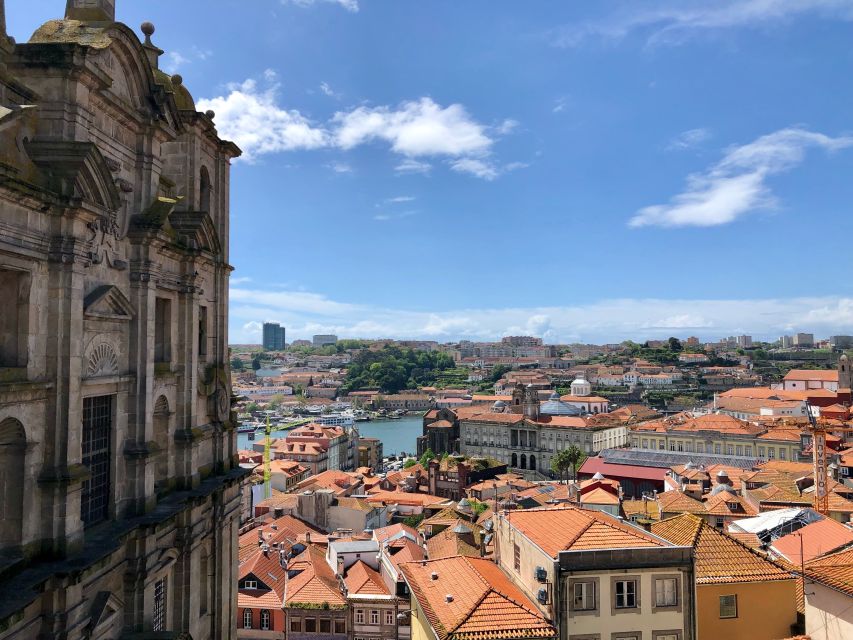
From there, the tour threads toward the Cathedral surroundings, where you’ll catch viewpoints that explain why people built Porto the way they did. You’re not just walking to say you’ve seen a church; you’re getting context for how the city’s power and influence played out over time.
Practical tip: Comfortable walking shoes matter more here than you’d think, because you’ll be on pavement for a while before you even touch the cellar portion.
You can also read our reviews of more walking tours in Porto



Learning the City’s Big Themes While You Walk
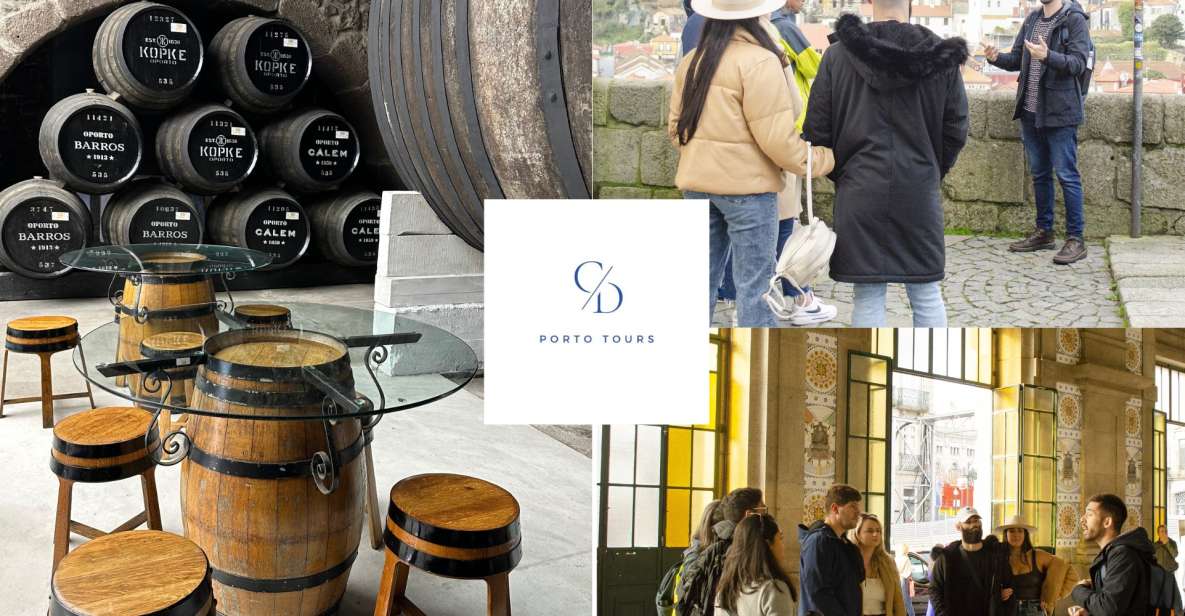
What makes this experience feel different from a basic sightseeing loop is the way the guide frames Porto’s development. As you move through the historic center, you’ll look at religion and strategic alliances, and how Portugal’s role in global trade shaped what Porto became.
That might sound like a lecture, but it’s built into the walk. Instead of a single “big talk” at the start, you get context while you’re passing the places that connect those ideas to real streets. It’s the kind of mental map that helps after the tour, when you’re wandering on your own and suddenly things connect.
The guide also touches on modern realities: the impact of tourism on the city and how it affects cost and quality of life for locals. That matters because Porto’s charm is partly cultural, and cultural places can get squeezed when visitor pressure rises. You’ll finish the walk with a better sense of what’s at stake.
One more practical point: the tour is described as adult-oriented, which usually means the pace, tone, and discussion fit adults best. Children can come, but they need to follow along and behave so the group experience stays smooth.
Heading Toward Ribeira: The Descent That Changes Everything
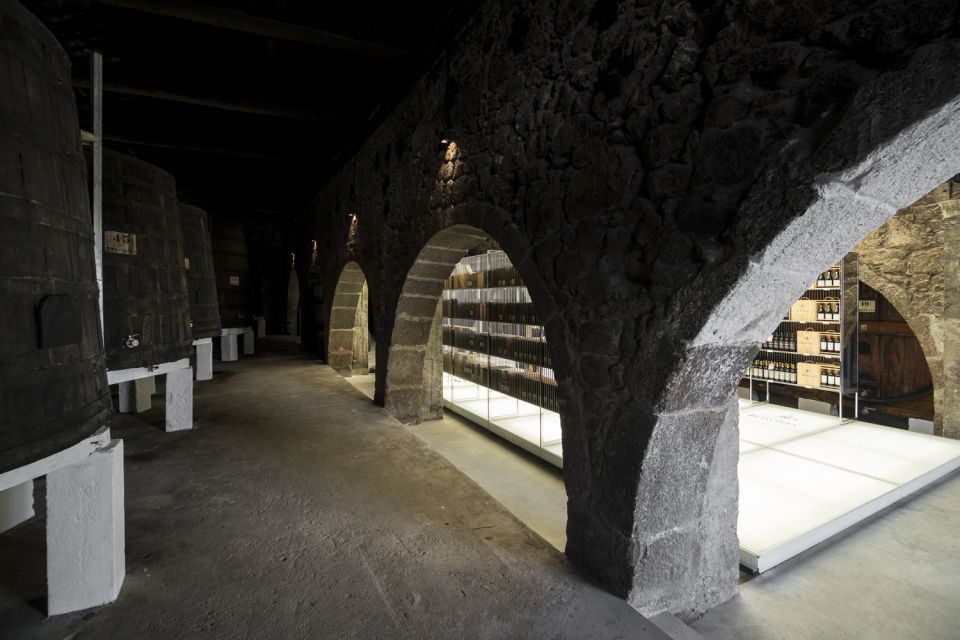
Once the sightseeing portion is underway, you’ll start working your way downhill toward the Ribeira area. This is where the tour genuinely shifts gears. The route includes several stair sections, so even though the walking pace is described as smooth, the effort level changes in a hurry when you hit steps.
If you’re deciding whether to book, don’t treat this as a minor detail. Stairs aren’t just “a bit of work”—they affect everything from leg comfort to how you hold your tote bag during tastings. If you’ve got any knee sensitivity, plan accordingly.
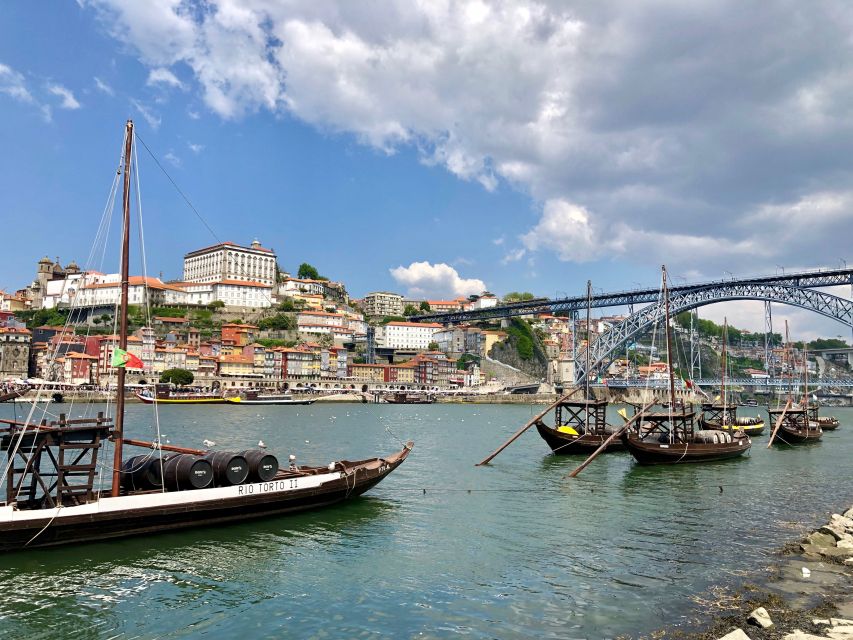
Why I like this part: Ribeira isn’t just another stop. It’s the visual and physical transition between Porto’s higher historic viewpoints and the riverfront world where trade happened. You can feel the logic of the city’s layout as you go.
Also, since this tour is rain or shine, you’ll be walking in whatever weather Porto hands you. If it’s damp, take extra care on stone steps. This is one of those tours where good footwear is a quality-of-life decision, not just a safety one.
19th-Century Port Producers: How the Craft Gets Explained
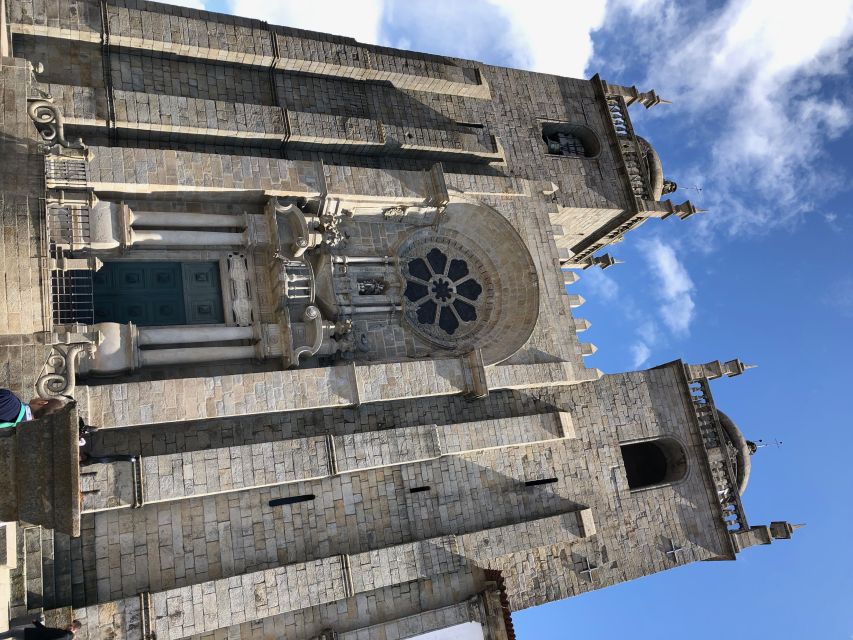
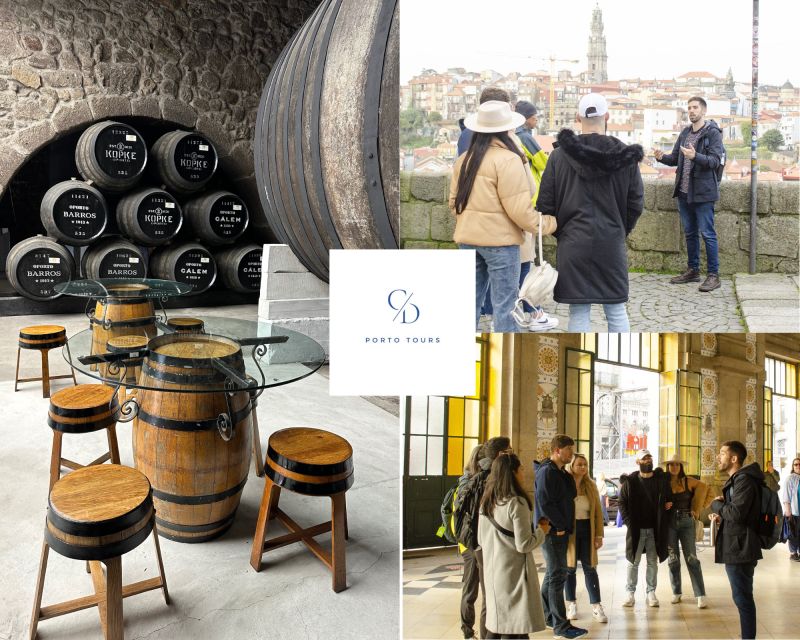
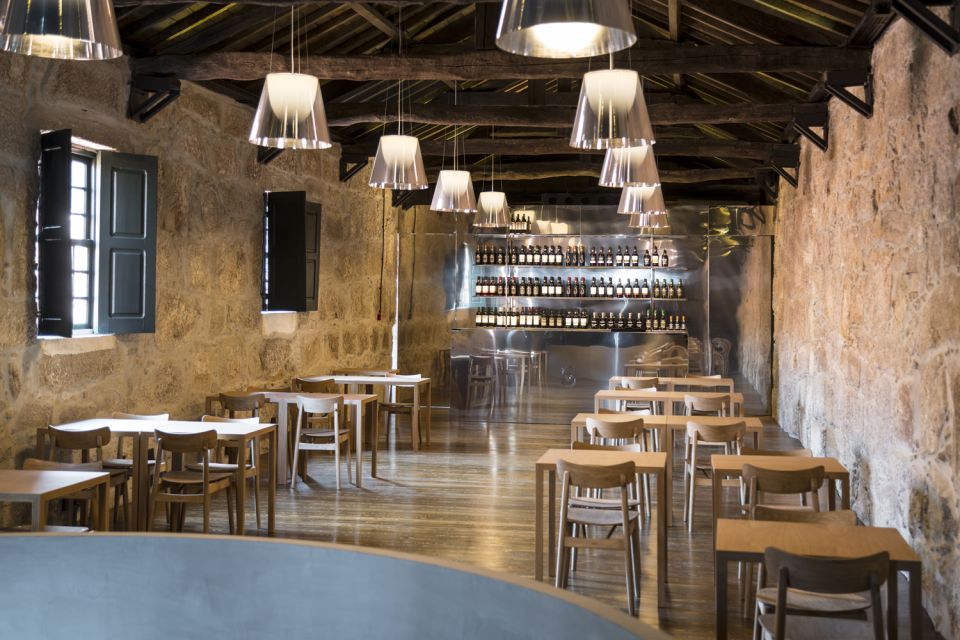
The Port portion starts with 19th-century winemakers/producers, where your guide explains the production process, aging, and what to look for during tastings. This is a major part of the value here: you’re not just receiving wine; you’re learning the logic behind the flavors.
You’ll walk into a place that reflects a different era of commerce—Port houses built around long-term aging and the idea that quality comes from time, not shortcuts. Even if you’re not a “wine person,” the guide’s job is to give you simple handles: what fermentation choices influence, what aging does, and why Port varieties taste the way they do.
You should expect the guide to connect the dots between Porto’s past role in global trade and why Port became a kind of export signature. It’s not only about grapes; it’s about history becoming a product.
One consideration: since the tour includes a city walk plus tastings, there’s limited time inside each stop. That’s great for energy and momentum, but it means you won’t get a long, museum-style walkthrough of every cellar detail. If you want lots of deep wine mechanics at a slow pace, you might feel slightly rushed. Still, the tastings are included and structured, which helps.
Four Port Tastings: What You’ll Learn by Sampling More Than One
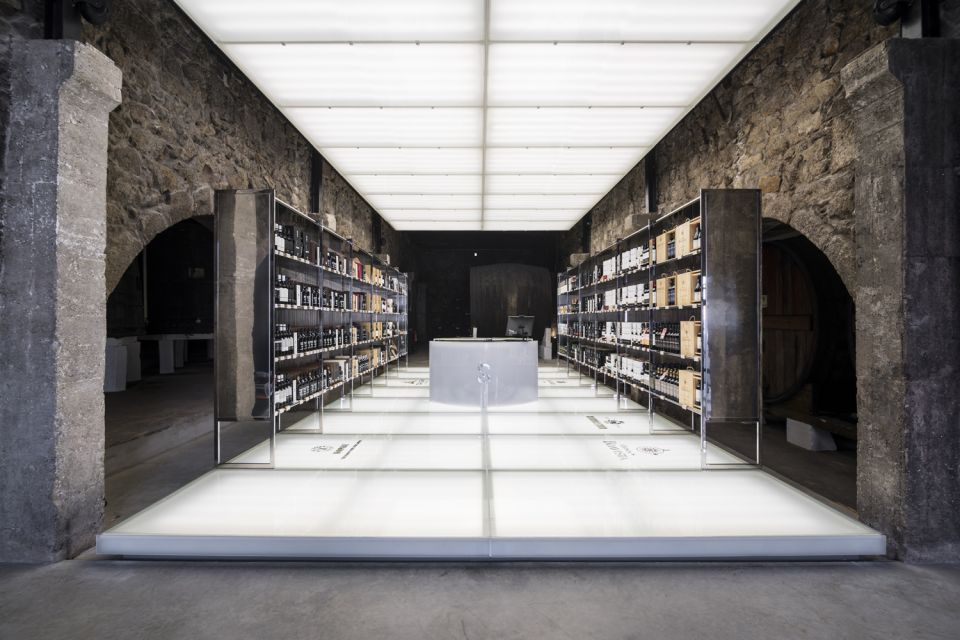
This tour includes 4 Port wine tastings, and that’s where the experience becomes practical. The goal isn’t to overwhelm you with wine terms. It’s to teach you how styles differ and what to pay attention to when you taste.
Even though exact Port categories aren’t listed in the info you provided, the tour clearly aims to cover more than one style, because four separate tastings are included. That typically lets you notice contrasts like sweetness level, fruit vs. spice character, and the effect of aging.
Here’s my advice on how to make the tastings “count”:
- Pace yourself. You’ve got more walking after.
- Smell first, sip second. This helps you detect the differences the guide is pointing out.
- If you’re taking notes for later, keep them simple: one line per tasting is enough.
Because the tour includes tastings but does not include food or snacks, plan for your personal comfort. Port can be rich and sweet, and drinking on an empty stomach isn’t everyone’s favorite. You might want to eat beforehand, even if it’s not part of the tour.
You can also read our reviews of more guided tours in Porto




Price and Value: Is $47 Worth It?
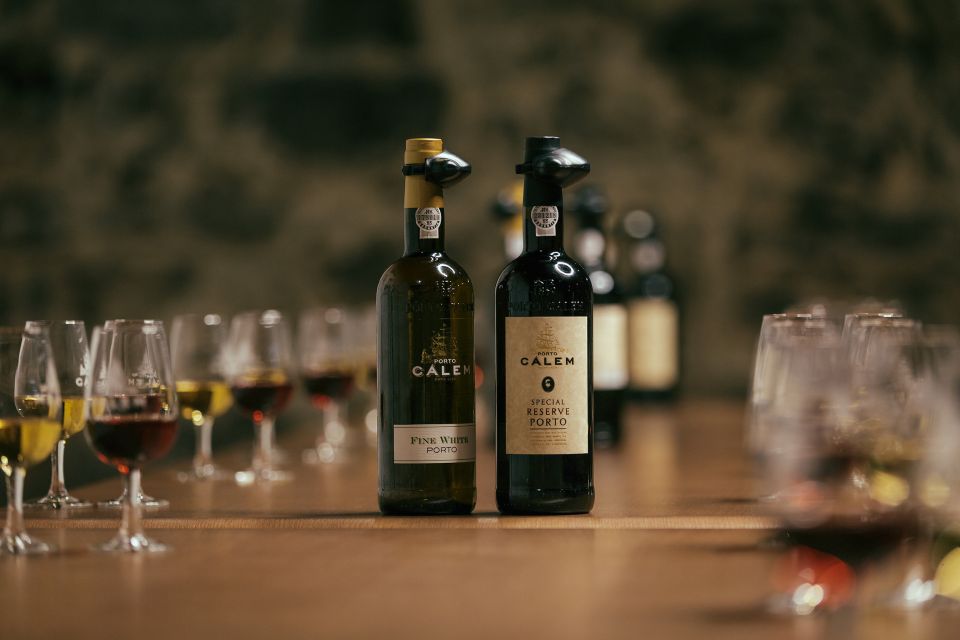
At $47 per person for a 3-hour guided walking tour plus four Port tastings, the price can be a solid value if you like structure. You’re paying for more than just wine. You’re paying for:
- a guided route through the historic center
- context about how Porto connects religion, alliances, and trade to the city you’re seeing
- producer/cellar time plus explanations
- tasting costs (four samples)
It’s also not just a straight “drink tour.” The city walking portion matters, and it can make the wine stops feel more meaningful. One review note you should take seriously: if you want a huge amount of city exploration, the time you spend in the historic center is still limited by the 3-hour format. In plain terms, this is a walk + taste experience, not a multi-day Porto deep dive.
If you’re trying to do a first visit to Porto and you want a guided framework in half a day, this price feels more reasonable than it would if you were already spending your time inside wine museums. If you already know Porto well and only want wine, you might consider a more wine-focused option. But if you want both, this one’s built for it.
Pace, Weather, and Real-World Logistics That Matter
This is a walking tour, and the info is clear that it happens rain or shine. So treat it like a weather-dependent outdoor experience. Bring clothes that won’t freeze you on stone streets or get you soaked on stair sections.
A few other practical points you should plan for:
- The tour starts at the scheduled time with no late joining.
- You’ll walk from the city center down to the cellars, including several stairs.
- There’s no hotel pickup or drop-off, so you need to be able to reach the meeting point on your own.
- No food or snacks are included, so eat before if you’re sensitive to alcohol on an empty stomach.
- The guide leads in English.
Also, the tour explicitly says it’s not suitable for pregnant women, people with mobility impairments, wheelchair users, or children under 18. If any of those apply, skip this specific tour and look for a more accessible alternative.
Meeting point reminder (because it’s easy to miss): arrive early and look for the blue umbrella in front of Imperial McDonald’s, with the operator signaled as C&D Porto Local Tours.
Who This Tour Fits Best (and Who It Doesn’t)
This is a strong match for you if:
- You want a first-time Porto experience with a guided storyline.
- You like historical context tied to what you can see on the street.
- You want a simple, guided way to taste Port with explanations, not a self-guided selection.
It may not be a match if:
- You dislike stairs or have any mobility restrictions, since the cellar descent includes multiple steps.
- You want a long, slow sightseeing day without alcohol sampling.
- You’re traveling with younger kids who can’t consistently keep up with an adult-oriented walking/tasting pace.
- You prefer joining late or arriving spontaneously. The tour is time-locked.
Should You Book This Guided City Walking Tour and Port Tastings?
I’d book it if you’re visiting Porto for the first time and you want a guided combo: historic city center context plus producer stops and four tastings in about 3 hours. The tour is paced for momentum, and the structure makes the Port portion feel earned rather than random.
Skip it if stairs are a dealbreaker for you, or if you’re expecting a huge amount of city time. This one is designed for the intersection: Porto’s streets first, then the cellars—and it does that job well.
If you’re ready to walk, handle some steps, and enjoy four different Port pours with explanations, this is an efficient and genuinely fun way to spend an afternoon in Porto.
FAQ
What’s the tour length?
The duration is 3 hours.
Where do I meet the guide?
Meet 5 to 10 minutes early at the spot in front of Imperial McDonald’s. Look for the C&D Porto Local Tours blue umbrella.
Is the tour in English?
Yes, the guide leads the tour in English.
Is food or snacks included?
No. Food or snacks are not included.
Does the tour run in bad weather?
Yes. The tour takes place rain or shine.
Are there stairs?
Yes. You’ll walk from the city center down to the cellars and there are several stairs.
Is this tour suitable for everyone?
It’s not suitable for pregnant women, people with mobility impairments, wheelchair users, or children under 18.