REVIEW · PORTO
Porto: 3-Hour Guided Walking Tour
Book on GetYourGuide →Operated by LISBOA AUTÊNTICA LDA · Bookable on GetYourGuide
Porto reveals itself best on foot. In just 3 hours, you’ll get panoramic viewpoints plus an expert guide who explains what you’re actually looking at, from landmark monuments to quieter corners that most people miss.
I also like the way the route mixes big names (like the cathedral and Clérigos Tower) with stops that feel more personal, like Ribeira’s riverfront streets and the 18th-century iron bridge. One possible drawback: it’s a walking tour, and it’s listed as not suitable for people with mobility impairments, even though it also says wheelchair accessible—so you’ll want to double-check what that means for your needs before you book.
In This Review
- Key Things You’ll Notice on This Walk
- Why This 3-Hour Porto Walk Is Such Good Value
- Meeting at Porto Cathedral: Getting Oriented Fast
- Ribeira and the Iron Bridge: The Porto Scene That Feels Like a Postcard
- Port Wine Cellars Pass-By: Seeing the Industry Without Overcommitting
- Pena Ventosa Cathedral: A Name With Personality
- Lello e Irmão and Art Nouveau Buildings: When Details Start Making Sense
- Clérigos Tower Area: The View That Helps Porto Click
- The Guides: Why People Keep Calling This Tour Excellent
- What’s Included (and What’s Not) So You Can Plan Cleanly
- Price and Value: Is $29 a Fair Deal?
- Who Should Book This Tour—and Who Might Rethink It
- Should You Book This Porto 3-Hour Guided Walk?
- FAQ
- How long is the Porto guided walking tour?
- How much does the tour cost?
- Where do I meet the guide?
- What’s included in the price?
- Is hotel pickup or drop-off included?
- What languages are available for the live guide?
- Is the tour wheelchair accessible?
- Is this tour suitable for people with mobility impairments?
- What’s the cancellation policy?
Key Things You’ll Notice on This Walk
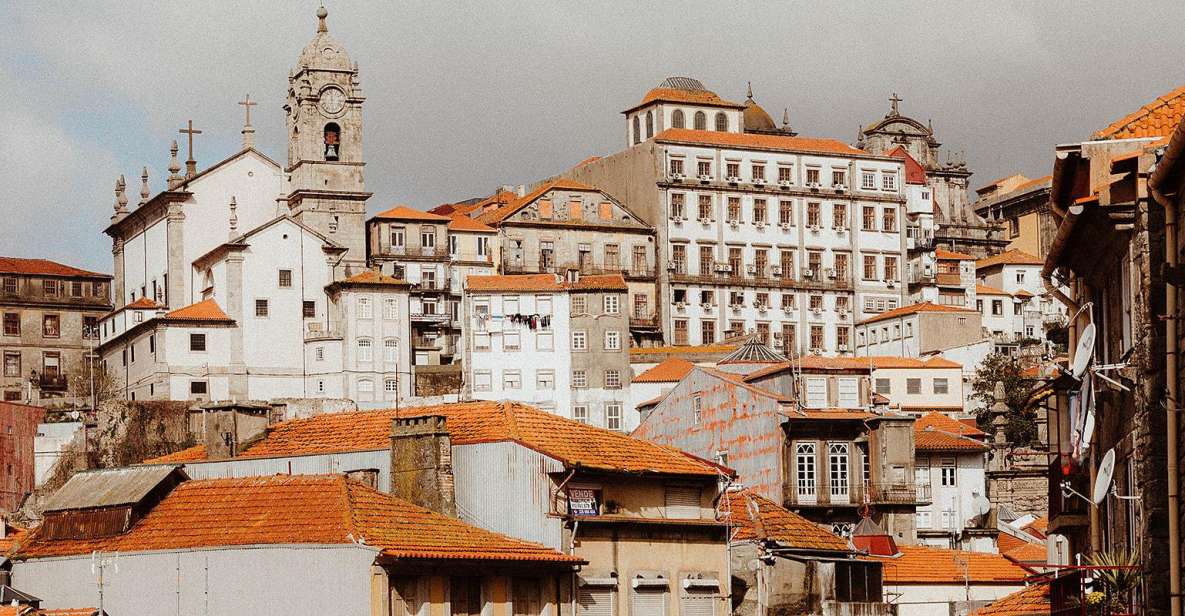
- Porto Cathedral as your starting signal: you begin with the city’s spiritual centerpiece, then move outward with context.
- Ribeira + the iron bridge: a classic Porto river scene paired with a distinct piece of engineering.
- Port wine landmarks from street level: you’ll pass the cellars and learn how they fit into the city’s identity.
- Lello e Irmão and Art Nouveau architecture: decorative styles that look better once you know what to look for.
- Clérigos Tower area for skyline views: you’ll end near a lookout that helps Porto snap into focus.
Why This 3-Hour Porto Walk Is Such Good Value
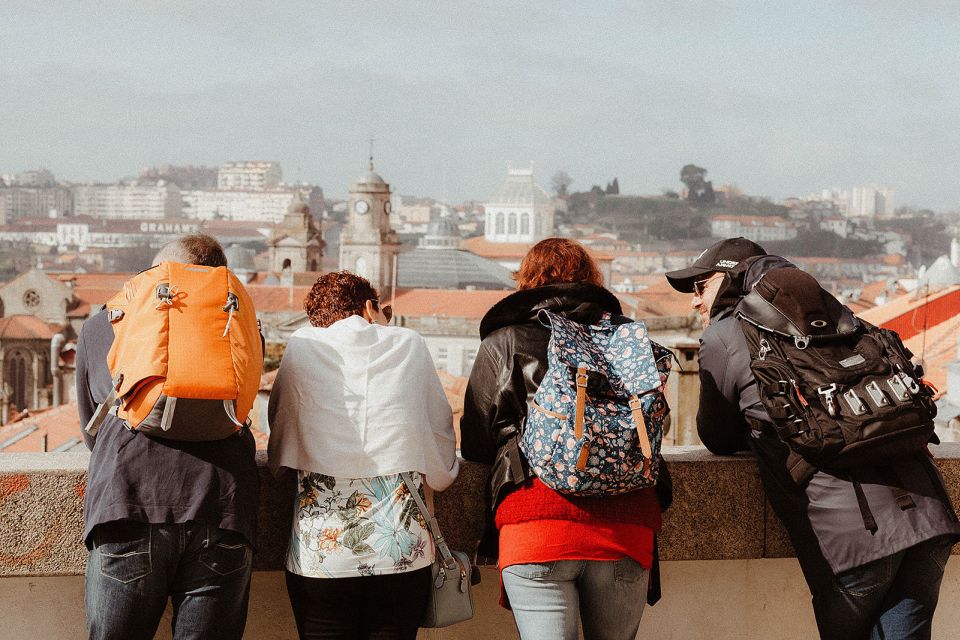
For $29, you’re not just buying access to sights—you’re buying sense. Porto can feel like a maze of hills, churches, and winding streets, and a guided walk helps you connect the dots fast. This tour is built to cover the major emotional beats of the city in a manageable time: riverside atmosphere, monumental architecture, then a viewpoint that ties it all together.
Three hours is also the sweet spot for walking. Long enough to feel like you toured the old center, short enough that you’re not wiped out for dinner plans afterward. And because you get an expert guide with live interpretation (French, Spanish, English, or Portuguese), you’ll spend less time guessing and more time understanding why certain buildings matter.
One more value point: you get a small traditional Portuguese cake included. It’s not a full meal, but it turns the walk into a more complete experience, like a mini cultural stop rather than pure sightseeing.
You can also read our reviews of more walking tours in Porto


Meeting at Porto Cathedral: Getting Oriented Fast
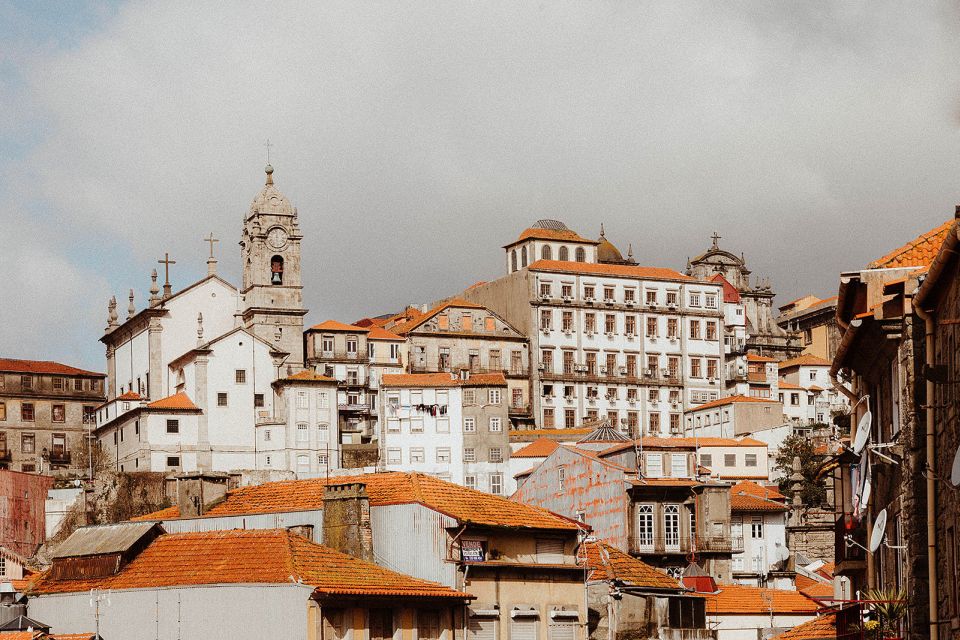
You meet at the main entrance of the Cathedral of Porto. That’s a smart start. Cathedral neighborhoods naturally teach you how the city organizes itself—what feels central, what developed outward, and how religious landmarks shaped streets and gathering points.
From the beginning, your guide frames the route as a journey through centuries. The walk focuses on older streets and squares that have stayed largely intact over time, so you’re not just collecting photos. You’re walking through the structure of the city—how spaces connect, and why the same few districts keep showing up in Porto’s story.
If you like tours where you can ask questions and get straight answers, this setup matches that. Past guests highlighted guides who stay attentive to curiosity, like Carlotta, who was praised for adapting to guests’ wishes and responding to questions clearly.
Tip: arrive a few minutes early so you can settle in. Starting at a major church entrance usually means there’s foot traffic, and you’ll want time to find your guide without stress.
Ribeira and the Iron Bridge: The Porto Scene That Feels Like a Postcard
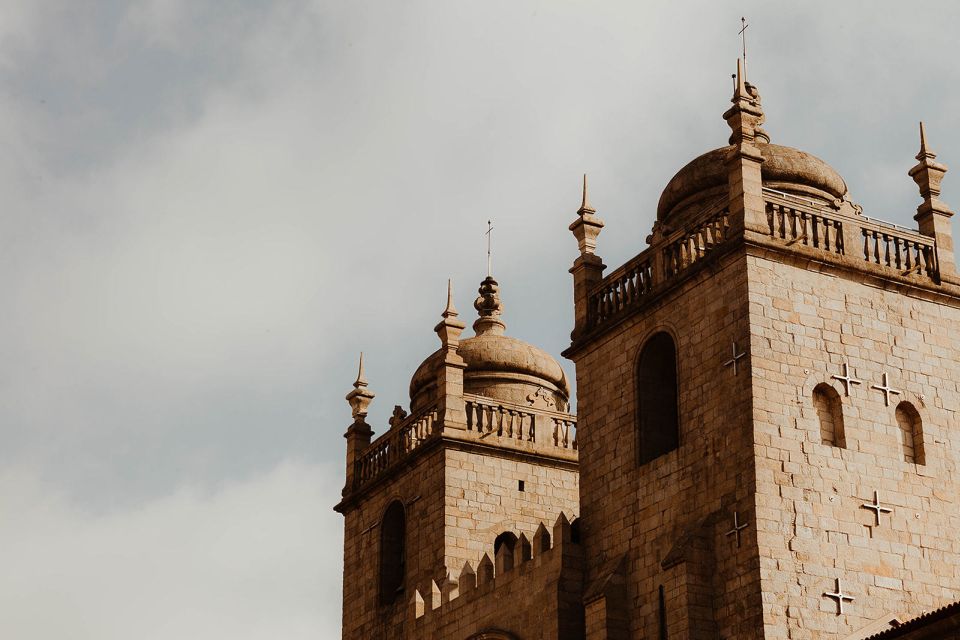
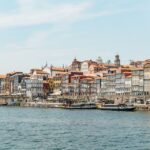
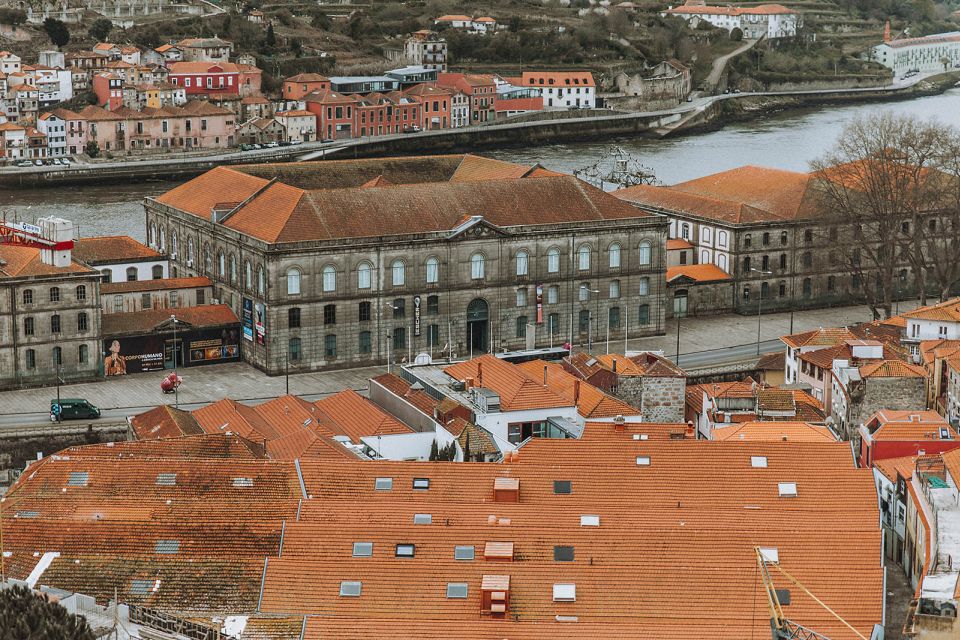
Ribeira is where Porto starts to feel like Porto. You’ll walk through the famous riverfront area with café terraces and picturesque corners, the kind of place where you can sense daily life as much as architecture. Even if you’ve seen photos, the actual street-level view hits differently: you see how the buildings face the river and how people actually use the space.
Your guide also brings you toward a major visual landmark right within this mood: an 18th-century iron bridge. A bridge like this matters because it’s both practical and iconic. Your guide’s job is to help you notice the detail and understand why it became part of Porto’s identity rather than just another crossing.
This portion of the walk is one of the tour’s strongest “get your bearings” stretches. Ribeira tells you where the city’s energy gathers. Then the bridge adds a concrete, historical anchor—something you can point at and remember.
If you want photos, this is your moment. If you want atmosphere, it’s also your moment. Ribeira works whether you’re a first-timer trying to understand the city quickly or a return visitor hoping to see familiar places with new context.
Port Wine Cellars Pass-By: Seeing the Industry Without Overcommitting
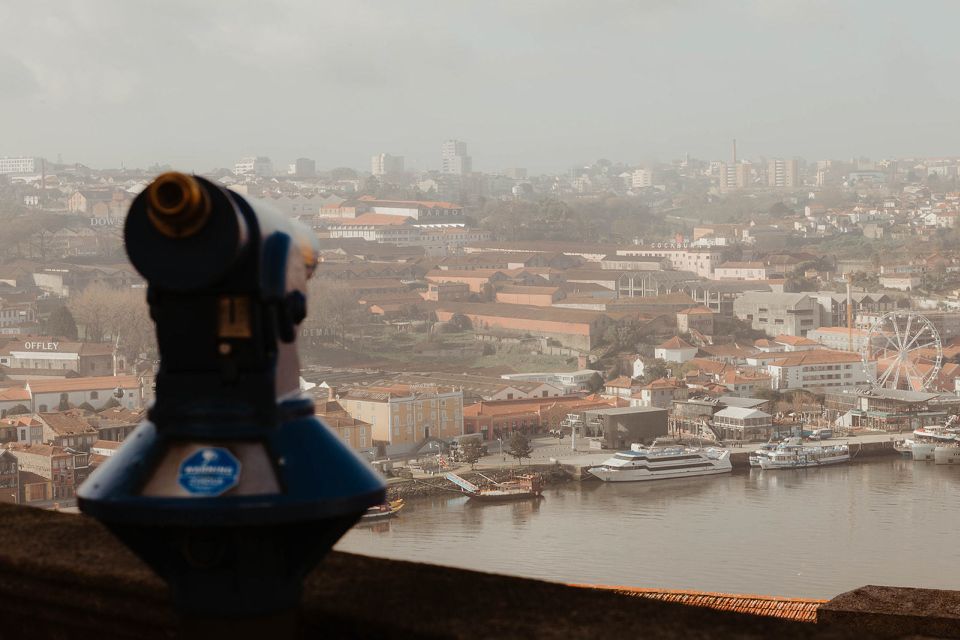
On this walk, you don’t park yourself inside a tasting room for hours. Instead, you pass by the port wine cellars, using the streets as your guide. That matters if you want the city story first, before you go deeper into wine later.
Port wine isn’t just a product here; it’s woven into the city’s economy and reputation. When you see cellars from the outside and hear how they connect to Porto’s culture, it gives you a framework for later choices—like where you might want to do an official tour or tasting on your own time.
This is also why the guided format works: it keeps you from turning the wine connection into a trivia game. You learn enough to make future wine stops feel intentional rather than random.
Practical note: since this tour is a walking route, you’ll want to stay comfortable with your schedule. If you plan a wine cellar visit after, keep it separate and give yourself time to explore at a slower pace later.
Pena Ventosa Cathedral: A Name With Personality
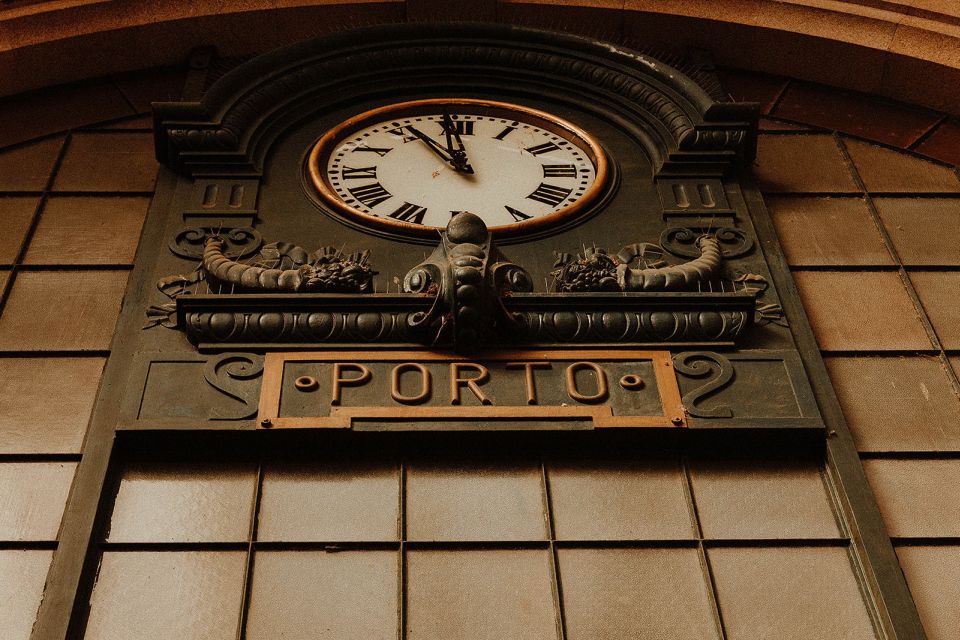
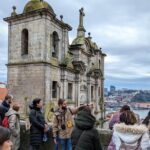
One of the most interesting stops is the cathedral dubbed Pena Ventosa, which literally points to the windy idea—windy mount. Even if you’re not reading every detail of architecture, your guide helps you connect the label to how the building fits into the landscape and feel of the area.
Why this stop is worth it: a guided explanation can change how you experience a place like this. Instead of treating it like another church stop on a list, you start noticing how the name, location, and design communicate something about the city and its attitudes toward place.
You’ll also get broader history and culture context as you move through older streets and squares that have kept much of their character. That’s one reason the tour feels like a timewalk—centuries aren’t just mentioned; they’re tied to what you can see right now.
You can also read our reviews of more guided tours in Porto



Lello e Irmão and Art Nouveau Buildings: When Details Start Making Sense
The tour includes a stop near the renowned library Lello e Irmão. It’s known for inspiring tales of Harry Potter, and that connection helps draw people in quickly. But the smarter goal here is to use that familiar hook as a pathway to observe more carefully.
Even if you’re not a fan of the stories, you’ll benefit from walking past and learning what makes the place notable. When your guide points out design cues, the building becomes more than an attraction—it becomes a lesson in how Porto expresses creativity through architecture.
Then you’ll pass by beautiful Art Nouveau buildings, another kind of architecture that rewards attention. Art Nouveau can look decorative at a glance, but once someone explains the style, you start noticing curves, motifs, and the way the buildings signal personality street-by-street.
This is one of those segments where I think you’ll get the most from showing up with curiosity. Don’t rush it. If you like taking your time with details, this part is built for that. And if you’re the type who wants a quick tour, your guide will keep the pace moving without turning it into a sprint.
Clérigos Tower Area: The View That Helps Porto Click
Near the end of the walk, you’ll reach the Clérigos Tower area. It’s near an ancient city jail, and your guide uses that location to frame a part of Porto that’s darker than the postcard view. That contrast is part of what makes the city feel real.
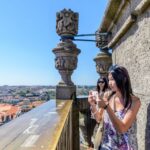
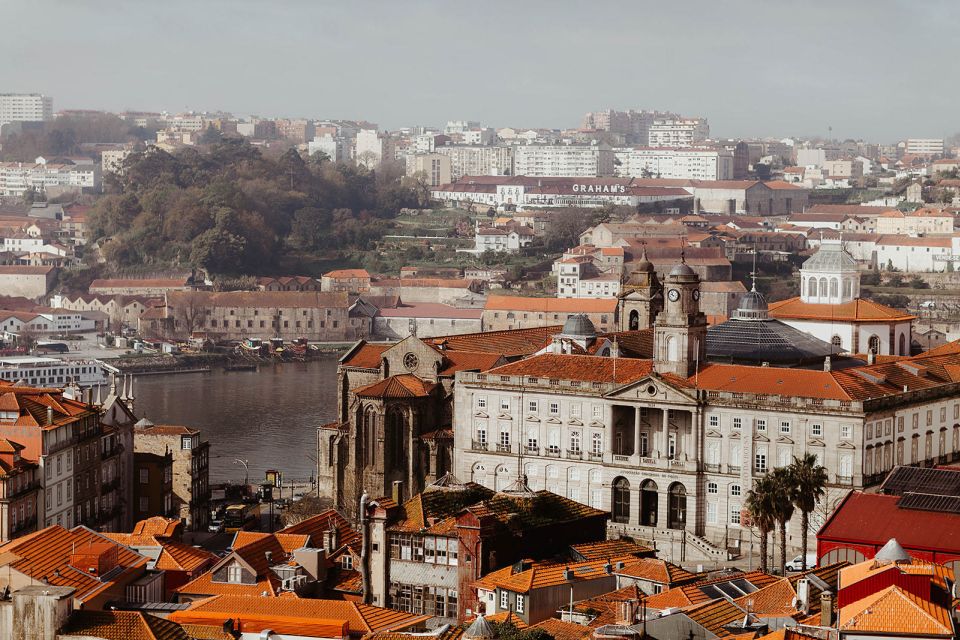
The big payoff is the unique view of Porto from the tower area. Views are good on their own, but they’re even better after you’ve walked through the parts that created the skyline. You’ll better understand how the city’s layout works—what’s clustered, what’s higher, and what you saw earlier that now looks different from above.
If your brain likes order, this is your moment. If you love photos, it’s your best one too. And if you just want a final “stamp” of the city before you go off on your own, ending here gives you that closure.
The Guides: Why People Keep Calling This Tour Excellent
The tour’s reputation isn’t only about sights. It’s about how the tour feels.
Past guests praised the guides for staying sympathetic and helpful, and for explaining history in a way that doesn’t turn into a lecture. Names mentioned include Carlotta (noted for adapting to guests’ wishes and answering questions), Ana (praised for generosity and deep knowledge of Porto and its history), and Sarah (praised for sharing historical knowledge and keeping the group interested throughout).
That kind of guide talent matters because a walking tour succeeds or fails based on your attention. When the guide is good, you start looking up at façades, noticing street layouts, and asking better questions. When the guide is average, you walk past things and forget them later.
Also, you’ll have live guidance in French, Spanish, English, or Portuguese, which is a real quality-of-life factor if you want to understand every stop without relying on translations on your phone.
What’s Included (and What’s Not) So You Can Plan Cleanly
Included:
- Expert guide
- A small traditional Portuguese cake
Not included:
- Hotel pickup and drop-off
This matters for planning. Since there’s no pickup, you’ll want to make sure you can reach the meeting point at the Cathedral of Porto without rushing. If you’re staying nearby, great. If you’re coming from farther out, build in time to get there.
This tour also doesn’t sell itself as a meal experience. If you’re hungry, plan a snack before you go or treat that included cake as a bonus, not a replacement. The walk is designed for sightseeing, then you’ll eat afterward.
Price and Value: Is $29 a Fair Deal?
$29 for a 3-hour guided walking tour in Porto is a solid value, especially because you’re getting multiple high-recognition stops plus contextual storytelling. You’re paying for three things:
- a live guide who can explain culture and history
- a route that covers major areas in a short time
- one included food item to make the experience feel more like a local moment
If you compare the price to booking separate activities one at a time, this walk often costs less than a typical single paid attraction. And even when you later add a specific wine or architecture visit, this guided walk helps you choose those follow-ups smarter.
The tour also offers free cancellation up to 24 hours in advance and a reserve now & pay later option (paying nothing today). That reduces the risk if your schedule changes.
Who Should Book This Tour—and Who Might Rethink It
This walking tour is a good fit if you:
- want an organized route through Porto’s center without spending hours planning
- enjoy getting history and culture context while you walk
- like mixing famous monuments with less obvious street-level moments
- want a viewpoint ending that ties the city together
It may be less ideal if you:
- need accommodations for mobility limitations, since it’s listed as not suitable for people with mobility impairments
- still have trouble with walking distances, since it’s a full walking experience
- are depending on wheelchair access, because the tour info includes a wheelchair accessibility note that conflicts with the mobility suitability note—so you should confirm details directly
If you’re on the fence, the best move is to ask a simple question before booking: what parts of the route require extra effort, and how flexible is the route pacing?
Should You Book This Porto 3-Hour Guided Walk?
Yes, if you want a strong first look at Porto that goes beyond surface photos. The mix of Ribeira, the iron bridge, cathedral areas, Lello e Irmão, Art Nouveau streets, and the Clérigos viewpoint is a tight bundle for the time. And the repeated praise for guides like Carlotta, Ana, and Sarah tells you the experience isn’t just about landmarks—it’s about how well you’ll understand them.
I’d skip it only if walking time is a major problem for you. Otherwise, this is a practical, well-paced way to get Porto’s key story beats in one go, then keep the rest of your trip flexible.
FAQ
How long is the Porto guided walking tour?
The tour lasts 3 hours.
How much does the tour cost?
It costs $29 per person.
Where do I meet the guide?
Meet your guide at the main entrance of the Cathedral of Porto.
What’s included in the price?
An expert guide and a small traditional Portuguese cake are included.
Is hotel pickup or drop-off included?
No. Hotel pickup and drop-off are not included.
What languages are available for the live guide?
The live tour guide is available in French, Spanish, English, and Portuguese.
Is the tour wheelchair accessible?
The activity is listed as wheelchair accessible, but it also says it is not suitable for people with mobility impairments, so it’s worth checking details for your situation.
Is this tour suitable for people with mobility impairments?
The tour is listed as not suitable for people with mobility impairments.
What’s the cancellation policy?
Free cancellation is available up to 24 hours in advance for a full refund.