REVIEW · PORTO
Port Wine Lodges Tour Including 7 Port Wine Tastings (English)
Book on Viator →Operated by Porto Walkers · Bookable on Viator
Gaia cellars make Port taste like history. This half-day Port wine experience from the D. Luís Bridge area in Porto takes you into 7 tastings of Port styles, plus interactive stops that explain how the Douro Valley shapes what’s in your glass.
I like the way the tour is built around real Port house spaces, not just a quick pour and a photo. In the middle of it all, you’ll taste and learn how different Port families differ. One thing to consider: it’s strictly on foot, and it ends on the Gaia side, so you’ll plan your return from Av. de Diogo Leite rather than expecting hotel pickup.
In This Review
- Key highlights at a glance
- From D. Luís Bridge to Gaia: where you meet and how you start
- The walking plan: how far you’ll go (and what to wear)
- Inside Vila Nova de Gaia: three Port houses and what each one teaches
- First stop: orientation plus museum and cellar time
- Second stop: Reserve White and Reserve Tawny guided tasting
- Third stop: interactive visitor center and a young Ruby Port
- The 7 tastings: what you’ll taste and how to use the learning
- How Port families connect to what’s in your glass
- Taste with a purpose
- The Douro Valley interpretation and the cork/barrel explanations
- The pairing workshop: Port isn’t just for desserts
- Views and closure on the Gaia side terrace
- Price and value: does $62.88 make sense here?
- Practical tips before you go
- Who should book this Port tasting tour (and who might not)
- Should you book Port Wine Lodges Tour Including 7 Port Wine Tastings?
- FAQ
- Where is the meeting point?
- What time does the tour start, and how long does it take?
- Is this tour very far to walk?
- What tastings are included?
- Is the tour in English, and how large is the group?
- Can children join, and what’s the minimum drinking age?
- Can I cancel for free?
Key highlights at a glance
- 7 Port tastings across classic styles, including Reserve White, Reserve Tawny, and young Ruby
- Three Port houses in Vila Nova de Gaia, with cellar and museum time
- Interactive visitor centers, including how barrels are used and how cork is made
- A Douro Valley interpretation workshop, plus Port-style education you can use later
- Food pairing tips built into the tasting workshop
- Small group size (max 18) and English guidance, with guides like Alex, Kevin, Cyril, Seral, and Lara mentioned in past tours
From D. Luís Bridge to Gaia: where you meet and how you start
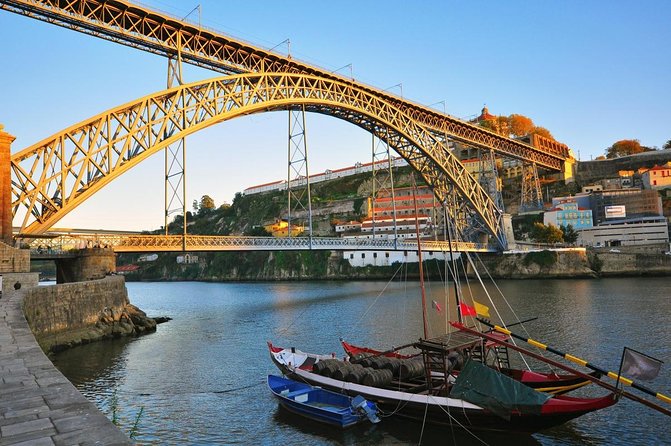
The tour begins on the Porto side by the pillars of the old Pensil bridge, right near the lower level of the D. Luís Bridge. You’ll spot the meeting point by looking for a red jacket that says Porto Walkers. Showing up a few minutes early helps, since this area can feel busy and it’s easy to be a little off by a block.
You start at 3:00 pm, and the whole experience runs about 3.5 to 4 hours. That late-afternoon timing is smart: you get daylight for orientation and still often catch pleasant evening light around Gaia.
The big geographic idea here is simple. Porto is where you start your walk, but Vila Nova de Gaia is where Port wine “lives” in the cellars. Crossing the D. Luís Bridge area isn’t just practical—it’s part of the story of how the region’s wine trade shaped this part of the river.
You can also read our reviews of more wine tours in Porto

The walking plan: how far you’ll go (and what to wear)
This is an all-walking tour. The farthest stretch is about 800 meters, so it’s not a hike, but it is steady walking on cobbles in places. I’d wear shoes you’re comfortable with for uneven ground, especially if you’re visiting in warmer months when you might not feel as refreshed.
Because there’s no hotel pickup and drop-off, plan to travel to the meeting point on your own using nearby public transport. The tour ends at Av. de Diogo Leite 135 in Vila Nova de Gaia, again on foot and again on your schedule—not theirs. If you have dinner plans, aim them on the Gaia side or build in extra time to get back across.
If you run light on energy, bring a small snack of your own if you like. Lunch and food aren’t included, and some stops may not be set up for an easy meal break. You’ll be tasting along the way, so having a little something in your bag can save you from the awkward moment where you’re hungry but waiting for the next cellar stop.
Inside Vila Nova de Gaia: three Port houses and what each one teaches
This tour is designed around three Port houses. That matters because Port isn’t one style—it’s families, age rules, and winemaking decisions. Seeing more than one producer helps you connect the dots between tradition and the choices that create the different tastes.
First stop: orientation plus museum and cellar time
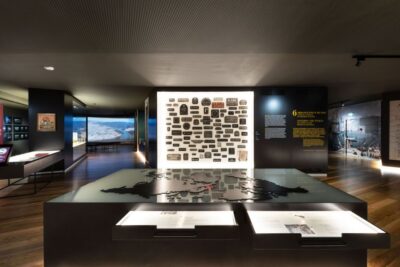
You’ll begin with an orientation on foot, learning how Port’s story connects to Porto and the Douro Valley. Then you head into a well-known producer area in Gaia for a guided visit that includes a museum-style experience and the cellar.
This first stop is where you get the “how it works” base. You’ll also start learning how the industry classifies Port and what those categories mean when you’re later deciding what you like. I especially like that you’re not left guessing—your guide ties the tasting to the production.
Second stop: Reserve White and Reserve Tawny guided tasting
After the first house visit, you’ll do a guided tasting featuring Reserve White and Reserve Tawny Ports. This is where the tour shifts from history to your palate.
Reserve styles can feel confusing if you’re new to Port, so I like that the tasting is guided with explanations, not just handed over to you like a menu. You get a structure for comparing: how age and production choices change the flavor and texture.

Third stop: interactive visitor center and a young Ruby Port
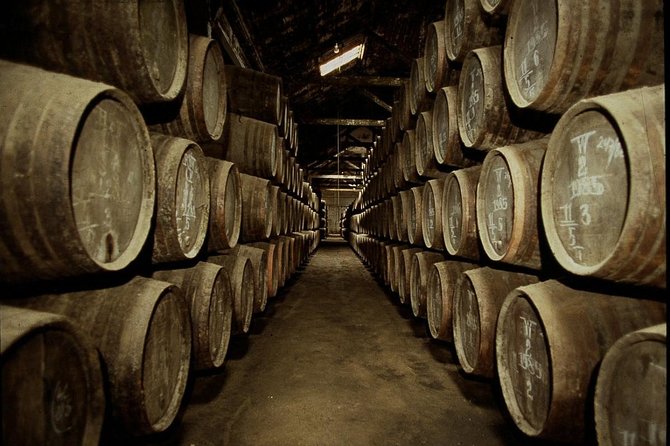
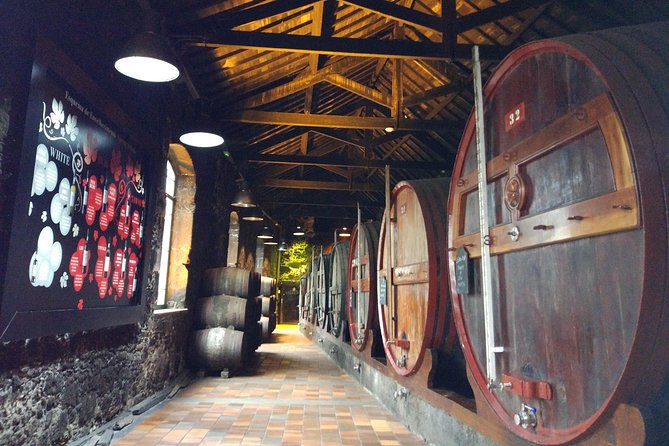
Next comes an old cellar that’s been transformed into an interactive visitor center. Here, you learn about the barrels where Port is stored and how cork is produced. It’s practical information, and it makes the later tastings easier to understand.
Then you taste a young Ruby Port. Ruby is often the “friendly entry” style for many people because it’s typically fresher and fruit-forward than Tawny. Even if you’re already a Port fan, Ruby is useful because it gives you a baseline before the more aged styles take over the flavor map.
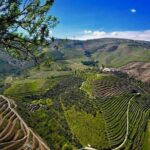
A fourth learning layer follows after that, with an interactive Port interpretation center focused on the Douro Valley, described as the oldest wine region in the world. This section helps you connect Port to the geography and grape-growing reality behind it.
The 7 tastings: what you’ll taste and how to use the learning
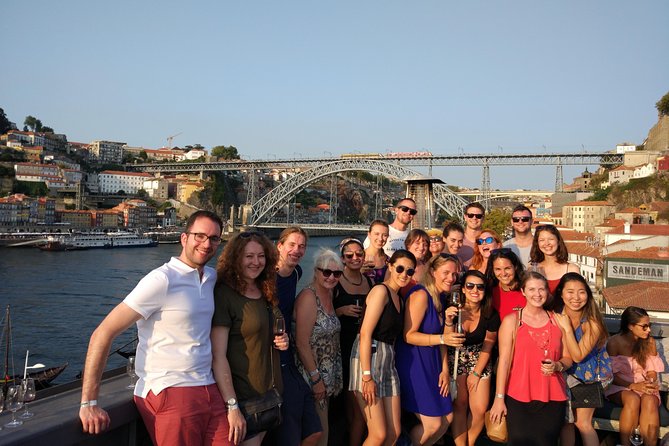
The headline for this tour is 7 Port wine tastings, and the way it’s paced helps you compare styles instead of just collecting sips. You get tastings tied to specific production ideas, which is the fastest way to start spotting what you personally like.
From the tour flow you’ll definitely encounter:
- Reserve White
- Reserve Tawny
- Young Ruby
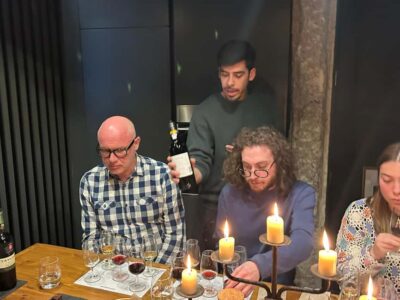
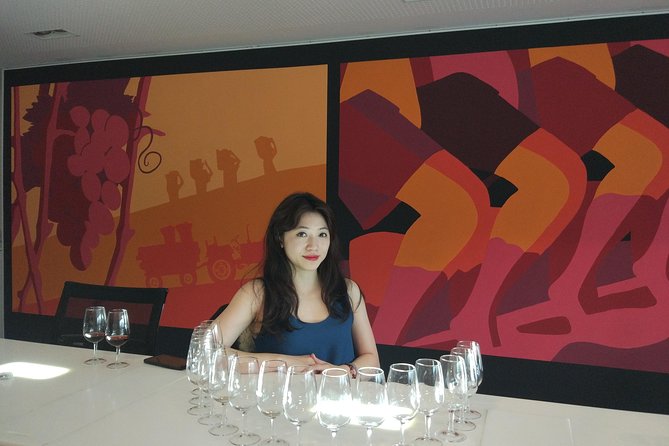
Beyond those named tastings, you’ll also participate in an exclusive wine tasting workshop. That workshop is part of what turns this into more than a simple “walk and drink” experience. The guide explains Port wine families and what separates Port from other wine styles.
How Port families connect to what’s in your glass
One of the most useful parts of this tour is learning how to distinguish Port “families.” Port isn’t only about sweetness. It’s also about how it’s made and how it’s aged, which changes flavor notes, aroma intensity, and how the wine feels on the palate.
For your takeaway, think of it like learning a label system you can actually use. Instead of remembering random names, you’re learning what makes a category what it is, so you can order confidently later.
Taste with a purpose
As you move through the tasting stops, I suggest you do two quick mental checks each time:
- Do you prefer fruit, spice, or nuts/wood notes?
- Does the Port feel light and crisp, or deeper and rounder?
That helps you turn the experience into something you can repeat at a shop. It also makes the end workshop more relevant, because you’ll already know what you lean toward.
The Douro Valley interpretation and the cork/barrel explanations
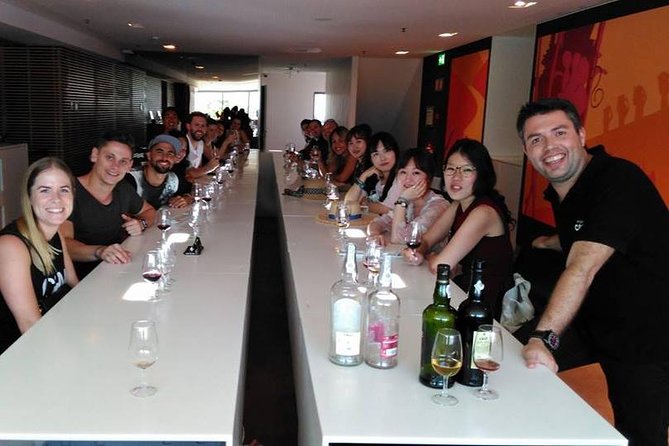
Port doesn’t happen in a vacuum, and the tour keeps pulling you back to the Douro Valley. You’ll hear how the region’s oldest wine culture connects to Port production and why the style developed the way it did.
What I like here is that the tour doesn’t treat the story like a lecture. You’re learning through physical explanations in places designed for visitors. One interactive element focuses on barrels and how Port is stored, and another focuses on cork production. Those details sound small, but they help you understand why Port aromas and aging behavior change from one style to the next.
If you’ve ever had a Port bottle that tasted unexpectedly different from what you remembered, cork and aging context are part of the answer. This tour is built to help you ask smarter questions when you’re shopping afterward.
The pairing workshop: Port isn’t just for desserts
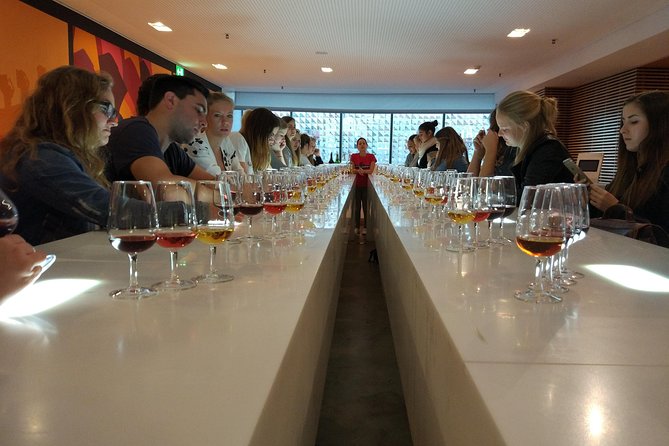
A standout part of the experience is the wine tasting workshop that teaches you how to pair Port with food. This is where Port becomes useful for real-life meals, not just an after-dinner sip.
Even if you’re the type who usually sticks to wine with dinner and Port with dessert, pairing guidance can shift that habit. Port’s flavor range means it can work with savory dishes too, depending on the style you choose. The workshop helps you build that pairing instinct by linking taste characteristics to likely foods.
If you’re planning your meals in Porto and Gaia, this workshop can help you pick which Port style to buy so you’re not stuck with something that only works at night in a quiet room.
Views and closure on the Gaia side terrace
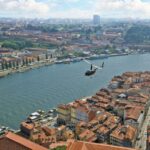
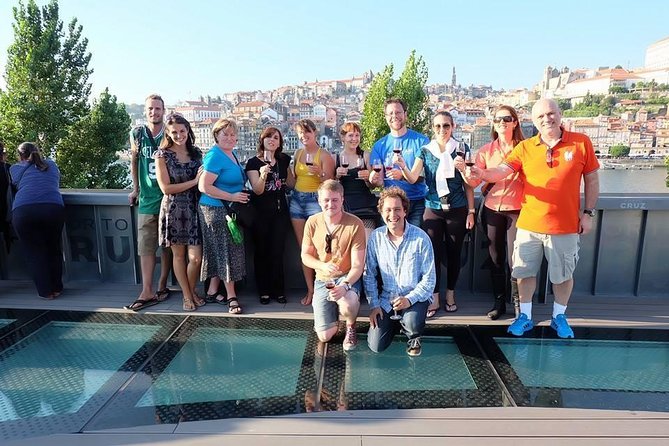
The tour finishes with scenic views over Porto from a terrace at the interpretation center. This is a nice reset after tasting and walking—you get a view of the river city without needing to plan an extra stop.
You’ll also end on the Gaia side, at Av. de Diogo Leite 135, which is convenient if you’re staying in Gaia or want to keep your night going with dinner nearby.
Price and value: does $62.88 make sense here?
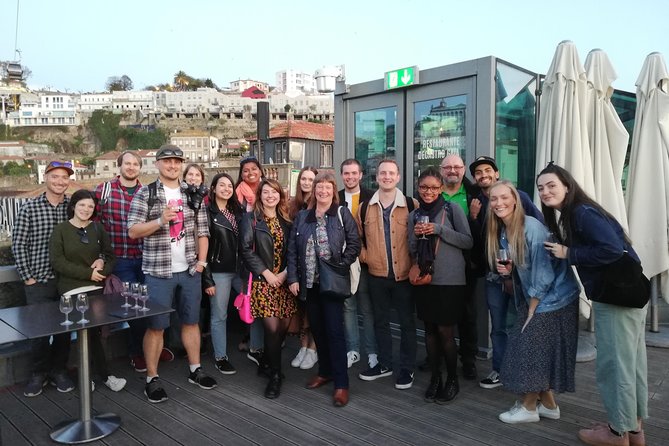
At $62.88 per person, the value comes from what’s bundled in. You’re paying for:
- 7 Port tastings
- A local English-speaking guide
- Entry tickets to Port lodges/houses and the visitor centers
- Guided visits across 3 Port houses
- A structured tasting workshop, including pairing education
This isn’t a half-hour stop at one cellar. It’s multiple learning spaces, multiple pours, and a walking route that ties it all together on foot. If you’re the type who likes to understand what you’re drinking (instead of only buying bottles), the learning component is a big part of why this feels like a good deal.
If you prefer tasting experiences that are shorter with less walking, you may feel this runs a bit “all-day within half a day.” But for most Port lovers, the pacing fits: you get enough time to compare styles, not just sample them.
Practical tips before you go
Here are a few things that make the tour easier from the first 10 minutes:
- Bring ID or something that confirms age, since the minimum drinking age is 18
- Wear closed-toe shoes for cobbles and uneven walking
- If you’re worried about hunger, pack a light snack since lunch and snacks aren’t included
- Have your eyes on the meeting point: by the Pensil bridge pillars near the D. Luís Bridge lower level, and look for the Porto Walkers red jacket
- Plan for the end location on Gaia side at Av. de Diogo Leite 135
You’ll also get a mobile ticket, and the tour runs with a maximum of 18 travelers, which helps keep things moving.
Who should book this Port tasting tour (and who might not)
I’d book this if you want a guided, structured way to understand Port—styles, families, and why the Douro Valley matters. It’s especially good for:
- First-time Port drinkers who want the categories explained
- Port fans who want to compare styles across multiple houses
- People who like hands-on learning (barrels, cork, interactive centers)
This might be less ideal if you hate walking or you want a pure tasting-only experience with minimal explanations. There are explanations built in, because the tour’s goal is to help you taste with context, not just taste.
Should you book Port Wine Lodges Tour Including 7 Port Wine Tastings?
Yes, if Port is on your must-do list in Porto—and you want more than a single cellar visit. The mix of three Port houses, 7 tastings, and the pairing workshop gives you real value for the price, especially when you’re trying to learn what you actually like.
If you’re short on time, very sensitive to walking, or you already know exactly which Port styles you want to buy, you could choose a simpler tasting tour. But for most people, this one is a strong, well-paced way to understand Port while enjoying the best part: tasting your way through Gaia.
FAQ
Where is the meeting point?
You meet by the pillars of the old Pensil bridge, next to the D. Luís Bridge (lower level) on Porto’s side. The meeting spot is listed at Pilares da Ponte Pênsil, near the D. Luís Bridge, and you should look for a red jacket saying Porto Walkers.
What time does the tour start, and how long does it take?
The start time is 3:00 pm. The tour is listed as about 3 hours 30 minutes (approx.), and it’s also described as a 4-hour walking tour.
Is this tour very far to walk?
It’s all walking, with the farthest walk noted as about 800 meters. There’s no hotel pickup.
What tastings are included?
The tour includes 7 Port wine tastings. It specifically mentions tastings of Reserve White and Reserve Tawny Port, plus young Ruby Port, along with additional tastings during the workshop.
Is the tour in English, and how large is the group?
The local guide speaks English. The tour has a maximum group size of 18 travelers.
Can children join, and what’s the minimum drinking age?
The minimum drinking age is 18. If you want to bring a child over 6 years old, you need to contact the operator, and paid entrance applies as well.
Can I cancel for free?
Yes. Free cancellation is available up to 24 hours in advance for a full refund. If you cancel less than 24 hours before the start time, the amount is not refunded.