REVIEW · PORTO
Port : Sail, Sip & Savor : Douro Boat Tour With Wine Tasting
Book on Viator →Operated by Douro Sailing · Bookable on Viator
Douro sunsets hit different from the water. This Porto wine tasting cruise is a relaxed 2-hour glide past the river’s biggest sights, with the city framed from a very different angle than streets and viewpoints.
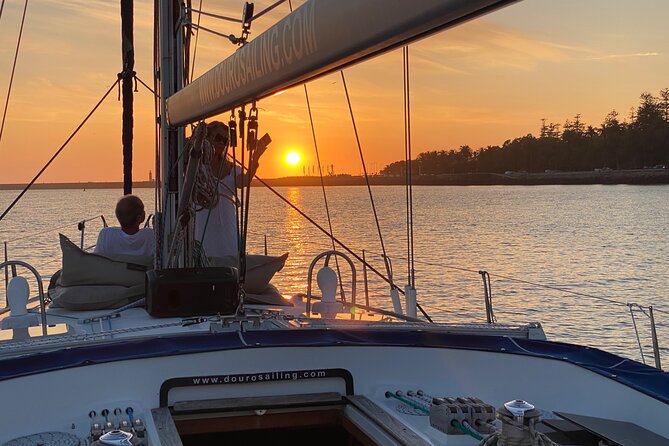
I like that it stays intimate, capped at 10 travelers, and that the hosts bring the landmarks to life with practical tips and on-board context from Inês and Antonio. I also enjoy the simple setup: snacks plus a port tasting make it feel like a proper evening start, not just a sightseeing shuffle.
One possible drawback: the timing is tight and much of the route is a smooth pass-by experience, so if you’re hunting for long, stop-by-stop explanations on every landmark, you may want more than this tour gives.
In This Review
- Key things to know before you go
- Marina da Afurada to Porto’s riverfront: starting where the city feels real
- Two hours on the Douro: pace, comfort, and what to expect on board
- Ponte da Arrábida: the bridge with elevator-era details
- Ribeira and the Duke of Ribeira story: Porto’s oldest trading edge
- Dom Luís I Bridge from the water: why it’s the icon for a reason
- Reserva Natural Estuario do Douro: nature stop without the awkward effort
- Rabelo boats: the port wine logistics you can picture
- Museu do Carro Electrico: when the cruise nudges you into Porto’s tram culture
- Wine tasting onboard: port, snacks, and how to make it fit your evening
- The crew’s role: why Inês and Antonio shape the whole feel
- Value check for $44.22: what you’re really paying for
- Who should book this Douro Sail Sip & Savor cruise?
- Should you book it?
- FAQ
- Where does the tour start?
- How long is the Douro boat tour?
- What’s included in the Sip and Savor part?
- Is the tour offered in English?
- How big is the group?
- What if the weather is poor?
- Is there a restroom on board?
Key things to know before you go
- Small-group cap (max 10) keeps it friendly and question-friendly.
- Port wine tasting with snacks turns the cruise into a real break.
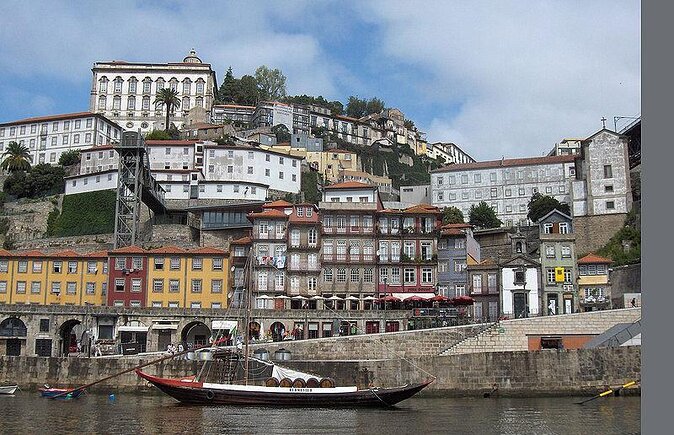
- UNESCO river views from the water make Ribeira and the bridges feel cinematic.
- Dom Luís I and Arrábida Bridge are front-row from the river.
- Douro Estuary nature stop includes easy bird-focused viewing at the estuary reservation.
- Bring a layer if you’re going for sunset; comfort depends on the weather.
Marina da Afurada to Porto’s riverfront: starting where the city feels real
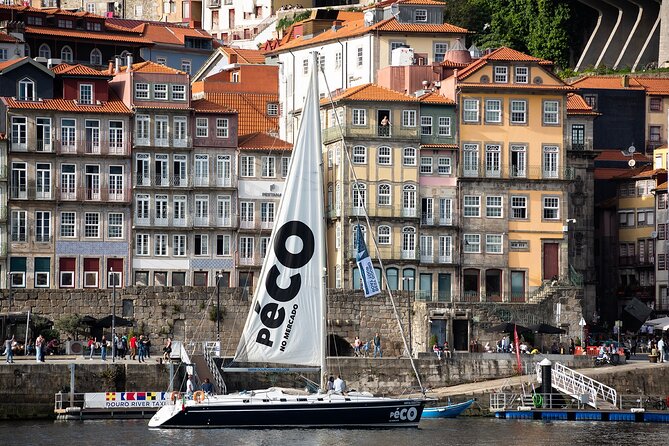
Your tour meets at Marina da Afurada in Vila Nova de Gaia, right by R. da Praia. Starting on the Gaia side matters because you’re already on the water-route the Douro has used for centuries. Instead of jumping straight into Porto’s hills and lookout points, you begin with a flatter, river-level view of what connects both cities.
There’s also something calming about a cruise that ends where it starts. After two hours, you’re not stuck figuring out how to get back across town. You step off, walk back to the marina area, and keep moving with the rest of your evening.
You can also read our reviews of more food & drink experiences in Porto

Two hours on the Douro: pace, comfort, and what to expect on board
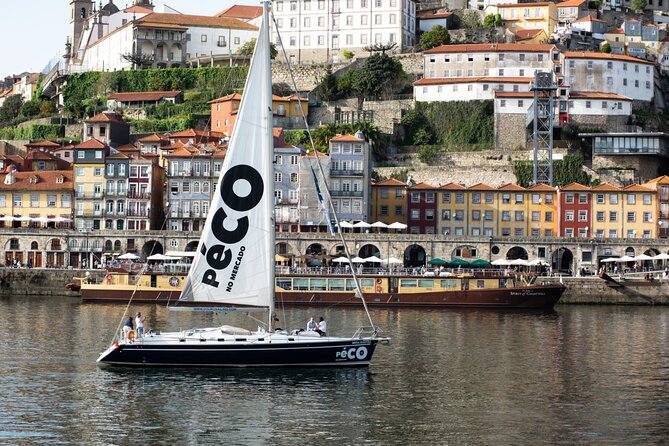
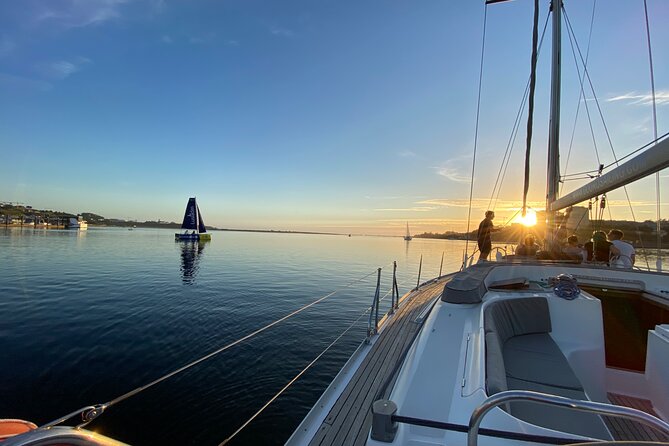
This 2-hour cruise is short by design. You’re not signing up for an all-day history project. You’re signing up for a comfortable ride where the river does the heavy lifting: bridges appear, neighborhoods slide by, and the light changes the whole mood without you doing a thing.
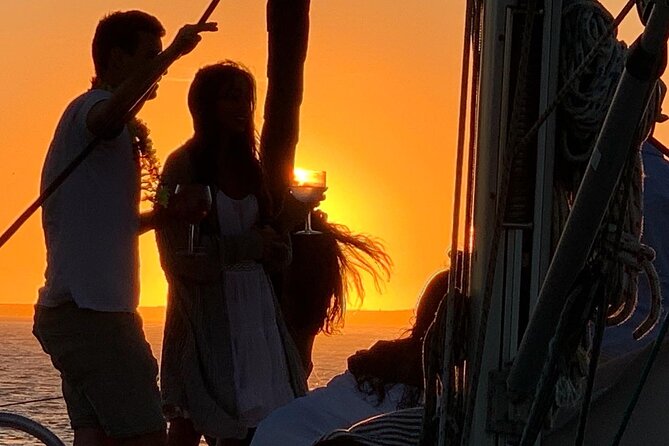
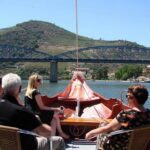
On board, the experience feels built for easy comfort. From the feedback, you can expect snacks and a port tasting, and you may also find practical touches like a restroom on board. Some hosts also keep the vibe fun, including music on the ride, and they may offer blankets when the air gets chilly near sunset.
A practical note: the cruise is weather-dependent. When conditions are rough, the route can change and you may lose some of the planned scenic time. Safety comes first, so your best plan is to bring a flexible attitude—and a jacket.
Ponte da Arrábida: the bridge with elevator-era details
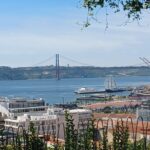
One of the standout things you’ll see up close is Ponte da Arrábida. This bridge connects Porto and Vila Nova de Gaia and was built as part of the wave of traffic solutions that kicked in after earlier bridges became too strained.
The fun fact here isn’t trivia for trivia’s sake—it helps you “read” what you’re looking at. When it was inaugurated in 1963, it had one of the largest armed concrete arch designs in the world for its era. And there’s a human-size detail too: the bridge included elevators so pedestrians could cross the distance between river level and the walkway area much more easily.
From the water, bridges like this feel bigger than they do from streets. You get height cues and angles you can’t fake with a phone zoom.
Ribeira and the Duke of Ribeira story: Porto’s oldest trading edge
Next up is Cais da Ribeira, one of Porto’s most famous riverfront areas. It’s also part of the Historic Center of Porto, a UNESCO World Heritage Site with medieval origins. Ribeira has always been about movement—trade, ships, and people drawn to the river.
What I like about this part of the route is that you’re not just seeing a pretty waterfront. You’re seeing the heart of how Porto functioned before roads took over. The area is associated with the Duke of Ribeira, a local figure remembered for saving people from drowning. After his death, a tribute was created, including a memorial tied to the square near the Pillar of the Louis I Bridge.
Even if you only get a quick look as you pass, those details change how you notice the place. Instead of thinking Ribeira is just a photo stop, you start to understand it as a working edge of the city.
Dom Luís I Bridge from the water: why it’s the icon for a reason
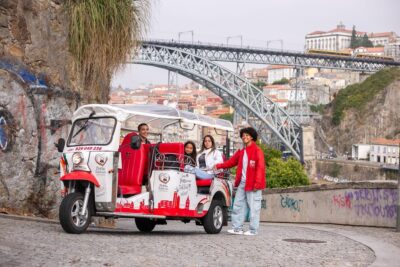
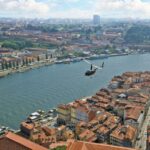
The Dom Luís I Bridge is the main crossing between Porto and Vila Nova de Gaia, and it earns its iconic status. It’s metal, roughly 395 meters long, with about 8 meters of width, and it’s divided into two decks connecting different levels of the two cities.
Construction details make it more than a structure in your view. It was completed in 1888 and built under the direction of Théophile Seyrig, commissioned by King Louis I—hence the name. Seyrig had worked with Gustave Eiffel on the D. Maria Pia bridge, so the engineering style carries that same big-era confidence.
From the river, this bridge is visually dramatic. You can see how the upper and lower levels align with the city textures. For first-timers, it’s one of the easiest ways to understand Porto’s geography without climbing.
You can also read our reviews of more boat tours in Porto
Reserva Natural Estuario do Douro: nature stop without the awkward effort
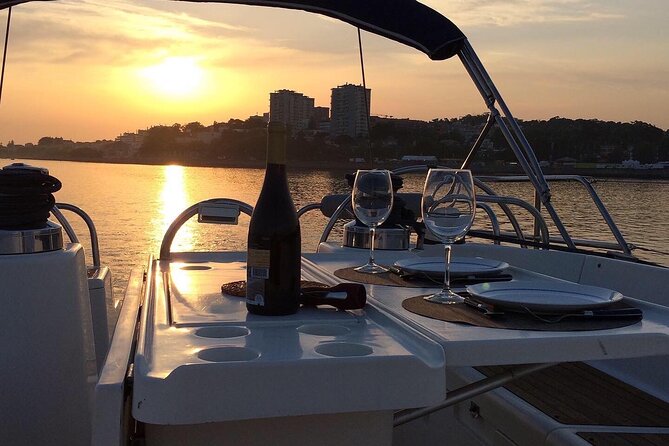
You’ll also pass by the Reserva Natural Estuario do Douro, a local natural reservation spanning 66.35 hectares on the south bank near Afurada. Even if you’re not a birder, this stop is worth it because it’s low-effort and practical.
The reservation highlights the birds that live here or pass through during migration along the Route of the East Atlantic. The nice part: you can observe from a suspended pavement, so it’s not a “trek first, reward later” situation.
If you’re traveling with people who like a mix—city + nature—this is your balance point. You’re still on the river, but you’re also seeing why the Douro isn’t just about wine and bridges.
Rabelo boats: the port wine logistics you can picture
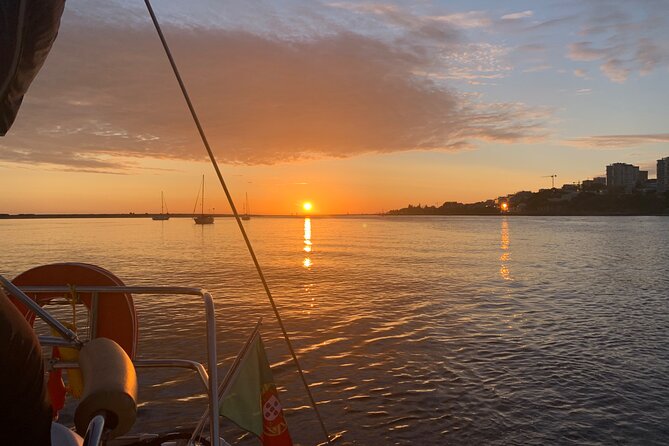
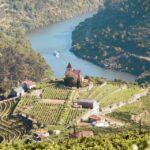
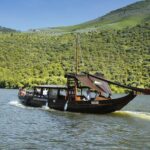
Another essential stop is Barcos rabelos—the traditional Douro boats that, for decades, transported Port wine between the remote wine region and the cellars in Vila Nova de Gaia. This is one of those historic details that instantly makes sense once you picture the logistics.
Before there were meaningful roads or railways, the river was the highway. Since there were no dams at the time, the Douro could be treacherous—fast currents, narrow passages, and real risk. Sailing therefore required experienced sailors who could deliver barrels safely.
What I find useful for your visit: this context makes modern Porto feel more grounded. Wine isn’t just a tasting ritual here. It’s tied to river skill and river risk. One more detail you’ll hear in the boat story: with the completion of the railway line, the last voyage for transport is thought to have been around 1964.
Museu do Carro Electrico: when the cruise nudges you into Porto’s tram culture
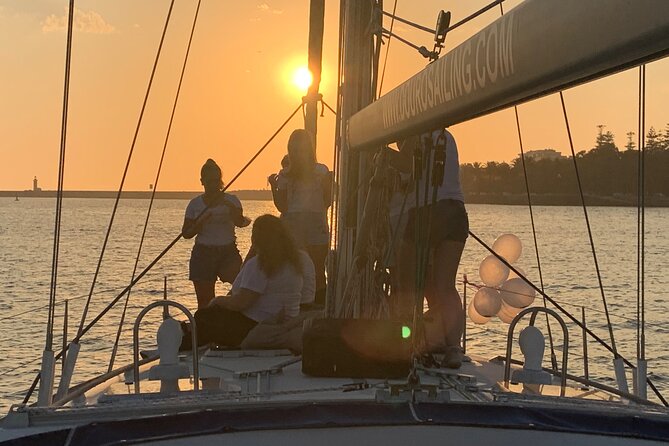
You’ll also encounter Museu do Carro Electrico. It’s a preservation-focused museum founded in 1992, dedicated to electric cars and other historic vehicles with heritage value. It’s tied to Porto’s public transport story, not just cars as collectibles.
The museum sits in a building where the Massarelos Thermoelectric Central operated, built in 1915 to produce electricity for electric vehicles that circulated in the city. The details matter: one of the big reasons this museum catches people off guard is that it lets you sense how the city’s transit once felt—wood and iron inside the old tram design, including seat backs that can be turned so passengers choose which way to face during travel.
Even if you don’t plan to tour the museum itself, this stop can be a strong prompt to ride tram Line 1 later, since it’s specifically mentioned as a great way to see Porto’s views from the rails.
Wine tasting onboard: port, snacks, and how to make it fit your evening
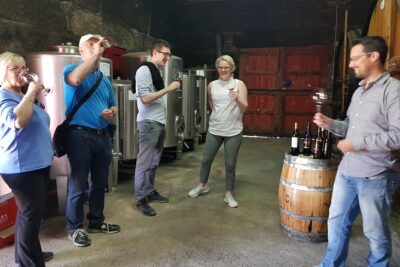
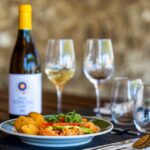
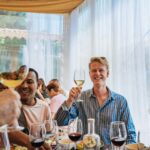
The heart of the experience is the wine tasting plus the relaxed onboard rhythm. You’ll get a port tasting served with snacks, and many people describe it as a comfortable pour—enough to enjoy without making your cruise feel like a formal class.
From the way the experience is set up, it’s easy to keep your evening flexible. You can treat the tasting as your start (a sweet opening before dinner), or as a mid-activity pause before you head to a restaurant. If you want more, the boat experience may also allow additional drinks for purchase, and some guests note they can buy wine like Vinho Verde as well. A few reviews also mention music on board and blankets when the weather turns cooler, which really helps you stay out on deck without rushing back inside.
Two smart tips:
- If you’re sensitive to cold wind off the river, bring a light layer even in shoulder season.
- If you want the most romantic vibe, aim for a sunset departure, since the river light is the main event.
The crew’s role: why Inês and Antonio shape the whole feel
The biggest difference between a good cruise and a great one is the human factor. On this one, Inês and Antonio show up again and again as the type of hosts who combine city stories with useful practical advice.
Here’s what you’ll feel when it’s done well:
- Landmark context is explained clearly enough that you can locate it in your mind once you’re back on land.
- Questions get answered, and the tour doesn’t feel like a scripted monologue.
- The vibe stays warm and not overly formal—more friendly hosting than museum narration.
There’s also a practical side. People appreciate that the crew helps you understand how to move through the city afterward, which is great when you’re trying to squeeze in a few neighborhoods without wasting time.
One fair note to keep your expectations in range: if the weather forces changes to the schedule, the pace of the commentary can sometimes feel slower, and you might end up with less landmark talk than you expected. The cruise still works as scenery + snacks, but you should know it’s not always a nonstop narration machine when conditions shift.
Value check for $44.22: what you’re really paying for
At $44.22 per person for about 2 hours, the value depends on what you want to buy: time, views, and a tasting moment, all packaged without complicated logistics.
You’re paying for:
- A small group (max 10), which typically means less crowding and more attention.
- A river-based perspective on Porto and Gaia—especially bridges and Ribeira—where photos come out better without you climbing.
- Wine tasting plus snacks, turning the cruise into a complete mini-experience instead of just transportation.
This isn’t an all-day winery excursion, and it doesn’t pretend to be. It’s a smart choice when you want something memorable that doesn’t steal half your holiday.
Who should book this Douro Sail Sip & Savor cruise?
This tour fits best if you:
- Want first-time Porto views without spending hours on transit between viewpoints.
- Like a short, intimate experience with time for photos and downtime.
- Enjoy the Porto wine culture in a light way, where port tasting is part of the outing.
It’s also a solid pick for families who want something calmer than a long walking tour. Inês and Antonio’s style tends to work well for mixed-age groups because it’s easy to follow and not too intense.
If you’re the type of traveler who wants a deep academic level of detail at every stop, you might feel the route is brief. But if you want a clean “see the river, sip the wine, enjoy the skyline” plan, this one checks the boxes.
Should you book it?
Yes, I think you should—if your goal is a relaxed Douro experience with real views and a port tasting in a small group.
Book it when:
- You’re planning a Porto evening and want something scenic that doesn’t require a late-night commitment.
- You care about bridges, Ribeira, and the river’s real role in wine history.
- You want a guide-hosted experience where people like Inês and Antonio set the tone.
Skip it (or adjust expectations) if:
- You need nonstop, stop-by-stop interpretation for every landmark.
- You’re traveling when weather is unpredictable and you hate schedule changes. The cruise depends on conditions, and while the team adjusts, your route could shift.
FAQ
Where does the tour start?
The meeting point is Marina da Afurada on R. da Praia 430, 4400-554 Vila Nova de Gaia, Portugal. The activity ends back at the same meeting point.
How long is the Douro boat tour?
The duration is about 2 hours.
What’s included in the Sip and Savor part?
The experience includes a wine tasting, plus snacks.
Is the tour offered in English?
Yes. This tour/activity is offered in English.
How big is the group?
The tour has a maximum of 10 travelers.
What if the weather is poor?
The experience requires good weather. If it’s canceled due to poor weather, you’ll be offered a different date or a full refund.
Is there a restroom on board?
Some guest feedback notes there is a restroom on board.