REVIEW · PORTO
Poças Guided Visit and Wine Tasting of 3 Port Wines
Book on Viator →Operated by Poças · Bookable on Viator
Port gets personal fast. At Caves Poças in Vila Nova de Gaia, you start with a guided walk through an aging cellar where Port has been maturing for over 100 years, then move into a tasting room for three Port wines with food-pairing lessons tied to the Douro Valley.
I really like the small group feel (up to 20), because you get real question time instead of rushing through answers. I also enjoy the way guides like Inês and Cindy explain Port production in plain language, then connect it directly to what ends up in your glass.
One thing to consider: the included tasting covers three ports, and if you want more pours or snacks, you’ll typically be looking at paid add-ons. Also, the area is a bit off the busiest Porto center routes, so an uphill walk can be part of the deal if you’re coming on foot.
In This Review
- Key things to know before you go
- Poças in Gaia: why this Port tasting feels different
- The 90 minutes, step by step: cellar to tasting room
- Stop 1: Poças Vinhos ageing cellar
- The tasting room: three Port wines, paired and explained
- Extra wines and the shop (not included, but available)
- What you taste: White Port, LBV, and Reserve Tawny
- White Port
- Late Bottled Vintage (LBV) Port
- Reserve Tawny Port
- Pairing Port with food: what to do after you leave
- Getting there: finding R. Visc. das Devesas 168 without stress
- Group size, tour pacing, and the guides who make it work
- Comfort tip: wear shoes you don’t mind
- Optional add-ons: cheese, charcuterie, and extra tastings
- One more practical note: protective gear in restricted areas
- Price and value: is $27.83 a fair deal?
- Should you book Poças for your Porto visit?
- FAQ
- How long is the Poças guided visit and Port tasting?
- What’s included in the tasting?
- Is food included?
- Where do we meet for the tour?
- What language is the tour offered in?
- How big is the group?
- Is it easy to get there using public transportation?
- What’s the cancellation policy?
- Do I need to bring a ticket?
Key things to know before you go
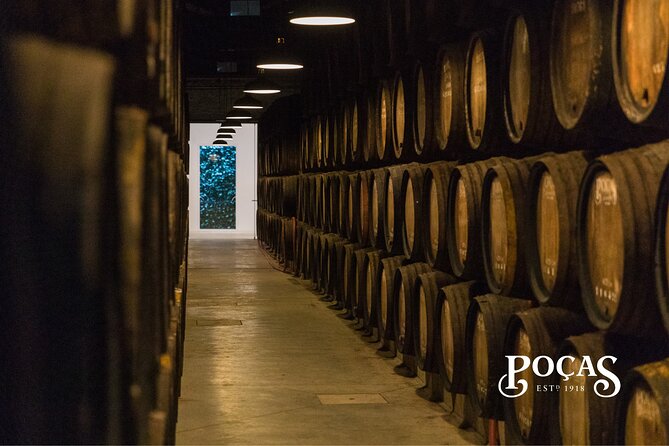
- Century-old ageing cellar tour where Port rests for more than 100 years
- Three-style tasting built around how different Port tastes and behaves
- Food pairing guidance so you can match Port with meals, not just sip it
- English-language, small-group experience (max 20) for easy Q&A
- Optional upgrades like extra wine by the glass and cheese or charcuterie add-ons
Poças in Gaia: why this Port tasting feels different
Port tours in Porto can blur together. Big names, quick stops, lots of talking, not much connection. This one has a more focused rhythm. You visit the aging cellar first, then the tasting room. That order matters, because you learn what’s happening to the wine before you drink it.
The format also helps you understand Port as a style, not just a label. During the walk, you get the Douro Valley context, plus the idea that Port flavors shift based on how it’s made and aged. Then, in the tasting, you can actually connect that explanation to what’s in your glass.
I also like that the visit doesn’t try to sell you everything at once. You taste three core styles included in your price, then you’re free to consider more bottles and extras in the shop if something grabs you.
You can also read our reviews of more food & drink experiences in Porto



The 90 minutes, step by step: cellar to tasting room
Stop 1: Poças Vinhos ageing cellar
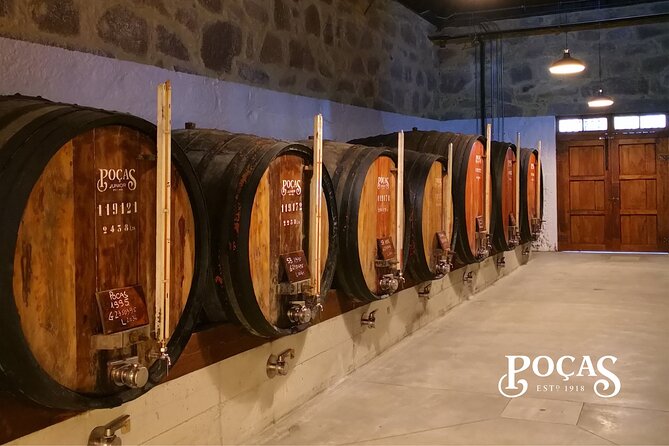
Your tour begins at the Poças site in Vila Nova de Gaia, at R. Visc. das Devesas 168. The first part is a guided visit through the ageing cellar, where the star of the show is time. This is where you learn what makes Port Wine special and where it’s made: the Douro Valley.
What you’re really getting here is “how the magic works” before tasting. Port is an easy wine to enjoy casually, but it can also be confusing if you only know it as sweet red in a small glass. The cellar part gives you the framework: why aging creates different aromas, why sweetness can feel light or heavy depending on the style, and why Port isn’t one single flavor profile.
From there, you move into the tasting room for the structured tasting.
The tasting room: three Port wines, paired and explained
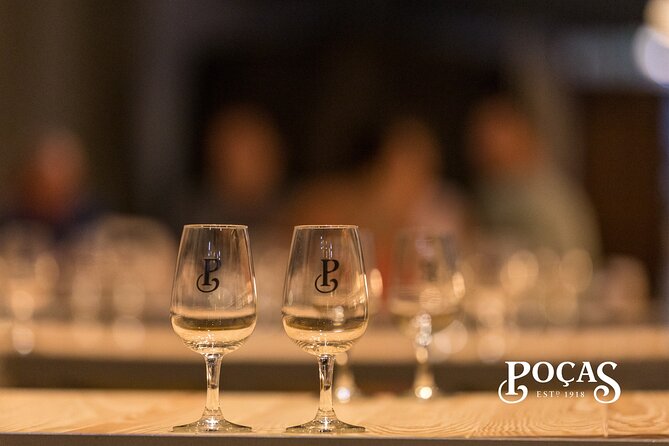
In the tasting room, the tour is built around a harmonized tasting of three different Port wines. You’ll hear what each one is like and which foods tend to work well with Port.
This is the part that turns a sip into a lesson. Instead of random tasting flights, you’re guided through styles that show real range: lighter and more aperitif-friendly at one end, then richer, older, and more dessert-like at the other. The aim is to help you notice differences and then apply them later when you’re eating in Portugal or at home.
Extra wines and the shop (not included, but available)
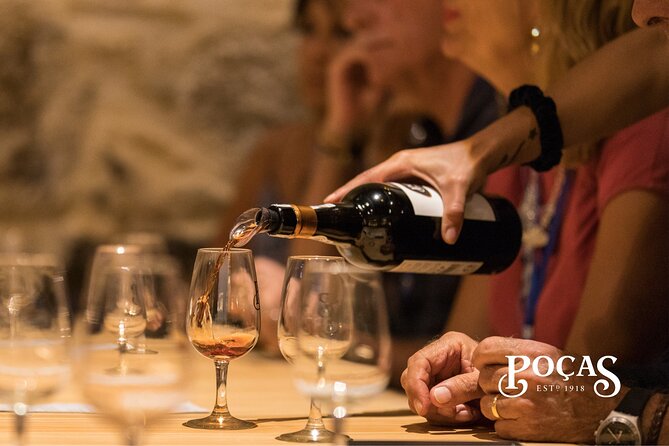
You also have the possibility of tasting other wines not included and buying bottles from the shop. If you’re the type who wants to leave with a plan (for example, which bottle fits your next cheese board), this option matters.
If you care about ordering by the glass or adding snacks, just keep in mind that those are separate from the included tasting.
You can also read our reviews of more guided tours in Porto






What you taste: White Port, LBV, and Reserve Tawny
The included tasting gives you three specific styles:
White Port
White Port is served as a white Port tasting—typically a more chilled, approachable option. Even if you usually think of Port as red and sweet, White Port is often the “oh, I didn’t know Port could taste like this” moment. The tour experience is designed so you taste it in a way that makes sense, not just as a different color.
Late Bottled Vintage (LBV) Port
LBV Port is a great middle stop if you want depth without going all the way to the most complex, top-shelf categories. In the tasting, it’s positioned as a style worth learning because it shows how time in the Port world isn’t only about old barrels—it’s also about how the wine is bottled and presented to you.
Reserve Tawny Port
Reserve Tawny is where a lot of people start to understand why Port can taste like caramel, dried fruit, and spice without being “just sweet.” You’re tasting a Reserve Tawny Port, and the guide’s job is to help you pick up the cues—how it looks, what it smells like, and how the finish feels.
If you’re trying to choose one bottle to bring home, this is usually the style that helps you decide fast. It’s also the one most people think about when they imagine Port at the end of dinner.
Pairing Port with food: what to do after you leave
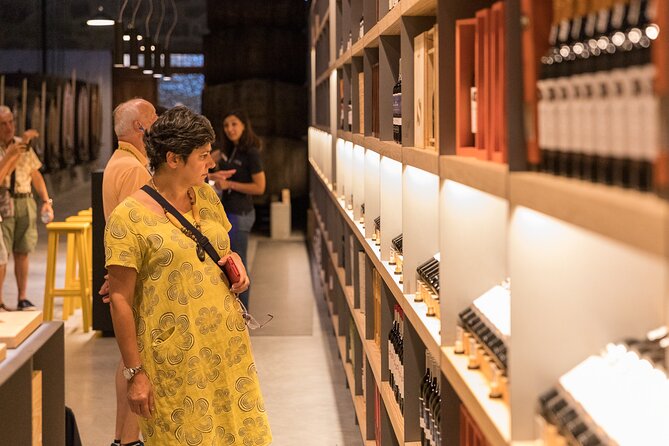
I love that the tour doesn’t treat food pairing like a vague idea. You actually learn what pairs well with Port wine, and you get examples through the tasting structure.
Here’s how to use that in real life:
- Use White Port like an aperitif. Think of it as a bridge drink before the main meal, especially if your plate starts light (seafood, salads, simple starters).
- Treat LBV as a bridge from dinner to dessert. It works when you want something sweet-ish but still structured, not syrupy.
- Match Tawny with dessert and nutty flavors. Reserve Tawny tends to play well with flavors that echo its aging notes—things like caramel, toasted nuts, and warm spices.
Even if you’re not the type to memorize rules, the guide helps you build a quick mental map. Once you have that, you’ll order more confidently in Porto and beyond.
Getting there: finding R. Visc. das Devesas 168 without stress
Poças is in Vila Nova de Gaia, not right in Porto’s busiest streets. That’s normal for Port cellars, but it still affects your plan.
The good news: it’s near public transportation. You can reach the area easily by train and metro:
- the Gaia-Devesas train station is about 2 minutes away
- the Santo Ovídio metro stop is about 5 minutes away
From Porto city center, it’s described as a short trip by train (around 10 minutes).
One practical warning: if you head on foot from the riverfront, there’s a steep hill involved. Some people find that walk exhausting. If you’re traveling with limited time or you’d rather not work for your wine, take the train/metro or use a taxi for the uphill stretch.
Group size, tour pacing, and the guides who make it work
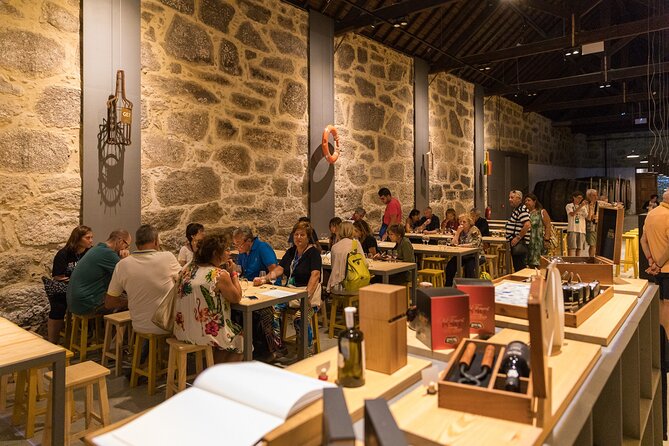
This is built for an intimate experience with a maximum of 20 travelers. That cap shows up in the way the tour runs. You don’t feel like a seat-filler in a line. You can ask questions, and the guide’s explanations land better because you’re not shouting over a crowd.
The guides matter here. Inês and Cindy are both highlighted for being energetic and engaged, and that personality isn’t fluff—it helps the material click. You’ll notice that in how they connect production details to what you taste.
Comfort tip: wear shoes you don’t mind
You’ll be on your feet for parts of the tour. Reviews commonly flag that walking around includes some standing and that the terrain can include an uphill component. Comfortable footwear is a smart move.
Optional add-ons: cheese, charcuterie, and extra tastings
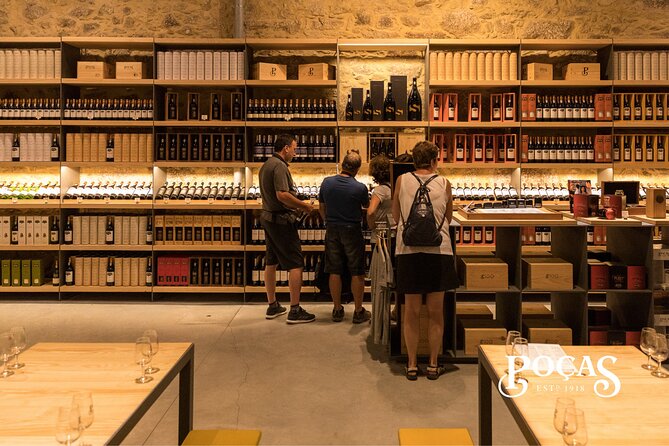
The included tasting is three ports. If you want a snack pairing, that’s where optional extras come in.
- A selection of sausages or cheeses costs €16 per person
- A selection of cheeses and sausages costs €20 per person
You can also taste other wines not included (by request during the visit) and shop for bottles. If you’re trying to make the most of your time, these options are useful. If you want to keep your budget tight, you can enjoy the included tasting and skip the extras.
One more practical note: protective gear in restricted areas
Sometimes tours include parts of the facility with extra safety requirements. You might be asked to wear protective clothing if you enter restricted cellar or working areas. That gear can feel warm, so if you’re sensitive to heat, dress in breathable layers.
Price and value: is $27.83 a fair deal?
At $27.83 per person for about 1 hour 30 minutes, you’re paying for three things: the guided cellar experience, the structured tasting, and the English-speaking guidance.
What makes the price feel reasonable is that you’re not just paying for wine. You’re getting the explanation that helps you understand why each Port style tastes the way it does, plus practical pairing guidance. Many wine tastings cost similar amounts but give less context—or they pour a lot more without teaching you anything you can actually use later.
So for most Port lovers, this hits a good sweet spot:
- enough time to learn and taste
- enough guidance to make it more than a sip-and-grin
- a small-group format that keeps questions possible
If you want a huge number of tastings and lots of snacks included, you may need to add extras beyond the included three ports. But that’s also why you can tailor the experience to your budget.
Should you book Poças for your Porto visit?
Book it if you want Port with structure. This tour is well suited to beginners who need a clear starting point, and it also works for people who already like Port but want a better understanding of White Port, LBV, and Reserve Tawny.
Skip it or plan around it if:
- you expect a tasting that includes lots of pours beyond the three included wines
- you strongly prefer to stay right in central Porto without any uphill walking at all
If you’re staying in Porto, do this as a half-day Port education stop. Use public transport, arrive a bit early to get settled at the meeting point, and wear comfortable shoes. Once you’ve tasted the three core styles, you’ll be able to order Port with confidence instead of guessing.
FAQ
How long is the Poças guided visit and Port tasting?
It runs for about 1 hour 30 minutes.
What’s included in the tasting?
The included tasting is White Port, Late Bottled Vintage (LBV) Port, and Reserve Tawny Port, plus a guided visit through the ageing cellar.
Is food included?
No. A selection of sausages or cheeses (€16 per person) or cheeses and sausages (€20 per person) is not included but available as an add-on. You can also taste other wines not included.
Where do we meet for the tour?
The meeting point is R. Visc. das Devesas 168, 4400 Vila Nova de Gaia, Portugal. The tour ends back at the meeting point.
What language is the tour offered in?
The tour is offered in English.
How big is the group?
The experience has a maximum of 20 travelers.
Is it easy to get there using public transportation?
Yes. It’s described as being near public transportation, including a train station close by and a metro stop a few minutes away.
What’s the cancellation policy?
You can cancel for a full refund if you cancel up to 24 hours in advance. If you cancel less than 24 hours before the start time, the amount is not refunded.
Do I need to bring a ticket?
You’ll receive a mobile ticket after booking. Confirmation is provided at the time of booking.