REVIEW · PORTO
Museu do Vitral Entry Ticket with Wine Tasting
Book on Viator →Operated by Três Séculos - Realizações Hoteleiras · Bookable on Viator
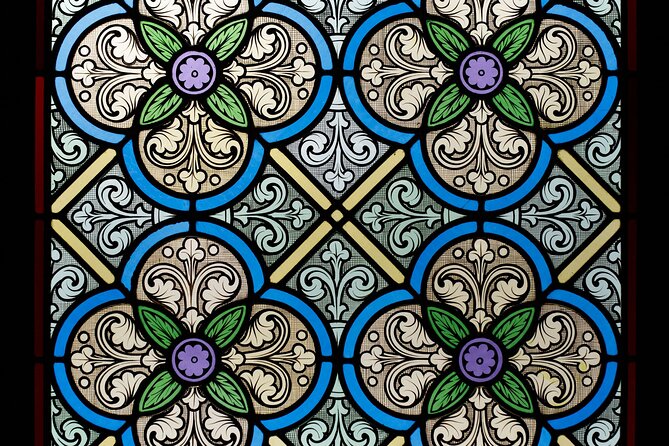
Light turns into art in Porto. I love the traditional stained glass pieces and the included port wine glass, and this ticket gives you a focused, art-and-craft visit. One heads-up: the experience is about one hour, so the museum can feel more compact than you might hope.
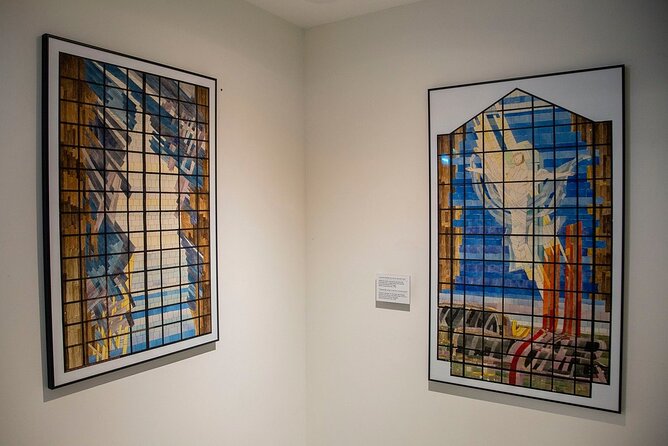
What makes this museum click is that it’s built around Portuguese glasswork, tied to Atelier Antunes. You’ll move through finished works and also the thinking behind them—sketches, maquettes, decorative panels, and even abstract installations—plus a hands-on-feeling moment with a kaleidoscope showing 400 colours of glass.
Logistics are simple: it’s a mobile ticket, the museum is near public transportation, and admission is designed for most people to join. On Mondays, it runs 10:00–13:00 and 14:00–19:00, so it’s easy to fit in between Porto sightseeing stops.
In This Review
- Key things I’d prioritize before you go
- Museu do Vitral in Porto: what’s special about this ticket
- Your entry price and the port wine value check
- Inside the museum: Atelier Antunes and the “how it’s made” focus
- The kaleidoscope moment with 400 colours of glass
- The video on the manufacture of stained glass windows
- What the visit feels like (and how to pace it well)
- Where it fits in your Porto day
- Who should book this stained glass ticket with port
- Should you book this ticket? My practical take
- FAQ
- How long does the Museu do Vitral entry with wine tasting last?
- Where is this experience located?
- How much does it cost?
- What’s included with the ticket?
- Is the ticket mobile?
- What are the opening hours on Mondays?
- Is service animal access allowed?
- Is it near public transportation?
- Is confirmation provided after booking?
- Can kids attend for free?
- Should I worry about rain, heat, or crowds?
- Is free cancellation available?
Key things I’d prioritize before you go
- A glass of port wine is included with your entry, making the museum feel like a real Porto experience, not just a viewing room.
- Atelier Antunes is the core story, so you’re not wandering a general-stained-glass hodgepodge.
- You get the craft, not just the art: sketches, maquettes, and explanatory visuals help you understand how windows are made.
- Abstract installations sit next to classic stained glass, so the museum works even if you’re not a lifelong glass fan.
- The 400-colour kaleidoscope is a quick, memorable way to see how glass variety becomes design.
- Plan for about an hour, which is perfect for a concentrated stop and less ideal if you want a long museum day.
Museu do Vitral in Porto: what’s special about this ticket
Museu do Vitral is one of those places where the subject sounds niche until you’re inside. Stained glass is usually thought of as church-window decoration. Here, you get the bigger idea: glass as light, glass as design, glass as a way to tell stories and create mood.
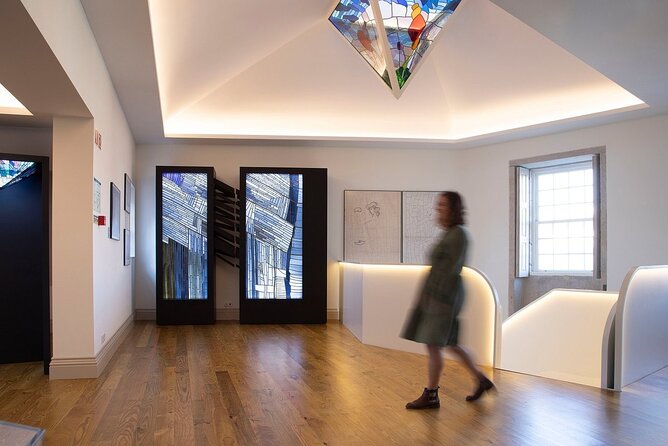
I like how the visit doesn’t treat stained glass as a museum relic. It shows how different eras and different spaces used glass—religious scenes, cloisters, and even civic and private spaces. You also get a practical through-line: you’re shown how artists translate sketches into glasswork, then into panels you can stand in front of and actually see.
If you’re the kind of person who enjoys understanding how something is built—rather than just admiring what’s already finished—this is a very satisfying stop. The museum also mixes styles: traditional work and more modern, abstract ideas sit side by side.
The only potential mismatch is time and scale. This ticket is designed as a short, coherent visit. If you’re craving a slow, hours-long art immersion, you might want to plan a second activity nearby rather than expecting a marathon museum day.
You can also read our reviews of more tours and experiences in Porto

Your entry price and the port wine value check
At $12, you’re paying for admission plus a glass of port wine. That’s a smart bundle. In Porto, small experiences like this can add up. Here, you’re combining art time with a local drink in one ticket, so you don’t have to squeeze in a separate tasting to feel like you used your visit well.
A couple notes to keep your expectations grounded: one price reference you may see elsewhere lists about €8 per adult, and children up to 10 may be free. Since prices can vary by exchange rate or listing timing, I’d treat $12 as the main reference point and then verify child pricing on the booking page before you go.
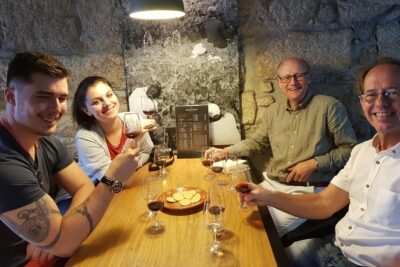
The port wine part matters because it changes the rhythm of the visit. You’re not just walking from room to room. You get a small Porto-style pause that makes the museum feel like part of your day.
If you don’t drink alcohol, you should consider whether the included wine fits your plans. The data you have doesn’t mention an alternate pour or substitution, so it’s worth checking at booking if that matters to you.
Inside the museum: Atelier Antunes and the “how it’s made” focus
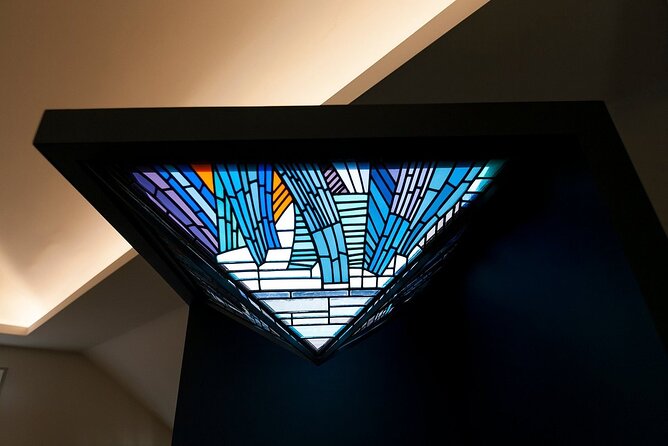
Museu do Vitral is dedicated to glass art created by Portugal’s oldest and internationally renowned studio, Atelier Antunes. That single detail does a lot of work for you as a visitor. It means the exhibits feel organized around a craft identity, not just random pieces.
When you walk through, you can expect several layers:
- Traditional stained glass and decorative panels that show classic panel design and color logic
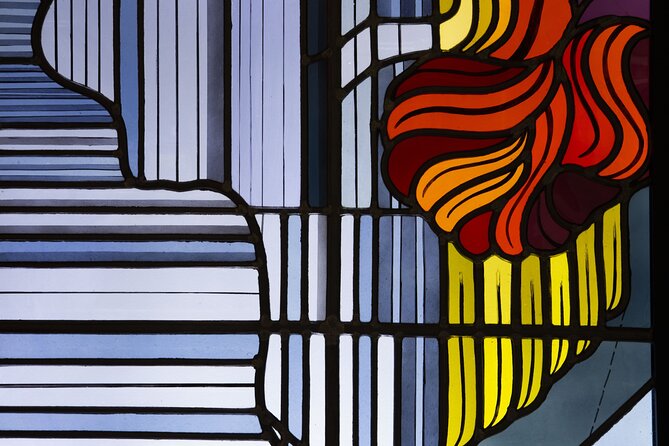
- Striking abstract installations that show glass isn’t limited to realism or religious scenes
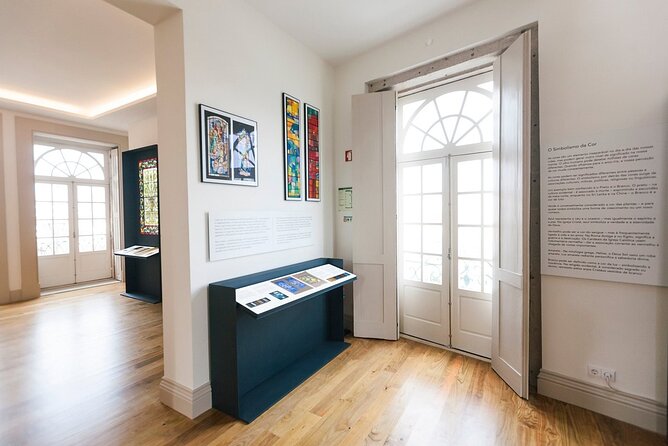
- Original sketches and maquettes that let you see the planning stage, before glass hits the final form
That last category is where the ticket really earns its keep. Many museums show what’s on the wall. This one helps you understand why it looks the way it does—how color decisions and composition decisions get translated from paper or model into glasswork.
One practical benefit of this “craft-to-finish” setup: even if you’re not sure what to look for, you get a framework. You’ll notice more than just beauty—like how color and light interact, and how a design becomes structure.
The kaleidoscope moment with 400 colours of glass
There’s a one-of-a-kind kaleidoscope element described as having over 400 colours of glass. Don’t overthink it: it’s basically a fast, visual way to understand why stained glass is so compelling.
In stained glass, the same design can look different depending on thickness, lighting angle, and the specific glass pieces used. The kaleidoscope compresses that idea into a repeatable experience. You’ll get a better sense of color variety and why glass artists obsess over materials.
This is also a great pause point. If you’ve spent your morning walking Porto’s streets and climbing viewpoints, this can reset your brain. It’s not just “stand and look.” It gives your eyes a structured burst of color and pattern.
If you’re traveling with someone who usually says art museums are slow, the kaleidoscope is one of the best “they’ll actually enjoy this” stops.
The video on the manufacture of stained glass windows
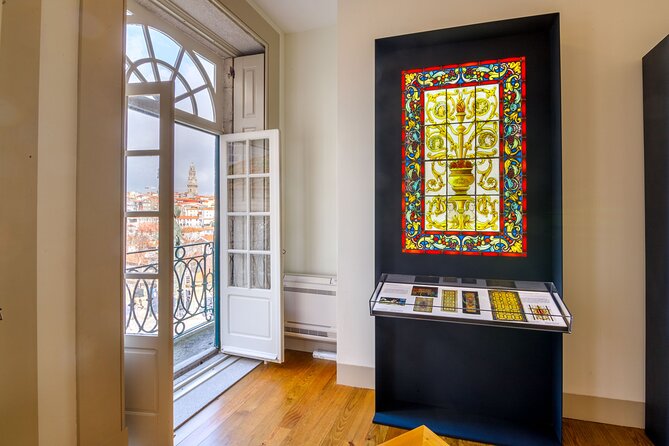
A big highlight is an explanatory video that explains the process of creating stained glass windows. That’s not a throwaway add-on—it’s one of the elements that makes the whole ticket easier to appreciate.
When you watch something that explains how stained glass is built, you start seeing details you might otherwise miss. You’re more likely to look for design planning, color placement choices, and the step-by-step logic that turns materials into a coherent image.
In fact, one of the most praised parts of the visit is exactly this: the video is clear and helps connect the finished works to the work behind them.
If you tend to “read without seeing,” this helps you switch to actually looking. And since the visit is about an hour, having the right kind of explanation up front is a time-saver.
You can also read our reviews of more food & drink experiences in Porto





What the visit feels like (and how to pace it well)
You should plan for roughly one hour. That’s enough time to enjoy the main galleries, catch the explanatory media, and spend a few minutes in front of the most striking pieces without feeling rushed.
Here’s how I’d pace it so you don’t end up speed-walking:
- Start by scanning the exhibit themes so you know what you’re looking for (traditional panels vs. abstract installations).
- Then slow down for the sketch and maquette areas. Those are where the story of the craft lives.
- Save your extra attention for the kaleidoscope and the most dramatic windows. Light-based art rewards patience.
Since the museum is not presented as a huge multi-day undertaking, you also shouldn’t overstuff your schedule. Give it some space in your day. If you go right after a long hike or a long queue somewhere, you’ll appreciate it more if you’re not exhausted.
Where it fits in your Porto day
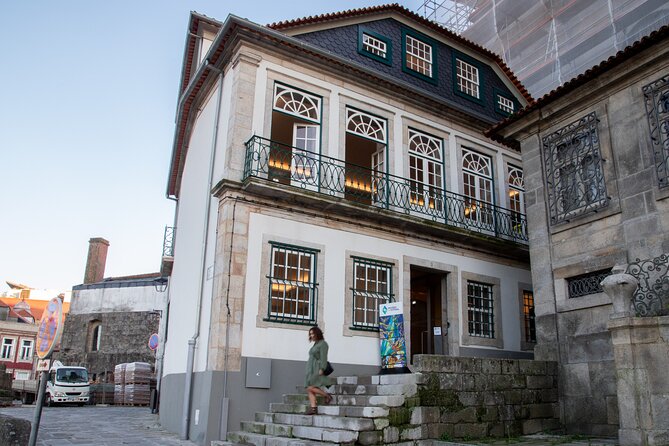
Porto is full of beautiful things that pull you in different directions—river views, tile-covered churches, wine warehouses, cozy cafés. Museu do Vitral fits best when you want a quieter kind of creativity.
I’d pair it with:
- A morning of walking around town, then a museum break before dinner
- A cultural afternoon when you already did the big viewpoints
- A lighter day if you want something indoors but still hands-on with visuals
Also, it’s near public transportation, which helps if you’re trying to avoid another long stretch of streets. The point is to keep this stop easy.
Who should book this stained glass ticket with port
This experience is a good fit if:
- You enjoy art that teaches you something, not just what it looks like
- You like process—sketches, maquettes, and making-of explanations
- You want a short museum visit that still feels meaningful
- You like Porto wine culture enough to enjoy a glass as part of the plan
It’s also a solid pick for a mixed group: one person can focus on the traditional stained glass while another enjoys the abstract installations and the kaleidoscope.
It may be less ideal if:
- You want a large, sprawling museum that takes half a day
- You’re not interested in how artworks are made
- Alcohol is a hard no for you and you need guaranteed alternatives (the included port wine is part of the ticket)
Should you book this ticket? My practical take
Yes, I think you should book it if you’re in Porto and you like art that explains its own craft. At $12 with a glass of port wine, the value is strong. The museum’s focus on Atelier Antunes keeps things coherent, and the video plus sketches and maquettes help you connect what you see to how it came to be.
If you’re unsure, use this quick decision rule: if you’d enjoy learning why stained glass looks the way it does, you’ll have a great time. If you want a long, slow museum day with lots of room to wander, you might prefer a different activity or plan extra stops before/after so the one-hour visit doesn’t feel short.
FAQ
How long does the Museu do Vitral entry with wine tasting last?
It’s listed as approximately 1 hour.
Where is this experience located?
It takes place in Porto, Portugal.
How much does it cost?
The price is shown as $12.
What’s included with the ticket?
Admission to Museu do Vitral plus an included glass of port wine.
Is the ticket mobile?
Yes, it’s described as a mobile ticket.
What are the opening hours on Mondays?
On Mondays, it’s open 10:00 AM–1:00 PM and 2:00 PM–7:00 PM.
Is service animal access allowed?
Yes, service animals are allowed.
Is it near public transportation?
Yes, it’s near public transportation.
Is confirmation provided after booking?
Yes, confirmation is received at the time of booking.
Can kids attend for free?
Free for children up to 10 years is mentioned.
Should I worry about rain, heat, or crowds?
Museu do Vitral is an indoor museum, so it’s a good fallback for bad weather. Crowds aren’t described here, so I can’t promise a quiet visit—but the short duration typically helps you fit it smoothly into your day.
Is free cancellation available?
Yes. Free cancellation is available up to 24 hours before the experience start time for a full refund.
If you tell me what day of the week you’ll be in Porto and what time your main plans are, I can suggest a simple schedule to place Museu do Vitral at the right moment.