REVIEW · PORTO
From Porto: Paiva River Canoe Rafting Adventure Tour
Book on GetYourGuide →Operated by Just Come - Countryside & Adventure Tours · Bookable on GetYourGuide
Rapids in Portugal, minus the fuss. This Paiva River canoe-raft day trip blends big nature, real whitewater energy, and expert guidance, with time to swim and even jump in when conditions allow. I especially like how the guides set you up quickly with clear safety steps before you hit the faster sections.
I also like the way the day has built-in comfort. You get a smooth van transfer from Porto, a proper equipment handoff at the river, and a food break in Arouca that turns the outing into a full day, not just a quick adrenaline stop. The reviews score it highly, and the structure here explains why: it feels organized without feeling stiff.
One consideration: rafting depends on river conditions. In late summer, water levels can be low enough that the operator may swap to an alternative activity like canyoning, which changes how the day feels.
In This Review
- Key takeaways before you book
- Paiva River rapids: the reason this tour is worth your time
- Getting from Porto to the Arouca Geopark: transfers that reduce stress
- Paradinha Village and the pre-rapids safety briefing
- Canoe-raft 101: how the ride is set up on the Paiva
- The rapids and optional jumps: how to approach the adrenaline
- Cooling off at Vau River Beach: why the swim break matters
- Arouca meal stop: roasted veal, vegetarian feijoada, and convent pastries
- Photos, snacks, and the small extras that make it feel finished
- Price and value: what you’re really paying for at $100
- Who should do this Paiva River canoe-raft tour (and who should skip)
- Should you book from Porto? My honest take
- FAQ
- FAQ
- How long is the Paiva River canoe-rafting adventure from Porto?
- Where do I meet in Porto?
- What do I need to bring, and what shoes are not allowed?
- Do I get any food or drinks during the day?
- What happens if rafting cannot run due to water conditions?
- What language are the guides?
- Is this tour safe for everyone, and are there limits?
Key takeaways before you book
- 4 km river descent: enough action to feel it, not a full-day slog of nonstop paddling
- Safety briefing + high-quality gear: you’re kitted out and guided step-by-step
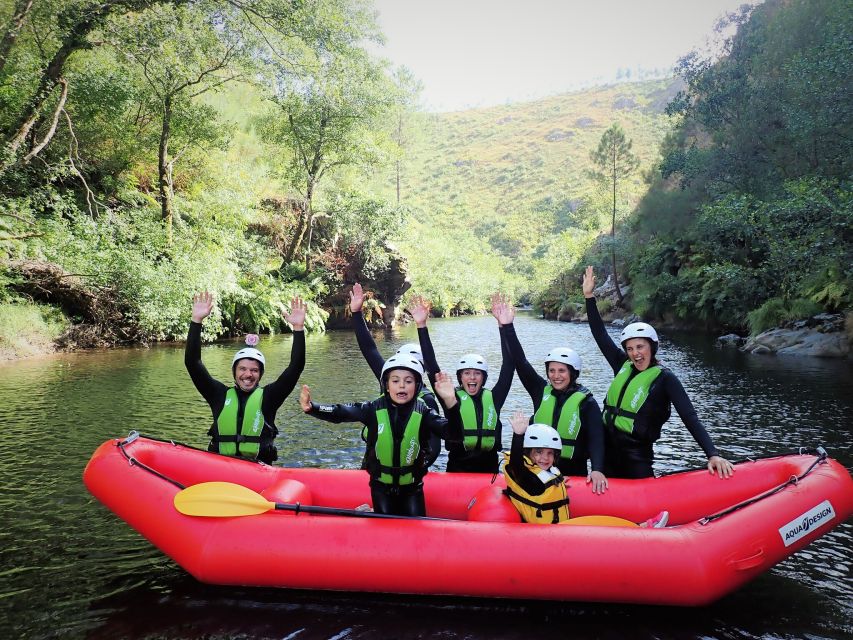
- Canoe-raft seating (2–3 seats): good for couples, groups, and solo riders who want to plug into the group
- Optional water jumps: fun when you’re game, but you can watch and sit out if you want
- Vau River Beach swim time: a real cooldown break in the middle of the adventure
- Photos plus snacks/coffee: you leave with memories and small extras, not just wet clothes
Paiva River rapids: the reason this tour is worth your time
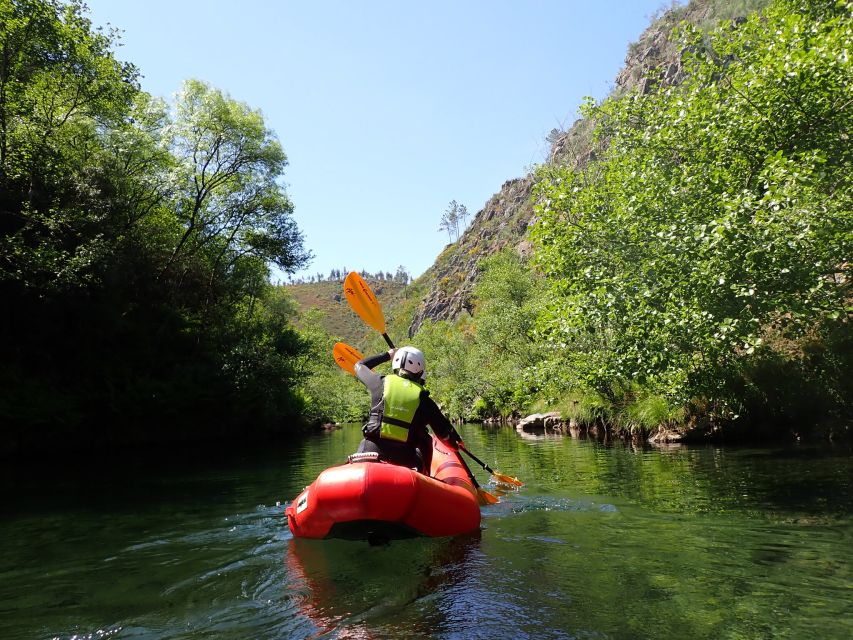
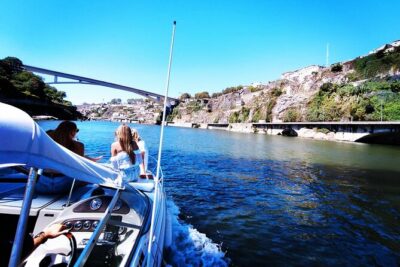
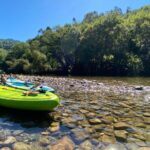
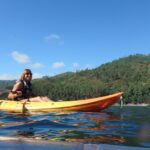
The Paiva River is one of Northern Portugal’s wilder options, running through mountains and deep valleys near the Arouca UNESCO Geopark. What you’re chasing isn’t just speed—it’s the mix of crystal-clear water, cliffs, and native forest along the route. Even when you’re between rapids, you’ll feel like you’re tucked into a real river corridor, not an overbuilt attraction.
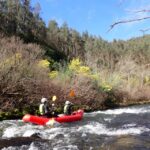
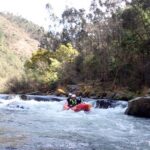
On the water, the trip is designed to be active without being chaotic. You’ll navigate through multiple rapids, but there are also calm stretches where you can breathe, take photos, and get your timing down. That rhythm matters because it keeps the day from becoming one long scare-fest.
You can also read our reviews of more tours and experiences in Porto
Getting from Porto to the Arouca Geopark: transfers that reduce stress
This is the kind of day trip that works best when someone else drives. You’ll meet next to the Vimara Peres Statue at Terreiro da Sé, and then you’ll head into the mountain area in a comfortable modern van. The total transfer time is around 1 hour, with about half of it on highways, so you’re not spending the whole morning fighting traffic.
Pickup can also be optional if you tell the provider where you’re staying, and you’ll wait in your hotel lobby about 10 minutes before your scheduled pickup time. At the end, you’ll be dropped at one of four drop-off points, including areas like Boavista and Estátua de Vímara Peres.
One practical advantage: you can keep valuables with you only as needed. People have reported leaving valuables in the vehicle and still getting solid souvenir photos later, which makes the river logistics simpler.
Paradinha Village and the pre-rapids safety briefing
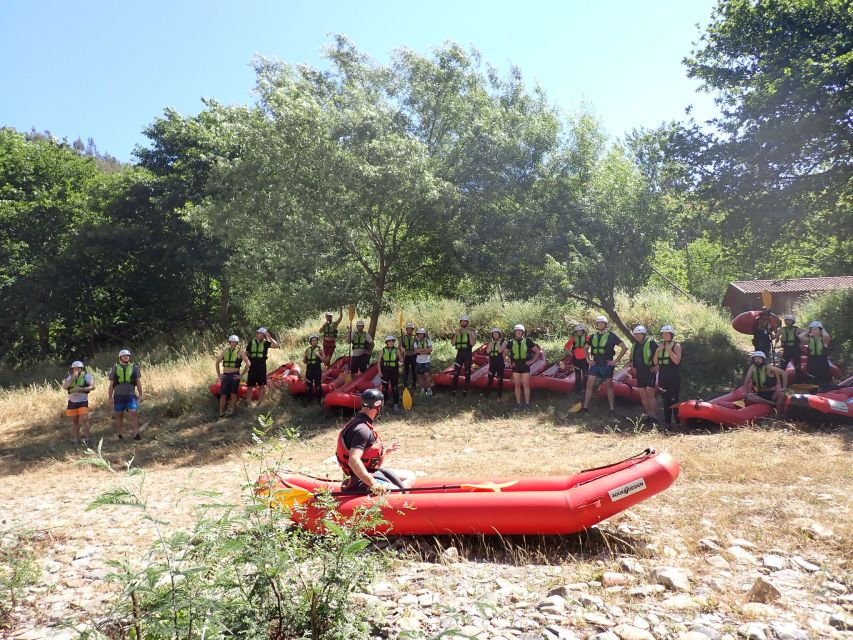
Once you reach the river near Paradinha Village (a traditional schist village), the day shifts from transportation mode to activity mode fast. You’ll meet your activity guide and go straight into a briefing, then you’ll get equipment and water.
The gear is described as high-quality, and the guide support is a big part of why this runs safely. You’ll also want to pay attention to footwear rules: sandals or flip-flops aren’t allowed. That’s not just for policy—it’s because you’ll be moving around near wet areas and getting in and out of the boat.
Bring swimwear, because you’ll want to be ready from the start. And if you don’t want to spend the whole day damp and cold, plan on changing into something dry later. Some people specifically note that having spare clothes on hand made a big difference.
Canoe-raft 101: how the ride is set up on the Paiva
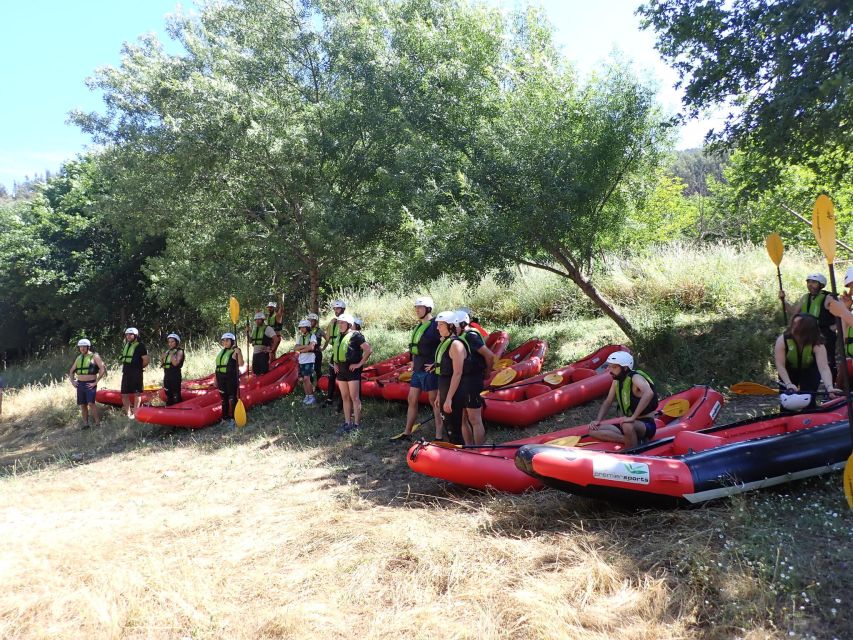
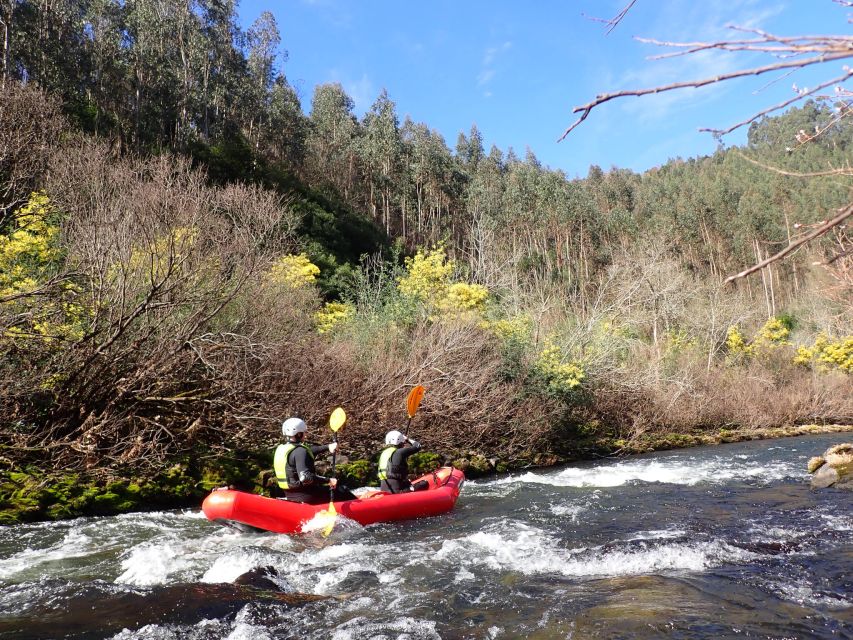
You’ll use a 2- or 3-seat inflatable canoe-raft. That seating matters because you can pair up or spread out within your group, and it changes how you coordinate on the water. It’s not a solo kayak where you do everything yourself, so it tends to feel more social, even if you’re traveling alone and want to join a group dynamic.
The river descent is around 4 km. That distance is short enough to keep the day exciting, but long enough to hit enough rapids that you don’t feel like you got a token taste. Your pace will depend on the flow that day, and on where the guide chooses to focus your attention.
And yes, you’ll be doing more than just sitting still. You’ll move through rapids, and between those sections, you’ll get calmer stretches where you can relax and reset.
The rapids and optional jumps: how to approach the adrenaline
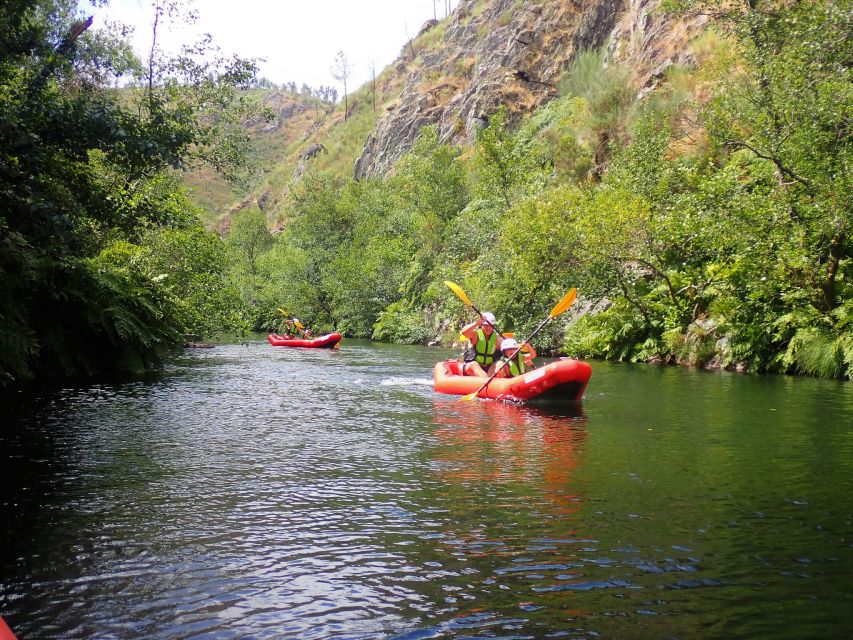
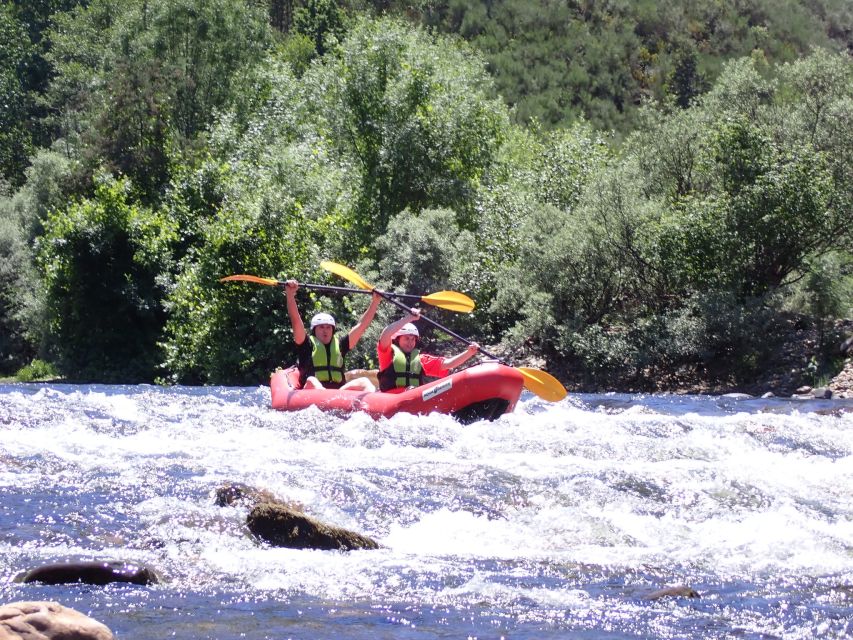
The core of the tour is a guided ride through the Paiva’s rapids, with scenic sections in between. The goal is adrenaline and fun, not endurance. If you go in with a flexible mindset, you’ll appreciate the way the guide balances action with breathing room.
You may also have optional chances to jump into the river. This is listed as part of the experience, and you should expect it to be tied to comfort level and safety conditions that day. If jumping isn’t your thing, you can still enjoy the ride and the scenery while others go for it.
Here’s the important bit: this is still river travel, so you should treat the day like an active water sport. That means keeping your focus during the safety moments and staying aware during stops.



Cooling off at Vau River Beach: why the swim break matters
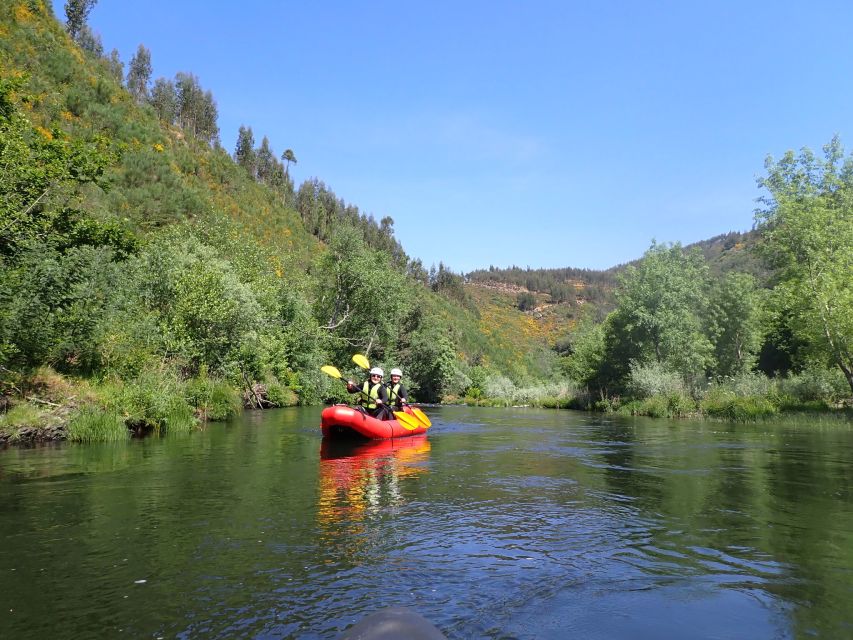
One of the highlights is cooling down with a swim at Vau River Beach. That timing is smart, because after paddling through rougher stretches, you need a real reset. It also gives you a chance to feel the temperature and water feel before you decide how bold you want to be with any optional jump moments.
Even if you skip the jumps, the swim break helps the day feel complete. It turns the outing into a full “adventure + nature + recovery” cycle, instead of a one-note chase for thrills.
Arouca meal stop: roasted veal, vegetarian feijoada, and convent pastries
After the river time, you’ll get a break in Arouca. The day includes about 1.5 hours for lunch and free time in the historic center, which is enough time to eat, grab a drink, and wander without rushing.
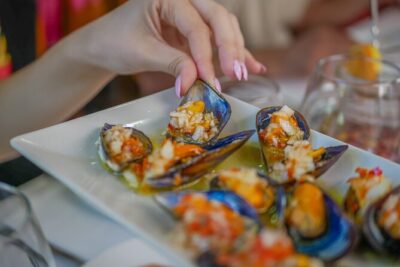
If you choose the lunch-included option, the typical meal is Arouquesa roasted veal, served with a drink of your choice where wine is included. There’s also a vegetarian option: a vegetable feijoada with white rice. For dessert, you’ll taste ancient conventual pastry connected to the Santa Maria Monastery.
If you skip lunch, you’re still not sent away hungry. Instead, you’ll get snacks and a drink voucher at a local café after rafting, which keeps the day more balanced.
This meal stop is more than a bonus. It’s the difference between a chaotic wet afternoon and a day that ends with you feeling satisfied—like you actually visited the area, not just changed locations.
Photos, snacks, and the small extras that make it feel finished
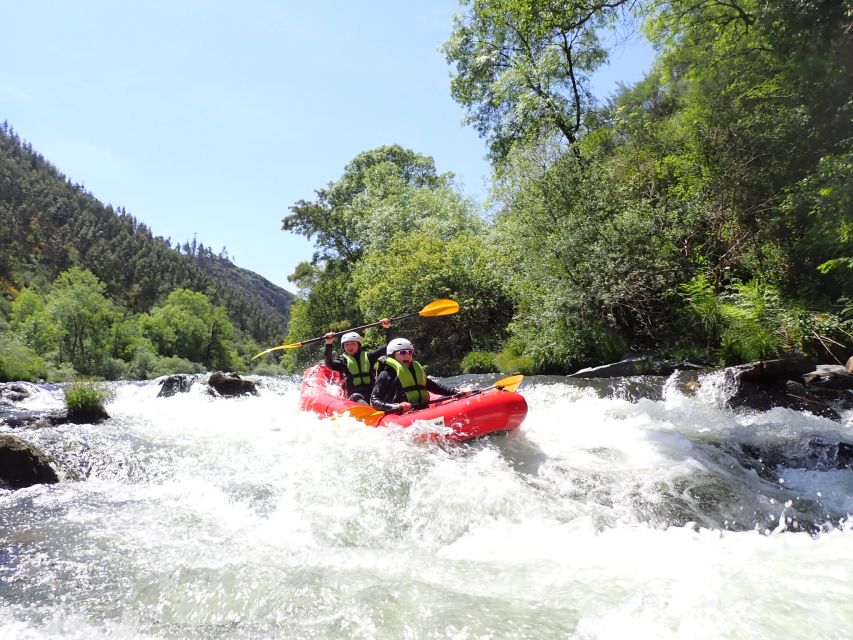
This tour isn’t only about getting wet. There are multiple included touches that help you walk away with memories and fuel.
You’ll have time for a photo stop during the river section, and the guides also take camera photos during the adventure. People have reported getting the photos later by email, which is a nice safety net if your phone doesn’t survive the water day.
Snack-wise, water is included, plus coffee and pastry. And if you booked without lunch, you’ll have that voucher for drinks and snacks at a local café. Those add-ons don’t sound flashy, but they solve real problems: hydration, energy, and a warm-down routine when you’re wet and a little tired.
Price and value: what you’re really paying for at $100
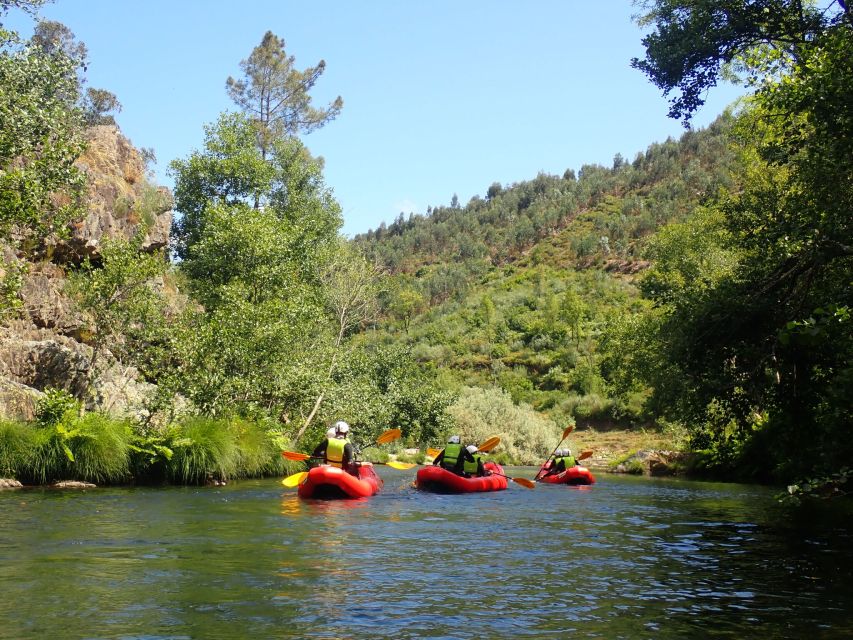
At around $100 per person for an 8–9 hour outing, the value isn’t just the river time. It’s the full package: round-trip transfers from Porto, guided instruction, equipment, water, snacks, plus coffee and pastry. If you select the lunch option, you also get a substantial regional meal and dessert.
So what makes it feel worth it is that you’re not arranging logistics yourself. The van handles the drive to the Arouca area, the provider handles the river kit, and the guide handles the safety and pacing. For a day centered on adrenaline, that kind of “everything set up for you” time is part of the cost.
Also, the river descent is about 4 km, which is a good match for most people’s energy levels when you’re spending the day outdoors. You get enough action to say you did it, but the outing doesn’t stretch into something that turns into pure fatigue.
Who should do this Paiva River canoe-raft tour (and who should skip)
This adventure isn’t for everyone, and the limits are clear for a reason.
It’s not suitable for:
- Pregnant women
- Children under 6
- People over about 110–113 kg (the limit is listed as 110 kg and 113 kg in different parts of the information)
- People with mobility impairments
Footwear is another practical limiter: sandals and flip-flops are not allowed. Swimwear is required, and the day includes time in the water, so plan accordingly.
If you’re comfortable being active in moving water, you’ll likely enjoy this. It also works well for mixed groups because the canoe-raft seating and guide-led pacing keep things manageable.
If your plan depends on guaranteed rafting only, remember the river can change by season. When water levels are low, the operator may switch to canyoning instead, which can still be fun but shifts the balance toward jumps and slides.
Should you book from Porto? My honest take
Book it if you want a one-day adventure with real guidance, not just a drop-off and hope. The combination of a guided canoe-raft ride, a chance to swim at Vau River Beach, and a proper meal break in Arouca makes it feel like a complete outing.
Skip it if you’re risk-averse about active water sports, or if you know you’re not comfortable in a moving river environment—even with safety gear and a briefing. Also, if you’re traveling with someone who falls into the listed age, pregnancy, weight, or mobility categories, this one isn’t the right fit.
If you’re traveling solo, don’t assume it’s awkward. The group format can work well, and the guides’ support is part of the reason people feel confident even when riding as individuals.
FAQ
FAQ
How long is the Paiva River canoe-rafting adventure from Porto?
The total day is about 8 to 9 hours, including the transfer from Porto and time on the river and in Arouca.
Where do I meet in Porto?
Meet next to the Vimara Peres Statue at Terreiro da Sé.
What do I need to bring, and what shoes are not allowed?
Bring swimwear. Sandals or flip-flops are not allowed.
Do I get any food or drinks during the day?
Yes. Water and snacks are included, and there’s coffee and pastry. Lunch is included only if you choose the lunch-included option.
What happens if rafting cannot run due to water conditions?
During certain seasons when river conditions don’t allow rafting, the operator may offer an alternative activity such as canyoning.
What language are the guides?
The instructor guides are available in English and Portuguese.
Is this tour safe for everyone, and are there limits?
It’s not suitable for pregnant women, children under 6, people over 110–113 kg (as stated), and people with mobility impairments.