REVIEW · PORTO
Dogma Wine Tasting – Serious Introduction
Book on GetYourGuide →Operated by Dogma Wine Bar · Bookable on GetYourGuide
You don’t come here for small talk. You come for a focused, sommelier-led crash course on native Portuguese grapes, with real bottles and real pairing food in about 90 minutes. I love the clarity of the structure and the quality level of what you taste, but one thing to consider is the time: it moves fast, so if you want long conversations you may wish you booked a longer hang afterwards.
This is serious wine education without feeling stiff. Expect 3 white wines and 3 red wines, explained by a senior taster, plus bread, DOP olive oil, cheese, and a sample of dry cured Iberico ham, all in the comfortable setting of Dogma Wine Bar in Portugal’s Norte.
In This Review
- Key takeaways before you pour
- A 90-minute lesson in Portugal’s native grapes
- Where it happens: Dogma Wine Bar in the Norte
- The host: senior credentials, Port energy
- The tasting format: 3 whites, 3 reds, and a clear Portugal map
- What makes the wines feel “serious” (and not just expensive)
- Bread, DOP olive oil, cheese, and Iberico ham
- Terroir and native grapes: the “why” behind what you taste
- Music, pace, and the social side of learning
- Price and value: is $93 fair for what you get?
- Who should book this tasting
- Practical considerations before you go
- Should you book Dogma Wine Tasting – Serious Introduction?
- FAQ
- Where is Dogma Wine Tasting – Serious Introduction held?
- How long does the tasting last?
- How much does it cost?
- What wines and how many are included?
- What food is included in the tasting?
- Is the experience available in English?
- What is the cancellation policy?
- Is this tour suitable for everyone?
Key takeaways before you pour
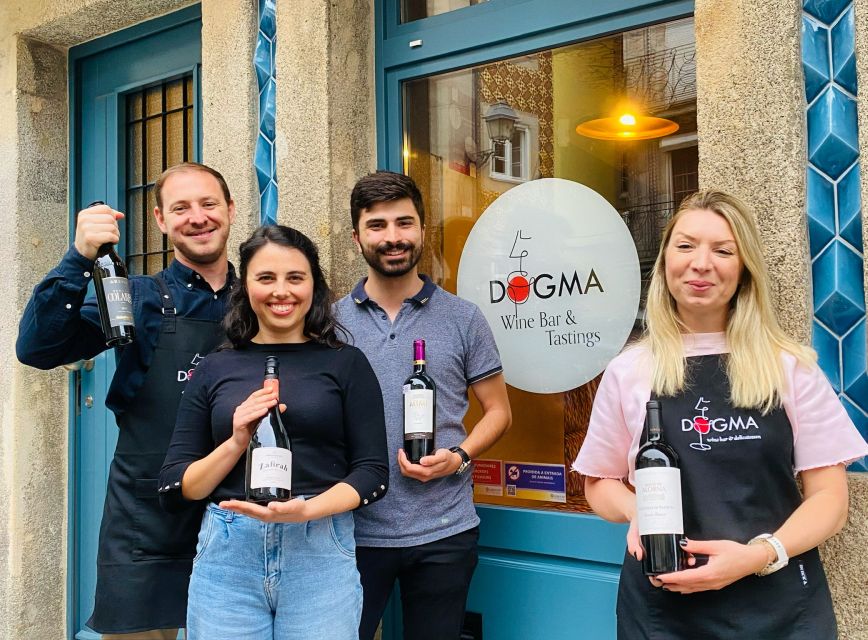
- A true native-grape “DNA” lesson: you taste 3 whites and 3 reds to understand the country’s core flavors.
- Senior-level guidance: the host is a highly decorated sommelier with years in the business and a Port track record.
- Small-producer focus: the emphasis is on producers connected to their terroir, not mass-market shortcuts.
- Built-in pairing food: bread, DOP olive oil, cheese, and dry cured Iberico ham turn the tasting into a full lesson.
- 90 minutes, no filler: you leave knowing more than you expected, especially about Portugal’s regional styles.
- Relaxed wine-bar atmosphere: you’re not wedged into a stiff classroom. The setting feels social and easy.
A 90-minute lesson in Portugal’s native grapes
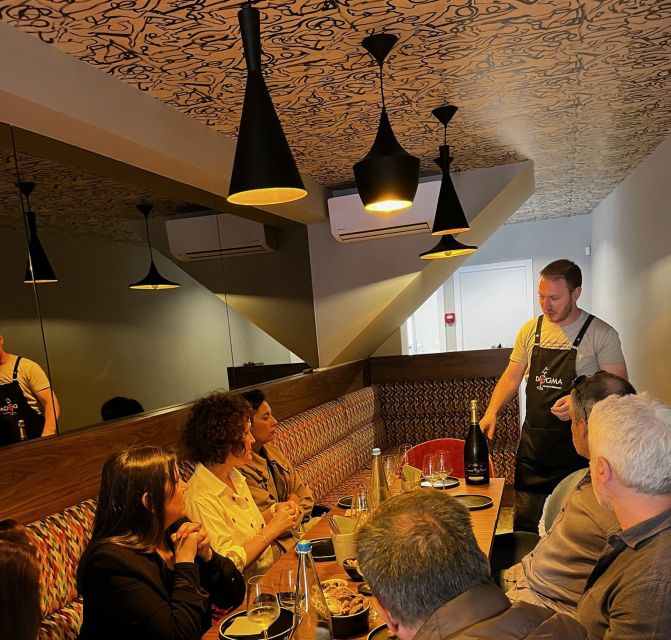
Dogma Wine Tasting – Serious Introduction is a compact format, but the goal is big: help you taste your way through Portugal’s flavor logic. Instead of a random selection, you get a guided sequence designed to show how different grapes behave, where they tend to be grown, and what style choices producers make.
I like that the lesson has a point. You’re not just sipping; you’re learning to recognize patterns—freshness and structure in whites, and fruit, texture, and depth in reds. If you’ve tried a few Portuguese bottles at home and felt like it was all over the place, this tasting helps you connect the dots.
You can also read our reviews of more food & drink experiences in Porto


Where it happens: Dogma Wine Bar in the Norte
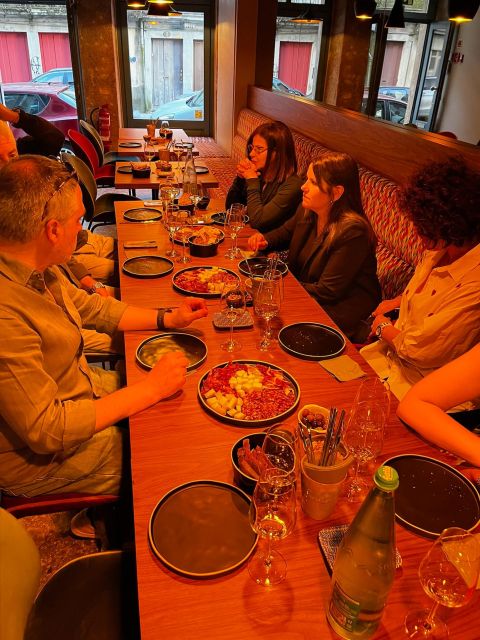
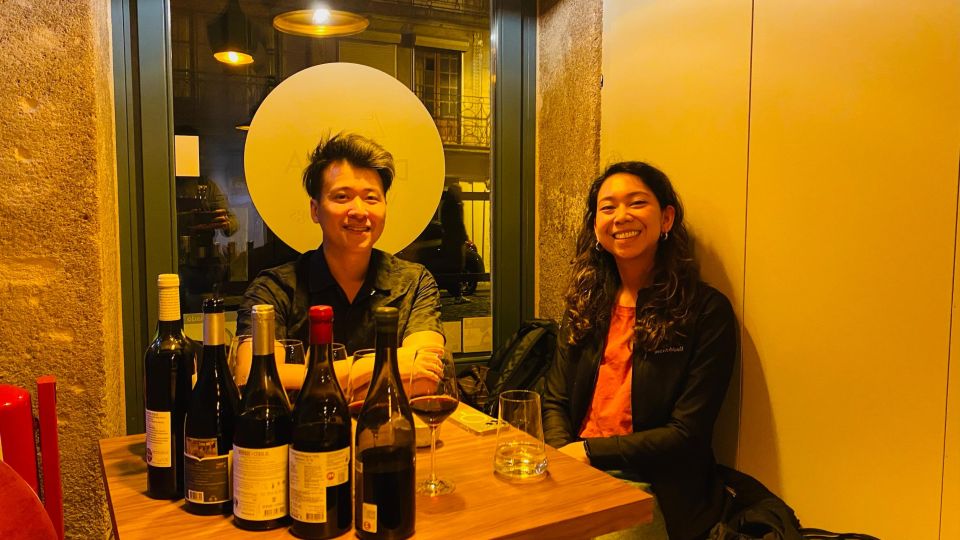
The meeting point is Dogma Wine Bar, and that matters more than you’d think. You’re not spending time bouncing between multiple stops; you’re settling in and working through the flight at a comfortable pace.
In practice, this kind of single-location tasting is ideal when you want high focus. You can pay attention to small differences in aroma and finish without constantly resetting your attention every time you move. The room also has a relaxed vibe, with background music that keeps things pleasant while you listen.
The host: senior credentials, Port energy

This tasting is led by a senior sommelier named Vasilii. He’s not just there to pour; he’s there to teach, and his credentials are part of why the guidance lands well.
According to the provided details, Vasilii is twice honored as a sommelier of Portugal (2022 and 2023), ranked 3rd best of Portugal in 2024, and has been a semi-finalist for the Master of Port title (2025). That Port connection is useful even if you’re mostly here for everyday table wine, because it signals a disciplined approach to taste, balance, and grape-driven style.
You’ll also notice the teaching tone: confident, direct, and geared toward making Portugal feel understandable rather than mysterious.
The tasting format: 3 whites, 3 reds, and a clear Portugal map
You’re tasting 6 wines total, with about 70 ml per sample, which is enough to get a real impression without drowning the lesson in alcohol. The structure is built for learning: 3 different white wines and 3 different red wines, chosen to represent the country’s native-grape “DNA.”
The lesson is explained around main native grapes of Portugal, and you’ll hear about their styles and where they show up. That approach is smart for first-timers and helpful for repeat Portuguese wine fans too, because it organizes what you taste into categories you can remember.
Here’s how you can use this flight while you’re drinking:
- Take note of how the whites move from citrus or floral impressions into texture and finish.
- Then watch how the reds shift: fruit tone, tannin feel, and whether the finish stays tight or opens up.
The point isn’t to memorize winery names. The point is to leave with working instincts—what to look for when you see a grape label on a bottle, and what style choices usually come from Portuguese terroir and tradition.
What makes the wines feel “serious” (and not just expensive)
The highlights call out boutique wines, native grapes, and high quality, and the whole lesson reinforces that philosophy. The emphasis is on small producers who stay closely connected to their terroir and to grape varieties native to Portugal.
For you, that translates into a better tasting experience, not just a better marketing story. Small producers typically care more about decisions that affect taste in the glass: harvest timing, fermentation approach, aging choices, and how much the wine should speak in fresh fruit versus developed depth. When the flight is built around that idea, each wine has a reason to exist in your lineup.
One practical benefit: these tastings often help you understand why two bottles with the same grape can taste noticeably different. That’s what makes Portugal feel like a real wine country rather than a collection of one-off bottles.
You can also read our reviews of more wine tours in Porto
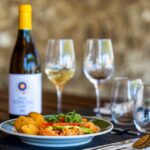
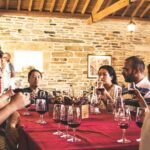

Bread, DOP olive oil, cheese, and Iberico ham
Wine tastings can become a throat-run if the food is an afterthought. Here, the pairing is part of the lesson plan, and that makes the whole experience easier to enjoy.
You’ll get bread and DOP olive oil, plus high-quality cheeses and a sample of dry cured ham. The provided details mention everything is included: water, the food elements, and the sommelier guidance throughout.
Why this pairing design works:
- Bread and olive oil give you a neutral reset between wines, so you can reassess aroma and finish without losing your palate.
- Cheese adds fat and salt, which can soften tannins in red wines and make aromatics feel clearer.
- Dry cured Iberico ham brings cured-meat depth and saltiness, which can make fruit and spice tones show up more clearly.
Also, the food portions are described as generous, especially the cheese platter. That’s not just a comfort thing; it helps the tasting feel like a meal-sized experience rather than a rushed snack.
Terroir and native grapes: the “why” behind what you taste
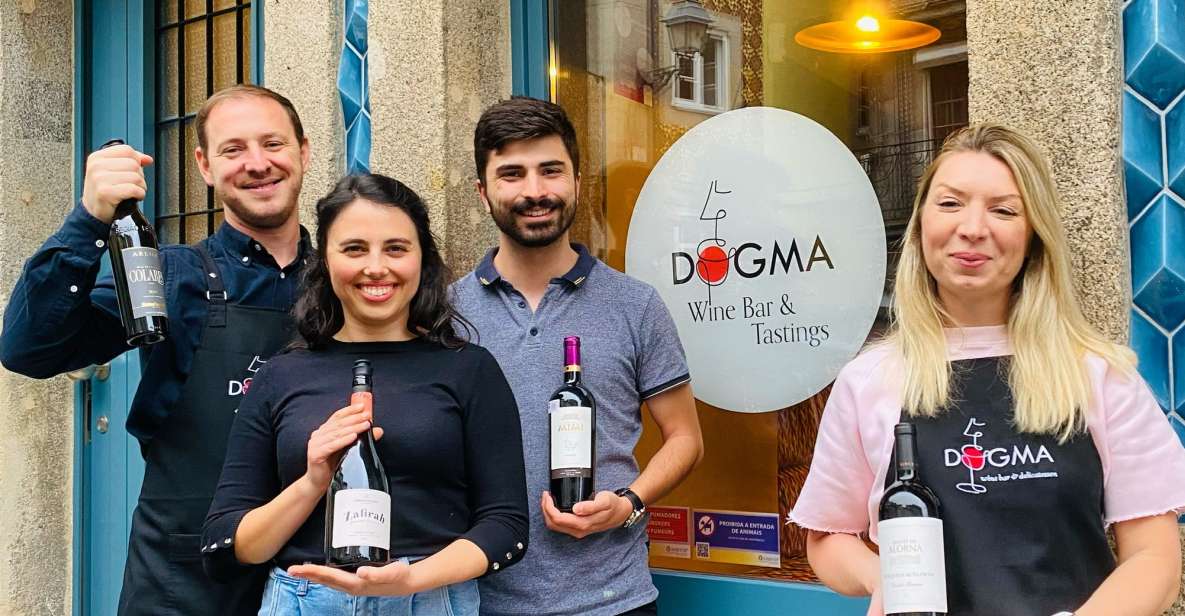
The host’s stated goal is to explore Portugal’s heritage through carefully selected wines and styles. You’ll be shown how native grapes behave in different contexts, with discussion tied to location and winemaking approach.
This is the part I’d call the real value. Labels and grape names are useful, but explanations that connect grape character to place are what help you shop better later. If you walk out knowing what you like—say you prefer a certain white’s texture or a red’s tannin style—you’ll have a clearer idea of what to buy.
A useful way to listen during the lesson is to treat each bottle like a sample of a bigger pattern. Ask yourself:
- What does this wine emphasize: brightness, structure, or depth?
- How does it compare to the last one?
- What element felt most distinct?
That’s how the flight stops being entertainment and becomes usable knowledge.
Music, pace, and the social side of learning
This isn’t a silent, sit-up-straight-only format. The experience takes place in a wine bar environment, and the overall mood feels relaxed, with background music that doesn’t take over your attention.
One practical upside of a bar setting is conversation. Even if you’re not trying to network, you can learn from the simple fact that other people often ask the questions you’re thinking about. And since the tasting is compact, the room tends to feel focused rather than chaotic.
A couple of people also noted they ended up staying longer and chatting. That’s a good sign for you if you like wine talk after the official part ends. The official duration is 1.5 hours, but the vibe can invite a little extra time.
Price and value: is $93 fair for what you get?
At $93 per person for 1.5 hours, the price is not the cheapest wine tasting option—but it also doesn’t look like a luxury-only splurge. You’re paying for structure, quality, and included food.
Here’s what’s included based on the details:
- 6 wine samples (about 70 ml each)
- Water
- Bread and DOP olive oil
- High-quality cheeses
- Dry cured Iberico ham sample
- Senior sommelier guidance throughout
That combination matters. You’re not just paying for bottles; you’re paying for interpretation—someone helping you hear the differences in the glass. And you’re not just drinking; you’re pairing with real food that makes tasting more comfortable and more accurate.
If you’re the kind of traveler who hates paying for tastings where the food is a token and the wines are generic, this format is the opposite. It’s designed to be a serious introduction while still feeling friendly.
Who should book this tasting
This tasting fits best if you want high signal, not a long day of logistics.
You’ll likely love it if you:
- are new to Portuguese wine and want a clear starting framework
- already like Portuguese wines and want better language for what you’re tasting
- care about native grapes and want examples that show style differences
- enjoy food pairings that actually support what’s in your glass
You might skip it if you prefer a sightseeing day with multiple stops and lots of walking. This is a bar-based lesson, and the value comes from concentration at the table.
Practical considerations before you go
This activity is listed as not suitable for children under 18 and not suitable for pregnant women. It’s also in English, so you’ll be able to follow along without needing translation.
It’s also a “bring your good mood and curiosity” kind of experience. The host guides you through the heritage and the wines, so you don’t need to arrive with a wine dictionary. But the tasting is still serious enough that paying attention will make it better.
Should you book Dogma Wine Tasting – Serious Introduction?
Book it if you want the fastest path to understanding Portugal’s native grapes and the logic behind their styles. The blend of senior-level guidance, boutique wine selection, and included pairings makes it feel like a real education, not a quick pour-and-go.
Skip it if your ideal day is scenic touring across multiple locations. This is a focused session at Dogma Wine Bar, and you get the best results when you’re ready to sit, taste, and listen.
If you’re on the Norte side of Portugal and you want to come away with bottle-buying instincts you can actually use, this is the kind of tasting that makes the rest of your trip feel smarter.
FAQ
Where is Dogma Wine Tasting – Serious Introduction held?
It meets at Dogma Wine Bar in Portugal’s Norte region.
How long does the tasting last?
The duration is 1.5 hours.
How much does it cost?
The price is $93 per person.
What wines and how many are included?
You’ll taste 6 wine samples, about 70 ml each, including 3 white wines and 3 red wines.
What food is included in the tasting?
The included food is bread and olive oil, plus high-quality cheeses and a sample of dry cured Iberico ham. Water is also included.
Is the experience available in English?
Yes, the instructor guides the tasting in English.
What is the cancellation policy?
Free cancellation is available up to 24 hours in advance for a full refund.
Is this tour suitable for everyone?
It is not suitable for children under 18 and not suitable for pregnant women.