REVIEW · PORTO
Porto: Port Wine Tour with 7 Port Tastings
Book on GetYourGuide →Operated by Porto Walkers · Bookable on GetYourGuide
Seven ports in four hours works.
This tour is a smart mix of hands-on tastings and real context, starting on the Porto side of the Douro River and ending in Vila Nova de Gaia’s cellars. I like how you get professional tasting room access plus a guided lesson on port families, so you don’t just drink—you start to understand what you’re tasting.
Here’s the catch: the route includes a small amount of walking and surfaces can be uneven. If mobility is a concern, plan carefully because the tour isn’t recommended for people with walking disabilities or using a wheelchair.
In This Review
- Key Highlights Worth Booking For
- Entering Porto’s Port-Wine Mindset
- Where You Meet: Ponte Dom Luís I (Lower Level) in Porto
- The Douro Walk That Links Porto to Gaia
- Stop One: A Museum and Cellars Tour at a Prestigious House
- How to Identify Port Families (And Why Barrels and Cork Matter)
- Stop Two: A Small Producer Tasting With Fresh Comparisons
- Stop Three: Finishing With 3 Ports Across the Last Producer
- What 7 Tastings Really Teach You (Beyond the Glass)
- Price and Value: Is $54 Fair for 4 Hours?
- Who This Tour Suits Best (And Who Should Rethink It)
- Should You Book This Porto Walkers Port Tour?
- FAQ
- Where do I meet the tour guide?
- How long is the tour, and how many tastings are included?
- What’s included in the price?
- Is food included with the tastings?
- What language is the tour offered in?
- What are the age rules?
- Is the tour wheelchair accessible?
Key Highlights Worth Booking For
- 7 Port Tastings across 3 venues, with a clear progression through different styles
- Port families training: learn how to identify types and when each is best to drink
- Professional tasting rooms inside major and smaller port producers
- Douro River walk that connects Porto history to Gaia cellar culture
- Guides who keep it lively, with plenty of time for questions during tastings
Entering Porto’s Port-Wine Mindset

Port can feel like a category people sort into two boxes: sweet or not sweet. This tour helps you get past that shortcut fast. In four hours, you learn how port fits into Portuguese wine culture and why it’s made the way it is—plus how to describe what you’re tasting beyond just calling it good.
I also like the structure. You’re not bouncing around with random tastings. You start with the big picture (history, production basics, and how port differs from other wines), then taste 2 wines, then taste more at smaller producers, and finish with an extended run of styles. That rhythm makes the differences easier to catch while your palate is still “fresh.”
One more detail I appreciate: you’re taught practical drinking guidance. You learn how and when to drink port, not just what to buy later. That matters, because port isn’t one-size-fits-all. Some styles are made for sipping now. Others are built to age.
You can also read our reviews of more wine tours in Porto

Where You Meet: Ponte Dom Luís I (Lower Level) in Porto
Logistics can make or break a food-and-wine afternoon, and this one is easy if you show up on the right side. Meet on the right side of the entrance of the LOWER LEVEL of Ponte Dom Luís I, Porto side, at Rua da Ribeira Negra (4000-509 Porto). Look for the big granite pillars of the old Ponte Pensil bridge.
Your guide wears a red T-shirt or jacket and says Porto Walkers. If you accidentally end up on the top level of the bridge, you’ll want to get help quickly so you don’t waste time.
This matters because your tour starts with orientation and a walk that leads you toward Gaia. If you’re late, you can lose the smooth flow of “history first, tastings second.”
The Douro Walk That Links Porto to Gaia
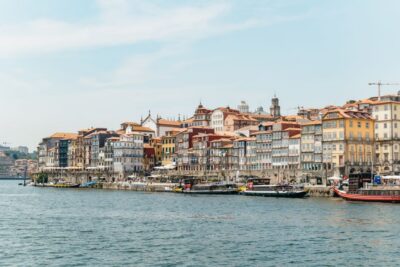
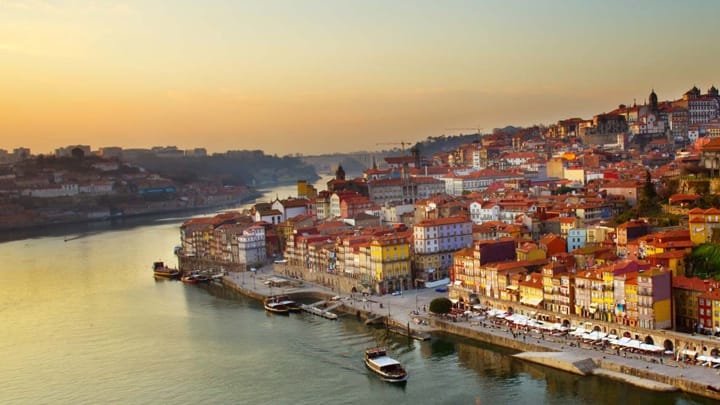
The tour begins on the Porto side of the Douro River and then strolls toward the historical cellars in Vila Nova de Gaia. The value of this isn’t just sightseeing. It’s mental context: you see the river and the geography that shaped the port industry and how goods moved to the places where wines were stored and aged.
During the walk, you get the historical background of port wine, so when you enter the cellars, you’re not starting from scratch. You already know what you’re looking at—barrels, corks, and the ideas behind different styles—so the tastings feel connected instead of chopped into separate stops.
Also, rain doesn’t stop the tour. One reason people rate this so highly is that weather timing is handled with shelter planning. Still, pack for Portuguese weather: a compact umbrella and a jacket are smart.
Stop One: A Museum and Cellars Tour at a Prestigious House
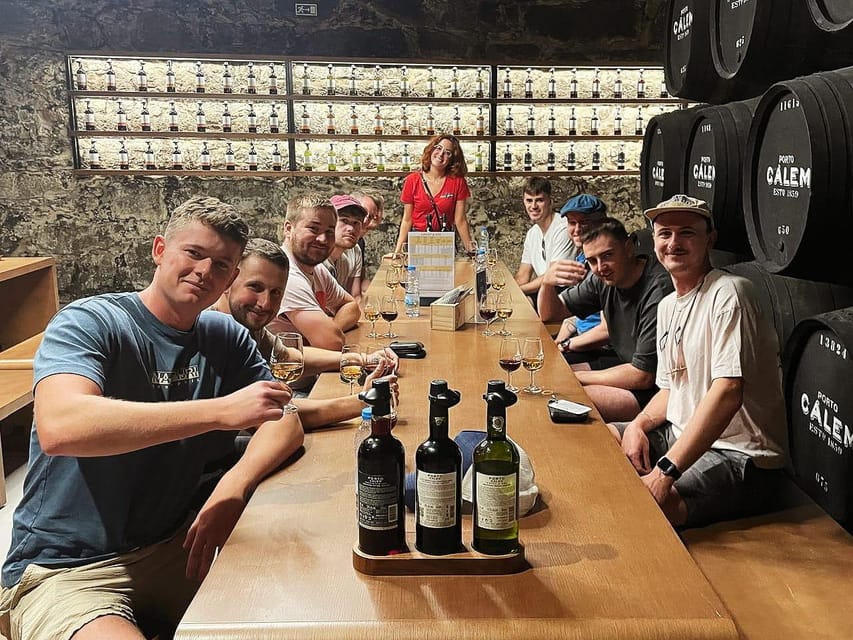
Your first real cellar experience is a guided tour of a museum and wine cellar at one of the most prestigious port wine houses. This is where you get the “port 101 with context” part. You’ll learn the historical role of port, how production works, and why the whole storage-and-aging system is so important.
After the tour, you taste 2 port wines. I like the sequencing here. Starting with a major producer helps you calibrate. You get a baseline style, plus vocabulary, before you start comparing it to smaller houses later.
What makes this stop particularly useful is that it’s not just looking around. The guide talks through what makes port different from other wines, and that helps you notice details instead of guessing. You also get instruction on how and when to drink port wine, which sets up the tasting comparisons that follow.
How to Identify Port Families (And Why Barrels and Cork Matter)
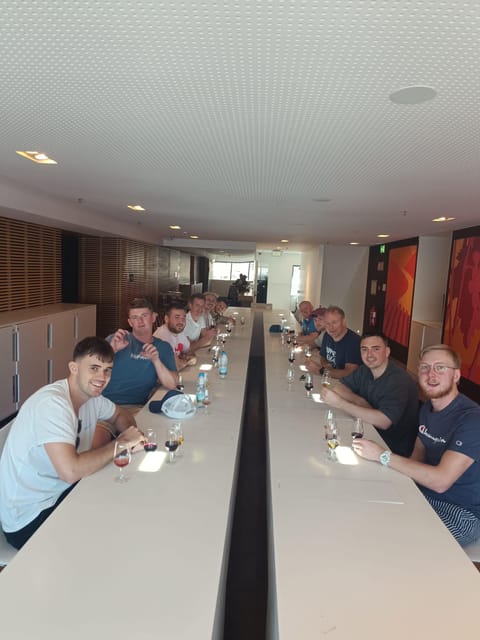
This tour’s teaching style is one of its strongest points. You’re taught how to identify different port wine families and how they differ. You also learn when each style should be consumed, and why that matters for flavor and balance over time.
During this portion, you’ll hear the practical side of production: the role of barrels and the cork used to preserve the wines. Even without technical formulas, it clicks. Port isn’t just a “sweet wine.” It’s a winemaking approach with aging decisions built into the identity.
Here’s the payoff for you: by the time you’re tasting multiple wines back-to-back, you start to recognize categories by the way the wine tastes and how it finishes. Instead of saying, “This one is sweeter,” you start making distinctions like how fruit shows up, how structured it feels, and how alcohol warmth presents itself.
Port can be stronger than people expect. The best way to enjoy it is to sip slowly and let the flavors change in the glass. If you go in thinking port is like regular table wine, you’ll miss the nuance.


Stop Two: A Small Producer Tasting With Fresh Comparisons
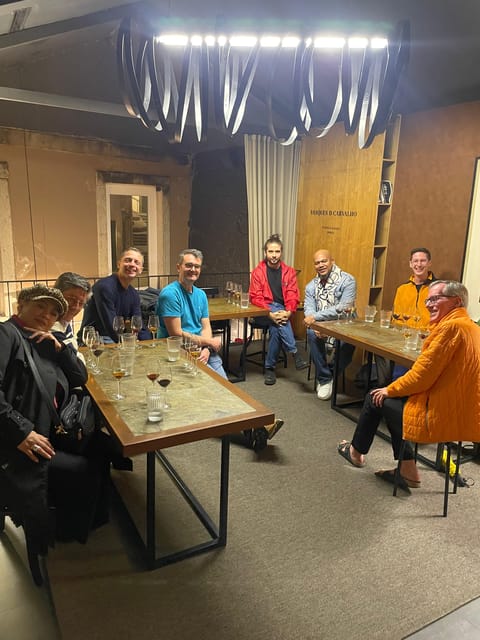
At the second venue, you switch gears. You’ll visit a smaller producer and taste 2 other port wines there. This is a key moment because smaller houses often show you how the same port “language” can sound different depending on choices made in aging, blending, and style.
I like that the tour doesn’t just keep you in one type of cellar experience. You get a comparison between scale and style. And for your palate, it keeps you from “getting used to” a single approach.
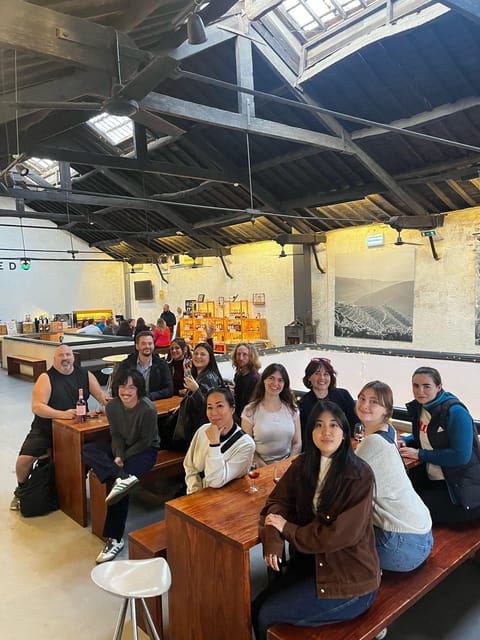
This stop is also where the tour feels most interactive. The guide encourages questions and group chat during tastings, so you can compare notes in real time. That’s one reason people mention the vibe of the tour becoming friendly and fun rather than formal.
Stop Three: Finishing With 3 Ports Across the Last Producer
The final tasting stop is the extended one: you finish at a last producer and try 3 other ports. By now you’ve tasted 4 wines already, so these final three are where your learning starts to show.
This is also when you’ll likely notice the tour’s biggest value: the variety isn’t random. The 7 tastings are meant to help you understand differences among families and how style choices affect what’s in the glass.
If you’re taking this tour as a first-time introduction to port, the finishing lineup helps you form opinions. If you’ve already tried port before, it helps you sort what you liked—and why—so you can shop and order with confidence later.
What 7 Tastings Really Teach You (Beyond the Glass)
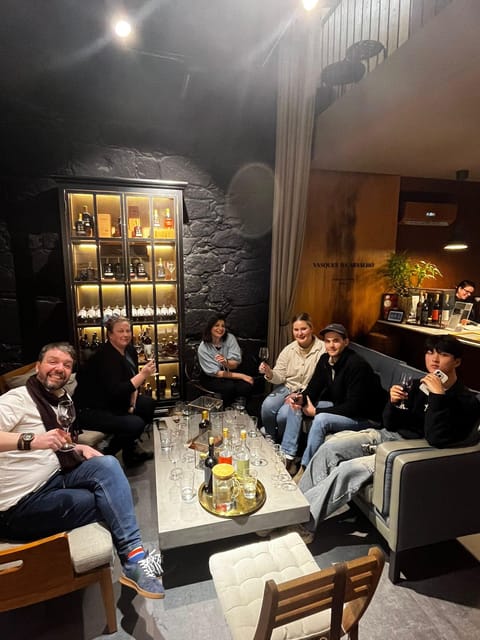
Let’s talk about the real reason this tour works: it gives you a fast education without making it feel like school. Total time is 4 hours, and you still get a guided cellar narrative plus 7 tastings, which is a strong ratio for learning.
You walk away with three practical skills:
- Categorizing by family, not by guesswork
- Understanding when to drink different styles based on how they’re built and stored
- Knowing the production influences you can taste, like aging choices tied to barrels and preservation
And you’ll probably remember at least one “aha” moment. Many people start with a vague idea of port, then leave able to explain why one style lands differently than another.
One more practical detail: this tour has no formal food tastings. That’s fine, but you should eat before you go. Port can be intense, and tasting seven wines works better when you’re not hungry.
Price and Value: Is $54 Fair for 4 Hours?
At $54 per person, the value comes from what’s included—not just the number of sips.
You get:
- Guided tour in English
- Entrance to 3 venues
- 7 wine tastings
- Skip the ticket line
For many people, that’s the selling point: you’re paying for time, access, and education inside cellar spaces—not just wine samples poured on a counter.
Also, the pricing makes it easier to treat the tour as a main activity, not an add-on. Four hours is enough to feel like a meaningful Porto experience, and the learn-and-taste format gives you more than a quick souvenir moment.
If you’re a serious wine person, you might prefer more technical sessions. But if you want a structured introduction and you’re curious about how port styles differ, the pricing is easy to justify.
Who This Tour Suits Best (And Who Should Rethink It)
This tour is a great fit if you want:
- A guided introduction to port families
- A walking-and-cellars afternoon that feels connected
- A chance to taste multiple producers, including smaller ones
It’s especially good for first-timers. The guide-led explanation makes port easier to decode, and the tastings are spaced through the afternoon so you can compare and remember.
It may not be a fit if you:
- Have mobility limitations or need smooth, flat surfaces (uneven ground is part of the reality)
- Are traveling with unaccompanied minors (unaccompanied minors aren’t allowed, and kids must be with an adult)
- Are under 18 (the minimum drinking age is 18, and adult pricing applies)
Also, because you’re tasting 7 ports, it’s best suited to people who are okay with alcohol in a short window. Sipping slowly helps, but don’t plan a big second night out immediately afterward.
Should You Book This Porto Walkers Port Tour?
If you want a port experience that teaches you how to think about what’s in the glass, I’d book it. The mix of 7 tastings, 3 venues, and a guide-led lesson on families, aging basics, and when to drink makes it a solid value at $54.
I’d especially recommend it if you care about visiting both major and smaller producers. That contrast is where a lot of the learning happens, and it keeps the afternoon from becoming repetitive.
Only skip it if walking and uneven surfaces are deal-breakers for you. Otherwise, this is one of the more efficient ways to turn a Porto afternoon into something you’ll actually remember—and be able to describe when you buy your next bottle.
FAQ
Where do I meet the tour guide?
Meet on the right side of the entrance of the LOWER LEVEL of Ponte Dom Luís I on the Porto side, at Rua da Ribeira Negra (4000-509 Porto). Look for the big granite pillars of the old Ponte Pensil bridge. Your guide wears a red T-shirt/jacket saying Porto Walkers.
How long is the tour, and how many tastings are included?
The tour lasts 4 hours and includes 7 port wine tastings.
What’s included in the price?
The tour includes a guided tour in English, 7 wine tastings, and entrance to 3 venues.
Is food included with the tastings?
Food tastings are not included.
What language is the tour offered in?
The tour is guided in English.
What are the age rules?
Unaccompanied minors are not allowed. Children must be accompanied by an adult, and the minimum drinking age is 18.
Is the tour wheelchair accessible?
The activity is marked wheelchair accessible, but the tour also notes that due to uneven surfaces, it is not recommended for those with walking disabilities or using a wheelchair, and it is not suitable for people with mobility impairments.