Porto’s tile workshop feels like a creative detour. In just about two hours in downtown Porto, you get the story behind Portuguese azulejos and walk away with a painted tile souvenir you’ll be proud to display.
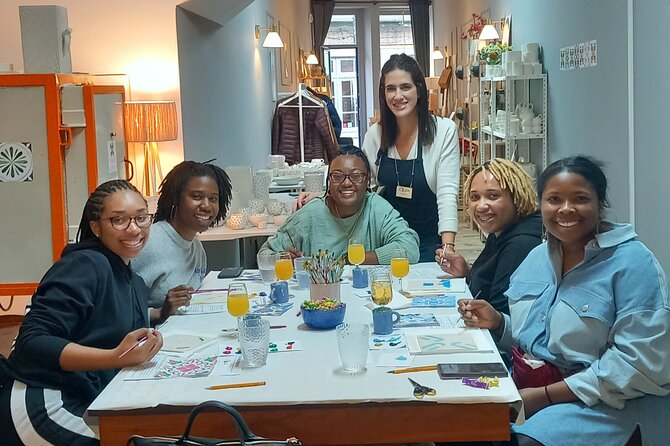
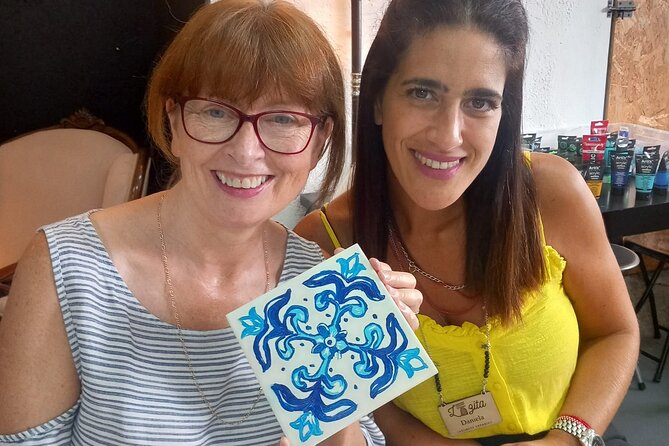
I love the hands-on tile painting. The class is step-by-step, and it works whether you like to sketch plans ahead or you just want to follow along. I also love the pace: you’re painting while you sip a cocktail (or juice), so it feels more like an afternoon ritual than a rushed activity.
One consideration: your tile isn’t always just handed to you instantly. The process includes finishing time, and you can usually plan on getting it about one hour after the workshop ends.
In This Review
- Key things to know before you go
- Why This Tile Workshop Works So Well in Porto
- The Two Hours: What You Do From Start to Finish
- The Portuguese Tile Lesson: Colors, Influences, and What to Look for
- Painting Your Tile: Easy Choices and Smart Tips
- Cocktails and Creative Time: The Included Drink Part
- How the Tile Gets Finished: What to Plan for
- Value for $42.34: Why This Is More Than a Souvenir Shop Stop
- Where It Fits in Your Porto Day (Without Stress)
- Who Should Book This Workshop
- Should You Book Tile Painting and Cocktails in Downtown Porto?
- FAQ
- How long is the tile painting workshop in Porto?
- What’s the price per person?
- Is the workshop offered in English?
- Where do I meet for the workshop?
- Is there a maximum group size?
- What drink is included?
- When will I have my finished tile?
- Can I get a refund if plans change?
Key things to know before you go
- Small group, big attention: capped at 20 travelers, with lots of help while you paint.
- History built into the class: learn how Portuguese tiles became so important, plus common colors and influences.
- Choose a design or go freehand: use an outline or create your own pattern.
- Drink included: you can pick a juice or a gin-port cocktail while you work.
- A souvenir with meaning: you take home a finished, personalized tile instead of a random shop trinket.
Why This Tile Workshop Works So Well in Porto
Porto is gorgeous, but it’s also a workout. Between hills, stone streets, and long sight-seeing days, it helps to have one planned break that gets you indoors and hands-on.
This workshop hits that sweet spot. You’re not just watching art happen—you’re making it. And the tile theme isn’t random decoration. The class explains why tiles (azulejos) matter so much in Portugal, and how they became a visual language for public spaces, homes, and history.
Also, the downtown location is practical. You start at R. Chã 77, 4000-165 Porto, and the activity ends back at the same meeting point, so you don’t have to build extra time into your day just to get to and from it. It’s also near public transportation, which is a plus if you’re using trams or buses to hop around town.
You can also read our reviews of more tours and experiences in Porto.



The Two Hours: What You Do From Start to Finish
The experience is built around a smooth, studio-based rhythm. You meet at the start location, then the two-hour session moves through teaching, painting, and enjoying your drink.
First comes the tile history portion. It’s not a lecture that makes you want to check your phone. It’s structured around the kinds of things you can actually see later in Porto: how Portuguese tile traditions developed, what influences shaped the look, and which colors show up again and again in Porto and across Portugal.
Then you shift into the fun part—painting your own tile.
Here’s what makes the painting portion easier than you might expect:
- You can freehand your tile, or use a provided outline/pattern.
- Guidance is step-by-step, not vague or sink-or-swim.
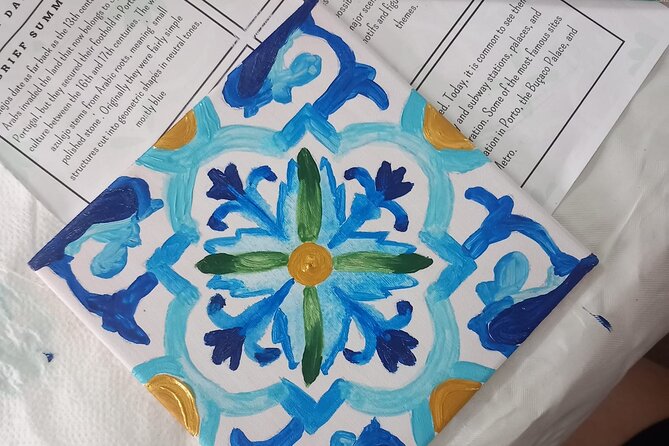
- The goal is a finished souvenir that looks good even if you’re not a trained artist.
Finally, you wrap up and head back out. Your tile then goes through the finishing process. The studio approach is designed so you can retrieve it about one hour after the workshop ends, which is a lifesaver if your Porto schedule is tight.
The Portuguese Tile Lesson: Colors, Influences, and What to Look for
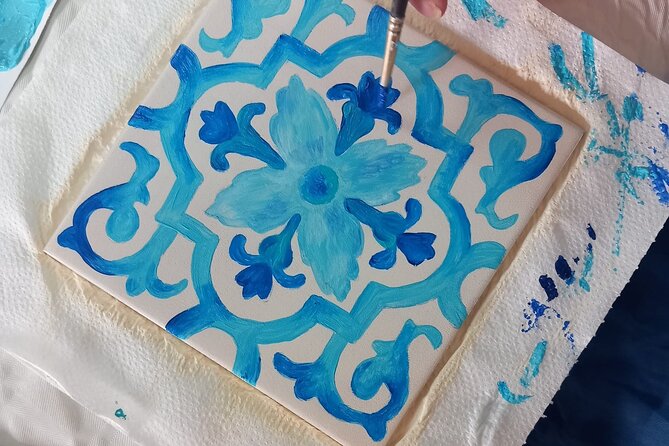
The history part is what turns this from a craft class into an experience that makes your walking tour smarter.
Instead of treating tiles as just pretty walls, you learn the basics behind the look. The class covers:
- how Portuguese tiles became important in daily life and public spaces
- which influences helped shape the style
- which colors are common in Porto and throughout Portugal
- pointers toward the most visited attractions, so you know what you’re seeing later
One of the best things about this kind of explanation is that it changes your brain while you wander. After the workshop, you’ll spot patterns faster: not just the images, but the palette choices and how repetition creates that unmistakable azulejo feel.
It’s also a nice change from the usual Porto story that’s only about rivers and bridges. Here, you get a Portugal angle that shows up in everyday streets, inside churches, on facades, and even on decorative details you might otherwise walk right past.
Painting Your Tile: Easy Choices and Smart Tips
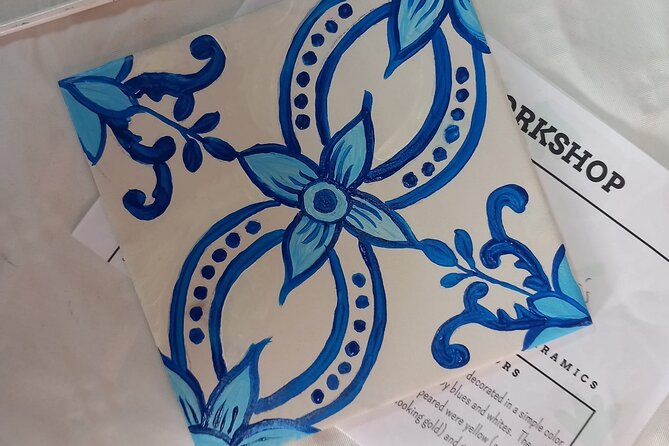
You don’t need artistic talent. The workshop is designed for regular people with regular schedules.
You’ll start by choosing a design approach:
- Pick a simpler option if you want a cleaner result with less guesswork.
- Or go with a freehand plan if you enjoy improvising and personalizing.
You’ll also make color decisions. This matters because tile art can go in a couple directions. Some patterns look best when they’re tight and traditional. Others become more playful with your own color choices.
A practical tip: if you’re the type who overthinks everything, decide on a pattern theme before you get to the studio. Even with help available, you’ll paint faster—and you’ll enjoy it more—if you’re not trying to invent your design from scratch on the spot.
If you’re traveling with kids or mixed-age groups, this also works because the instruction supports different comfort levels. Kids can follow outlines and have fun with big colors, while adults can push for more detail if they want.
Cocktails and Creative Time: The Included Drink Part
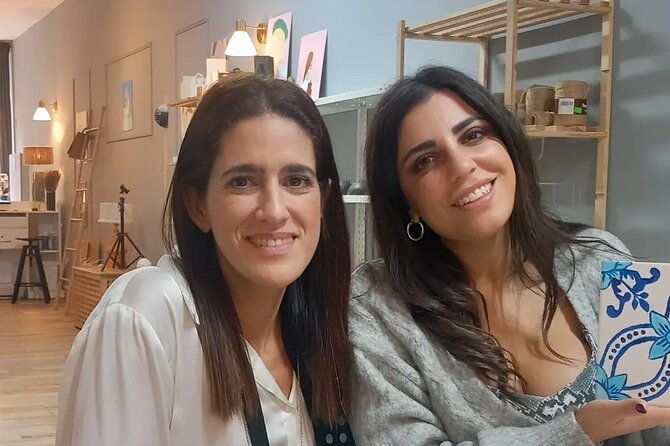
The drink isn’t an afterthought. It’s part of the experience pacing.
You get a choice between:
- a juice, or
- a gin-port cocktail
That might sound like a small perk, but in practice it helps the workshop feel like a real break. You’re not just rushing through art supplies. You’re settling into a focused, relaxing hour and a half while you work.
And yes, it’s a downshift from Porto’s hills. The combination of studio time plus a sip in hand makes it easier to enjoy even if your day has been packed with walking.



How the Tile Gets Finished: What to Plan for
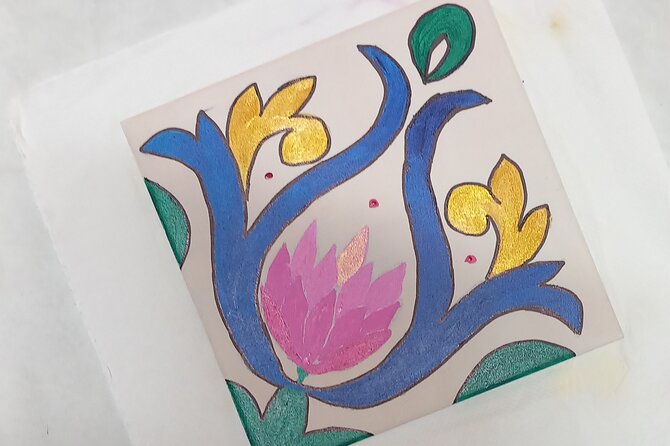
This is the part to pay attention to before you schedule the rest of your day.
The workshop uses a method that lets you remove the tile about one hour after the class ends. That timing is important because:
- painting time is only part of the work
- the tile then needs finishing so it’s truly ready as a keepsake
Some guests also mention taking home a finished, glazed tile experience, while others mention picking it up later after it’s fired. The safest approach is to plan around the studio’s stated timeline: treat it like a short post-class finishing window, not a “grab it and go” souvenir.
Also worth knowing: the painting is done with acrylics, and there’s a curing/sealing step during the process that keeps things tidy while you work. That’s a big reason this feels manageable inside a normal travel schedule—you’re not waiting on complicated dry-time chaos while everyone is trying to enjoy Porto.
Value for $42.34: Why This Is More Than a Souvenir Shop Stop
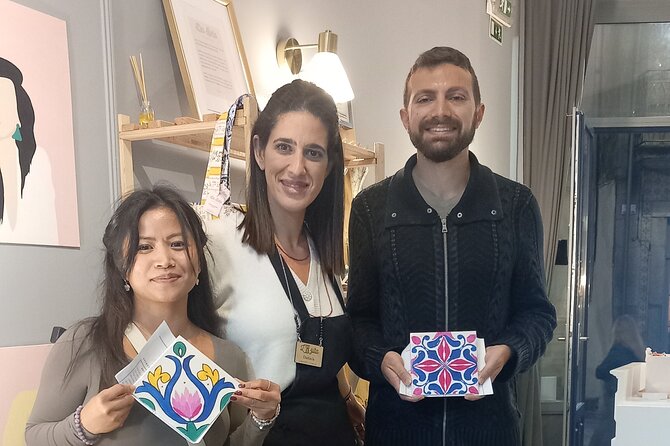
At $42.34 per person, this isn’t the cheapest thing you’ll do in Porto. But it’s also not trying to compete with a basic magnet tile from a tourist shop.
The value is in the combination:
- a guided lesson on Portuguese tile history
- a supported, hands-on craft you can actually complete
- a take-home keepsake that’s personalized to your choice of design and colors
- an included drink: juice or gin-port cocktail
- a small-group setting (max 20), which usually means more help when you need it
If you’re trying to decide between buying a mass-produced souvenir tile and making one yourself, this workshop wins for one simple reason: you get a story and a skill moment you can point to later.
It’s also a great budget use on a day when you want something memorable but don’t want to spend your whole afternoon in a long tour line.
Where It Fits in Your Porto Day (Without Stress)
Because the start and end point are the same, you can treat this like a tidy block in the middle of your schedule.
I like slotting it on:
- a day when my legs are tired and I want an indoor reset
- the middle of a sightseeing day, so I’m not stuck with a souvenir-pickup problem at the very end
- any day I want a slower, more personal activity instead of another big landmark rush
You’re also close enough to other tourist sights that it works as a complement. Plan your walking accordingly, though. Porto’s steep streets can make it hard to squeeze in too many long hikes back-to-back.
If you’re the type who likes to add one more activity, the studio also runs a Pastel de Nata workshop that may overlap depending on timing. That’s a fun pairing if you want a second hands-on food memory.
Who Should Book This Workshop
This experience is a strong match if you want:
- something creative that doesn’t require talent
- a cultural activity tied to what you’ll see around Porto
- a social format that works for solo travelers and groups
- a souvenir that feels personal, not generic
It also tends to work well across ages. Families have done it, and the instruction is flexible enough for different skill levels.
If you dislike structured activities entirely and only want free wandering, you might find the “history + painting steps” a bit too guided. But if you’re open to a focused two-hour studio session, this is an easy yes.
Should You Book Tile Painting and Cocktails in Downtown Porto?
Yes—if you want a memorable Porto moment you can take home and use.
Book it when:
- you want a break from walking and hills
- you like making things with your hands
- you want a tile souvenir with your own design choices
- you want a cultural explanation that helps you notice azulejos more clearly around town
Consider waiting or picking a different option if:
- your schedule is so tight that you can’t handle a roughly one-hour post-class finishing timeline
- you’re not interested in painting at all and only want sightseeing
If you’re on the fence, here’s my practical take: this is one of those activities that pays you back later—every time you look at your tile, you’ll remember the color choices, the lessons, and the small break you built into your trip.
FAQ
How long is the tile painting workshop in Porto?
It runs for about 2 hours.
What’s the price per person?
The price is $42.34 per person.
Is the workshop offered in English?
Yes, it’s offered in English.
Where do I meet for the workshop?
You meet at R. Chã 77, 4000-165 Porto, Portugal, and the activity ends back at the same meeting point.
Is there a maximum group size?
Yes. The workshop has a maximum of 20 travelers.
What drink is included?
You can choose between juice or a gin-port cocktail.
When will I have my finished tile?
The studio’s method allows you to remove your tile about one hour after the workshop ends.
Can I get a refund if plans change?
Yes. You can cancel up to 24 hours in advance for a full refund. If you cancel less than 24 hours before the start time, the amount paid is not refunded.