REVIEW · PORTO
3 table wines & 5 Port wines + Tapas
Book on Viator →Operated by Portugal With A Local · Bookable on Viator
Wine walks beat long bus tours. This private Porto tour mixes city orientation with private group tastings and Port wines in Gaia. One possible catch: the experience is part walk and part tasting, so if you’re expecting lots of separate cellar visits, you’ll want to set your expectations.
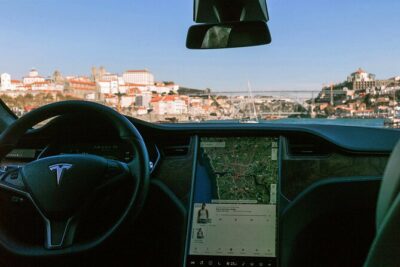
I like how the guide keeps it relaxed and conversational, with time to ask questions instead of herding you along. If you choose it, a Porto hotel pickup makes the start easy. Just remember the only guaranteed wine-heavy moment is the final 5-port tasting and tapas, while earlier stops focus more on history and smaller pours.
In This Review
- Key Highlights at a Glance
- Why This Porto Wine and Port Tour Feels Worth It
- Starting at Porto Cathedral: Fast Context, Real Direction
- Rua de Sant Ana: Medieval Streets and Your First Wine Pours
- Ribeira Square and the Douro Story Behind Port Wine
- Luis I Bridge: An 1886 Landmark That Links Porto and Gaia
- Lado Wines in Gaia: 5 Port Wines and Tapas You Can Actually Compare
- What You Taste: 3 Table Wines, 5 Ports, and How to Get More From It
- Price, Value, and Who Should Book This Tour
- FAQ
- How long is the tour?
- Where does the tour start and end?
- Is hotel pickup available?
- What wines are included?
- Are the Port tastings included?
- Is the cathedral admission included?
- Is this tour private?
- Is the tour offered in English?
- What if the weather is bad or the minimum number of travelers isn’t met?
Key Highlights at a Glance
- Cathedral orientation at the start helps you get your bearings fast in Porto before you taste
- Rua de Sant Ana stops on medieval streets and connects the wines to Porto and the North
- Ribeira and the Rabelos boats story explains how Port wine moved from the Douro to Vila Nova de Gaia
- Luis I Bridge photo-and-history moment ties Porto to the Gaia cellars side
- Lado Wines tasting of 5 Port wines + tapas gives you a real comparison of styles in about 45 minutes
Why This Porto Wine and Port Tour Feels Worth It
I love a good tasting tour that doesn’t waste your time. This one is built around a short, smart route: a bit of old-town walking, quick city lessons, then time with wine at the end. It fits well if you want something you can do in a half-day, without turning your day into a full itinerary marathon.
You’ll also notice the pricing logic. At $78.60 per person, you’re not just paying for a couple of sips. The experience includes alcoholic beverages and, most importantly, it’s structured around a clear tasting progression: early regional pours, then a bigger Port lineup later. For me, that matters because Port tasting works best when you can compare types while it’s still fresh in your brain.
The private-group format is another big value lever. You’re not stuck with a loud crowd or a guide speaking over everyone. Based on how people describe guides like Bernardo, André, and Sara, the vibe is more like hanging out with someone who knows their city and their wines.
Do keep one thing in mind: this tour blends culture walking and food-and-wine. That’s great if you like context. If your main goal is maximum cellar-hopping, you may feel the pacing is a little more walk-focused than you imagined. A quick message to the provider ahead of time can help align expectations.
You can also read our reviews of more wine tours in Porto

Starting at Porto Cathedral: Fast Context, Real Direction
The tour begins in front of Porto Cathedral, at Terreiro da Sé, right by the main facade. The timing here is useful because you start with orientation instead of wandering blind. A short introduction to the city sets up what you’ll see next, including how Porto and Gaia relate to each other through Port wine.
The cathedral stop is also your first taste of structure. You get about 10 minutes there, and the admission ticket is not included. In plain terms: plan on possibly paying an entry fee if you want to go inside rather than just viewing from outside. Either way, the point is to start with bearings and local context.
This is a good moment for your “first questions.” If you’re new to Port (or not totally sure how Tawny differs from Ruby, or why styles matter), the guide can help you start thinking in the right categories. People often talk about guides being passionate about Porto and its wine culture. That passion is most useful right at the start, because it gives you a framework for the tasting you’ll do later.
If you’re sensitive to steep steps, bring comfortable shoes. Porto’s old core is walk-friendly, but the terrain can still surprise you when you’re mixing sightseeing with tastings.
Rua de Sant Ana: Medieval Streets and Your First Wine Pours
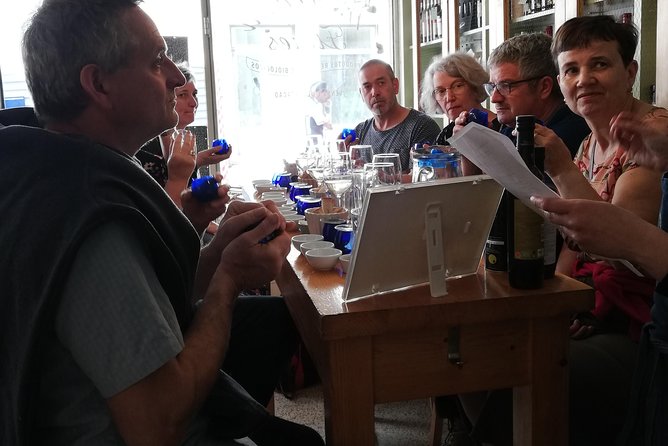
After the cathedral, you head into Rua de Sant Ana, one of Porto’s older medieval streets. It also ties into the city’s past, including the area that once served as a Jewish quarter. This is the kind of stop that doesn’t feel random. The walking route adds texture, and the commentary gives you a reason to care.
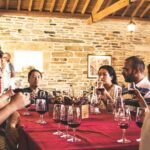
Then comes the first wine tasting with regional products from Porto and the North. All tastings are commented on and explained. That part is key. When tasting is just random sips, you forget what you liked (and why). When it’s explained, you start learning how to identify style differences and what to pay attention to.
This early tasting phase is about setting your palate. The goal isn’t to turn the tour into a drinking contest. It’s more like a warm-up: you’ll learn what you’re tasting and why it belongs here, before you get to the bigger Port lineup later.
One practical note: you’ll want to pace yourself. With wine involved, it’s easier to enjoy the street scenes and the next viewpoints if you take small sips and give your head time to catch up.
Also, if you’re hungry, you’ll appreciate that tapas appear as part of the tasting experience later on. This first round is more about regional wines and context than about a full meal.
Ribeira Square and the Douro Story Behind Port Wine
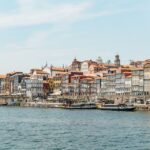
From Rua de Sant Ana, the route moves toward Praca da Ribeira, where you learn how Port wine travelled and why Vila Nova de Gaia matters. This stop is where the tour shifts from street-level charm to the Port system itself.
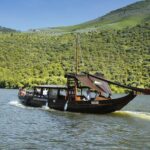
You’ll hear the story of the Rabelos boats on the Douro River. These boats helped move the wine toward the storage cellars in Gaia. It’s a simple line of cause and effect: grapes grow, the wine needs moving, and the city geography shapes the whole trade. Once you understand that, the waterfront viewpoints make more sense.
And yes, you’ll see names linked to Port wine along the riverfront: Calem, Sandeman, Kope, and Graham’s. Seeing those brands in the real landscape helps the tasting feel less abstract. It turns the wine from a label into something tied to a place and a tradition.
This stop runs about 45 minutes. That’s long enough for a good story, plus time to look around. It’s also one of the best points for photos, assuming the weather cooperates. Porto weather can change fast, so bring a light layer.
If you love the “how did this tradition happen” angle, this is one of the strongest parts of the tour. If you’re only after tasting, it can feel a bit more educational than you planned, but the information flows directly into what you’ll drink next.
Luis I Bridge: An 1886 Landmark That Links Porto and Gaia
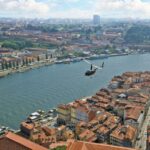
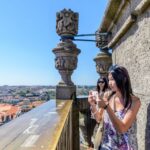
Next up is the Luis I Bridge. This is an 1886 icon designed by a student of Gustav Eiffel, and it’s not just a pretty structure. It marks the link between where you’re walking in Porto and where the Port cellars live in Gaia.
You’ll get around 13 minutes here. That’s a short window, but it’s enough to appreciate the architecture and understand why the crossing matters. If you’re the type who likes to know why a viewpoint exists, this stop gives you that answer quickly.
For me, the bridge stop does two things. First, it resets the mental map from old Porto streets to the cellars side. Second, it provides a natural pause between tastings so you can arrive at the final venue ready to focus.
It’s also a good moment to check in with the guide if you’re wondering about Port styles. Even if you don’t know the vocabulary yet, the guide can translate what you’re tasting into practical differences you’ll feel in the glass.
Lado Wines in Gaia: 5 Port Wines and Tapas You Can Actually Compare
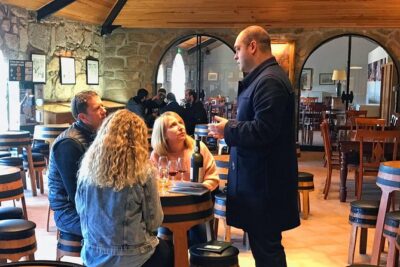
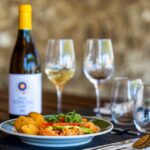
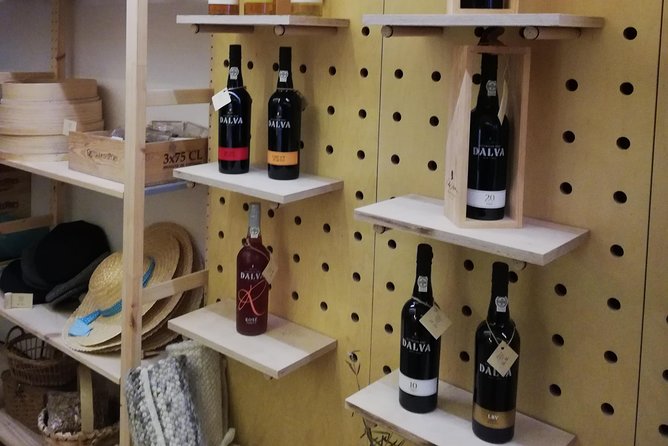
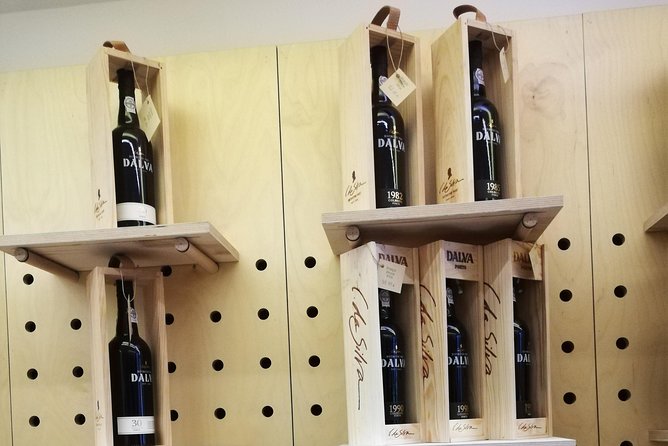
The heart of the experience is the tasting at Lado Wines in Vila Nova de Gaia. This is where the tour earns its wine reputation. You get 5 Port wines per person, and taps pair with the tasting experience. This portion runs about 45 minutes, and it’s included.
Here’s why this format works so well: 5 Port wines in one session lets you compare styles side-by-side instead of remembering them later. Port isn’t just one drink. The big differences show up in sweetness level, aging style, and flavor profile, and the best way to learn is to taste multiple versions back-to-back.
People describe this tasting moment as both delicious and educational. Guides like André, in particular, tend to make sure you never feel rushed. That matters because a Port tasting works best when you have time to swirl, sip slowly, and ask questions.
You’ll likely start recognizing patterns. For example, Tawny Port is often a crowd favorite, and it makes sense here because it’s typically easier to drink than some heavier styles. One common theme from descriptions of the experience is that people leave liking at least one style they didn’t expect.
What you should expect practically: you’ll be guided through tasting rather than thrown into a self-guided flight. You’ll also have food (tapas), which helps you stay comfortable while tasting multiple glasses.
If you’re doing this tour on a day with lots of walking, this final venue is the payoff. It’s the part where your feet relax and your palate takes center stage.
What You Taste: 3 Table Wines, 5 Ports, and How to Get More From It
Even though the route includes city stops, the tasting lineup is clear: you’re set up for 3 table wines and 5 Port wines, plus tapas. The early tastings focus on regional products from Porto and the North. Then the Port comparison happens at the end, where you can track differences across multiple styles in one place.
Here’s how to make the most of it. Don’t try to label everything immediately. Instead, pick one thing to focus on during each tasting:
- sweetness versus dryness
- fruity flavors versus nutty or caramel notes
- how the wine finishes on your tongue
Then ask the guide which style matches what you just liked. That’s where the private-group setup pays off. In a larger crowd, you might not get a clear answer. In this format, you can.
Also, keep an eye on timing. The walk plus tasting sequence means you’ll get tastings spread across the tour, not only at the end. If you’re prone to getting tipsy quickly, take smaller sips early so you still enjoy the Port lineup later.
One more expectation check: the tour is designed as both a cultural walk and a tasting experience. If you’re imagining a long list of separate wine houses, you might feel the balance is different than you planned. Still, the Port finale at Lado Wines is the anchor, and that’s where the tour delivers its strongest tasting value.
Price, Value, and Who Should Book This Tour
At $78.60 per person, you’re paying for a guided route, alcoholic beverages, and a structured tasting at Lado Wines. For Porto, that price lands in the sweet spot if your goal is a short, high-quality intro to the city’s wine culture without a full-day commitment.
This tour is a great fit if you:
- want a private, English-speaking guide and the chance to ask questions
- like learning stories that connect geography to wine (Port’s river routes and Gaia storage)
- prefer a focused tasting flight rather than a scatter of random stops
It’s less ideal if you:
- want lots of separate cellar visits throughout the day
- hate walking or standing for multiple viewpoints
- are expecting the entire tour to feel like a winery schedule
The duration is about 2 to 3 hours, so it pairs well with a later lunch or an evening stroll along the river. Also, because it tends to get booked in advance (around 25 days on average), you’ll want to plan ahead instead of gambling on last-minute availability.
If you choose pickup, you’ll start with less hassle. After that, your ending location is in Gaia at Avenida de Diogo Leite, in a Port wine cellar. That setup is handy because it puts you right where Port wine life happens, even if you started on Porto’s side.
Should You Book This Tour?
Book it if you want a smart, private wine-and-Port experience that’s short on time and strong on tasting quality. The final 5-port tasting with tapas at Lado Wines is the main event, and the city context adds meaning without turning the day into a lecture.
Skip it (or message first) if your top priority is multiple separate wine houses and lots of cellar time. This tour is part culture walk, part tasting finale. Set that expectation and you’ll likely come away happy with your new Port favorites.
FAQ
How long is the tour?
It lasts about 2 to 3 hours.
Where does the tour start and end?
It starts at Porto Cathedral (Terreiro da Sé, 4050-573 Porto) and ends at a Port wine cellar in Vila Nova de Gaia (Avenida de Diogo Leite).
Is hotel pickup available?
Yes. Porto hotel pickup is offered, if you schedule it with the provider.
What wines are included?
The experience includes 3 table wines and 5 Port wines, plus tapas.
Are the Port tastings included?
Yes. The tour includes a 5-Port wine tasting at Lado Wines, plus tapas.
Is the cathedral admission included?
No. The cathedral stop lists admission tickets as not included.
Is this tour private?
Yes. It’s a private tour/activity, so only your group participates.
Is the tour offered in English?
Yes, it is offered in English.
What if the weather is bad or the minimum number of travelers isn’t met?
The experience requires good weather. If canceled due to poor weather, you’ll be offered a different date or a full refund. It can also be canceled if a minimum number of travelers isn’t met, with a different date/experience or a full refund.