REVIEW · DOURO VALLEY
Douro Valley: Premium Port Tasting Winery Tour & River Views
Book on GetYourGuide →Operated by Timonfaya Travel Lanzarote · Bookable on GetYourGuide
A Douro tasting tour that fits in real life. You’ll get a guided walk through historic cellars and old stone lagares, then finish with a river-view flight of premium Port or DOC red wine. It’s a tight 1.5-hour format, but packed with the key story of how Douro wines are made and aged.
Two things I like a lot: the hands-on-feeling way the aging process is explained in the 18th-century setting, and the payoff of tasting while looking out over the Douro River. A possible drawback is that the tasting is limited to 3 wines, and there’s no mention of added food pairings like cheese or chocolate.
In This Review
- Key takeaways before you go
- A fast, focused Douro experience with built-in wine education
- Price and value: $34 for 3 tastings plus real site time
- Meeting point at Folgosa: what to do when you arrive
- The warm welcome and the guide-led pacing you’ll feel in 90 minutes
- Inside the 18th-century cellars: where aging becomes understandable
- Historic lagares and the foot-treading process
- Vineyards and olive groves: what to notice on the Douro slopes
- The view over the Douro River: why the tasting moment matters
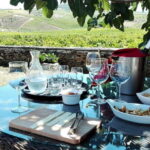
- Your tasting flight: 3 Port or 3 DOC reds, plus olive oil
- What to buy, what to ask, and how to leave with confidence
- Who this tour is best for (and who should skip it)
- Should you book this Douro Valley winery tour?
- FAQ
- How long is the Douro Valley Premium Port Tasting Winery Tour?
- What does the tour include?
- Do I need hotel pickup?
- Where is the meeting point?
- Is the tour guide available in English?
- Can I cancel for a refund?
- Are there tasting options for Port and DOC wines?
Key takeaways before you go
- 18th-century cellars where the aging story for Port and DOC wine is explained in context
- Historic stone lagares and the foot-treading process, tied to Portuguese tradition
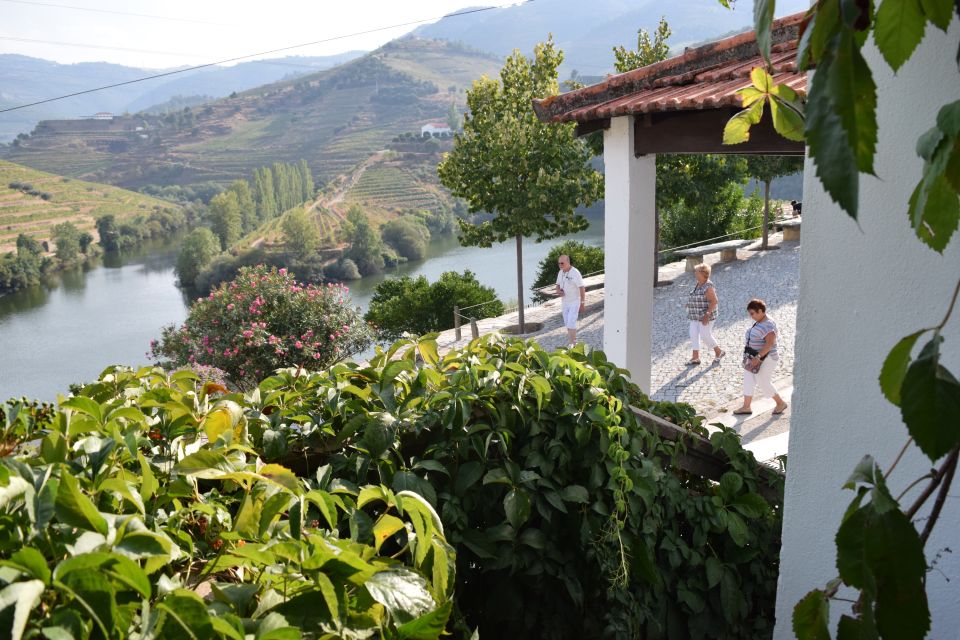
- A vineyard and olive grove stroll on steep Douro slopes, with views built into the schedule
- River panorama in the tasting room, so your wine comes with a real sense of place
- A guided flight of 3 bottles total (either 3 Port or 3 DOC reds), plus locally produced olive oil
A fast, focused Douro experience with built-in wine education
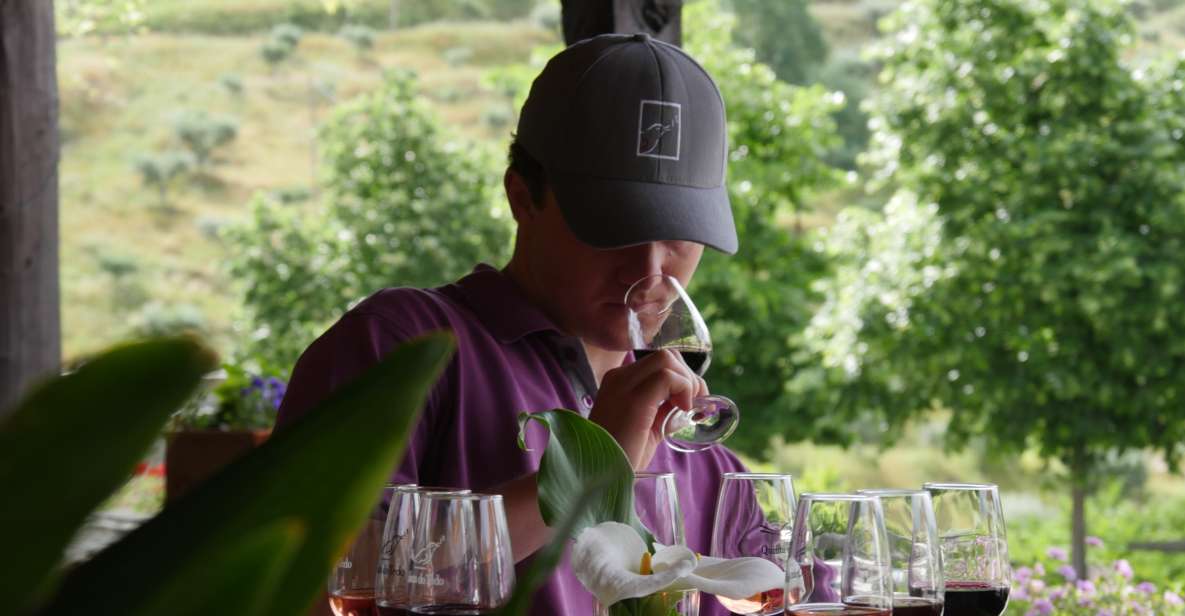
This isn’t a long, slow tour where you mostly wander. It’s designed to get you from arrival to tastings with clear stops and a logical flow: history first, then the people-and-place side (vines, olives, slopes), and finally the part you came for—wine.
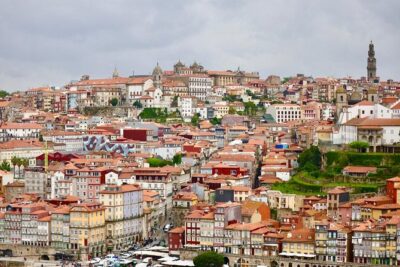
Because you’re in the Douro Valley, the setting does some of the storytelling for you. Terraced vineyards and old farming methods make more sense when you can see the river below and the steep country above. The tour leans into that. You’re not just hearing facts; you’re seeing the geography that shapes how the grapes grow.
The format is also practical. At 1.5 hours, you can fit this between day plans in the Régua–Pinhão area without committing your whole afternoon. It’s especially useful if you want a Douro “hit” of Port and place without turning your day into a logistics puzzle.
You can also read our reviews of more food & drink experiences in Douro Valley
Price and value: $34 for 3 tastings plus real site time
At $34 per person, the value mostly comes down to what’s included. You get:
- a winery and cellar tour
- a guided tasting flight of 3 Porto wines or 3 DOC wines
- locally produced olive oil with the tasting flight
Wine tastings alone can cost a chunk of money in many places. Here, your ticket buys more than glasses—it buys access to the cellars and historic lagares, plus time walking the grounds and soaking in the Douro River viewpoint. In other words, you’re paying for a package of production story + guided sampling, not just a quick pour-and-go.
Also worth noting: you don’t need to line up extra purchases just to make the visit worthwhile. The tasting flight itself is part of the core experience. And if you’re the kind of person who likes to ask questions, a live English guide makes the price feel more like a lesson than a showroom.
Meeting point at Folgosa: what to do when you arrive
Your meeting point is Folgosa 5110-207, Portugal, between Régua and Pinhão—about 5 minutes east of Folgosa along the Douro River, at the intersection of N222 and M512.
There’s no hotel pickup included, so you’ll want to build in time to get yourself there by car or local transport. Once you arrive, the process is simple: enter the winery and give your name to staff at reception. That’s it. No complicated instructions, no guesswork about where you should wait.
One more practical thought: because you’re doing a short walk through vineyards and olive areas, you’ll feel better with comfortable shoes and a plan for sun and light breeze (the Douro can shift quickly).
The warm welcome and the guide-led pacing you’ll feel in 90 minutes
The tour starts with a welcome from the guide and sommelier. This matters because it sets the rhythm for the whole experience. In a short tour, you want the guide to keep the group moving while still giving you clear explanations. You also want them to translate wine terms into plain language.
A couple of guide details from real bookings are helpful to know. Some groups are led by Bruno, and the feedback around him is strong—especially his ability to answer questions and connect the production process to what you’re tasting. If you’re hoping for an interactive tour, this is exactly the style you want: learn what matters, then taste what you learned.
You’ll also hear about Port and DOC wine production in a way that connects processes to outcomes. That makes the later flight easier to understand, not harder.
Inside the 18th-century cellars: where aging becomes understandable
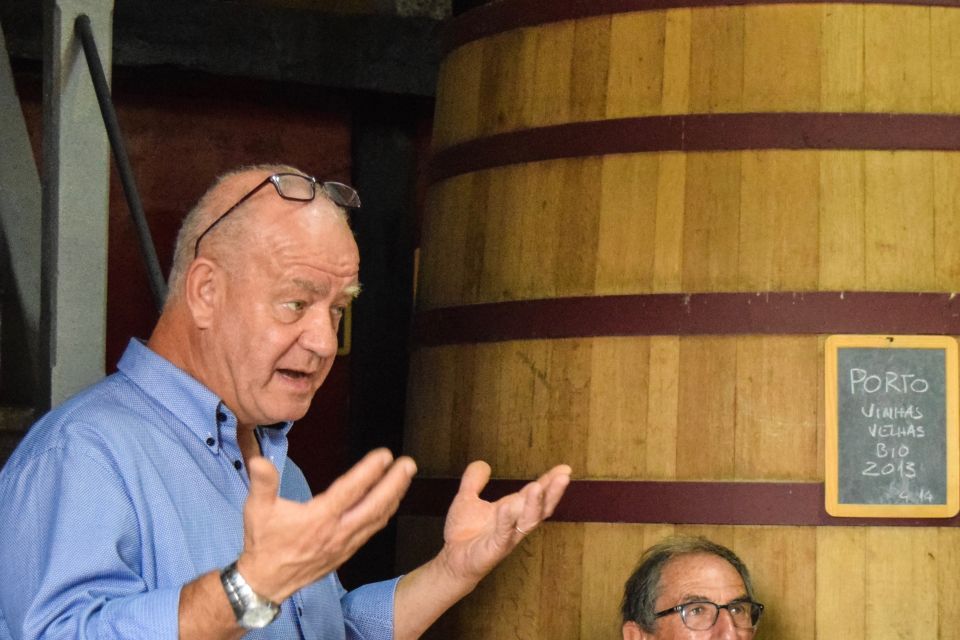
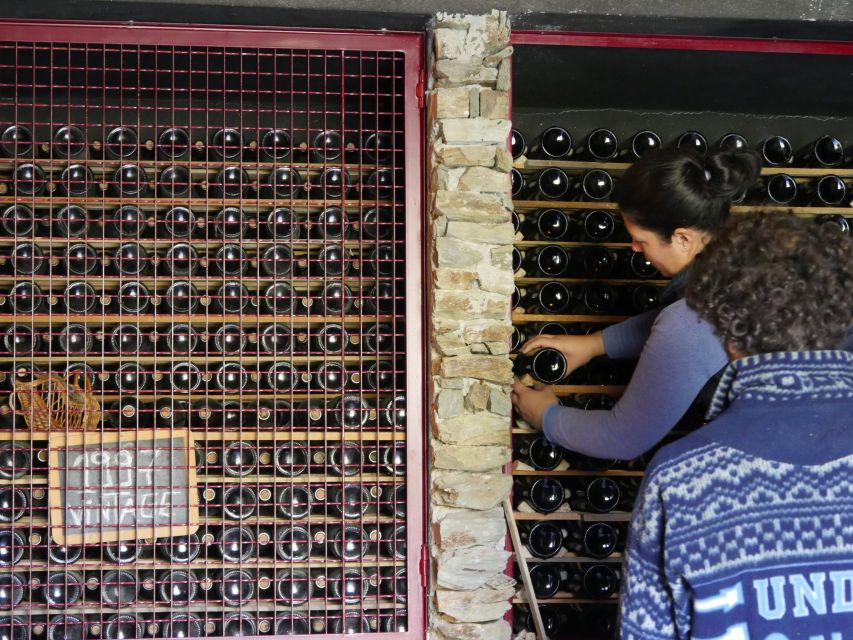
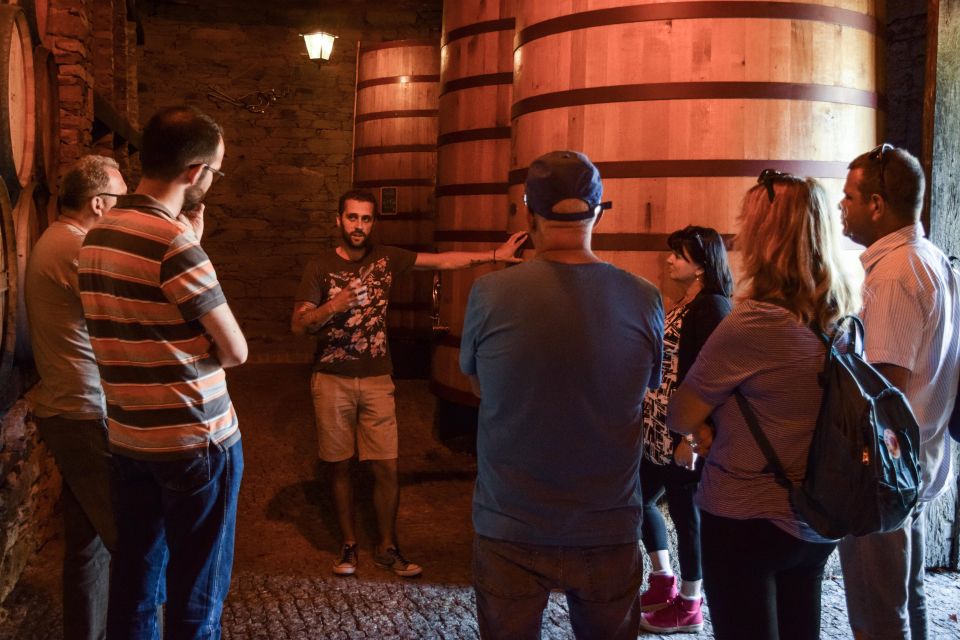
The first major “wow” moment is stepping into the 18th-century cellars. This is where the tour turns from setting to production. You’ll learn how Port and DOC wine are aged, and why those aging steps are central to the final flavor you’ll detect in the glass.
Even if you don’t know wine terminology, this stop is designed to give you a mental map. You’re shown the role of the cellar environment and the time-based transformation that happens before anything reaches a bottle. The benefit for you: you taste with a framework instead of guessing why one wine feels sweeter, deeper, or different from the next.
And because the cells are part of the story, it doesn’t feel like the guide is speaking to the air. You’re in a real production setting, surrounded by the kind of spaces where traditional aging practices were meant to work.
You can also read our reviews of more wine tours in Douro Valley
Historic lagares and the foot-treading process
After the cellars, you move to the original stone lagares, where grapes were once foot-trodden. This is one of those moments where you can almost see history happen right in front of you.
The tour’s value here is that it doesn’t treat the lagares as a museum prop. It frames the process as a real method used in Portuguese winemaking tradition, then ties it back to how grapes become must and eventually become wine. Even if you’ve read about foot treading before, seeing the stone lagares makes the scale feel more real.
For practical purposes, this part tends to be visually memorable, but it’s also a good time to slow down and ask questions. If your guide is someone like Bruno, you’re likely to get clear answers rather than quick nods.
Vineyards and olive groves: what to notice on the Douro slopes
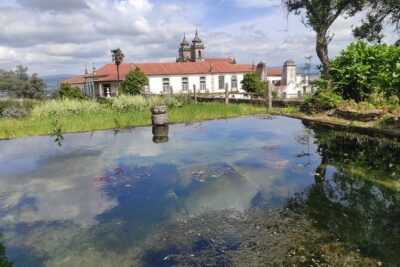
Next comes the walk through the winery’s vineyards and olive groves. This is where you learn why the Douro is so important. When you’re dealing with steep slopes and terraced growing, the geography affects everything: how the vines and olive trees ripen, how conditions change across the day, and why farming takes constant effort.
The key for you is to treat this walk as a tasting prep, not just a photo stop. Notice how the guide describes ripening and how the land shape relates to flavor potential. You don’t need to be a viticulture nerd to get it. Your brain will connect the talk to what you’ll later smell and taste.
Also, one of the best pieces of advice here is simple: take the time to actually walk and look around. Some bookings mention that the vineyard areas are genuinely beautiful, and the walk is where that beauty becomes useful, not just decorative.
The view over the Douro River: why the tasting moment matters
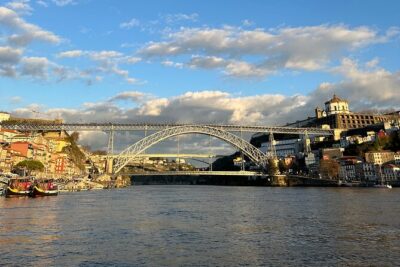
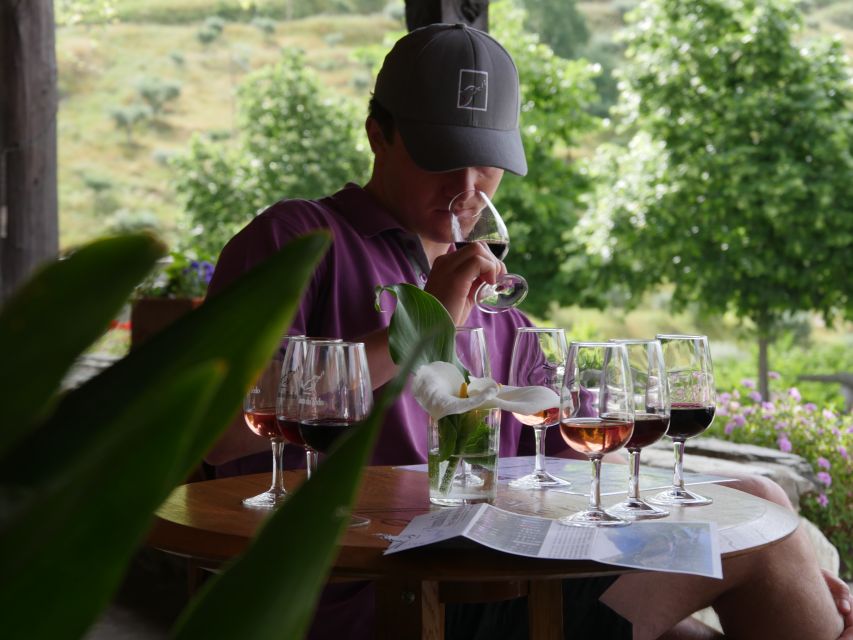
The tasting is done with breathtaking panoramic views over the Douro River and valley, and that changes the way you experience wine.
In plain terms: when you’re looking at the river while sipping, you slow down. You pay attention to aromas, warmth, and finish because the whole scene is calmer and more dimensional. It also makes the Douro feel like a place, not just a label.
This matters if you’re deciding whether to buy a bottle. If you can match what’s in the glass to what you saw and learned—cellars, lagares, steep slopes—you’re more likely to purchase with confidence.
Your tasting flight: 3 Port or 3 DOC reds, plus olive oil
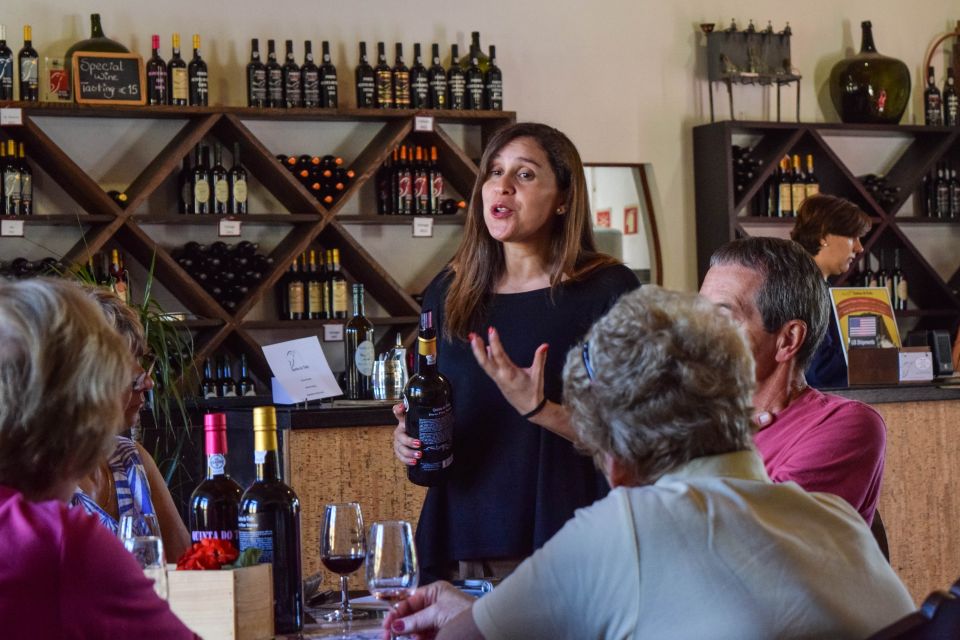
The tour culminates with a guided tasting flight of either 3 Porto wines or 3 DOC wines. The experience is designed to guide your tasting rather than drop you into a free-for-all.
Two practical tips from real tasting preferences are worth your attention:
- If you’re into Port, many people strongly recommend choosing a vintage Port option in the tasting. It can bring more character and intensity than a basic non-vintage selection.
- Rose Port may be a pleasant surprise if you think Port is always heavy. One booking specifically called out a surprising rose Port experience.
You’ll also have locally produced olive oil paired with the tasting. That’s a smart pairing choice because olive oil can help you reset your palate between different styles, and it also reinforces the regional food-and-farm connection. If you like food-friendly tastings, you’ll appreciate that detail.
One drawback to keep in mind: if you’re the type who expects cheese, chocolate, or full snack pairings, the tour info doesn’t list those add-ons. A guest wished for cheese or chocolate pairings. So if you want a more “food forward” wine day, plan to eat beforehand or consider adding a small snack after the tour.
What to buy, what to ask, and how to leave with confidence
When you’re tasting only 3 wines, your questions matter. Ask your guide what you should look for in each pour—especially in Port styles—then decide which one fits your taste.
If you meet staff like Lara during purchases, you may get a more guided shopping experience. Some bookings describe a great experience with her as well. That kind of service can help you translate your preferences into a bottle you’ll actually enjoy back home.
And if you get the chance to hear from people involved in the vineyard vision—like Kay, mentioned in bookings—it can add a grounded, human layer to the trip. You’re not just buying wine; you’re buying into how people think about their land and long-term effort.
Who this tour is best for (and who should skip it)
This is a strong fit if you:
- want Port and/or DOC red wine with a guided explanation
- like short tours where the schedule stays tight and you still get site access
- enjoy learning the why behind wine (cellars and traditional methods), not just tasting
- want Douro River views without booking a full-day tour
You might look elsewhere if you:
- want a longer, deeper winery immersion that spends more time on vineyards, production, and food pairings
- expect a larger tasting menu with multiple pairing foods beyond olive oil
Should you book this Douro Valley winery tour?
If you want a satisfying 90-minute Douro Port experience with historic cellar time, stone lagares, vineyard-and-olive walking, and a guided tasting flight of 3 wines plus olive oil, this is an easy yes. The 4.5 rating from 41 reviews backs up that the guidance and tasting experience land well.
I’d book it especially if you’re passing through the Régua–Pinhão area and want a high-value stop that teaches you how Douro wines connect to place. If you’re counting on cheese or chocolate pairings to make it feel like a full food experience, consider planning your meal around the tour—or just lean into it as a wine-and-history morning.
FAQ
How long is the Douro Valley Premium Port Tasting Winery Tour?
It lasts 1.5 hours.
What does the tour include?
You get a winery and cellar tour plus a guided tasting of 3 Porto wines or 3 DOC wines.
Do I need hotel pickup?
No. Hotel pickup and drop-off are not included.
Where is the meeting point?
The meeting point is Folgosa 5110-207, Portugal, between Régua and Pinhão, about 5 minutes east of Folgosa along the Douro River at the intersection of N222 and M512. Enter the winery and give your name at reception.
Is the tour guide available in English?
Yes, the tour includes a live English guide.
Can I cancel for a refund?
Yes. Free cancellation up to 24 hours in advance is available for a full refund.
Are there tasting options for Port and DOC wines?
Yes. The included tasting flight is 3 Porto wines or 3 DOC wines (based on the option you choose).